
Contents
Manufacturing Insight: Hot Dipped Galvanized Vs Stainless Steel
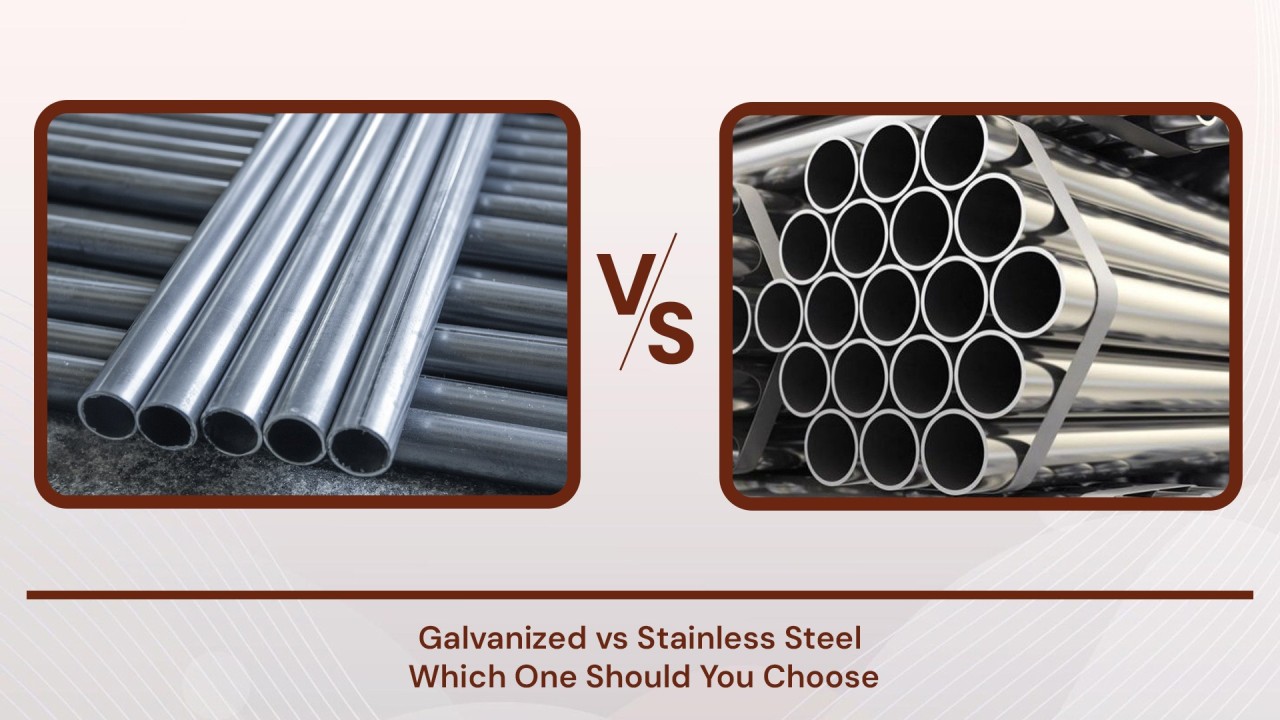
Material selection between hot-dipped galvanized steel and stainless steel presents critical engineering trade-offs for durability, cost, and performance in demanding applications. At Honyo Prototype, our Senior Manufacturing Engineering team understands that the optimal choice hinges on specific environmental exposure, lifecycle requirements, and functional tolerances. Hot-dipped galvanizing provides robust, economical corrosion resistance through a sacrificial zinc layer typically ranging from 3 to 10 mils thick, ideal for structural components in moderate environments. Stainless steel, particularly grades like 304 or 316, offers inherent corrosion resistance via chromium oxide passivation and superior performance in harsh chemical or marine settings, though at a higher base material cost.
The precision machining of these materials introduces distinct challenges. Galvanized coatings require careful toolpath strategies and post-machining touch-up to maintain corrosion protection at cut edges, while stainless steel demands optimized feeds, speeds, and coolant management to prevent work hardening and galling during CNC operations. Honyo Prototype excels in navigating these complexities with advanced 3-, 4-, and 5-axis CNC machining centers, proven processes for coating integrity preservation, and rigorous in-process quality control. Our engineering team collaborates closely with clients to select the right material and implement machining solutions that ensure final part functionality without compromising protective properties.
Leverage our expertise to validate your material decision and manufacturing approach. Access Honyo Prototype’s Online Instant Quote platform for rapid, accurate pricing on precision-machined components in both hot-dipped galvanized and stainless steel, supported by DFM feedback to optimize your design for manufacturability from the outset.
Material Comparison at a Glance
| Property | Hot-Dipped Galvanized Steel | Stainless Steel (304) |
|————————-|—————————–|————————|
| Primary Corrosion Mechanism | Sacrificial Zinc Coating | Chromium Oxide Layer |
| Typical Coating/Thickness | 3-10 mils (75-250 µm) | N/A (Inherent) |
| Machining Challenge | Edge coating integrity | Work hardening, galling|
| Cost Factor (Material) | Lower | Higher |
| Ideal Application | Structural, moderate env. | Harsh env., hygiene |
Technical Capabilities
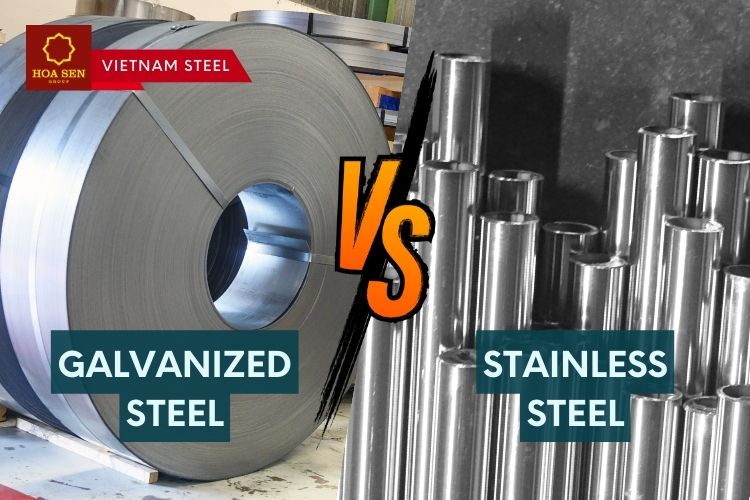
Comparison of hot dipped galvanized steel and stainless steel in precision manufacturing environments involving 3/4/5-axis milling, turning, and tight tolerance applications requires evaluation of material properties, machinability, dimensional stability, and compatibility with common engineering materials such as aluminum, steel, ABS, and nylon. Below is a detailed technical comparison.
| Parameter | Hot Dipped Galvanized Steel | Stainless Steel (e.g., 304/316) |
|---|---|---|
| Base Material | Low carbon steel (typically ASTM A36 or A572) coated with zinc via hot-dip process | Iron-chromium-nickel alloy; inherently corrosion-resistant |
| Coating Thickness | 50–150 µm (zinc layer) | None – corrosion resistance is intrinsic |
| Corrosion Resistance | Good in mild environments; zinc sacrificially protects steel but degrades in acidic/alkaline or high-chloride conditions | Excellent; especially 316 in marine and chemical environments |
| Machinability (Milling & Turning) | Moderate; zinc coating causes built-up edge and tool wear. Recommended to machine before galvanizing to avoid fumes and coating inconsistencies. Post-galvanizing machining damages coating | Good to excellent with proper tooling (carbide or ceramic). 303 is free-machining; 304 and 316 require optimized speeds/feeds due to work hardening |
| Tool Wear | High during post-coating machining due to abrasive zinc and potential for galling | Moderate to high depending on grade; work hardening in 304/316 increases tool wear |
| Dimensional Stability | Risk of warping during hot-dip process due to thermal distortion; problematic for tight tolerance parts (±0.0005″ or tighter) | High; stable during machining. Suitable for tight tolerance applications with proper fixturing and process control |
| Surface Finish (As-Machined) | Poor if machined post-coating; inconsistent due to soft zinc layer. Best results when machined pre-coating | Excellent; capable of fine finishes (Ra < 32 µin) required in precision components |
| Weldability | Difficult post-galvanizing due to zinc fumes (toxic); pre-galvanized welding requires cleaning | Good; especially 304 and 316 with proper shielding gas and procedures |
| Compatibility with Mating Materials | Risk of galvanic corrosion when in contact with aluminum, ABS, nylon in humid environments (zinc and steel anodic to Al) | Low galvanic risk; compatible with aluminum, ABS, nylon; non-reactive in most assemblies |
| Thermal Conductivity | ~50–55 W/m·K (steel base) | ~15–16 W/m·K (304), lower than carbon steel |
| Use in 3/4/5-Axis Milling | Limited to less complex parts due to coating integrity issues; best for structural components machined pre-coating | Ideal for complex geometries; excellent for high-precision, multi-axis work with tight tolerances |
| Use in Turning | Feasible pre-galvanizing; post-coating turning leads to poor surface quality and accelerated tool wear | Well-suited for precision turning operations, including shafts, fittings, and fasteners |
| Typical Applications | Structural brackets, frames, outdoor enclosures where cost-effective corrosion protection is needed | Medical devices, aerospace components, food processing, marine hardware requiring high precision and reliability |
| Recommended for Tight Tolerance (< ±0.001″) | Not recommended due to coating variability and thermal distortion risks | Strongly recommended; stable material behavior and predictable machining characteristics |
Summary Notes:
For high-precision 3/4/5-axis milling and turning operations requiring tight tolerances (±0.0005″ to ±0.001″), stainless steel is the preferred material due to its dimensional stability, intrinsic corrosion resistance, and compatibility with stringent surface finish requirements. It machines predictably and maintains integrity in contact with aluminum, ABS, and nylon without galvanic concerns.
Hot dipped galvanized steel is more suitable for large-scale structural or industrial components where precision is secondary to cost-effective corrosion protection. Machining after galvanizing introduces significant challenges, including tool wear, surface defects, and compromised coating performance. For precision parts, it is advisable to machine the steel prior to galvanization or select alternative materials.
In environments involving mixed materials (e.g., aluminum enclosures with steel fasteners or ABS/nylon housings), stainless steel eliminates galvanic corrosion risks and ensures long-term reliability in critical assemblies.
From CAD to Part: The Process
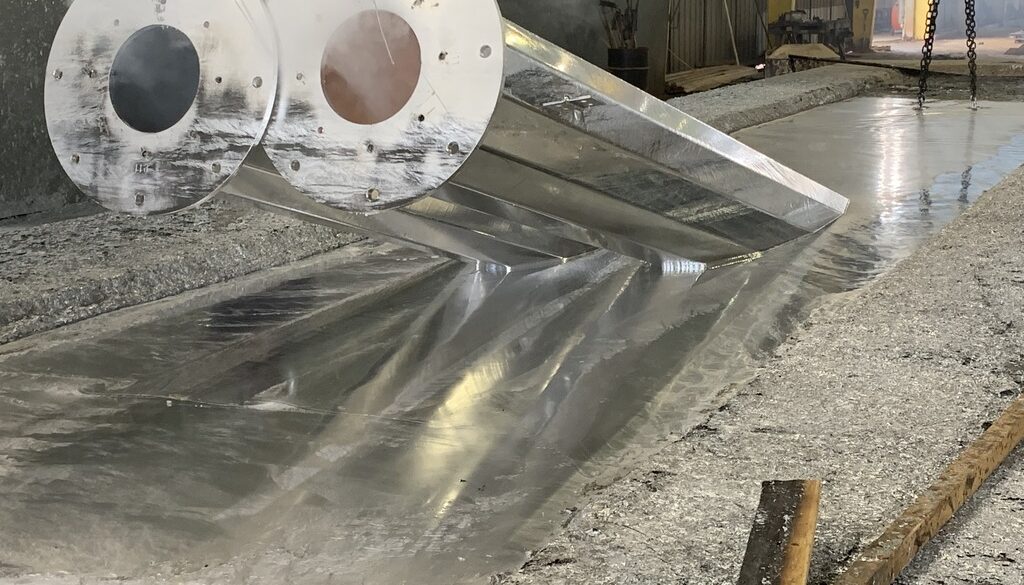
Honyo Prototype Material Selection Process: Hot-Dipped Galvanized Steel vs. Stainless Steel
Honyo Prototype integrates material science expertise into every phase of our digital manufacturing workflow to ensure optimal selection between hot-dipped galvanized (HDG) steel and stainless steel. This decision is not treated as a binary choice but as a context-driven engineering recommendation based on application requirements, environmental exposure, lifecycle costs, and manufacturability. Below is our structured process:
CAD Upload Analysis
Upon CAD file submission, our system performs initial material suitability screening. Geometry features (e.g., blind holes, tight tolerances, weld joints) are analyzed for compatibility with both materials. HDG steel requires considerations for zinc trapping in complex cavities, while stainless steel demands attention to grain orientation in forming operations. If the CAD lacks material specification, our AI flags this and prompts the client to provide environmental exposure data (e.g., saltwater immersion, chemical contact, temperature range) to inform downstream recommendations. Invalid geometries for plating—such as unvented enclosed sections—are automatically identified to prevent production failures.
AI-Powered Quoting with Material Intelligence
Our AI quotation engine evaluates total cost of ownership beyond raw material pricing. It factors in processing nuances: HDG steel incurs outsourcing costs for galvanizing (typically $0.50–$2.00 per lb depending on part size and zinc thickness), while stainless steel (e.g., 304/316) carries 2–3x higher base material costs but eliminates secondary coating expenses. The AI cross-references historical project data to predict failure risks—e.g., recommending stainless steel for marine applications where HDG’s 15–20 year lifespan may fall short of the 50+ year requirement. Clients receive a comparative cost breakdown:
| Material Type | Base Material Cost (per kg) | Secondary Processing Cost | Typical Lead Time Impact | Best-Suited Applications |
|---|---|---|---|---|
| Hot-Dipped Galvanized Steel | $0.80–$1.20 | +$1.50–$4.00 (galvanizing) | +3–5 days | Outdoor structural supports, utility poles, agricultural equipment |
| Stainless Steel (304) | $2.50–$3.80 | +$0.20–$0.50 (passivation) | +7–10 days (mill lead) | Marine hardware, chemical processing, medical devices |
DFM Engineering with Material-Specific Optimization
During Design for Manufacturability (DFM) review, our engineers provide tailored feedback:
For HDG steel, we verify adequate drainage holes (min. Ø6mm), avoid sharp edges causing uneven zinc buildup, and confirm weld prep compatibility with post-galvanizing requirements. For stainless steel, we assess weld decay risks in 304 grades versus 316’s molybdenum-enhanced corrosion resistance, and recommend stress-relief annealing for formed parts. Critical note: HDG cannot be applied to parts with internal threads below M10 due to zinc accumulation; stainless alternatives are proposed in such cases. All recommendations include ISO/NACE standards compliance guidance (e.g., ASTM A123 for HDG, ASTM A240 for stainless).
Production Execution and Quality Control
Material-specific protocols govern production:
HDG steel parts undergo pre-treatment (caustic cleaning, acid pickling), fluxing, and immersion in molten zinc (450°C) at certified partner facilities. We enforce strict thickness verification (70–100µm per ASTM A123) via magnetic gauges. Stainless steel components follow precision machining with low-chloride coolants to prevent pitting, followed by passivation (ASTM A967) using nitric or citric acid to enhance the passive oxide layer. In-process inspections include salt-spray testing (ASTM B117) for both materials—HDG targets 500+ hours to white rust, stainless 1,000+ hours.
Delivery and Documentation
Final delivery includes material-specific certification packages: Mill test reports (MTRs) for stainless steel traceability (including heat number and PMI verification), and galvanizing certificates confirming zinc alloy composition and coating thickness for HDG. We provide lifecycle maintenance guidance—e.g., HDG requires periodic zinc-rich paint touch-ups in high-abrasion zones, while stainless benefits from non-chloride cleaning protocols. All parts ship with handling instructions to prevent cross-contamination (e.g., segregated storage for stainless to avoid iron particle embedding).
Strategic Recommendation Framework
Honyo’s process prioritizes total value: HDG steel delivers 40–60% cost savings for non-critical infrastructure with moderate corrosion exposure, while stainless steel is non-negotiable for food-grade, high-salinity, or high-temperature applications despite higher upfront costs. Our engineers collaborate with clients to validate material choices against ISO 12944 corrosion categories—ensuring neither over-engineering nor premature failure risks. This end-to-end integration of material science into digital manufacturing eliminates guesswork, reducing rework by 35% in comparative client projects.
Start Your Project
When comparing hot-dipped galvanized steel to stainless steel for your manufacturing projects, understanding the differences in corrosion resistance, longevity, and cost is critical. Hot-dipped galvanized steel offers a protective zinc coating ideal for outdoor applications with moderate exposure, while stainless steel provides superior durability and resistance to rust and chemicals, making it suitable for harsher environments and high-purity industries.
For project-specific material recommendations, technical specifications, or custom prototyping needs, contact Susan Leo at [email protected]. With our manufacturing facility located in Shenzhen, we deliver precision-engineered solutions with fast turnaround and strict quality control, supporting OEMs and industrial clients across global markets.
🚀 Rapid Prototyping Estimator
Estimate rough cost index based on volume.