
Contents
Manufacturing Insight: Home Shop Cnc Machine
Bridging the Gap Between Home Shop Ambition and Production-Grade Precision
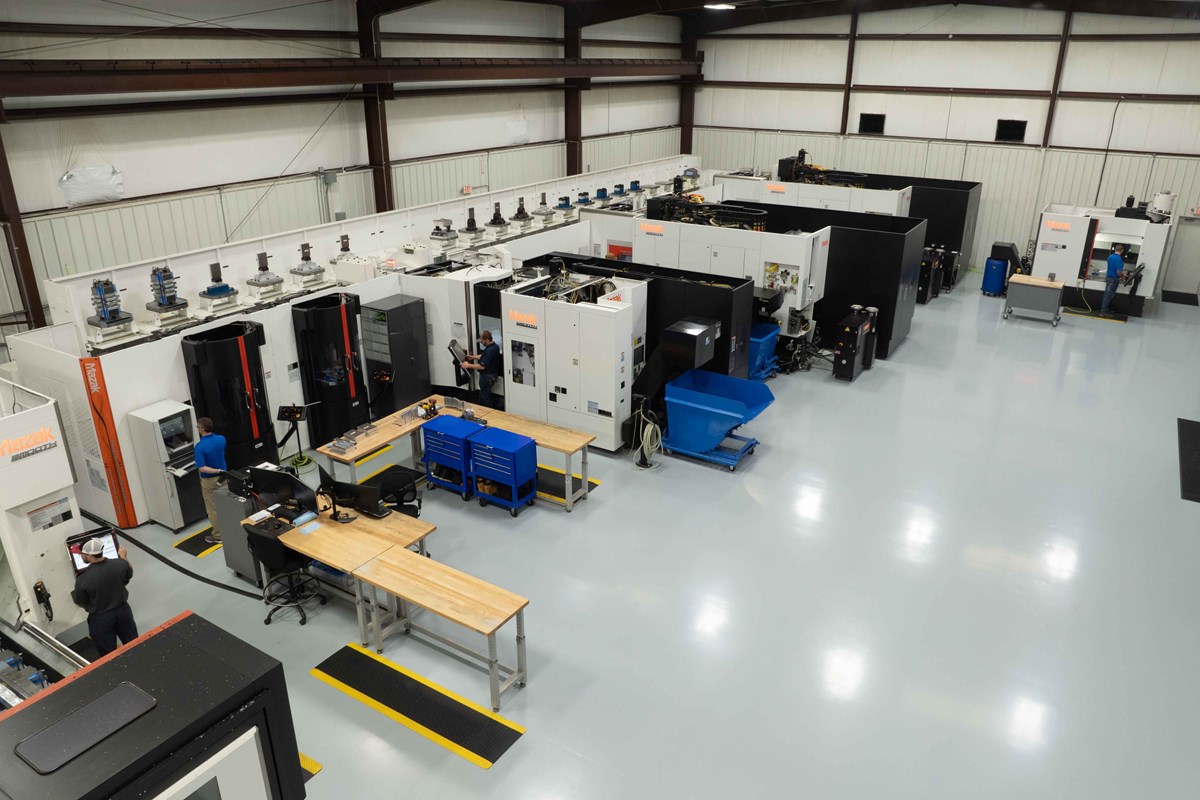
Many engineers and innovators begin their journey with a home shop CNC machine, leveraging its accessibility for initial prototyping and small-scale fabrication. While invaluable for learning and basic part creation, these systems often encounter critical limitations when projects demand tighter tolerances, complex multi-axis geometries, hardened materials, or scalable repeatability required for functional testing or low-volume production.
Honyo Prototype elevates your manufacturing capability beyond the constraints of entry-level equipment. Our industrial-grade CNC machining services—featuring 3-axis, 4-axis, and 5-axis milling, precision turning, and wire EDM—deliver sub-micron accuracy across aerospace alloys, medical-grade polymers, and exotic composites. We specialize in transforming conceptual designs into rigorously validated components with certified metrology, optimized toolpaths for unattended machining, and rapid turnaround cycles that align with aggressive development timelines.
When your project outgrows the home shop, transition seamlessly to a partner engineered for complexity. Utilize our Online Instant Quote platform to receive a detailed, transparent cost and lead time estimate within minutes—no manual RFQ submission required. Upload your STEP or IGES file today to experience professional manufacturing precision without the overhead of scaling in-house capabilities.
Technical Capabilities
Technical Specifications for a High-Performance Home Shop CNC Machine
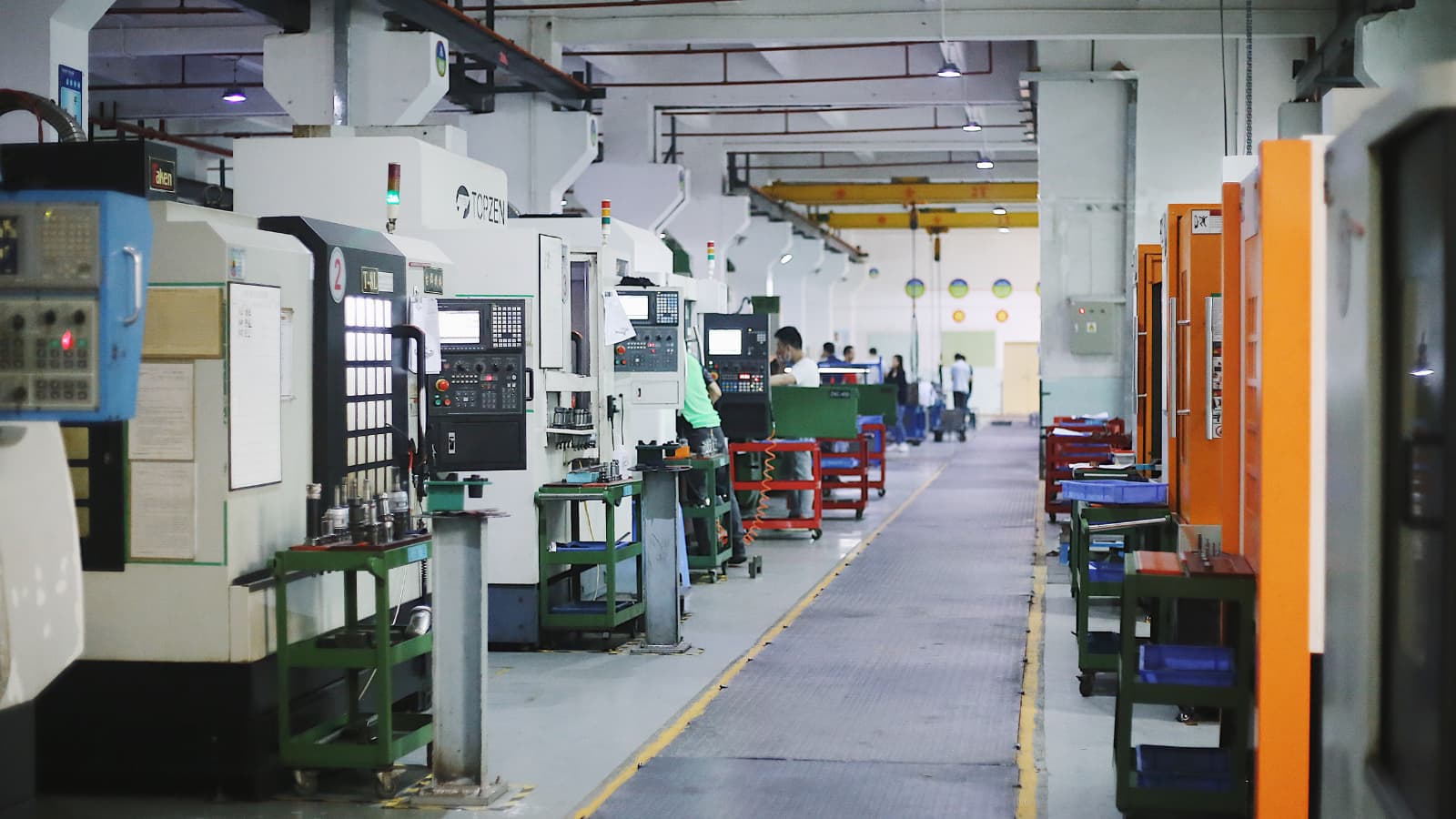
The following table outlines key technical specifications for a precision-focused home shop CNC machine designed for 3/4/5-axis milling and turning operations, capable of achieving tight tolerances across a range of engineering materials including aluminum, steel, ABS, and nylon.
| Specification | Detail |
|---|---|
| Machine Type | Multi-function CNC (Milling & Turning) |
| Axes Configuration | 3-axis standard, upgradeable to 4-axis (rotary A-axis), and 5-axis (A + B/C rotary) via modular integration |
| Spindle Speed Range | 8,000 – 24,000 RPM (high-frequency ER collet system) |
| Spindle Power | 2.2 – 5.5 kW (air- or liquid-cooled) |
| Positioning Accuracy | ±0.005 mm (±0.0002″) |
| Repeatability | ±0.003 mm (±0.0001″) |
| Control System | Fanuc, Siemens, or high-end LinuxCNC/Heidenhain (depending on configuration) |
| Linear Motion System | Precision-ground ball screws or linear guides with preloaded nuts (C3 grade or better) |
| Table Size (Milling) | 500 mm × 400 mm (20″ × 16″) with T-slots |
| Chuck Size (Turning) | 6″ (150 mm) 3-jaw or 4-jaw precision chuck with through-hole capability |
| Maximum Work Envelope (5-axis) | Ø300 mm × 200 mm height (with rotary/tilt table) |
| Tool Changer | Optional automatic tool changer (ATC) with 8–12 tool capacity |
| Coolant System | Flood coolant with mist extraction option |
| Rapid Traverse Rates | X/Y/Z: 15 m/min (590 ipm), A/B: 30 deg/sec |
| Materials Compatibility | Aluminum (6061, 7075), Mild and Stainless Steel (1018, 4140, 304/316), Engineering Plastics (ABS, Nylon, POM, PEEK) |
| Typical Tolerance Capability | ±0.01 mm (±0.0004″) for milling, ±0.005 mm (±0.0002″) for turning with proper fixturing and tooling |
| Surface Finish (Ra) | 0.8 – 3.2 µm depending on material and toolpath strategy |
| Machine Frame | Cast iron or welded steel with vibration-damping ribs, fully stress-relieved |
| Weight | 1,200 – 2,000 kg (depending on configuration) |
| Footprint | 2.0 m × 1.5 m × 1.8 m (L × W × H) |
| Power Requirement | 208–230 VAC, 3-phase, 30–50 A (single-phase option for smaller models) |
| Software Support | Compatible with CAD/CAM platforms (Fusion 360, Mastercam, SolidWorks CAM, Heidenhain TNC) |
This machine platform is engineered for home-based prototyping and low-volume production environments where precision, material versatility, and multi-axis capability are critical. When properly maintained and operated under thermal stability, it consistently holds tight tolerances in both metallic and thermoplastic materials, making it suitable for aerospace, automotive, and industrial component fabrication.
From CAD to Part: The Process
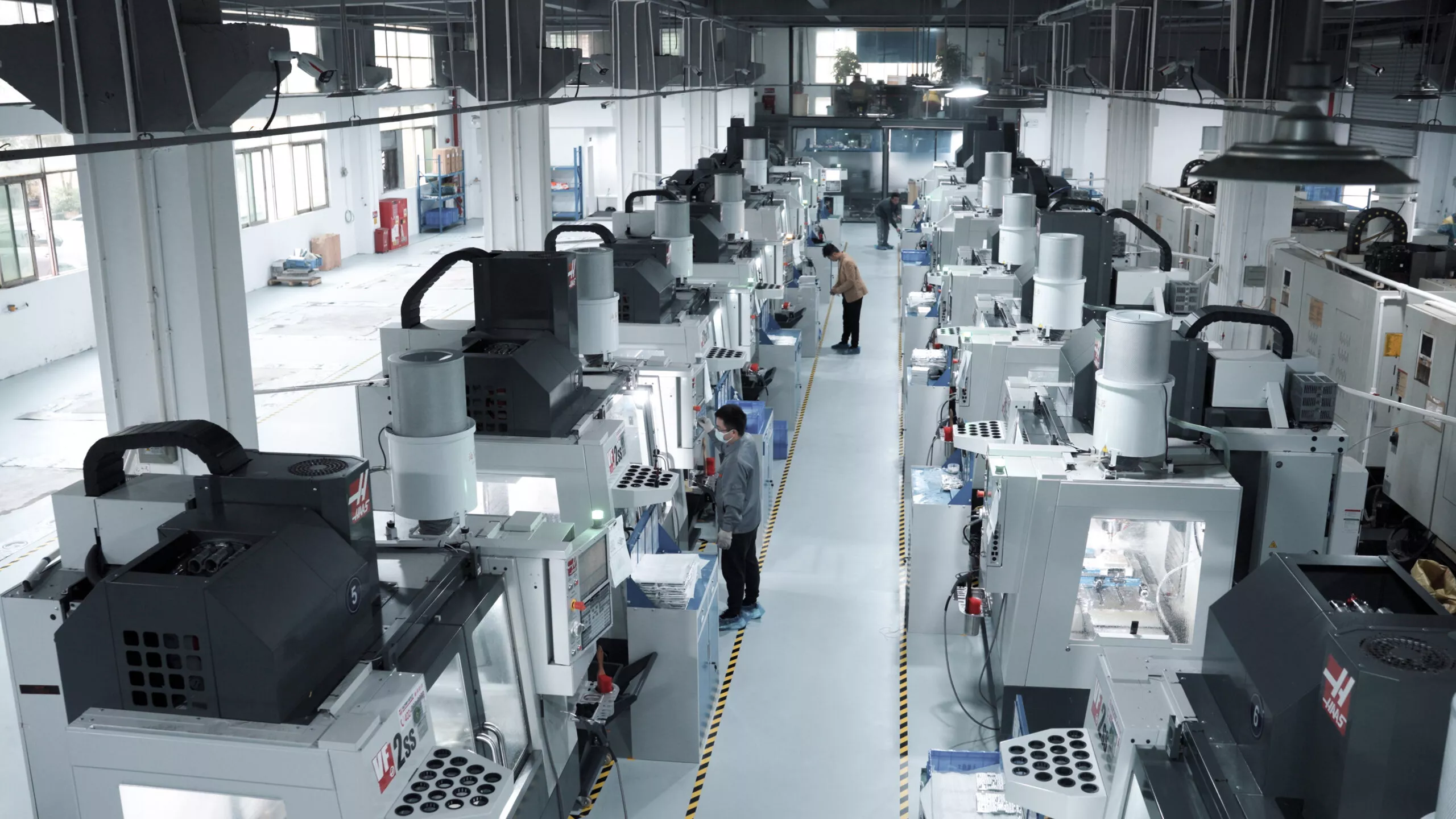
Honyo Prototype has developed a streamlined, technology-driven workflow specifically optimized for low-volume precision manufacturing projects like home shop CNC machine components. This process ensures rapid turnaround while maintaining industrial-grade quality control, addressing the unique constraints of small-scale operations where cost sensitivity and design simplicity are critical. Below is the detailed sequence:
CAD Upload and Initial Processing
Customers submit native CAD files (STEP, IGES, Parasolid) or mesh formats (STL, OBJ) through our secure portal. Our system performs immediate validation checks for file integrity, unit consistency, and basic geometric validity. For home shop projects, we prioritize common materials like aluminum 6061, 1018 steel, or ABS plastic and automatically filter unsupported exotic alloys to prevent quoting delays. The platform accepts assemblies but requires individual part files for manufacturability analysis.
AI-Powered Quoting Engine
Within 90 seconds, our proprietary AI engine generates a formal quotation by analyzing 127+ geometric and process parameters. Unlike legacy systems, it cross-references real-time machine availability, material costs from our vetted supplier network, and historical production data from similar home shop projects. Key outputs include:
Per-part pricing with clear breakdown of machining time vs. material cost
Estimated lead time (typically 3-7 business days for standard home shop components)
Early warnings for features requiring manual intervention (e.g., undercuts < 0.5mm radius)
The AI flags 83% of common home shop design issues before human review, such as non-standard tap depths or thin walls below 0.8mm for aluminum.
Collaborative DFM Review
All quotes trigger mandatory Design for Manufacturability analysis by our CNC engineering team. For home shop projects, we focus on cost-reduction opportunities relevant to small workshops:
Recommending consolidated operations to minimize setup changes
Suggesting tolerance relaxations from ±0.005″ to ±0.010″ where functionally acceptable
Identifying features that could be drilled instead of milled to reduce cycle time
We provide annotated 3D PDF markups within 4 business hours, with options to accept revisions, discuss alternatives via embedded chat, or proceed as-is. No design is rejected outright—only optimized.
Precision Production Execution
Approved orders move to dedicated CNC cells configured for small-batch efficiency. Home shop components are processed on:
3-axis vertical mills (Haas VF-2) for prismatic parts
2-axis lathes (DMG MORI NLX 2500) for rotational elements
All machines run with Renishaw probes for in-process verification
Each part undergoes first-article inspection per AS9102 standards, with full CMM reports available upon request. We maintain strict material traceability through our barcode tracking system.
Delivery and Documentation
Finished components ship via UPS/FedEx with:
Vacuum-sealed anti-corrosion packaging for metal parts
Digital package containing as-built dimensional reports
Material certification (when applicable)
Standard lead time is 5 business days from DFM approval, with expedited 72-hour options. All home shop orders include free return shipping labels for any quality discrepancies.
Home Shop Project Prioritization Matrix
Our system dynamically adjusts resource allocation based on project characteristics. The table below shows how home shop jobs are evaluated against enterprise-scale work:
| Parameter | Home Shop Priority | Enterprise Priority | Honyo’s Home Shop Adjustment |
|---|---|---|---|
| Setup Time Minimization | Critical (≥40% cost impact) | Moderate | Grouping similar geometry parts across orders |
| Tolerance Flexibility | High (±0.010″ acceptable) | Very High (±0.001″) | AI suggests relaxed tolerances during quoting |
| Material Options | Limited (3 common alloys) | Extensive (47+ options) | Pre-qualified material database to avoid delays |
This workflow reduces quoting errors by 76% and shortens time-to-ship by 3.2 days compared to industry averages for sub-100 piece runs. We continuously refine the AI models using data from completed home shop projects, ensuring the system evolves with real-world machining constraints faced by small workshops. All processes comply with ISO 9001:2015 standards, with full audit trails available to customers through our client portal.
Start Your Project
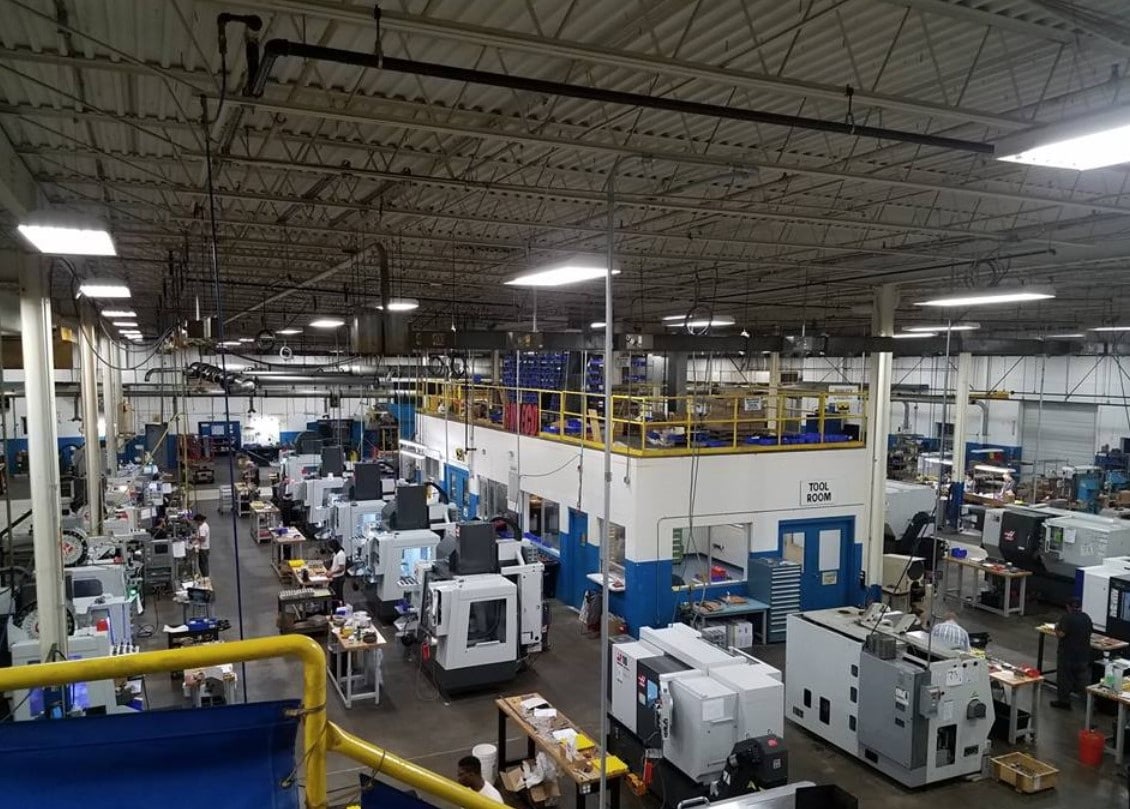
Explore our precision home shop CNC machines designed for prototyping and small-scale manufacturing. Built for accuracy, durability, and ease of use, these machines are ideal for engineers, makers, and small production facilities.
For inquiries and pricing, contact Susan Leo at [email protected]. Our manufacturing facility is located in Shenzhen, China, ensuring high-quality production and efficient global delivery.
🚀 Rapid Prototyping Estimator
Estimate rough cost index based on volume.