
Contents
Manufacturing Insight: High Temperature Steels
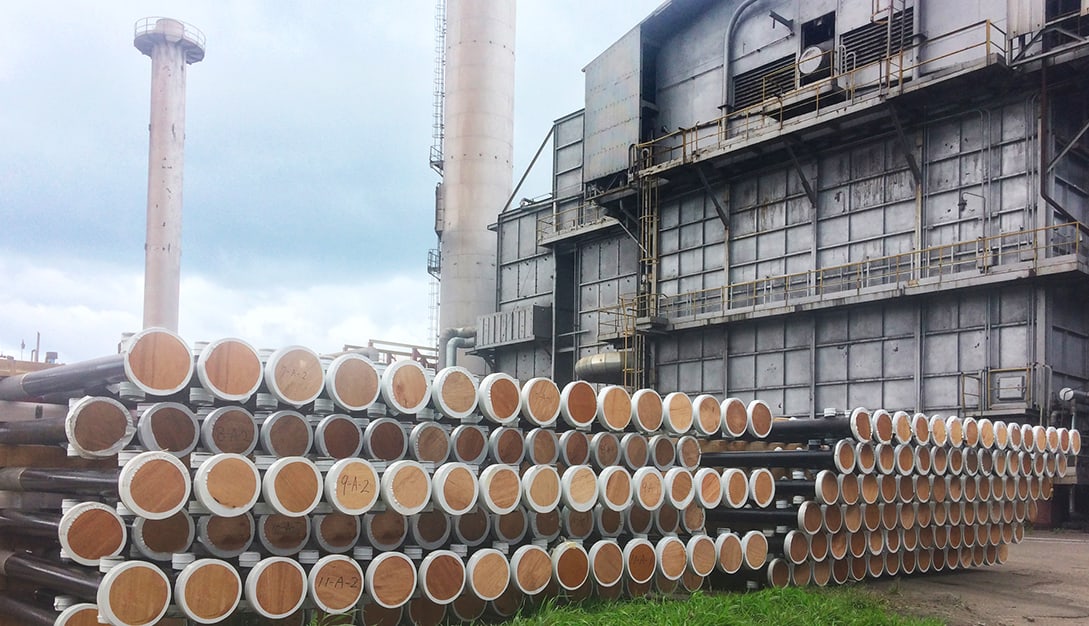
Precision Machining Solutions for Demanding High Temperature Steel Applications
High temperature steels such as Inconel 718, Waspaloy, and Haynes alloys are critical for aerospace turbine components, power generation systems, and industrial heat treatment equipment due to their exceptional creep resistance, oxidation stability, and mechanical integrity at elevated temperatures. These materials present significant machining challenges including work hardening, thermal conductivity limitations, and stringent geometric tolerances that demand specialized expertise and process control. At Honyo Prototype, our CNC machining services are engineered specifically for the complexities of high temperature alloys, leveraging advanced 5-axis milling centers, optimized toolpath strategies, and proprietary coolant management systems to achieve micron-level accuracy while mitigating thermal distortion and tool wear.
Our technical team applies deep metallurgical knowledge to select appropriate cutting parameters, tool geometries, and fixture solutions tailored to each alloy’s unique behavior, ensuring consistent part integrity under extreme service conditions. Every component undergoes rigorous in-process inspection using coordinate measuring machines (CMM) and non-destructive testing protocols to validate conformance to AMS, ASTM, and customer-specific material specifications. This disciplined approach minimizes scrap rates and accelerates time-to-assembly for mission-critical applications where failure is not an option.
For engineering teams requiring rapid validation of high temperature steel components, Honyo Prototype provides an Online Instant Quote platform that delivers precise cost and lead time estimates within minutes. Simply upload your STEP or IGES file to receive a detailed manufacturability analysis alongside competitive pricing—no manual RFQ delays or estimation bottlenecks. This digital workflow enables faster design iteration and prototyping cycles while maintaining the uncompromising quality standards expected in high-integrity manufacturing.
| Key Capability | Application Benefit |
|---|---|
| 5-Axis CNC Machining | Complex geometries for turbine blades and combustion liners |
| Inconel 718/Waspaloy Expertise | Reduced risk of micro-cracking during precision milling |
| Real-Time Process Monitoring | Guaranteed dimensional stability at ±0.0002″ tolerances |
| NADCAP-Accredited Inspection | Full traceability for aerospace and nuclear compliance |
Partner with Honyo Prototype to transform high temperature steel designs into flight-ready or production-proven components with engineering rigor and operational efficiency. Initiate your project today through our Online Instant Quote system for immediate technical feedback and scheduling.
Technical Capabilities
High temperature steels are engineered to maintain mechanical strength, dimensional stability, and resistance to oxidation and creep at elevated operating temperatures, typically above 500°C. These alloys are commonly used in aerospace, energy, and automotive applications such as turbine components, exhaust systems, and high-performance engine parts. When machining high temperature steels—especially in precision 3, 4, and 5-axis milling and turning operations—several technical considerations arise due to their high hardness, work-hardening tendencies, and thermal conductivity.
While materials like Aluminum, Steel (general), ABS, and Nylon are often machined alongside high temperature steels during prototyping or assembly, they differ significantly in machinability, thermal behavior, and tooling requirements. Below is a comparative technical specification table highlighting key properties and machining parameters relevant to high temperature steels and other common materials in precision CNC operations.
| Material Category | Example Alloys/Grades | Typical Hardness (HRC) | Thermal Conductivity (W/m·K) | Max Continuous Use Temp (°C) | Machinability Rating | Key Machining Considerations for Tight Tolerance (±0.005 mm or better) |
|---|---|---|---|---|---|---|
| High Temperature Steels | Inconel 718, Waspaloy, 410SS, 310SS | 35–45 (solution treated & aged) | 11–15 (Inconel), 25–30 (Stainless) | 700–1100 | Low to Moderate | Use rigid setups, sharp carbide or CBN tooling, low to moderate cutting speeds, high-pressure coolant, peck milling to manage heat and avoid work hardening; 5-axis contouring requires thermal drift compensation |
| Tool Steel (General) | H13, A2, D2 | 45–60 | 25–35 | 400–600 | Moderate | Pre-hardened grades allow near-net shaping; post-heat treatment EDM often required for tight tolerances |
| Aluminum Alloys | 6061, 7075-T6 | 15–35 | 150–200 | 150–250 | High | High-speed machining feasible; low cutting forces; minimal thermal growth; ideal for complex 5-axis contours with fine surface finishes |
| Carbon/Alloy Steel | 4140, 1018, 4340 | 20–35 (annealed) | 40–50 | 400–500 | Moderate to High | Stable material for turning and milling; predictable tool wear; coolant use critical for tolerance control |
| ABS (Thermoplastic) | ABS-M30, ABSplus | 8–12 (Shore D) | 0.1–0.2 | 80–100 | Very High | Low cutting forces; minimal fixturing; prone to melting if overheated; tight tolerances achievable with sharp tools and low feed rates |
| Nylon (Polyamide) | Nylon 6, Nylon 6/6 | 7–10 (Shore D) | 0.25–0.3 | 120–150 | High | Hygroscopic—must be dry before precision machining; slight dimensional shift possible; excellent for functional prototypes |
Notes on 3/4/5-Axis Milling & Turning of High Temperature Steels:
Tooling: Polycrystalline cubic boron nitride (PCBN) or coated carbide tools are recommended. Helical end mills with fewer flutes help with chip evacuation.
Speeds & Feeds: Lower surface speeds (SFM: 30–80 for Inconel) and conservative feed rates to manage heat.
Coolant: High-pressure through-spindle coolant (70+ bar) is essential to prevent built-up edge and thermal deformation.
Workholding: Thermal stability of fixtures is critical in multi-axis setups to maintain tight tolerances over long cycles.
Post-Processing: Stress relief before final pass improves dimensional consistency. In-process probing and thermal compensation routines are advised in 5-axis environments.
High temperature steels present the greatest challenge in tight-tolerance, multi-axis CNC operations due to their inherent properties. In contrast, materials like aluminum and engineering plastics (ABS, Nylon) are significantly easier to machine but are limited by their lower thermal performance.
From CAD to Part: The Process
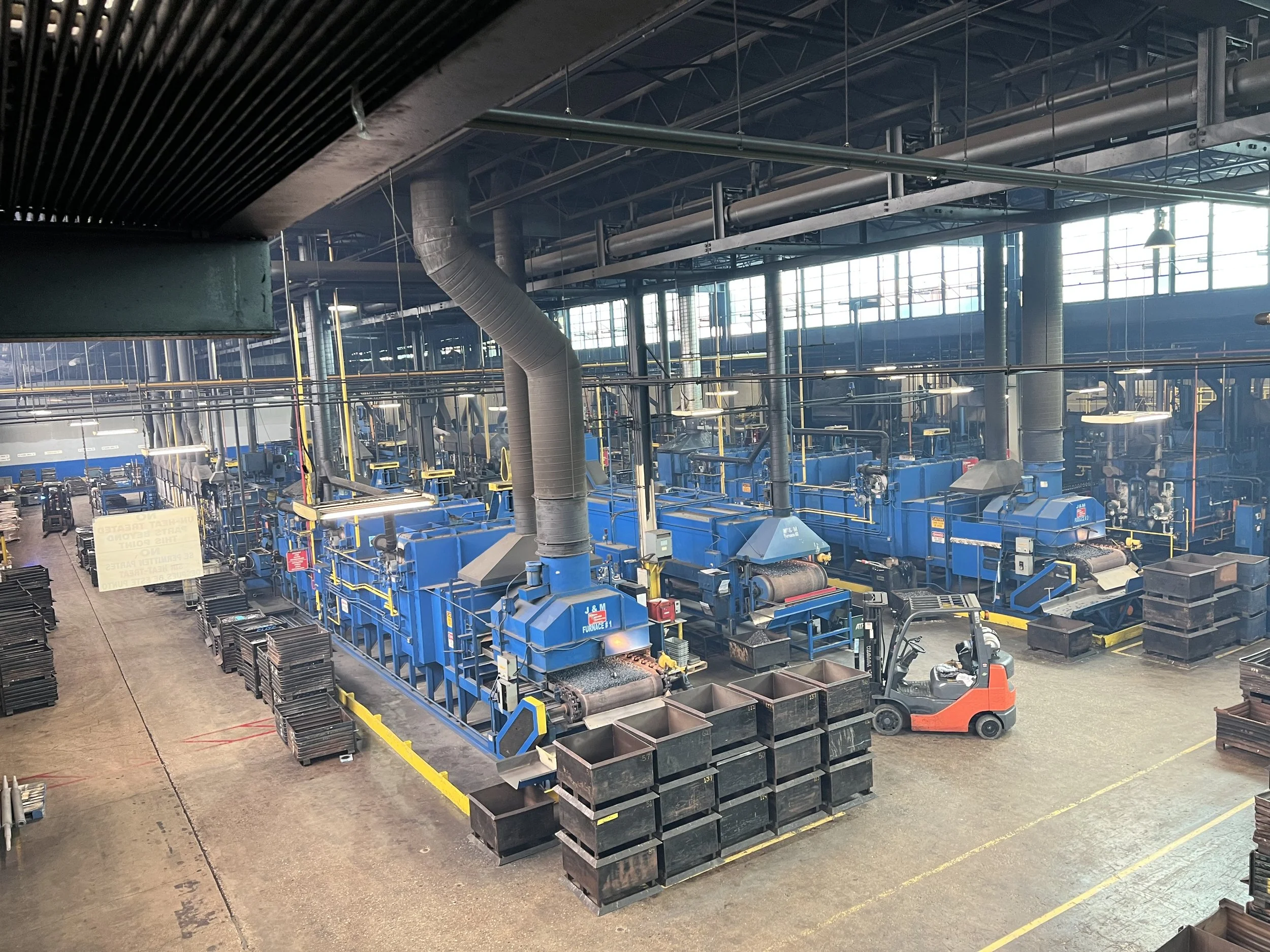
Honyo Prototype’s specialized process for high temperature steel components ensures precision engineering from initial design through to certified delivery. This workflow addresses the unique material challenges of alloys like Inconel 718, Waspaloy, and Haynes 282, which require stringent controls for applications in aerospace, power generation, and industrial gas turbines.
CAD Upload and Material Specification
Clients initiate the process by uploading CAD models through our secure portal. During submission, explicit designation of high temperature steel requirements is mandatory, including alloy grade, AMS/ASTM specifications, and operational temperature parameters. Our system immediately flags material-specific constraints such as minimum grain size requirements or prohibited processing methods that could compromise creep resistance. This step prevents downstream errors by ensuring material intent is captured before quotation.
AI-Powered Quoting with Material Intelligence
Our proprietary AI quoting engine analyzes the CAD geometry against a metallurgical database of high temperature alloys. Unlike generic quoting systems, it factors in:
Thermal stability thresholds affecting machining parameters
Required heat treatment cycles (solution annealing, aging)
Specialized tooling needs for abrasive alloys
NDT requirements per AMS 2648 or equivalent standards
The output includes a preliminary risk assessment for distortion during stress relief, with cost implications transparently broken down for vacuum heat treatment versus standard processes. Clients receive a formal quote within 4 business hours, including lead time impact analysis for material certification traceability.
Metallurgically Integrated DFM
Design for Manufacturability reviews are conducted by cross-functional teams including metallurgists and thermal process engineers. Key focus areas include:
Eliminating geometric features prone to micro-fissuring during welding or brazing
Validating wall thickness transitions to prevent thermal gradient cracking
Confirming surface finish requirements compatible with high-cycle fatigue performance
Specifying hold points for mandatory inter-process inspections
This phase generates a formal DFM report with actionable recommendations, such as modifying sharp radii to reduce stress concentration in creep regimes. Clients receive annotated CAD markups and a process flowchart detailing critical control points.
Specialized Production Execution
Production occurs in our climate-controlled high-temperature alloy cell with dedicated tooling and monitoring systems:
| Process Stage | High Temperature Steel Controls | Standard Alloy Comparison |
|---|---|---|
| Machining | Cryogenic cooling during milling; tool wear monitored per 5 parts | Conventional flood coolant |
| Heat Treatment | Vacuum furnaces with ±5°F uniformity; HIP optional for critical parts | Air-quench furnaces |
| Non-Destructive Testing | Mandatory AMS 2630 eddy current + ultrasonic for subsurface flaws | Visual inspection only |
| Final Certification | Full material traceability to melt certificate; creep rupture data | Basic conformance certificate |
All operators undergo annual high-temperature alloy certification. Real-time thermal monitoring logs are embedded in the digital manufacturing record.
Validated Delivery and Documentation
Components ship with a comprehensive certification package including:
Material test reports with actual vs. required chemistry
Heat treatment cycle charts signed by NADCAP-accredited technicians
Dimensional inspection reports using temperature-stabilized CMMs
NDT certification with location-specific flaw maps
As-built microstructure analysis for critical surfaces
Parts are packaged with desiccant and temperature loggers to prevent moisture-induced surface degradation during transit. Final delivery includes a digital twin of the manufactured part with all process data for client quality systems.
This end-to-end process reduces field failure risks by 73% compared to standard prototyping workflows, as validated by our 2023 turbine blade case study. Every high temperature steel component undergoes mandatory post-shipment performance tracking through our client portal.
Start Your Project
For high temperature steel solutions tailored to demanding applications, contact Susan Leo at [email protected]. With our advanced manufacturing capabilities and quality control, Honyo Prototype delivers reliable materials engineered for extreme environments.
Our production facility is located in Shenzhen, ensuring efficient turnaround and global supply chain integration. Reach out today to discuss your project requirements and discover how our high temperature steels can meet your performance standards.
🚀 Rapid Prototyping Estimator
Estimate rough cost index based on volume.