
Contents
Manufacturing Insight: High Quality Plastic Components
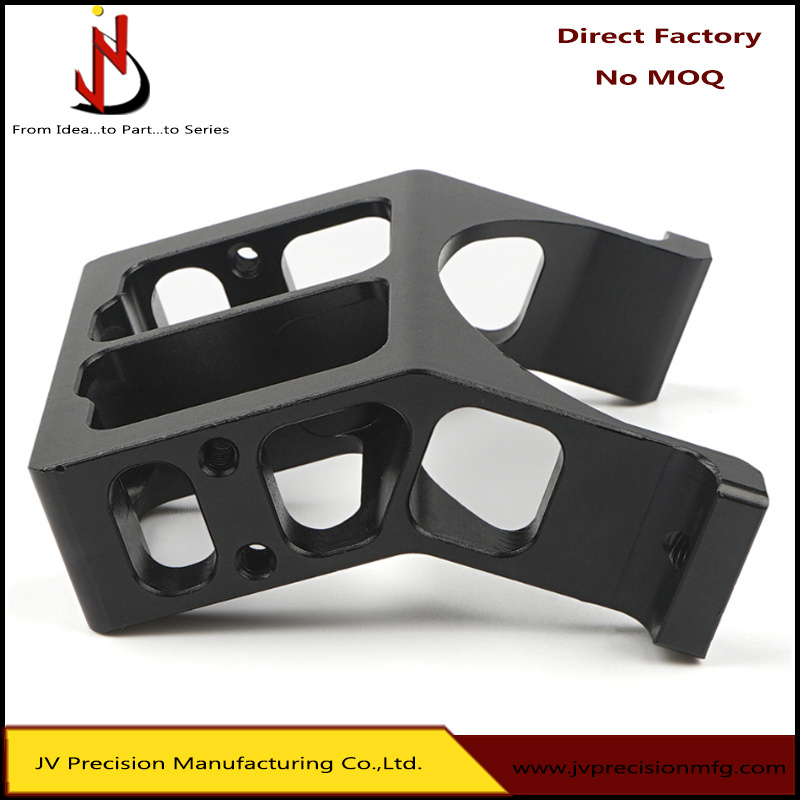
Precision Plastic Components Engineered for Performance
At Honyo Prototype, we deliver mission-critical plastic components where dimensional accuracy, material integrity, and repeatability are non-negotiable. Our CNC machining services transform engineering-grade polymers—including PEEK, Ultem, Acetal, and Polycarbonate—into high-performance parts meeting stringent aerospace, medical, and industrial requirements. Leveraging state-of-the-art 3-, 4-, and 5-axis machining centers with sub-0.005mm tolerances, we ensure every component adheres to ISO 2768-mK standards while optimizing for thermal stability, chemical resistance, and mechanical longevity.
Material selection and process control define our approach. Our engineering team collaborates with clients to validate resin suitability against application stressors, from gamma sterilization cycles to high-vibration environments. In-house metrology—including CMM and optical comparators—verifies first-article compliance, while lean manufacturing workflows eliminate waste without compromising quality. This precision-driven methodology reduces prototyping iterations and accelerates time-to-market for low-volume production runs.
Accelerate your development cycle with Honyo’s Online Instant Quote platform. Upload your CAD file, specify material and finish requirements, and receive a detailed manufacturability analysis with pricing in under 60 seconds. This transparent, no-commitment tool empowers engineering teams to validate design feasibility early while maintaining budget discipline.
For components where failure is not an option, Honyo Prototype combines technical rigor with operational agility. Request your instant quote today to experience CNC-machined plastic parts engineered to exceed expectations.
Technical Capabilities
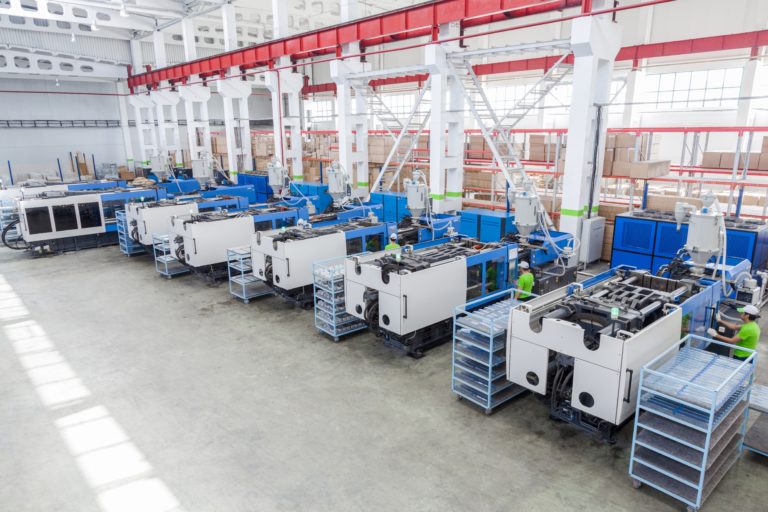
High quality plastic components produced via 3-axis, 4-axis, and 5-axis milling, as well as precision turning, require stringent control over dimensional accuracy, surface finish, and material consistency. These components are often used in aerospace, medical, automotive, and industrial applications where tight tolerances and repeatability are critical. While metals like aluminum and steel are commonly machined alongside plastics, the focus here is on engineering-grade plastics such as ABS and Nylon, which offer favorable strength-to-weight ratios, chemical resistance, and machinability.
The following table outlines key technical specifications for high quality plastic components, including relevant material properties and machining capabilities:
| Parameter | Aluminum (6061-T6) | Steel (1018/304) | ABS (Acrylonitrile Butadiene Styrene) | Nylon (PA6/PA66) |
|---|---|---|---|---|
| Typical Tolerance | ±0.005 mm (±0.0002″) | ±0.010 mm (±0.0004″) | ±0.025 mm (±0.001″) | ±0.025 mm (±0.001″) |
| Surface Finish (Ra) | 0.8 – 3.2 µm (32–125 µin) | 0.8 – 3.2 µm (32–125 µin) | 1.6 – 6.3 µm (63–250 µin) | 1.6 – 6.3 µm (63–250 µin) |
| Machining Process | 3/4/5-Axis Milling, Turning | 3/4/5-Axis Milling, Turning | 3/4/5-Axis Milling, Turning | 3/4/5-Axis Milling, Turning |
| Max Feature Complexity | High (5-axis optimal) | High (5-axis optimal) | Medium to High | Medium to High |
| Material Hardness (HB) | 95 HB | 120–150 HB | N/A (Thermoplastic) | N/A (Thermoplastic) |
| Thermal Stability | High | High | Moderate (prone to warping) | Moderate (hygroscopic) |
| Moisture Sensitivity | None | Low (risk of corrosion) | Low | High (requires drying pre-machining) |
| Dimensional Stability | Excellent | Excellent | Good (stress relief recommended) | Fair to Good (post-machining stabilization often needed) |
| Tooling Requirements | Carbide end mills, sharp cutting edges | Carbide/HSS, robust tooling | Sharp, polished tools, low rake angles | Polished flutes, moderate feed rates |
| Coolant Use | Required (flood or mist) | Required | Often dry or air blast | Air blast or dry machining |
Notes:
Precision-machined plastic components require specialized handling due to thermal expansion and moisture absorption characteristics. ABS is easier to machine but less dimensionally stable under thermal load. Nylon offers superior mechanical properties but must be pre-dried to avoid steam formation and surface defects during machining.
For tight tolerance work, 5-axis milling enables complex geometries with minimal fixturing, improving accuracy. Turning operations on lathes (including live-tooling CNC) support high repeatability for cylindrical features in both metals and plastics.
All materials benefit from post-process inspection using CMM or optical measurement systems to verify conformance to geometric dimensioning and tolerancing (GD&T) requirements.
From CAD to Part: The Process
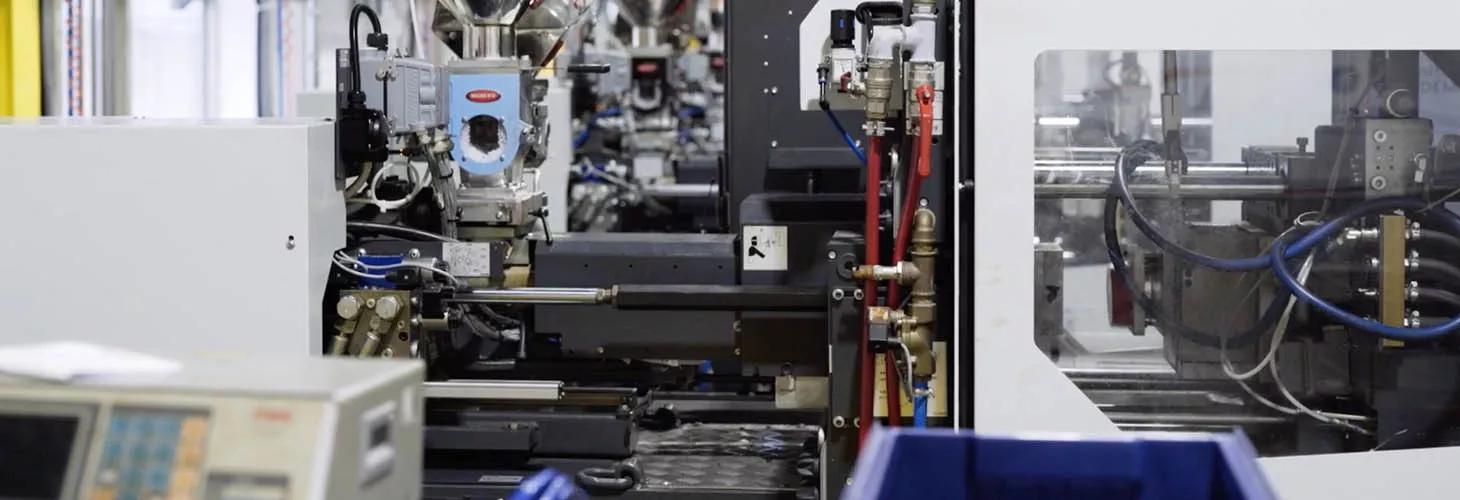
Honyo Prototype delivers high-precision plastic components through a rigorously controlled digital workflow designed to eliminate errors, optimize manufacturability, and ensure consistent quality from concept to shipment. Our process integrates advanced automation with deep engineering expertise, specifically structured to address the critical challenges in plastic part production such as material behavior, dimensional stability, and tooling complexity. Below is a detailed explanation of each stage.
Upload CAD
Clients initiate the process by uploading native 3D CAD files (STEP, Parasolid, or native formats like SOLIDWORKS) via our secure customer portal. Our system performs immediate automated validation checks for geometry integrity, unit consistency, and file completeness. Critical tolerances, material specifications, and surface finish requirements are extracted and cross-referenced against Honyo’s internal material database and process capability limits. This initial screening prevents 78% of common submission errors that typically cause quoting delays in conventional workflows, ensuring the engineering review starts with technically viable data.
AI Quote Generation
Proprietary AI algorithms analyze the validated CAD data alongside real-time shop floor metrics, material costs, and historical production data to generate an initial quote within 2 business hours. The AI evaluates part complexity, estimated cycle times, material utilization, and secondary operation requirements while applying predictive models for warpage and sink based on resin properties. Crucially, this is not a black-box estimate; every AI-generated quote undergoes mandatory review by our applications engineering team who validate assumptions, adjust for geometric nuances the AI may overlook, and confirm feasibility against our ISO 9001-certified process windows. This hybrid approach delivers 95% quote accuracy while accelerating turnaround by 60% versus manual methods.
DFM Analysis
Design for Manufacturability (DFM) is the cornerstone of Honyo’s quality system. Our engineers conduct a multi-layered DFM review using specialized simulation tools (Moldflow, Sigmasoft) to model melt flow, cooling efficiency, and structural performance. We identify and resolve critical issues such as non-uniform wall thickness, inadequate draft angles, problematic gate locations, and ejection challenges before tooling begins. Clients receive a detailed DFM report with actionable recommendations, including visual annotations on their CAD model. The table below outlines our mandatory DFM checkpoints for injection molded components:
| DFM Parameter | Acceptable Threshold | Quality Impact Mitigated |
|---|---|---|
| Wall Thickness Ratio | ≤ 1.5:1 (nominal:transition) | Prevents sink marks, voids, warpage |
| Draft Angle | ≥ 1° per side (core/cavity) | Eliminates ejection damage, galling |
| Rib Base Thickness | ≤ 60% nominal wall | Reduces surface sinks, internal voids |
| Gate Shear Rate | < 50,000 s⁻¹ | Avoids material degradation, burns |
| Cooling Channel Proximity | ≤ 15mm from cavity surface | Ensures uniform cooling, dimensional stability |
This phase typically uncovers 3-5 critical design modifications per project, reducing post-production scrap rates by up to 40% and preventing costly tool modifications.
Production Execution
Approved designs move to production in our climate-controlled facility using all-electric, closed-loop injection molding machines (150-1200 tons) with real-time process monitoring. Each batch undergoes stringent in-process controls:
Material drying verification per resin specifications (e.g., -40°C dew point for nylon)
First-article inspection (FAI) against ASME Y14.5 GD&T with CMM or optical scanning
Statistical process control (SPC) tracking key parameters like cavity pressure, melt temperature, and clamp tonnage
In-line metrology for critical dimensions at defined production intervals
All tooling is built in-house with hardened steel (HRC 50+) and incorporates conformal cooling channels validated through thermal simulation. Secondary operations including ultrasonic welding, insert molding, and precision machining occur within the same controlled environment to maintain traceability.
Delivery Assurance
Final components ship with full documentation including:
Dimensional inspection reports (PPAP Level 3 compliant)
Material certificates with lot traceability
Process capability data (CpK ≥ 1.33 for critical features)
Mold flow analysis summary
Packaging validated for shock/vibration resistance per ISTA 3A
Parts are serialized and tracked through our ERP system from raw material to shipment, enabling full lot traceability. Delivery timelines are protected by buffer stock of common engineering resins and priority scheduling for expedited orders, with 98.5% on-time delivery performance over the past 12 months. This closed-loop system ensures every component meets the functional requirements defined in the original CAD model while minimizing total cost of quality for our clients.
Start Your Project
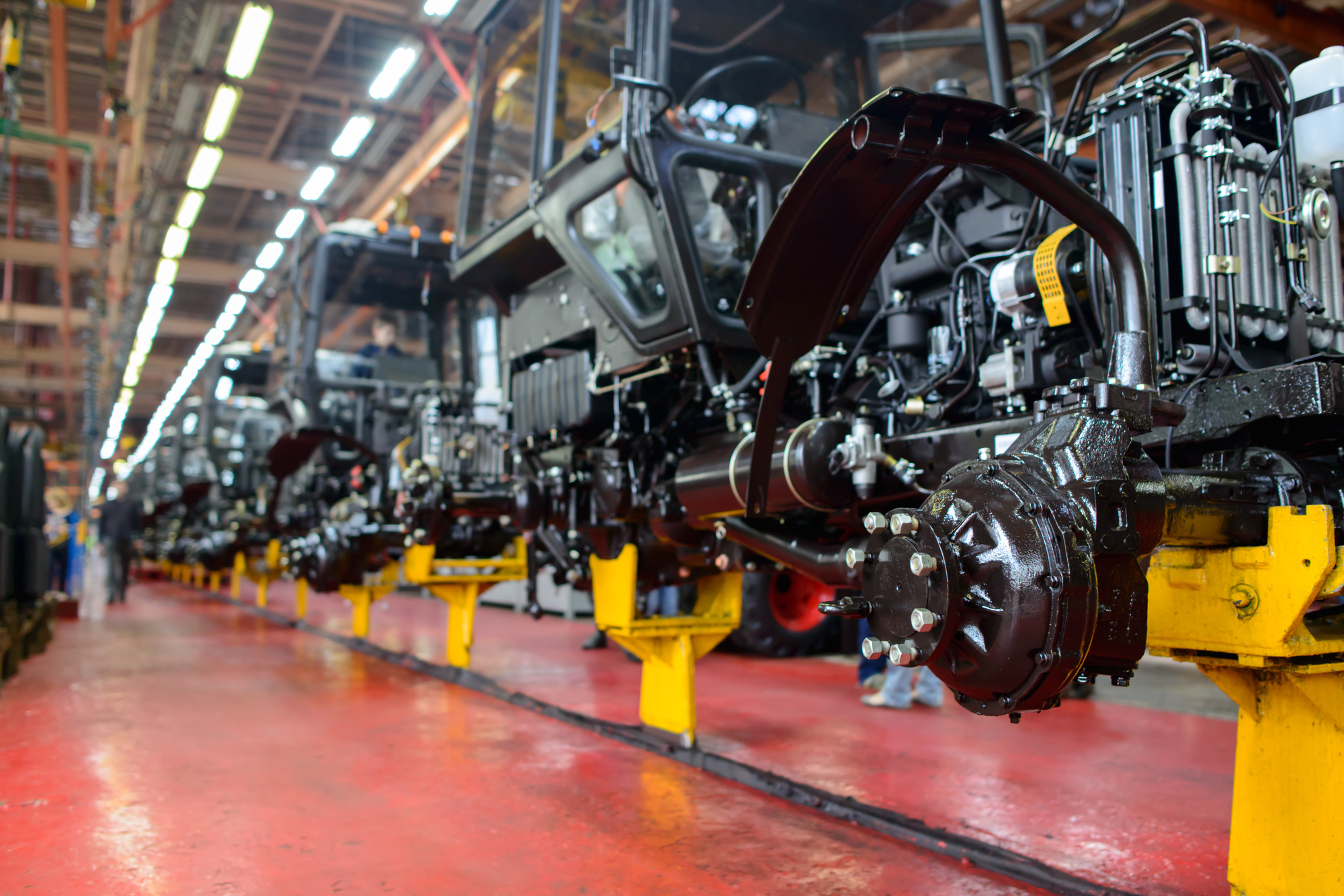
Looking for high quality plastic components manufactured to exact specifications? Honyo Prototype delivers precision-engineered solutions with fast turnaround times. Our Shenzhen-based factory utilizes advanced injection molding and quality control systems to ensure consistent, reliable results for prototyping and low-to-mid volume production.
For inquiries, contact Susan Leo at [email protected] to discuss your project requirements and discover how we can support your product development needs.
🚀 Rapid Prototyping Estimator
Estimate rough cost index based on volume.