
Contents
Manufacturing Insight: High Carbon Spring Steel
High Carbon Spring Steel Machining Expertise at Honyo Prototype
High carbon spring steel, characterized by its exceptional tensile strength, fatigue resistance, and elastic limit, is a critical material for demanding applications in automotive suspensions, industrial machinery, and precision tools. Successfully machining components from grades like 1070, 1080, or 6150 requires specialized expertise to manage work hardening, maintain dimensional stability, and achieve the tight tolerances essential for reliable spring performance.
Honyo Prototype delivers precision CNC machining services specifically optimized for high carbon spring steel. Our engineering team leverages advanced multi-axis CNC centers, rigorously controlled cutting parameters, and proprietary toolpath strategies to minimize stress induction and surface defects. We consistently achieve tolerances down to ±0.005mm while preserving the material’s critical mechanical properties, ensuring your springs perform reliably under cyclic loading.
Accelerate your prototyping and low-volume production with Honyo Prototype’s Online Instant Quote system. Simply upload your spring steel part CAD file to receive a detailed, time-stamped quotation within minutes—no manual submission delays. Our transparent pricing includes material sourcing, precision machining, and secondary operations, empowering engineers to make rapid, data-driven sourcing decisions.
For mission-critical spring components where material integrity and geometric precision are non-negotiable, Honyo Prototype provides the technical execution and quoting agility your project demands. Upload your design today to experience seamless high-carbon steel machining.
Technical Capabilities
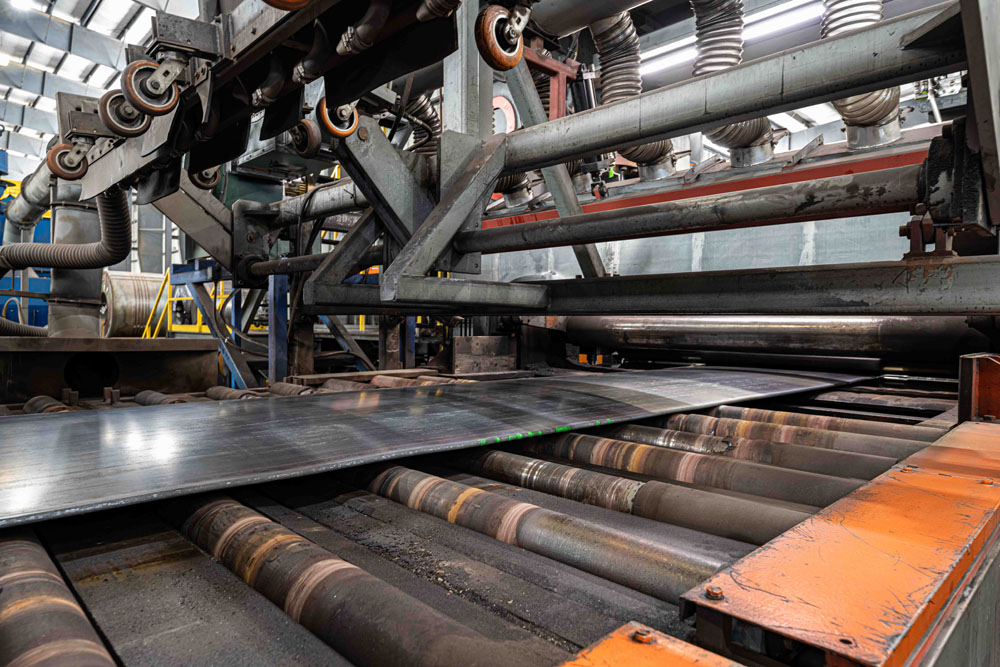
High carbon spring steel is a specialized category of steel alloy designed for high strength, excellent fatigue resistance, and the ability to retain shape under repeated stress—making it ideal for spring applications and precision components requiring durability. When machining high carbon spring steel—particularly in demanding operations such as 3-axis, 4-axis, and 5-axis milling and turning—specific technical considerations must be addressed to achieve tight tolerances (typically ±0.0005″ to ±0.005″, depending on part geometry and application).
Compared to materials like aluminum, mild steel, ABS, and nylon, high carbon spring steel presents greater challenges due to its hardness, work-hardening tendency, and higher cutting forces. Proper tooling, speeds and feeds, fixturing, and thermal management are critical to maintaining dimensional accuracy and surface integrity.
Below is a comparative technical overview of high carbon spring steel and other common materials in the context of precision CNC machining:
| Material | Typical Composition | Hardness (HB) | Machinability Rating | Max Achievable Tolerance (±”) | Recommended Tooling | Notes for 3/4/5-Axis Milling & Turning |
|---|---|---|---|---|---|---|
| High Carbon Spring Steel (e.g., 1075, 1095, 6150) | C: 0.60–1.05%, Mn: 0.60–0.90%, Si: 1.5–2.0%; Cr/V in alloyed grades | 200–300 HB (annealed); up to 500 HB (heat-treated) | Low (30–45% relative to free-cutting steel) | 0.0005″ – 0.002″ | Carbide or CBN inserts; coated end mills; rigid tool holders | Requires low to moderate cutting speeds, high feed rates, rigid setups; pre-heat treatment (annealed) preferred for tight tolerance work; post-machining heat treatment may distort dimensions; stress-relieving recommended |
| Aluminum (e.g., 6061, 7075) | Al-Mg-Si or Al-Zn-Mg-Cu alloys | 95–150 HB | High (Machinability ~100–150%) | 0.0005″ – 0.001″ | Carbide or diamond-coated tools; high helix end mills | Excellent for high-speed 5-axis milling; low cutting forces; minimal thermal distortion; ideal for complex, tight-tolerance geometries |
| Mild/Carbon Steel (e.g., 1018, 1045) | C: 0.18–0.45%; low alloy content | 120–220 HB | Moderate (50–70%) | 0.001″ – 0.003″ | Carbide or HSS tooling; general-purpose inserts | Balanced machinability; suitable for precision turning and milling; less prone to work hardening than spring steel |
| ABS (Acrylonitrile Butadiene Styrene) | Thermoplastic polymer | 90–100 HB (Shore D ~70–80) | High (with proper chip control) | 0.002″ – 0.005″ | Sharp carbide tools; high rake angles; polished flutes | Low melting point; requires low RPM and high feed to avoid melting; minimal clamping force; good for rapid prototyping |
| Nylon (Polyamide, e.g., PA6, PA66) | Thermoplastic polyamide | 80–90 HB (Shore D ~70) | Moderate to High | 0.002″ – 0.005″ | Sharp, polished carbide tools; low cutting forces | Prone to moisture absorption and dimensional change; requires dry material; excellent wear resistance but challenging for micron-level tolerances |
Key Considerations for High Carbon Spring Steel in Precision Machining:
Pre-Machining Heat Treatment: Often supplied annealed to improve machinability. Final heat treatment (quench & temper) should follow rough machining to minimize distortion.
Tool Life Management: High abrasiveness and work hardening reduce tool life. Use PVD/TiAlN-coated carbide tools for extended performance.
Thermal Control: Use flood coolant or high-pressure through-tool coolant to reduce thermal expansion and maintain dimensional stability.
Fixturing & Rigidity: Critical for tight tolerance work. Use hydraulic or mechanical clamping with minimal overhang to reduce chatter.
5-Axis Strategies: Leverage tilting to maintain optimal tool engagement and reduce side loading, especially in deep cavities or complex contours.
In summary, while high carbon spring steel is more difficult to machine than aluminum, mild steel, or engineering plastics like ABS and nylon, it is essential for high-stress applications. Success in tight tolerance 3/4/5-axis operations depends on meticulous process planning, appropriate tooling, and post-machining thermal management.
From CAD to Part: The Process
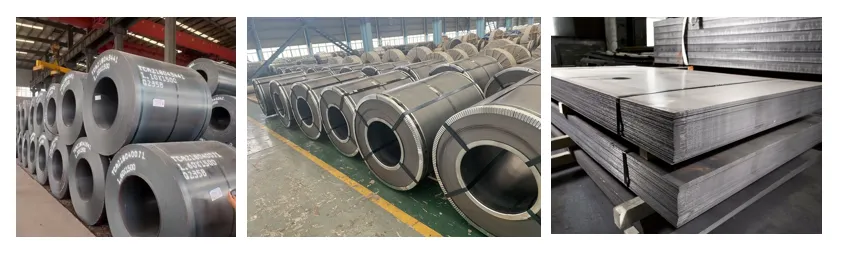
Honyo Prototype High Carbon Spring Steel Manufacturing Process
Honyo Prototype executes a rigorous, integrated workflow for high carbon spring steel components, ensuring material integrity and functional performance. The process begins with CAD Upload, where clients submit detailed 3D models adhering to ISO 10303-21 standards. For high carbon spring steel (e.g., grades 1070, 1095, or 6150), we require explicit annotations for critical features such as fillet radii, surface finish (Ra ≤ 1.6 µm), and geometric tolerances. This prevents stress concentrations that could compromise spring fatigue life.
Following CAD validation, the AI Quote Engine generates an initial cost and timeline estimate. The AI cross-references material specifications against our proprietary database of spring steel behavior, accounting for factors like carbon content (0.60–1.05%), hardenability, and susceptibility to decarburization. It flags deviations from optimal design practices—such as inadequate draft angles for coining operations—and outputs a preliminary quote within 2 hours. Crucially, all AI outputs undergo manual review by our materials engineering team to verify thermal treatment feasibility and tooling requirements.
The DFM (Design for Manufacturability) Phase is where Honyo adds significant value. Our engineers conduct a deep-dive analysis focused on spring steel’s unique challenges:
Evaluating heat treatment sequencing to prevent distortion (e.g., recommending subcritical annealing before machining)
Validating hardness targets (typically 45–55 HRC post-tempering) against section thickness
Proposing stress-relief steps to mitigate hydrogen embrittlement risks
Optimizing toolpaths to reduce tool wear from high carbon steel’s abrasive nature
Clients receive a formal DFM report with actionable revisions, including tolerance stack-up analysis for critical dimensions like free length and outer diameter.
Production initiates only after client sign-off on DFM recommendations. For high carbon spring steel, this phase follows a strict sequence:
1. Material certification verification against ASTM A689 (chemical composition and hardness)
2. Precision machining using carbide tooling with reduced feed rates to minimize work hardening
3. Controlled atmosphere heat treatment: Austenitizing at 780–820°C, oil quenching, and tempering at 350–450°C
4. 100% in-process hardness testing per ASTM E18 and geometric validation via CMM
5. Optional shot peening to induce compressive surface stresses, extending fatigue life
Delivery includes comprehensive documentation: Material test reports (MTRs) with actual carbon content and tensile strength, first-article inspection data, and traceability records linking each component to its heat-treated batch. All springs undergo final load testing per ISO 11891 to confirm rate deviation remains within ±5%. Standard lead time is 12–15 business days from DFM approval, with expedited options for critical applications.
This end-to-end process ensures Honyo delivers high carbon spring steel parts that meet stringent performance demands in automotive, aerospace, and industrial machinery applications. Material-specific controls at every stage mitigate risks like micro-cracking or premature failure, directly translating to client product reliability.
Start Your Project
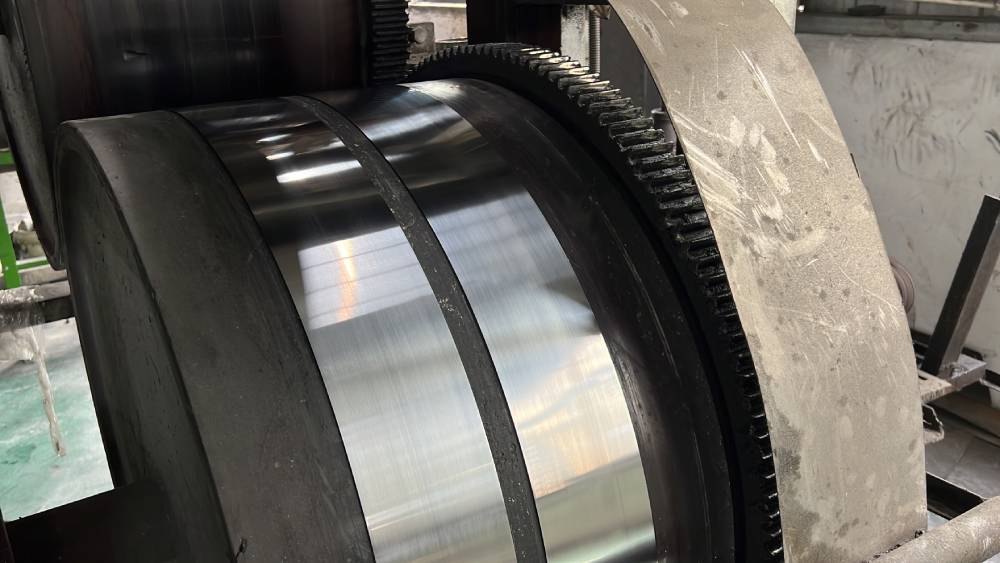
Looking for high carbon spring steel for your next precision component or prototype? Honyo Prototype offers reliable material sourcing and expert manufacturing support with our in-house facility in Shenzhen.
For material specifications or project inquiries, contact Susan Leo at [email protected]. Let us help you build durable, high-performance parts with the right material foundation.
🚀 Rapid Prototyping Estimator
Estimate rough cost index based on volume.