
Contents
Manufacturing Insight: Heat Resistant Steels
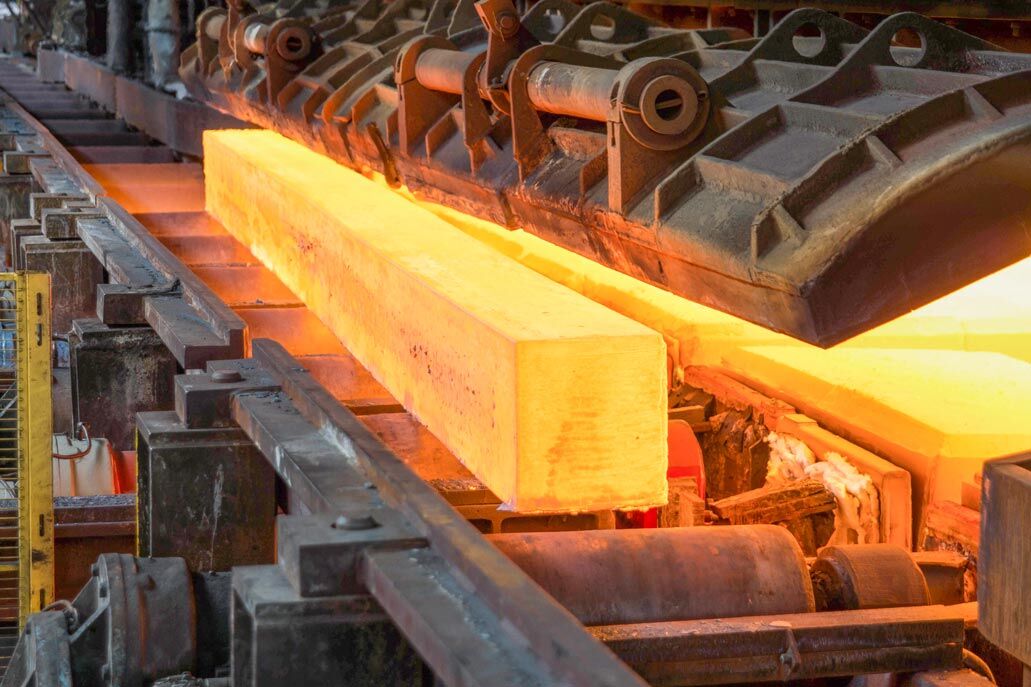
Precision Machining for Demanding Heat Resistant Steel Applications
Heat resistant steels, including alloys such as 410SS, 440C, 17-4 PH, and A286, are critical for components operating in extreme thermal environments across aerospace, energy, and industrial sectors. These materials maintain structural integrity and corrosion resistance at elevated temperatures but present significant machining challenges due to work hardening, thermal conductivity limitations, and abrasive wear on cutting tools. Achieving tight tolerances and superior surface finishes requires specialized expertise and optimized CNC processes to prevent deformation, tool failure, or material property degradation during fabrication.
At Honyo Prototype, our advanced CNC machining capabilities are engineered specifically for high-performance alloys. Our multi-axis milling and turning centers, combined with proprietary toolpath strategies and coolant management systems, ensure dimensional accuracy and repeatability even in the most demanding heat-resistant steel applications. We leverage real-time in-process monitoring and material-specific cutting parameters to mitigate thermal distortion and maintain metallurgical integrity throughout production.
Common Heat Resistant Steel Alloys We Machine
| Alloy Type | Key Properties | Typical Applications |
|---|---|---|
| 17-4 PH | High strength, corrosion resistance | Turbine blades, fasteners |
| A286 | Excellent creep resistance up to 700°C | Jet engine components, valves |
| 440C | Extreme hardness, wear resistance | Bearings, surgical instruments |
| Inconel 718 | Superior oxidation resistance | Combustion chambers, rocket parts |
Partner with Honyo Prototype to transform your heat-resistant steel designs into mission-critical components with uncompromised precision. Utilize our Online Instant Quote platform for rapid, transparent pricing on CNC-machined prototypes and low-volume production runs—accelerating your development cycle without sacrificing quality. Submit your CAD files today to receive a detailed manufacturability analysis and competitive quote within hours.
Technical Capabilities
Heat resistant steels are high-performance alloys engineered to maintain structural integrity and mechanical properties at elevated temperatures. These materials are commonly used in aerospace, power generation, and automotive industries—particularly in turbine components, exhaust systems, and high-temperature tooling. When machining heat resistant steels such as Inconel, Waspaloy, or 17-4 PH stainless steel, advanced CNC capabilities including 3/4/5-axis milling and precision turning are essential due to their high strength, work-hardening behavior, and thermal resistance.
Machining these materials to tight tolerances (±0.005 mm or tighter) requires rigid setups, specialized cutting tools (e.g., carbide or ceramic inserts), optimized coolant strategies, and precise toolpath programming to manage heat buildup and tool wear. While heat resistant steels present the greatest machining challenge, comparative data across other common prototype materials—aluminum, carbon steel, ABS, and nylon—helps illustrate relative machinability, thermal behavior, and dimensional stability.
The following table outlines key technical characteristics relevant to multi-axis milling and turning operations under tight tolerance requirements:
| Material | Typical Machining Process | Thermal Resistance (°C) | Hardness (HRC) | Machinability Rating | Dimensional Stability (Tight Tolerance Suitability) | Notes for CNC Machining |
|---|---|---|---|---|---|---|
| Heat Resistant Steel (e.g., Inconel 718) | 4/5-Axis Milling, Precision Turning | 700–1000 | 35–45 | Low (30% relative to free-machining steel) | High at elevated temperatures | Requires slow speeds, high torque, and rigid setups; prone to work hardening; use of coolant and sharp, wear-resistant tools essential |
| Tool Steel (e.g., H13) | 3/4-Axis Milling, Turning | 500–600 | 40–52 | Moderate | High | Pre-hardened versions reduce post-machining distortion; suitable for high-temp tooling |
| Aluminum (e.g., 6061-T6) | 3/4/5-Axis Milling, High-Speed Turning | 150–200 | 15–20 | High | Moderate to High | Excellent for high-speed machining; low cutting forces; ideal for complex geometries and tight tolerances with proper fixturing |
| Carbon Steel (e.g., 1045) | 3/4-Axis Milling, Turning | 250–300 | 25–30 | Moderate | High | Predictable chip formation; compatible with standard tooling; good for precision shafts and fixtures |
| ABS | 3-Axis Milling, Light Turning | 80–100 | <10 | High | Low to Moderate | Prone to melting and burring; requires sharp tools, high RPM, low feed; not suitable for high thermal environments |
| Nylon (e.g., PA6) | 3-Axis Milling, Turning | 120–150 | 8–12 | Moderate | Low | High creep and moisture absorption; needs minimal clamping force; challenging for sub-0.025 mm tolerances |
Summary for Manufacturing Context at Honyo Prototype:
For tight tolerance components requiring thermal stability, heat resistant steels are optimal but demand advanced 4/5-axis CNC platforms with high-torque spindles and real-time tool monitoring. In contrast, aluminum offers faster turnaround and excellent precision for non-high-temp applications. ABS and nylon are suitable for functional prototypes but are limited in thermal and dimensional performance. Steel materials like 1045 or H13 provide a balance between machinability and durability, while Inconel and similar alloys require specialized process planning to achieve specified tolerances without tool failure or part rejection.
From CAD to Part: The Process
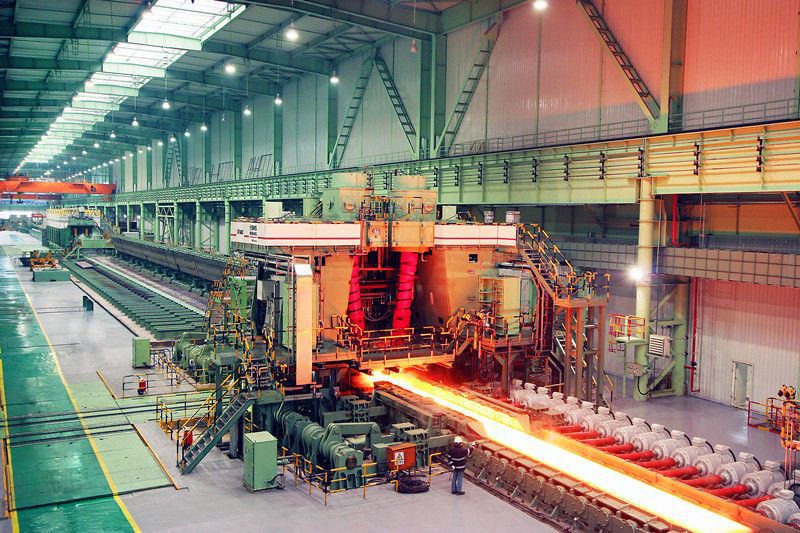
Honyo Prototype Heat Resistant Steel Manufacturing Process Overview
Honyo Prototype specializes in precision manufacturing of components using heat resistant steels such as Inconel 718, Haynes 282, and custom nickel-based superalloys. These materials demand stringent process controls due to challenges like work hardening, low thermal conductivity, and sensitivity to thermal cycling. Our integrated workflow ensures technical feasibility, cost efficiency, and on-time delivery for mission-critical applications.
CAD Upload and Material Specification Validation
Clients initiate the process by uploading 3D CAD models via our secure portal. Our engineering team immediately verifies material specifications against ASTM/AMS standards and cross-references the design against our material database. For heat resistant steels, we confirm critical parameters including grain size requirements, permissible trace elements, and thermal treatment history. Any discrepancies in material callouts or geometric features incompatible with high-temperature alloys trigger an automated notification for client consultation prior to quoting.
AI-Powered Quoting with Material Intelligence
Our AI quotation engine analyzes the CAD geometry while incorporating material-specific cost drivers unique to heat resistant steels. The system evaluates factors such as:
| Parameter | Impact on Quoting for Heat Resistant Steels |
|---|---|
| Machining Time | 3-5x longer than 304 stainless due to low thermal conductivity and work hardening |
| Tool Wear Compensation | Premium carbide or ceramic tooling costs factored at 2.5x standard rates |
| Heat Treatment Complexity | Solution annealing + aging cycles add 15-25% to base cost |
| NDT Requirements | Mandatory penetrant testing or ultrasonic inspection per AMS 2644/2648 |
The AI generates a technically validated quote within 4 business hours, including explicit notes on material sourcing lead times (typically 10-14 days for certified superalloy stock) and regulatory compliance documentation.
Material-Centric DFM Analysis
Our DFM review focuses on heat resistant steel-specific failure modes. Engineers assess: geometric features prone to thermal distortion during welding or heat treatment, minimum radii to prevent stress cracking at elevated temperatures, and surface finish requirements affecting oxidation resistance. We provide actionable recommendations such as modifying sharp internal corners to R0.8mm minimum or suggesting alternative fixturing to minimize residual stresses. All DFM feedback includes metallurgical justification referencing ASM Handbook Vol. 16 guidelines. Clients receive a collaborative portal to approve revisions or discuss trade-offs with our materials scientists.
Precision Production with Thermal Process Control
Manufacturing occurs in our climate-controlled facility with dedicated cells for reactive alloys. Key protocols include:
Machining employs rigid toolpaths at reduced RPMs with high-pressure coolant to manage heat generation. All operations maintain strict temperature logs to prevent localized annealing. Heat treatment follows AMS 5662/5664 specifications with in-process quench monitoring. Final inspection includes hardness mapping at multiple thermal exposure points and dimensional verification at both ambient and elevated temperatures (simulating service conditions up to 1000°C). Each lot receives full material traceability from mill certificate through final test reports.
Certified Delivery and Documentation Package
Components ship with an exhaustive compliance dossier including: material test reports (MTRs) with traceable heat numbers, NDT certification, dimensional inspection reports against ASME Y14.5, and thermal cycle validation data. For aerospace clients, we provide EASA Form 1 or FAA 8130-3 documentation. All parts undergo final cleaning per ASTM A380 to remove embedded contaminants that could compromise oxidation resistance. Standard delivery includes 48-hour shipment notification with real-time logistics tracking; expedited options maintain full process integrity through our priority thermal alloy production lane.
This end-to-end process ensures heat resistant steel components meet the extreme performance demands of power generation, aerospace, and chemical processing applications while minimizing time-to-market through embedded material science expertise.
Start Your Project
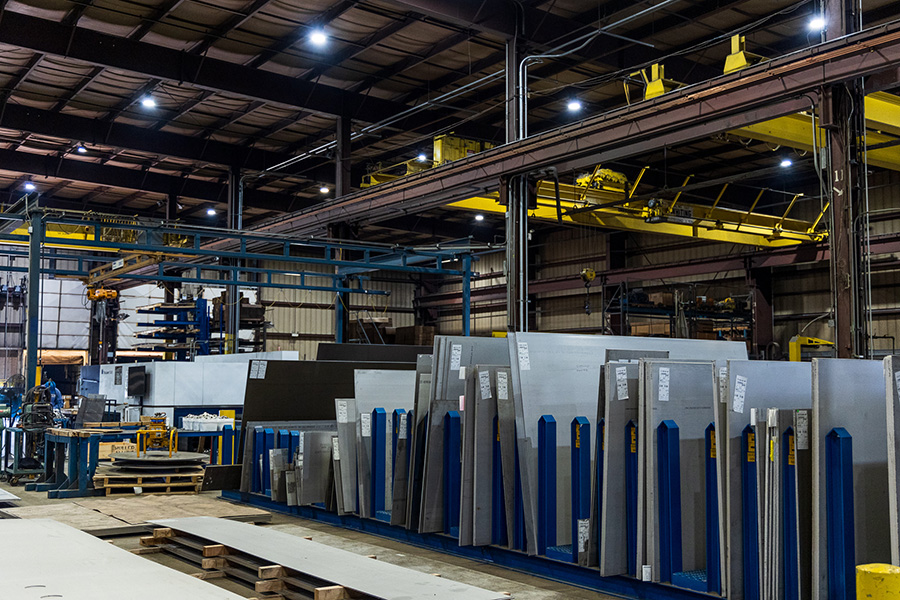
For high-performance heat resistant steels tailored to demanding industrial applications, partner with Honyo Prototype. Our advanced material solutions are engineered for durability under extreme temperatures, ideal for aerospace, energy, and automotive sectors.
Contact Susan Leo at [email protected] to discuss your project requirements. With our state-of-the-art manufacturing facility located in Shenzhen, we deliver precision-engineered components with fast turnaround and strict quality control. Trust Honyo Prototype for reliable, scalable production of heat resistant steel parts.
🚀 Rapid Prototyping Estimator
Estimate rough cost index based on volume.