
Contents
Manufacturing Insight: Hastelloy Machining
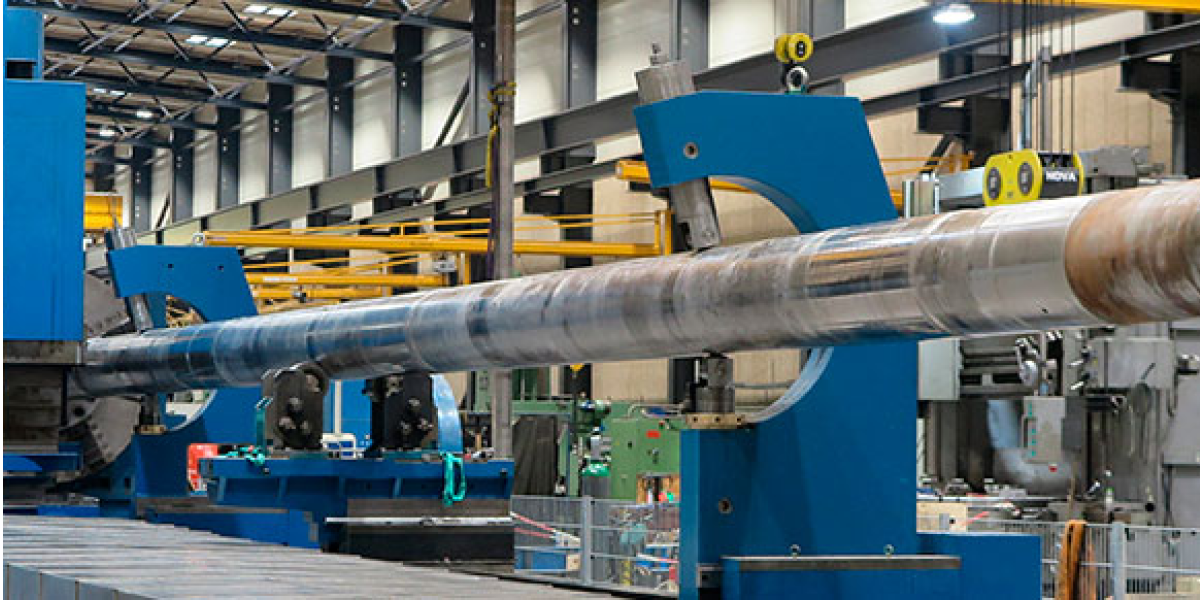
Precision Hastelloy Machining for Demanding Applications
Hastelloy alloys present significant machining challenges due to their exceptional corrosion resistance, high-temperature strength, and pronounced work-hardening characteristics. Standard CNC processes often result in accelerated tool wear, thermal distortion, and compromised surface integrity, leading to costly rework or part failure in critical aerospace, chemical processing, and energy applications. At Honyo Prototype, we specialize in overcoming these complexities through engineered CNC machining solutions tailored explicitly for nickel-based superalloys like Hastelloy C-276, B-2, and X.
Our advanced 5-axis simultaneous machining capabilities, combined with proprietary toolpath strategies and rigorously validated coolant delivery systems, ensure dimensional stability and surface finishes within ±0.0002″ tolerances. We deploy specialized carbide and ceramic tooling, optimized spindle dynamics, and in-process metrology to mitigate work hardening while maintaining strict AS9100 and ISO 9001 compliance. Every Hastelloy component undergoes rigorous first-article inspection against AMS and ASTM standards, guaranteeing performance in extreme environments where failure is not an option.
Accelerate your procurement cycle with Honyo’s Online Instant Quote platform. Upload CAD files to receive geometry-validated pricing and lead time estimates within minutes—no RFQ delays, no manual back-and-forth. This integration of technical mastery and digital efficiency ensures your Hastelloy prototypes and low-volume production parts transition from design to certified reality faster than industry benchmarks. Partner with us to transform superalloy machining from a bottleneck into a competitive advantage.
Technical Capabilities
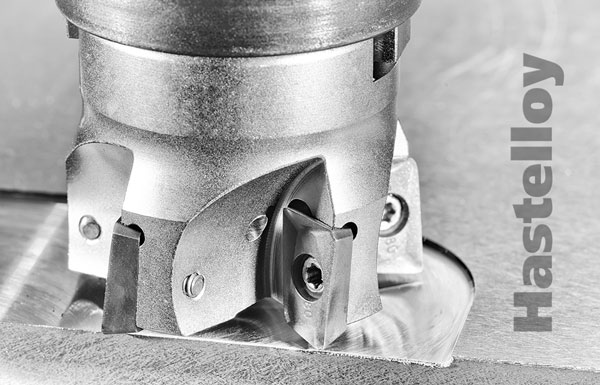
Hastelloy machining involves precision material removal processes for high-performance nickel-based superalloys known for excellent corrosion resistance and high-temperature strength. While Hastelloy itself is the primary material being machined, comparative data for Aluminum, Steel, ABS, and Nylon is included to highlight process differences across material families in complex 3/4/5-axis milling and turning operations with tight tolerance requirements (typically ±0.0005″ to ±0.005″ depending on geometry and part size).
| Parameter | Hastelloy (e.g., C-276, X) | Aluminum (e.g., 6061-T6) | Steel (e.g., 4140, 17-4 PH) | ABS (Acrylonitrile Butadiene Styrene) | Nylon (e.g., 6/66) |
|---|---|---|---|---|---|
| Typical Machining Process | 3/4/5-axis milling, CNC turning | 3/4/5-axis milling, turning | 3/4/5-axis milling, turning | 3-axis milling, limited 4/5-axis | 3-axis milling, turning |
| Tooling Requirements | Carbide or CBN, high positive rake, PVD/TiAlN coatings | Carbide, uncoated or TiN coated | Carbide, coated (TiCN, AlTiN) | Carbide, polished flutes | Carbide, polished flutes |
| Spindle Speed (Milling) | 40–120 SFM (12–37 m/min) | 500–1500 SFM (150–450 m/min) | 150–300 SFM (45–90 m/min) | 800–2000 SFM (240–600 m/min) | 400–800 SFM (120–240 m/min) |
| Feed Rate (per tooth) | 0.0002–0.003 ipr (0.005–0.08 mm) | 0.003–0.015 ipr (0.08–0.38 mm) | 0.002–0.008 ipr (0.05–0.20 mm) | 0.005–0.020 ipr (0.13–0.51 mm) | 0.004–0.012 ipr (0.10–0.30 mm) |
| Coolant Usage | High-pressure through-spindle required | Flood or mist coolant | Flood coolant | Air blast or minimal mist | Air blast or dry cutting |
| Workholding Considerations | High rigidity, minimal deflection, thermal stability | Standard fixturing adequate | Moderate to high rigidity | Low force clamping | Low force clamping |
| Typical Tolerance Capability | ±0.0005″ (±0.013 mm) with in-process metrology | ±0.001″ (±0.025 mm) achievable | ±0.0005″–±0.001″ (±0.013–0.025 mm) | ±0.005″ (±0.127 mm) typical | ±0.005″ (±0.127 mm) typical |
| Surface Finish (Ra) | 16–32 μin (achievable with finishing passes) | 8–16 μin (standard), <8 μin with polish | 16–32 μin (finishing) | 32–64 μin (as-machined) | 32–64 μin (as-machined) |
| Challenges | Work hardening, heat retention, built-up edge | Chatter, burring, softness | Hardness, residual stress | Melting, static, poor chip control | Hygroscopic, dimensional drift |
| Post-Processing Needs | Stress relief (if applicable), passivation, precision cleaning | Deburring, anodizing | Stress relief, plating, coating | Vapor polishing, painting | Annealing (to stabilize) |
Notes on Tight Tolerance Machining:
Achieving tight tolerances in Hastelloy requires stable thermal environments, in-process probing, and high-precision 5-axis platforms with backlash compensation. Due to work hardening and low thermal conductivity, machining must be performed with consistent tool engagement and minimized idle time. In contrast, materials like Aluminum and Steel allow faster cycle times and higher predictability, while polymers such as ABS and Nylon are limited by thermal deformation and lower dimensional stability, making them less suitable for sub-0.001″ tolerance regimes without environmental control.
Application Context at Honyo Prototype:
For aerospace, medical, and chemical processing components requiring high reliability, Honyo utilizes monitored 5-axis platforms with adaptive toolpath strategies for Hastelloy. For rapid prototypes in Aluminum or Steel, high-speed machining ensures tight tolerance compliance. Polymer parts in ABS or Nylon are generally held to commercial tolerances unless post-conditioned.
From CAD to Part: The Process
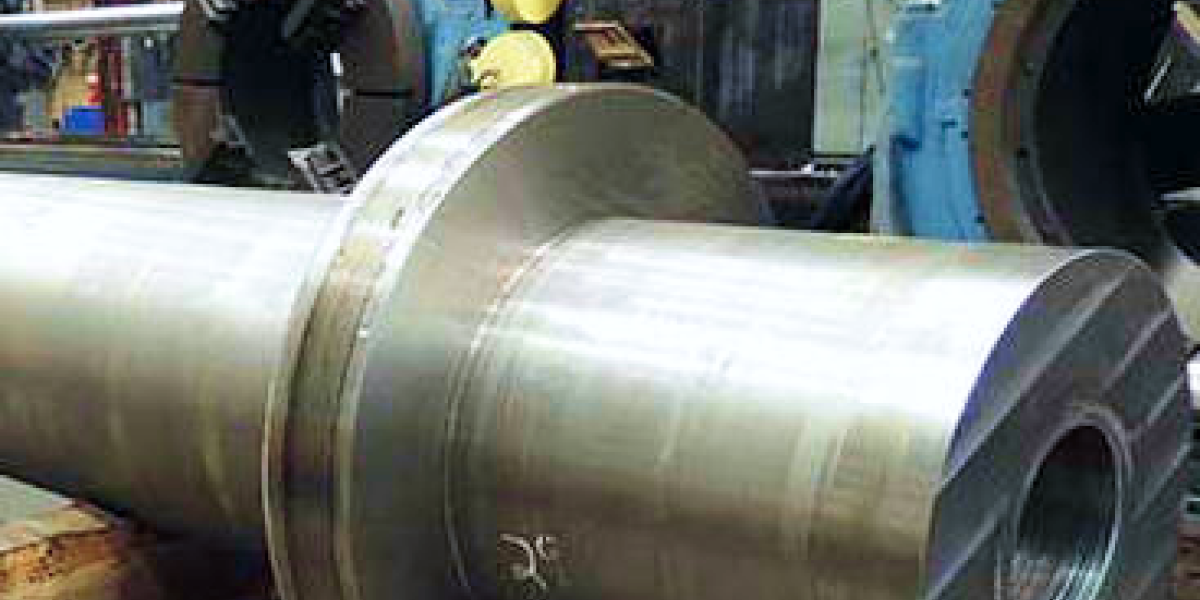
Honyo Prototype’s Hastelloy Machining Process: Precision Engineering for Demanding Alloys
Honyo Prototype executes Hastelloy machining with a rigorously defined workflow, acknowledging the material’s extreme work hardening, thermal conductivity challenges, and abrasive nature. Hastelloy’s nickel-chromium-molybdenum composition demands specialized parameters to avoid tool seizure, surface contamination, or dimensional instability. Below is our structured process, optimized for this high-integrity alloy.
Upload CAD
Clients submit detailed CAD models (STEP, IGES, or native formats) specifying critical features, tolerances (±0.0005″ typical for sealing surfaces), and surface finish requirements (e.g., 16 Ra for corrosion-critical zones). For Hastelloy, we require explicit material grade notation (e.g., C-276, B-3) and heat treatment status. Incomplete specifications trigger immediate clarification to prevent downstream rework—common pitfalls include undefined weld zones or omitted stress-relief requirements.
AI Quote Generation
Our AI-driven quoting engine analyzes CAD geometry against Hastelloy-specific databases, factoring in:
Material waste factors (25–35% higher than stainless due to slow machining rates)
Tooling amortization (carbide grades with TiAlN coating; 50% shorter tool life vs. 316L)
Thermal management protocols (mandatory high-pressure coolant systems)
Scrap rate multipliers (15–20% contingency for work-hardening-induced failures)
Quotes include explicit notes on non-negotiable parameters, such as maximum spindle speeds (typically 30–50% lower than Inconel 718) and mandatory pre-machining annealing if residual stresses exceed 50 MPa.
DFM Analysis
Honyo’s manufacturing engineers conduct a dual-phase DFM review focused on Hastelloy’s unique constraints:
Geometry validation: Eliminating sharp internal corners (min. 0.030″ radius enforced), verifying wall thicknesses (>0.060″ to prevent chatter), and flagging deep cavities requiring specialized tooling.
Process sequencing: Mandating roughing at ≤40% of standard feed rates, intermediate stress-relief cycles for features >3″ depth, and final finishing with rigid-holding fixtures to counter thermal expansion (6.9 μm/m°C coefficient).
Clients receive a formal DFM report with annotated deviations; 70% of Hastelloy projects require 1–2 iterations here to avoid production failures.
Production Execution
Machining occurs in climate-controlled cells with Hastelloy-dedicated tooling to prevent cross-contamination:
Roughing: Carbide end mills at 40–60 m/min surface speed, 0.05–0.10 mm/tooth feed, 2–3 mm depth of cut. High-pressure coolant (1,000+ PSI) minimizes work hardening.
Finishing: Polycrystalline diamond (PCD) tools for critical surfaces; spindle speeds capped at 80–120 RPM for diameters >1″. All operations monitored via real-time force sensors to detect early tool wear.
In-process validation: CMM checks after stress-relief cycles; helium leak testing for pressure-boundary components.
Delivery Assurance
Final inspection includes:
Dimensional verification against ASME BPE standards for bioprocessing parts
PMI (Positive Material Identification) to confirm alloy integrity
Surface roughness mapping per ASTM E3
Documentation package with heat-treat certs, NDT reports, and machining parameter logs
Parts ship in vapor-corrosion-inhibitor (VCI) packaging with temperature-controlled logistics to prevent microstructural shifts during transit. Lead times average 25–35 days due to mandatory intermediate stress-relief cycles.
Critical Hastelloy Parameter Comparison
| Parameter | Standard 316L Machining | Hastelloy C-276 Machining | Honyo’s Mitigation Strategy |
|——————–|————————-|—————————|—————————–|
| Max Spindle Speed | 1,200 RPM (1″ end mill) | 500 RPM (1″ end mill) | Custom speed/feed algorithms |
| Tool Life | 60+ minutes | 20–30 minutes | Real-time tool wear monitoring |
| Coolant Pressure | 500 PSI | 1,200+ PSI | Dedicated high-pressure systems |
| Scrap Rate | 5–8% | 15–25% | Pre-machining simulation + 20% material buffer |
This workflow ensures Hastelloy components meet aerospace, chemical, and nuclear industry standards while controlling cost volatility inherent to refractory alloys. All steps are traceable via our digital twin platform, providing clients full visibility into material genealogy and process adherence.
Start Your Project
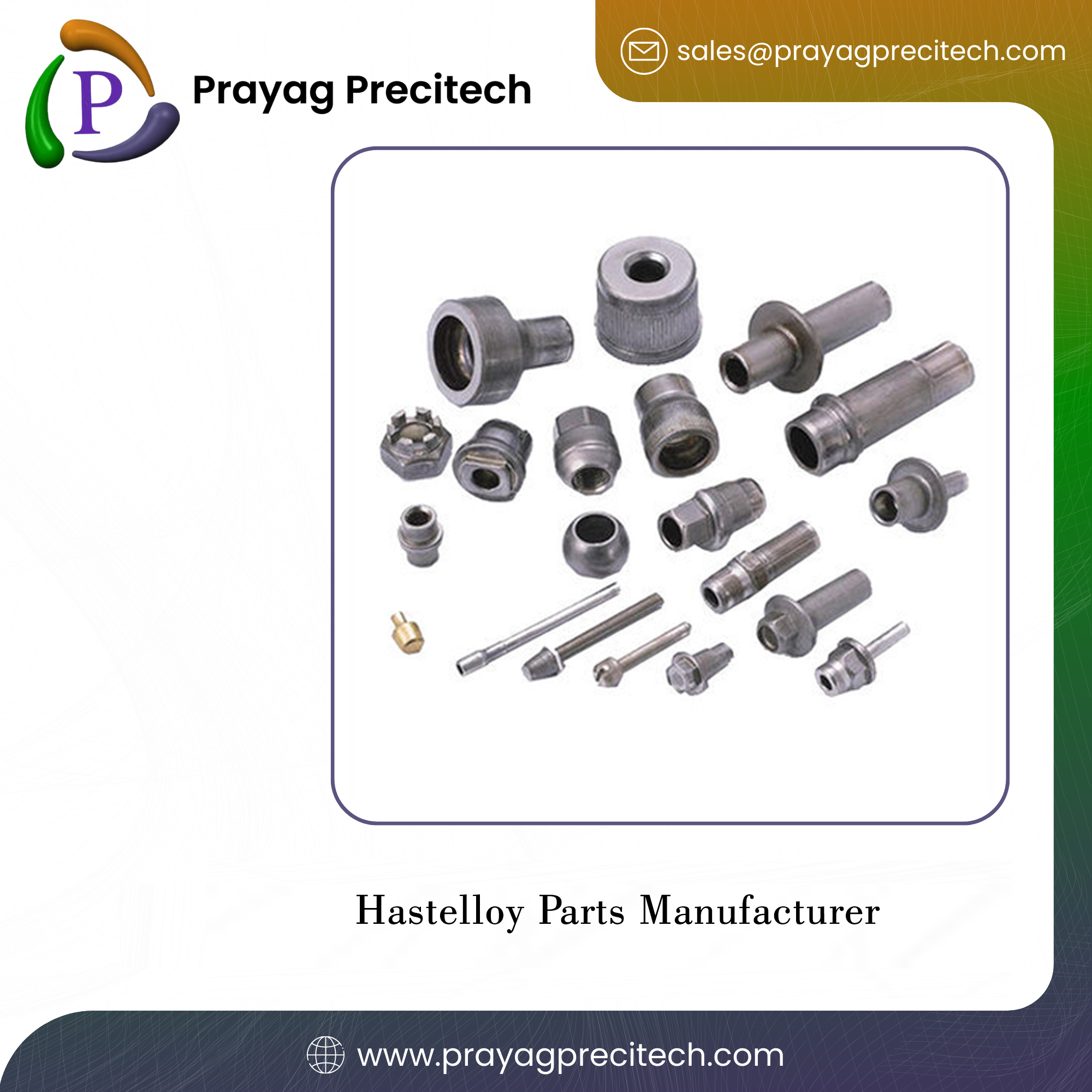
For precision Hastelloy machining solutions, contact Susan Leo at [email protected]. Honyo Prototype operates a fully equipped manufacturing facility in Shenzhen, specializing in high-accuracy CNC machining of superalloys including Hastelloy for aerospace, oil and gas, and industrial applications.
Our Shenzhen factory is optimized for rapid prototyping and low-to-mid volume production, offering tight-tolerance machining, in-house quality inspection, and fast turnaround times.
Reach out today to discuss your Hastelloy component requirements and leverage our expertise in challenging materials.
Contact:
Susan Leo
Email: [email protected]
Location: Shenzhen, China
🚀 Rapid Prototyping Estimator
Estimate rough cost index based on volume.