
Contents
Manufacturing Insight: Hard Steel Review
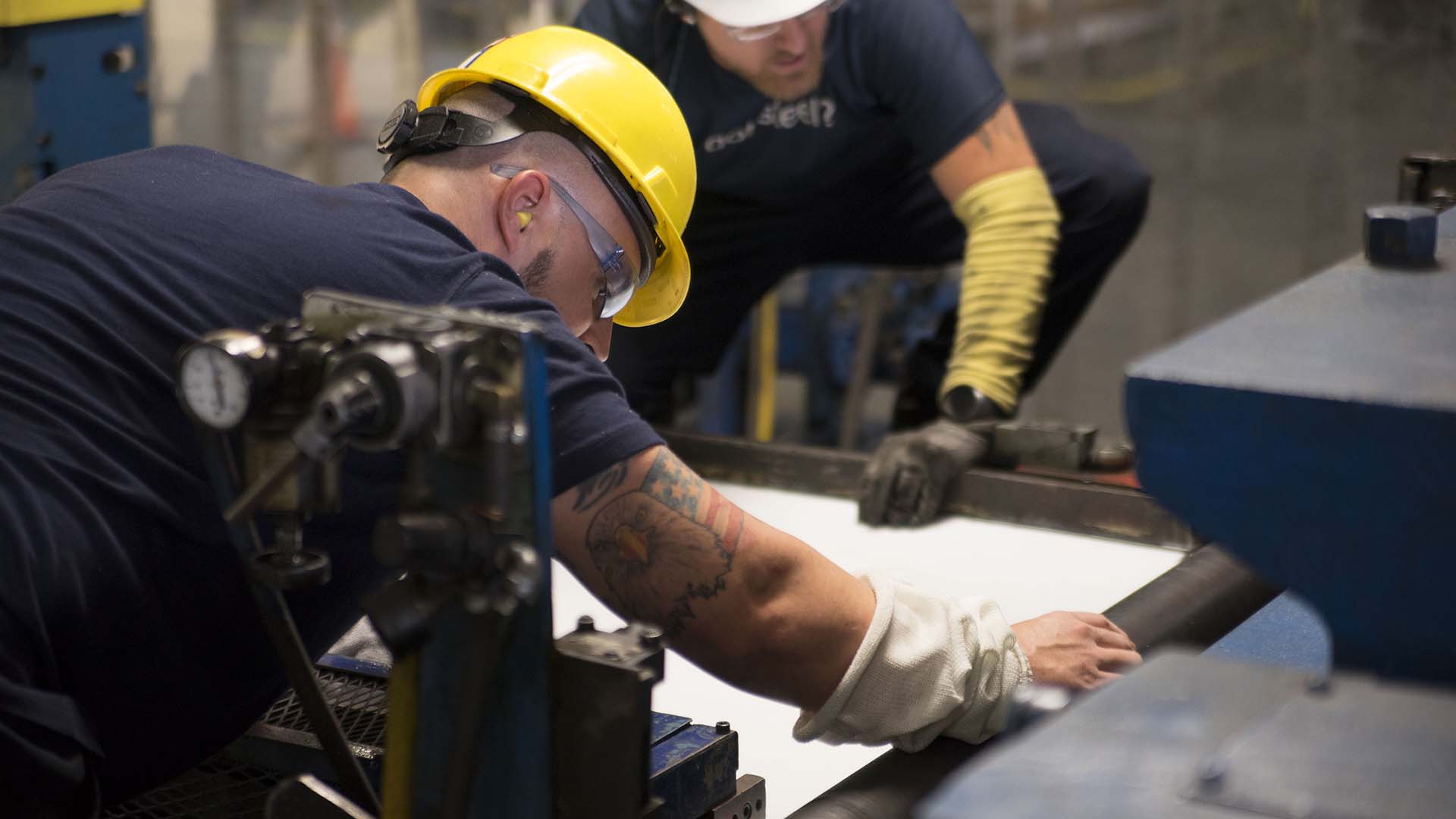
Introducing Honyo Prototype’s Hard Steel Machining Expertise
Hard steel materials like hardened tool steels, maraging alloys, and high-carbon grades present significant challenges in precision manufacturing, including accelerated tool wear, thermal deformation risks, and stringent dimensional tolerances. At Honyo Prototype, our advanced CNC machining services are engineered specifically to overcome these obstacles, delivering components with micron-level accuracy even in materials exceeding 50 HRC. Our process leverages specialized carbide and CBN tooling, optimized high-pressure coolant systems, and proprietary feed/speed strategies validated through rigorous in-house material testing. This ensures consistent surface integrity and geometric precision for mission-critical applications in aerospace, defense, and industrial tooling.
Central to our service efficiency is the Honyo Online Instant Quote platform. Engineers and procurement teams can now upload CAD files for hard steel parts and receive detailed, geometry-aware cost and lead time estimates within minutes—not days. This transparency accelerates sourcing decisions while maintaining the technical rigor expected from a partner with ISO 9001-certified manufacturing processes. Explore how our hard steel machining capabilities combine material science expertise with digital procurement efficiency.
Material Performance Comparison
| Material Grade | Typical Hardness (HRC) | Common Applications | Honyo Machining Approach |
|—————-|————————|———————|————————–|
| AISI D2 | 55-60 | Punches, dies | Multi-pass grinding strategy with cryogenic cooling |
| 440C Stainless | 56-58 | Bearings, valves | Low-RPM milling with diamond-coated tooling |
| H13 Tool Steel | 48-52 (pre-hard) | Injection molds | Adaptive clearing with high-pressure through-spindle coolant |
Technical Capabilities
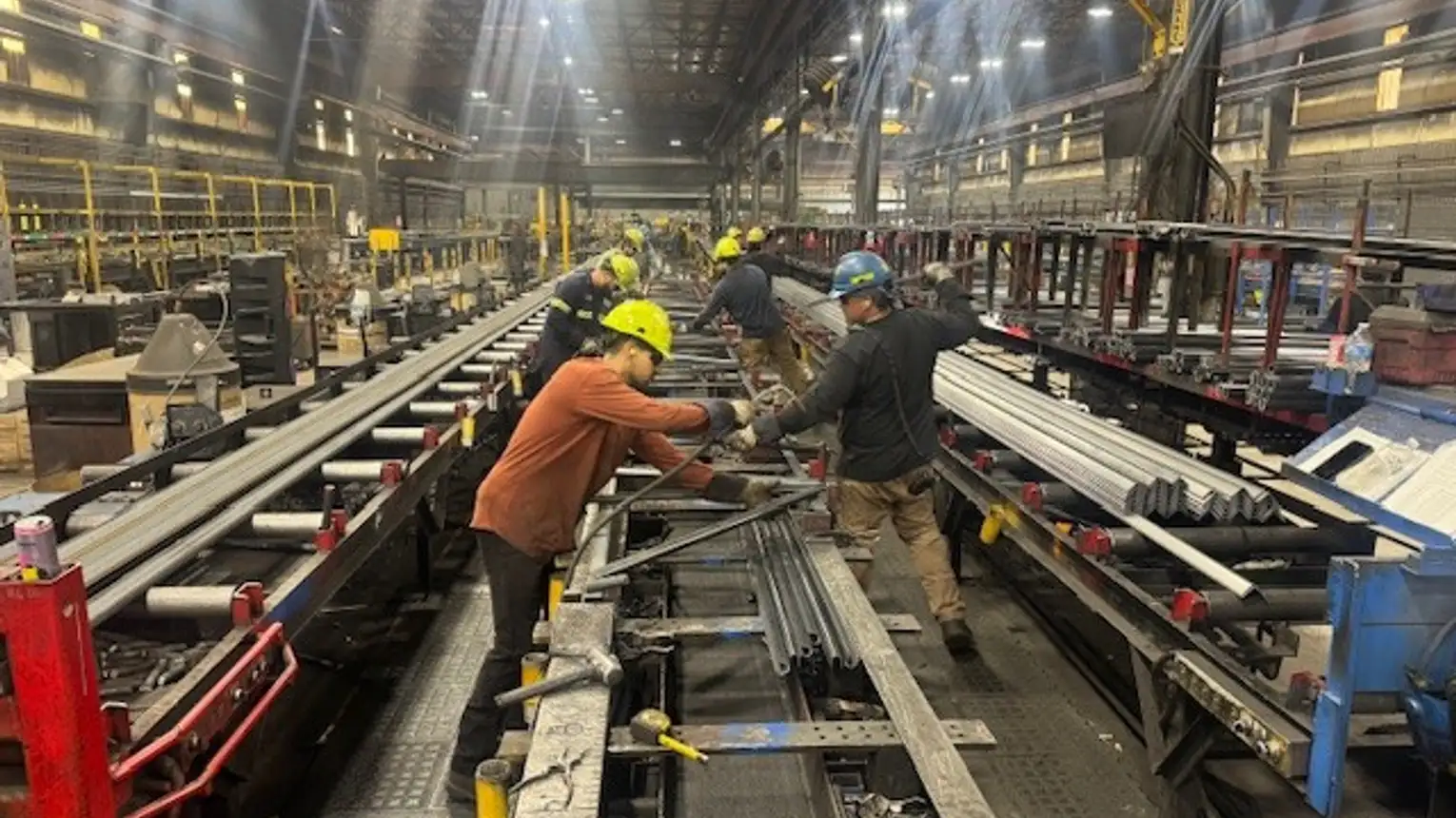
Technical Specifications for Hard Steel Review – Machining Capabilities and Material Compatibility
The following table outlines the technical specifications relevant to 3-axis, 4-axis, and 5-axis CNC milling and turning operations with a focus on tight tolerance machining. These capabilities are optimized for materials commonly used in precision prototyping and production, including Aluminum, Steel, ABS, and Nylon. All values reflect standard achievable performance at Honyo Prototype under controlled conditions using calibrated equipment.
| Parameter | 3-Axis Milling | 4-Axis Milling | 5-Axis Milling | CNC Turning | Notes |
|---|---|---|---|---|---|
| Max Work Envelope (X×Y×Z) | 700 × 400 × 300 mm | 700 × 400 × 300 mm | 500 × 400 × 400 mm | Ø300 × 500 mm | Rotary axis (4th) extends angular positioning; 5-axis allows tilt/rotation |
| Positioning Accuracy | ±0.005 mm | ±0.005 mm | ±0.005 mm | ±0.005 mm | Verified with laser interferometer |
| Repeatability | ±0.003 mm | ±0.003 mm | ±0.003 mm | ±0.003 mm | Across three consecutive runs |
| Standard Tolerance | ±0.01 mm | ±0.01 mm | ±0.01 mm | ±0.01 mm | Per ISO 2768-m for non-critical features |
| Tight Tolerance Capability | ±0.005 mm | ±0.005 mm | ±0.005 mm | ±0.005 mm | Achieved with thermal compensation and high-stability fixtures |
| Surface Finish (Typical) | Ra 0.8 – 3.2 µm | Ra 0.8 – 3.2 µm | Ra 0.8 – 3.2 µm | Ra 0.8 – 1.6 µm | Adjustable with tool selection and finish passes |
| Spindle Speed (Milling) | 20,000 rpm | 20,000 rpm | 20,000 rpm | – | High-speed spindle with HSK-63 interface |
| Spindle Speed (Turning) | – | – | – | 6,000 rpm | Servo-driven with live tooling support |
| Tool Changing (Milling) | Automatic (30-tool) | Automatic (30-tool) | Automatic (30-tool) | Live tool change | ATC ensures rapid tool swaps |
| Materials – Aluminum | Excellent | Excellent | Excellent | Excellent | Including 6061, 7075, and AlSi10Mg (cast) |
| Materials – Steel | Excellent | Excellent | Excellent | Excellent | Including 4140, 4340, 1018, and hardened steels up to 55 HRC |
| Materials – ABS | Good | Good | Good | Good | Post-machining stress relief recommended |
| Materials – Nylon | Good | Good | Good | Good | Low-friction cutting required; fixturing critical due to creep |
Notes on Material Behavior:
Aluminum: High machinability, excellent for high-speed milling and tight tolerance features.
Steel: Requires rigid setup and appropriate tooling; capable of holding tight tolerances with proper thermal management.
ABS: Prone to melting if cutting speeds are too high; sharp tools and moderate feed rates recommended.
Nylon: Exhibits dimensional instability; machining near final dimensions with allowance for post-process stabilization is advised.
All processes are supported by in-house CMM inspection, process validation, and first-article reporting (FAIR) to ensure conformance with technical requirements.
From CAD to Part: The Process
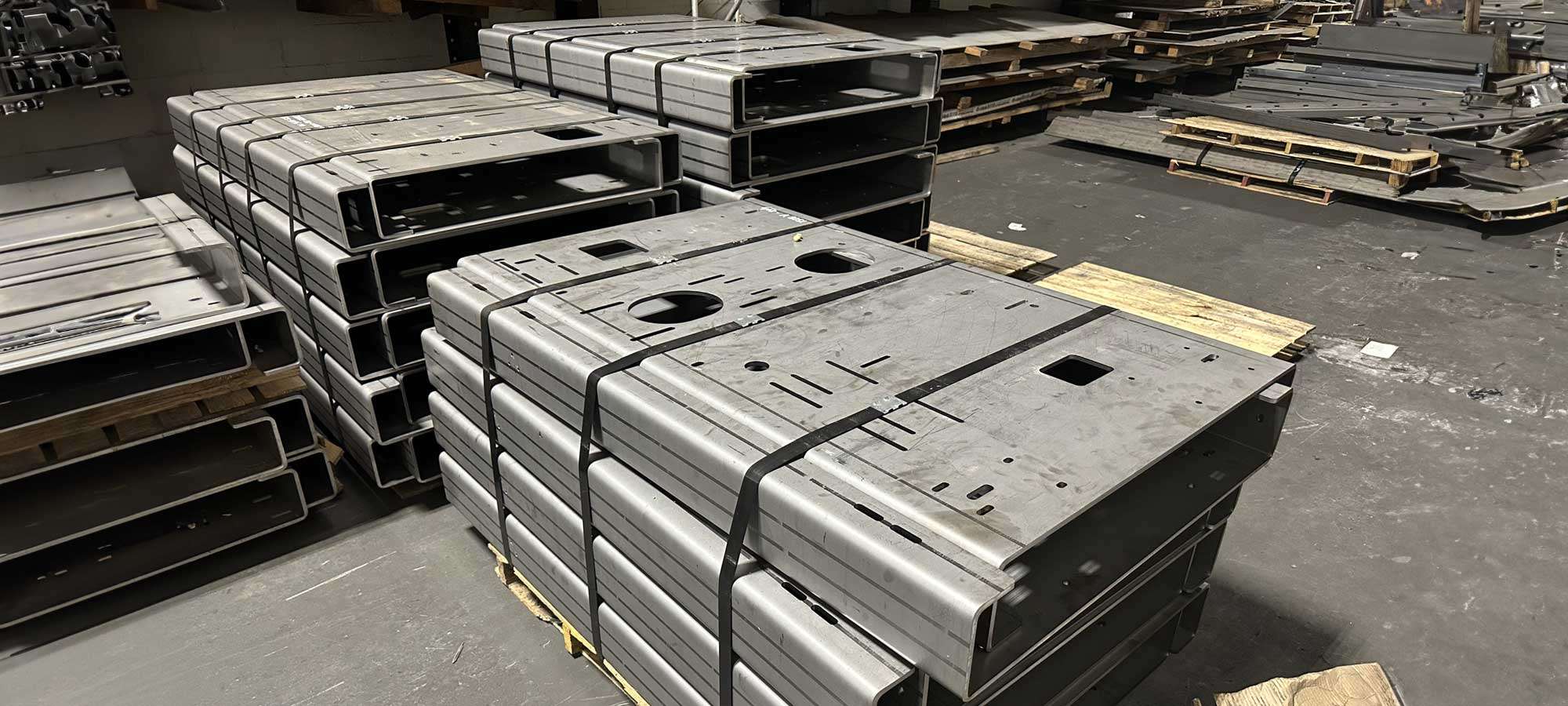
Honyo Prototype applies a rigorous, material-agnostic engineering process to all projects including those involving hardened steel components. We do not maintain a separate “hard steel review” workflow; instead, our standard Upload CAD → AI Quote → DFM → Production → Delivery sequence inherently incorporates material-specific validations. Hardened steel (typically 40-60 HRC) triggers enhanced scrutiny within standard phases due to its machining challenges. Below is the precise execution of this process for hardened steel parts:
CAD Upload & Material Specification
Clients submit 3D CAD files with explicit material callouts (e.g., “AISI 4340 HT @ 48 HRC”). Our system flags hardened steel materials immediately, initiating specialized evaluation protocols. Material hardness, heat treatment condition (pre-hardened vs. post-machined hardening), and geometric complexity are recorded for downstream stages. Ambiguous specifications halt progression until clarified.
AI-Powered Quoting with Hardness Adjustments
Our AI quoting engine analyzes CAD geometry while applying hardened steel-specific multipliers:
Tooling cost surcharge (25-40% vs. mild steel due to carbide/PCD tooling requirements)
Machining time extension (1.8-2.5x factor for reduced feeds/speeds)
Scrap rate contingency (minimum 15% added for potential tool breakage or distortion)
The quote explicitly itemizes hardened steel premiums and requires client confirmation before DFM. No assumptions are made about post-machining heat treatment sequencing.
Enhanced DFM for Hardened Steel
This phase undergoes intensified review with hardened materials. Key focus areas include:
| DFM Parameter | Standard Steel Check | Hardened Steel Enhancement |
|---|---|---|
| Wall Thickness | Minimum 0.5mm | Minimum 1.2mm (prevents chatter/distortion) |
| Internal Radii | ≥0.2mm | ≥0.8mm (reduces tool stress) |
| Tolerance Feasibility | ±0.05mm achievable | ±0.025mm requires EDM verification |
| Heat Treatment Timing | Not applicable | Mandatory review of pre-vs-post machining hardening |
| Surface Finish | Ra 1.6µm standard | Ra 0.8µm minimum (avoids micro-cracking) |
Critical outputs include:
Confirmation whether hardening occurs before machining (requiring stress-relieved stock) or after (mandating EDM/ablation for final features). Non-negotiable avoidance of sharp internal corners. Validation that all features are machinable at reduced spindle speeds (typically ≤ 800 RPM for 50 HRC steel).
Hardened Steel Production Protocol
Manufacturing follows strict hardened-material procedures:
Toolpaths use trochoidal milling with 30-50% depth of cut reductions versus mild steel. Coolant pressure is maintained at ≥1,000 PSI to prevent thermal shock. In-process CMM checks occur after 25% and 75% material removal to detect distortion. All hardened steel parts undergo final stress-relief baking (150°C for 4 hours) before precision finishing. Zero tolerance for secondary operations after hardening unless specified as EDM-only features.
Delivery with Hardened Steel Certification
Shipments include:
Hardness verification reports (Rockwell C scale at 3+ locations per part) alongside standard FAI documentation. As-machined vs. post-heat-treat dimensional variance analysis if applicable. Tool wear logs proving consistent parameters throughout production. Non-conformance clauses explicitly cover hardness-induced distortion beyond 0.05mm deviation.
This integrated approach ensures hardened steel components meet aerospace/medical grade reliability without requiring client-side process re-engineering. Our system automatically escalates hardened steel projects to senior manufacturing engineers for DFM sign-off, eliminating generic processing of high-risk materials.
Start Your Project
For a comprehensive review of our hard steel capabilities, contact Susan Leo directly at [email protected].
Our manufacturing facility is located in Shenzhen, ensuring precision engineering and rapid prototyping with advanced metallurgical processing.
We specialize in high-performance steel solutions tailored to demanding industrial applications. Reach out today to discuss your project requirements and schedule a technical consultation.
🚀 Rapid Prototyping Estimator
Estimate rough cost index based on volume.