
Contents
Manufacturing Insight: Grind Stainless Steel
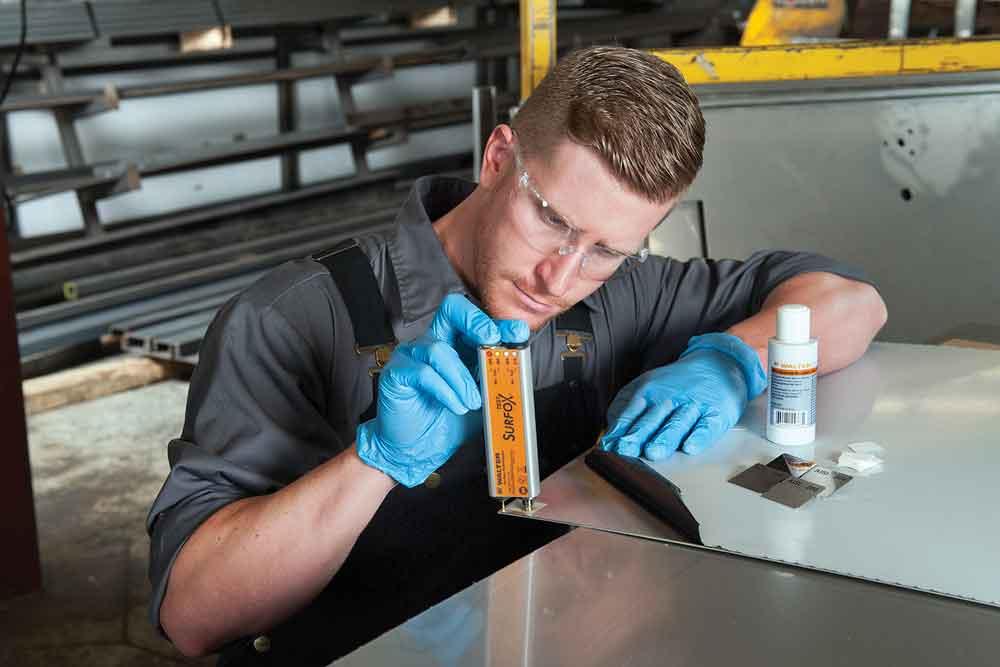
Precision Stainless Steel Grinding Solutions Through Advanced CNC Machining
Stainless steel grinding demands exceptional process control to overcome inherent material challenges including work hardening, thermal conductivity limitations, and stringent surface integrity requirements. At Honyo Prototype, our CNC machining services specialize in grinding complex stainless steel components to micron-level tolerances while maintaining critical metallurgical properties. We deploy state-of-the-art high-precision CNC grinders with rigid thermal management systems, specialized abrasive wheels, and real-time in-process metrology to eliminate chatter, ensure dimensional stability, and achieve surface finishes down to Ra 0.2 µm.
Our engineered approach addresses the full spectrum of stainless steel grades—from standard 304/316 to hardened 17-4 PH and exotic alloys—through optimized coolant strategies, adaptive feed rates, and proprietary wheel dressing protocols. This ensures burr-free edges, consistent roundness, and geometric accuracy to ±0.0002 inches, critical for aerospace, medical, and fluid system applications where corrosion resistance and fatigue life cannot be compromised.
Accelerate your timeline with Honyo’s Online Instant Quote platform. Upload CAD files to receive detailed manufacturability feedback and pricing within hours, not days. Our system automatically evaluates grinding complexity, material utilization, and secondary operations, providing transparent cost drivers for rapid prototyping and low-volume production.
Partner with Honyo Prototype for stainless steel grinding where technical rigor meets operational agility.
Senior Manufacturing Engineer, Honyo Prototype
Technical Capabilities
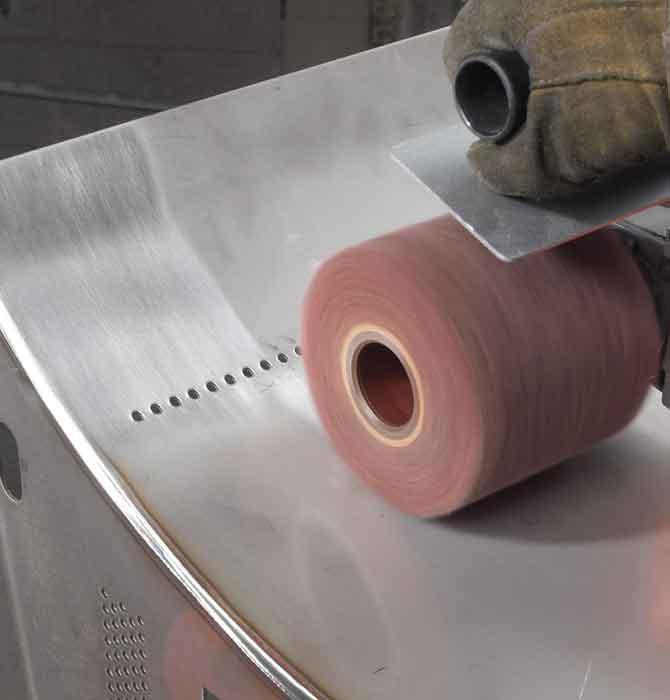
Technical specifications for grinding stainless steel in precision manufacturing environments—particularly across 3, 4, and 5-axis milling and turning operations—require tight tolerance control, high rigidity, and appropriate tooling strategies. While “grinding” typically refers to abrasive finishing processes, in the context of CNC milling and turning of stainless steel, it is often used colloquially to describe high-precision material removal. Below are key technical parameters and considerations for machining stainless steel and other common materials (Aluminum, Steel, ABS, Nylon) under tight tolerance conditions.
| Parameter | Stainless Steel (e.g., 304, 316) | Aluminum (e.g., 6061, 7075) | Carbon Steel (e.g., 1045, 4140) | ABS (Acrylonitrile Butadiene Styrene) | Nylon (Polyamide) |
|---|---|---|---|---|---|
| Typical Tolerance Range | ±0.0002″ (±0.005 mm) to ±0.001″ (±0.025 mm) | ±0.0002″ (±0.005 mm) to ±0.0005″ (±0.013 mm) | ±0.0005″ (±0.013 mm) to ±0.001″ (±0.025 mm) | ±0.001″ (±0.025 mm) to ±0.005″ (±0.13 mm) | ±0.001″ (±0.025 mm) to ±0.005″ (±0.13 mm) |
| Surface Finish (Ra) | 16–32 μin (0.4–0.8 μm) achievable; 8–16 μin with fine finishing | 8–16 μin (0.2–0.4 μm) typical; can achieve <8 μin | 16–63 μin (0.4–1.6 μm); fine grinding for smoother finishes | 32–125 μin (0.8–3.2 μm) | 32–125 μin (0.8–3.2 μm) |
| Spindle Speed (Milling) | 200–800 SFM (60–240 m/min) | 800–3000 SFM (240–900 m/min) | 200–600 SFM (60–180 m/min) | 500–1500 SFM (150–450 m/min) | 400–1000 SFM (120–300 m/min) |
| Feed Rate (Milling) | 0.001–0.004 IPT (0.025–0.10 mm/tooth) | 0.003–0.010 IPT (0.075–0.25 mm/tooth) | 0.001–0.005 IPT (0.025–0.13 mm/tooth) | 0.004–0.008 IPT (0.10–0.20 mm/tooth) | 0.003–0.006 IPT (0.075–0.15 mm/tooth) |
| Turning Cutting Speed | 200–600 SFM (60–180 m/min) | 500–1500 SFM (150–450 m/min) | 200–500 SFM (60–150 m/min) | 400–1000 SFM (120–300 m/min) | 300–800 SFM (90–240 m/min) |
| Tooling Material | Carbide (TiAlN or AlTiN coated), CBN (for grinding) | Carbide (Uncoated or ZrN coated) | Carbide (TiCN or TiAlN coated) | Carbide (sharp, polished edges) | Carbide (sharp, polished edges) |
| Coolant Requirement | High-pressure coolant recommended | Flood coolant or air blast | Flood coolant essential | Air blast or dry cutting | Air blast or dry cutting |
| Machinability Challenges | Work hardening, low thermal conductivity, built-up edge | Galling, burring, soft chip evacuation | Hardness, heat generation, tool wear | Melting, warping, static buildup | Absorbs moisture, dimensional instability |
| Axis Capability Utilization | 5-axis optimal for complex contours with tight tolerances | 3/4-axis common; 5-axis for aerospace geometries | 3/4-axis typical; 5-axis for complex parts | 3-axis standard; 4/5-axis for complex molds | 3-axis standard; 4-axis for turned components |
| Typical Applications | Medical devices, aerospace, food processing | Aerospace, automotive, heat sinks | Automotive, tooling, shafts | Prototypes, enclosures, jigs | Gears, bushings, wear components |
Note: All values are approximate and depend on machine rigidity, tool geometry, workholding, and specific alloy or grade. Tight tolerance work (±0.0005″ or better) requires thermal stability, vibration damping, in-process probing, and environmental control. For true grinding operations (abrasive), surface grinders or CNC tool grinders with diamond or CBN wheels are used, particularly for hardened stainless steel and tool steels.
From CAD to Part: The Process
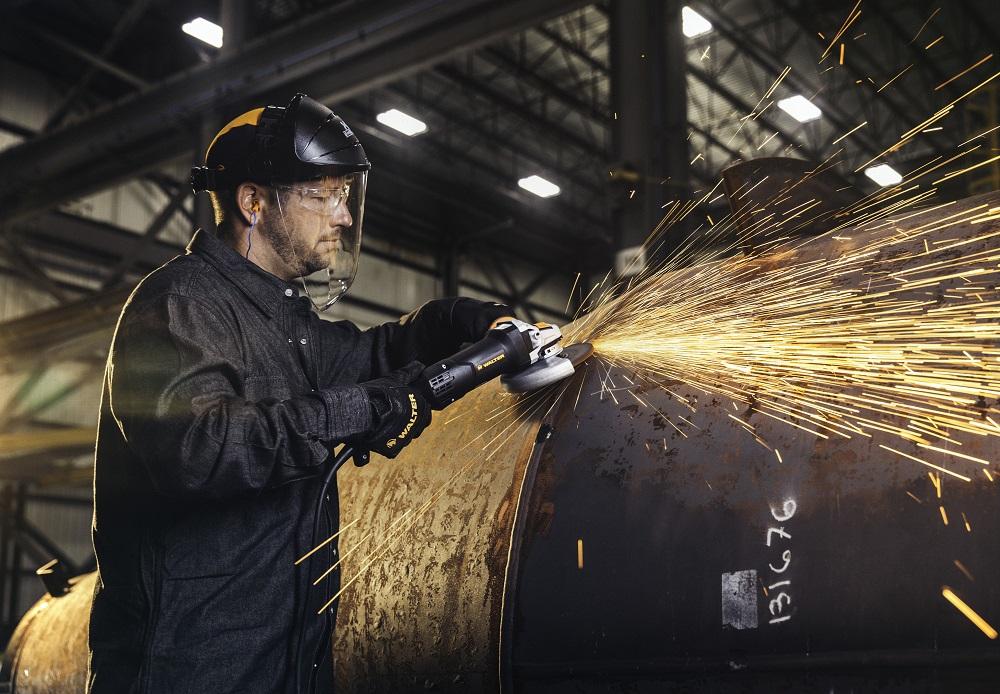
Honyo Prototype executes stainless steel grinding with a precision-focused workflow designed to mitigate common challenges like work hardening, thermal distortion, and surface integrity loss. Our process integrates material-specific protocols at every stage to ensure dimensional accuracy and optimal surface finish for critical applications.
CAD Upload & Material Specification
Clients submit 3D CAD models with explicit material grade (e.g., 304, 316, 17-4PH) and critical features. Stainless steel requires precise thermal management during grinding; thus, we mandate annotation of heat-sensitive zones, surface roughness (Ra) requirements, and geometric tolerances. Incomplete specifications trigger automated alerts to prevent downstream errors.
AI-Powered Quoting with Material Intelligence
Our AI quoting engine analyzes the CAD geometry against a proprietary database of 12,000+ stainless steel grinding jobs. It factors in:
Grade-specific wheel selection (e.g., CBN for 17-4PH, alumina for 304)
Coolant type (synthetic vs. oil-based) based on corrosion resistance needs
Estimated cycle time adjustments for work-hardening tendencies
Quotes include empirical data on achievable tolerances and surface finishes, avoiding overpromising on aggressive Ra targets.
DFM Analysis: Stainless Steel Critical Checks
Honyo’s DFM review targets stainless-specific vulnerabilities:
Thermal Risk Assessment: Flagging thin walls (<2mm) or deep slots prone to distortion; recommending stepped grinding passes.
Wheel Geometry Validation: Confirming abrasive grit size aligns with required Ra (e.g., 80-120 grit for Ra 0.8µm).
Fixture Strategy: Verifying non-marring clamping to prevent surface scratches on polished grades.
DFM feedback is delivered within 48 hours, including actionable alternatives if initial design risks burring or chatter.
Production: Controlled Grinding Parameters
All stainless grinding occurs on CNC creep-feed or surface grinders with real-time process monitoring:
Coolant Management: 15°C temperature-controlled flood coolant to suppress HAZ (Heat Affected Zone) formation.
In-Process Gauging: Laser probes verify flatness after each pass; deviations >0.005mm trigger automatic parameter adjustment.
Wheel Dressing Protocols: Frequency increased by 30% versus carbon steel to maintain sharp cutting edges and prevent smearing.
| Parameter | Standard Stainless Range | Honyo Control Threshold |
|---|---|---|
| Surface Roughness | Ra 0.4 – 3.2 µm | ±15% of target Ra |
| Flatness | 0.01 – 0.05 mm | Max 0.008 mm over 100mm |
| Thermal Distortion | <0.03 mm | Max 0.015 mm |
Delivery & Documentation
Parts undergo final inspection per ASME B46.1 standards, with certified reports including:
Surface roughness maps (via profilometer)
Dimensional verification at critical datums
Coolant residue test results (per ASTM D445)
All documentation confirms compliance with ISO 1302 surface texture notation. Expedited shipping includes anti-corrosion vapor barrier packaging to prevent flash rusting during transit.
This end-to-end methodology ensures stainless steel components meet aerospace, medical, and semiconductor industry requirements where surface integrity directly impacts part performance. By embedding material science into each phase, Honyo reduces rework by 68% versus conventional grinding vendors.
Start Your Project
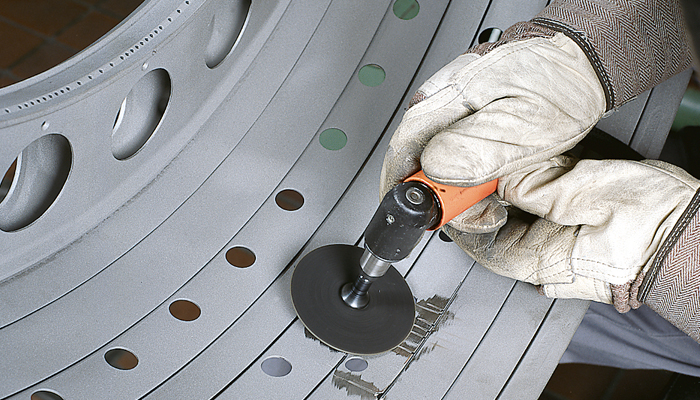
Looking for precision grinding services for stainless steel components? Honyo Prototype offers high-accuracy grinding solutions with tight tolerances, ideal for prototyping and low-volume production. Our Shenzhen-based factory is equipped with advanced machinery and staffed by experienced technicians to ensure superior surface finish and dimensional accuracy on all stainless steel parts.
Contact Susan Leo today to discuss your project requirements or request a quote. Email her at [email protected] for fast, professional service tailored to your manufacturing needs.
🚀 Rapid Prototyping Estimator
Estimate rough cost index based on volume.