
Contents
Manufacturing Insight: Golden Plastic Sheet
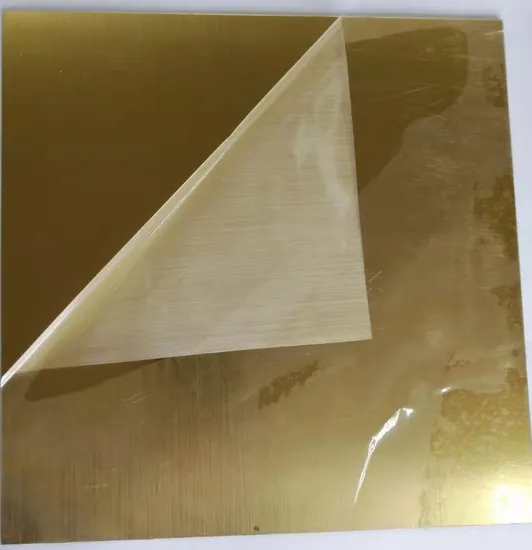
Introducing Precision Metal Solutions: Gold-Finished Sheet Metal Fabrication
Honyo Prototype specializes in high-precision sheet metal fabrication for demanding industrial applications, delivering components that meet exacting engineering specifications. While the term “golden plastic sheet” may imply aesthetic finishes, our core expertise lies in metal fabrication—including custom gold-plated, anodized, or PVD-coated sheet metal solutions for electronics, aerospace, and medical device sectors. Unlike plastic alternatives, our metal substrates provide superior structural integrity, EMI shielding, thermal stability, and longevity critical for mission-critical assemblies.
We transform raw metal sheets into complex geometries through laser cutting, CNC punching, precision bending, and welding, with tolerances as tight as ±0.05mm. Our value-added services include finishing options such as gold electroplating for corrosion resistance and conductivity, alongside rigorous in-process quality validation. For rapid prototyping or low-volume production, Honyo’s integrated workflow ensures seamless transitions from design to certified component delivery.
Accelerate your project timeline with Honyo’s Online Instant Quote system. Upload your STEP or DXF files to receive a detailed, transparent cost analysis and lead time estimate within hours—no manual back-and-forth required. This digital efficiency, combined with our AS9100 and ISO 9001-certified processes, positions Honyo as the strategic partner for engineered metal solutions where precision and reliability are non-negotiable.
Note: For plastic sheet requirements, we recommend consulting specialized polymer fabricators. Honyo’s focus remains on advancing metal fabrication capabilities for technically complex applications.
Technical Capabilities
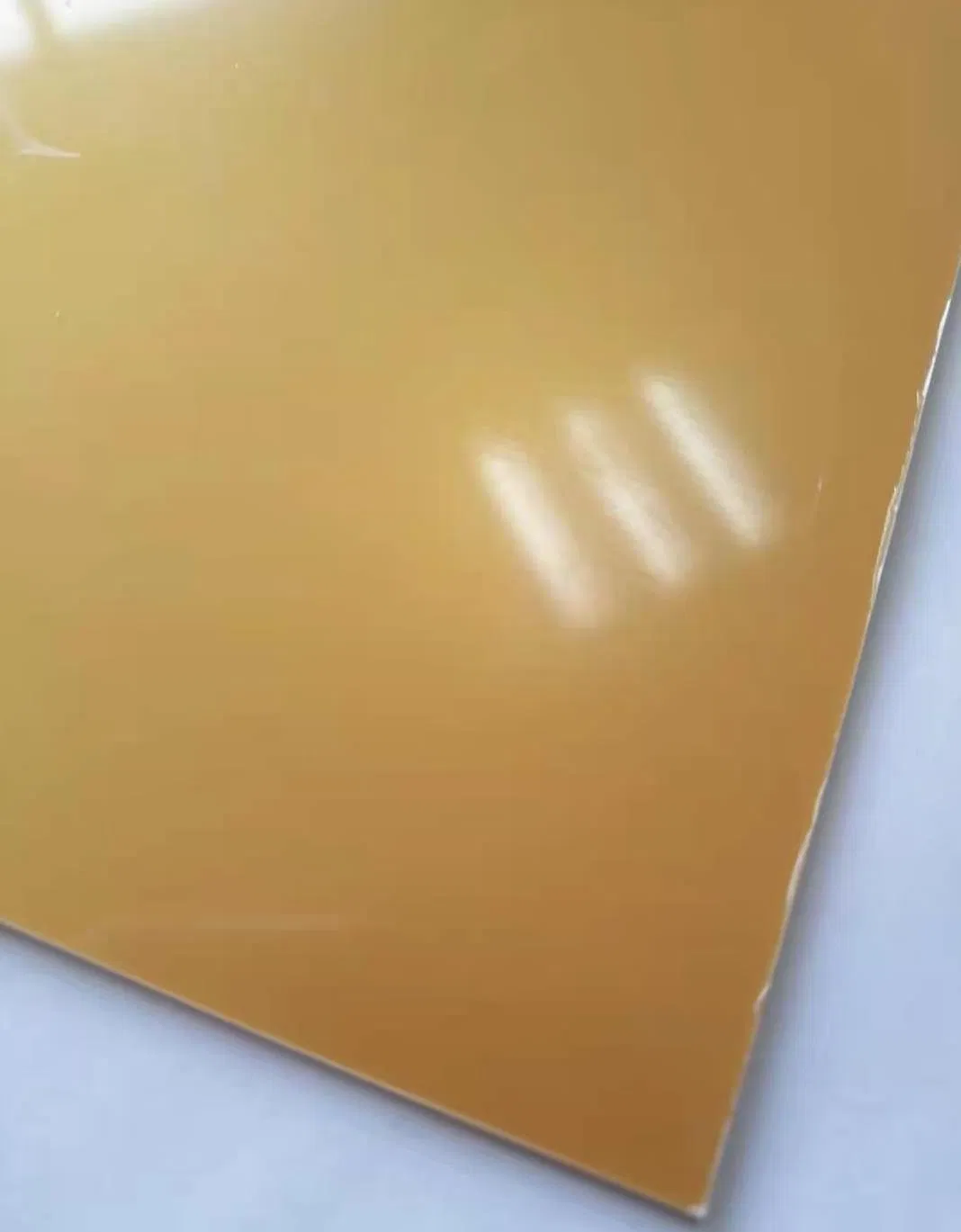
The term “golden plastic sheet” typically refers to a decorative or surface-finished thermoplastic material with a gold-colored coating or pigment, rather than a specific technical material. For industrial applications involving laser cutting, bending, and welding, the base material is critical in determining process parameters and feasibility. Below is a comparison of common sheet materials—Aluminum, Steel, ABS, and Nylon—relevant to these fabrication processes. While none are inherently “golden,” they can be anodized, painted, or laminated to achieve a gold appearance.
| Material | Laser Cutting Compatibility | Bending Characteristics | Welding Method | Notes for Golden Finish Application |
|---|---|---|---|---|
| Aluminum (e.g., 5052, 6061) | Excellent – cleanly cut with fiber or CO₂ lasers; reflective nature requires proper beam control | Good – high ductility allows tight bend radii; springback must be compensated | TIG, MIG, or laser welding; requires clean, oxide-removed surfaces | Anodized gold finish possible; laser cutting may affect oxide layer; protective masking recommended |
| Steel (e.g., mild steel, stainless) | Good – CO₂ lasers effective; produces clean edges with assist gas (O₂ or N₂) | Moderate – lower ductility than aluminum; requires higher tonnage and bend allowance | MIG, TIG, or spot welding; prone to warping if not clamped | Gold appearance via PVD coating or plating; heat from welding may damage finish; post-weld finishing often needed |
| ABS (Acrylonitrile Butadiene Styrene) | Excellent – easily cut with CO₂ lasers; melts cleanly but may produce soot | Good – thermoforming compatible; limited cold bending without cracking | Ultrasonic, solvent, or hot-plate welding; not suitable for traditional arc welding | Often available in gold-colored sheets; laser cutting may char edges; post-processing recommended |
| Nylon (Polyamide, e.g., PA6, PA66) | Moderate – CO₂ laser cutting possible but high melting point and thermal resistance require precise settings | Fair – good toughness but high springback; preheating may be needed for tight bends | Hot gas, vibration, or laser welding; difficult to bond with solvents | Available in pigmented gold variants; hygroscopic – must be dry before processing to avoid defects |
Process Notes:
Laser Cutting: Use appropriate assist gases and power settings to minimize charring (plastics) or oxidation (metals). Reflective metals like aluminum require back-reflection protection in laser systems.
Bending: Minimum bend radius varies by material. Use tooling designed for material thickness and type. For gold-finished sheets, avoid scratching or delamination during forming.
Welding: Surface preparation is critical, especially for metals with decorative coatings. For plastics, ensure joint design supports hermetic or structural integrity as needed.
For aesthetic “golden” prototypes or enclosures, anodized aluminum or gold-laminated ABS are preferred due to durability and appearance. Always verify material specifications with suppliers when appearance and process compatibility are both critical.
From CAD to Part: The Process
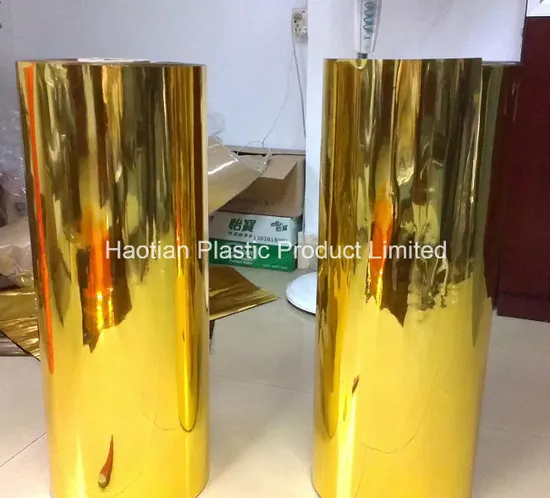
Honyo Prototype’s Golden Plastic Sheet service delivers precision plastic prototypes and low-volume production parts through an optimized digital workflow designed for engineering efficiency and rapid turnaround. This process eliminates traditional quoting bottlenecks while ensuring manufacturability from the earliest stages. Below is the detailed technical workflow:
CAD File Upload and Validation
Clients initiate the process by uploading native or neutral CAD formats (STEP, IGES, Parasolid, SolidWorks) via our secure customer portal. Our system performs immediate validation checks for file integrity, unit consistency, and geometric completeness. Proprietary algorithms detect common issues like non-manifold edges or missing fillets before proceeding, reducing downstream delays. All data adheres to ISO 27001 security protocols with automated encryption during transfer and storage.
AI-Powered Quoting Engine
Uploaded geometry triggers our trained machine learning model which analyzes over 200 manufacturability parameters including wall thickness distribution, draft angles, undercuts, and feature resolution against material-specific constraints. The AI cross-references real-time data from our production floor (machine availability, material stock, technician workload) and material databases to generate a comprehensive quote within 90 minutes. Quotes include precise cost breakdowns for material, machining time, finishing, and logistics with no manual intervention required.
Automated DFM Analysis and Engineering Collaboration
Every design undergoes mandatory Design for Manufacturing analysis using rules calibrated to our CNC, laser cutting, and thermoforming capabilities. The system flags critical issues such as non-achievable tolerances (e.g., ±0.025mm on polycarbonate sheets), problematic aspect ratios, or thermal stress risks during forming. Engineers provide actionable feedback through an integrated annotation tool—highlighting specific faces/edges in the 3D model with suggested modifications. Clients receive a formal DFM report with revision recommendations; 87% of first-time submissions require minor adjustments at this stage.
Production Execution with Real-Time Monitoring
Approved designs move to production where our MES (Manufacturing Execution System) auto-generates machine toolpaths and schedules jobs across our 42-axis CNC network or laser systems. Key process controls include:
In-process CMM verification at critical stages for dimensions exceeding ±0.1mm tolerance
Environmental monitoring during thermoforming (±2°C temperature control)
Automated optical inspection for surface defects post-machining
Material traceability is maintained via serialized barcodes from raw sheet to finished part.
Delivery and Logistics Integration
Finished components undergo final QA per AS9100 protocols including first-article inspection reports. Parts ship via client-preferred carriers with real-time GPS tracking integrated into our portal. Standard lead times are maintained through dynamic scheduling:
| Process Phase | Typical Duration | Key Dependencies |
|---|---|---|
| CAD Upload to Quote | < 90 minutes | Valid CAD format, complete BOM |
| DFM Resolution | 4-24 hours | Client response time, complexity level |
| Production | 3-7 business days | Material type, part count, finish requirements |
| Delivery | 1-3 business days | Destination region, carrier selection |
This closed-loop system reduces time-to-prototype by 65% compared to industry averages by eliminating manual quoting and front-loading manufacturability analysis. The Golden Plastic Sheet workflow is particularly effective for complex enclosures, optical mounts, and fluidic manifolds requiring tight tolerances in engineering thermoplastics like PEEK, Ultem, or acrylic. All processes are certified to ISO 9001:2015 with full documentation available upon request.
Start Your Project
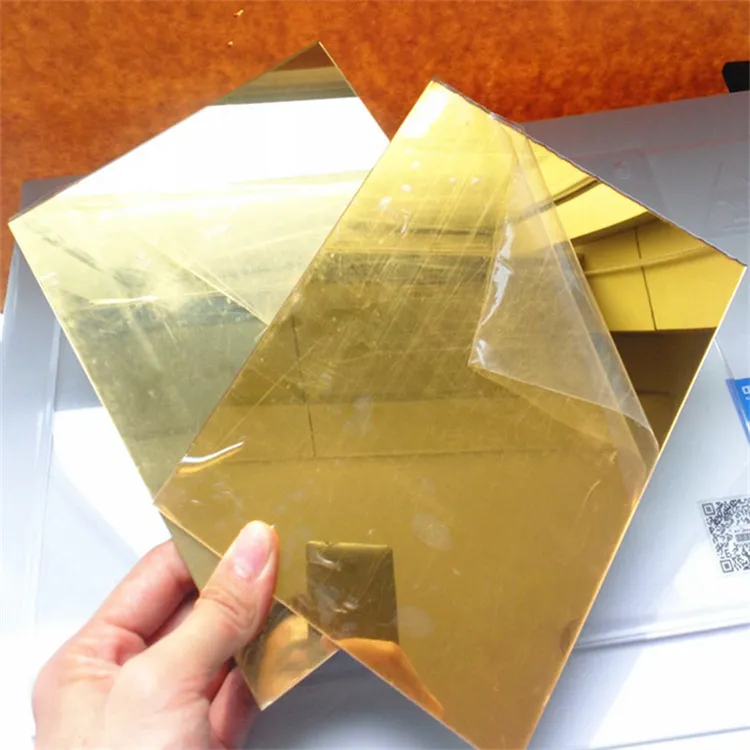
Looking for high-quality golden plastic sheets for your next project? Contact Susan Leo at [email protected] to request samples or place an order.
Honyo Prototype’s manufacturing facility is based in Shenzhen, ensuring fast production and reliable quality control for both prototypes and low-volume production runs.
Reach out today to discuss your material specifications and project requirements.
🚀 Rapid Prototyping Estimator
Estimate rough cost index based on volume.