
Contents
Manufacturing Insight: Glass Filled Nylon Injection Molding
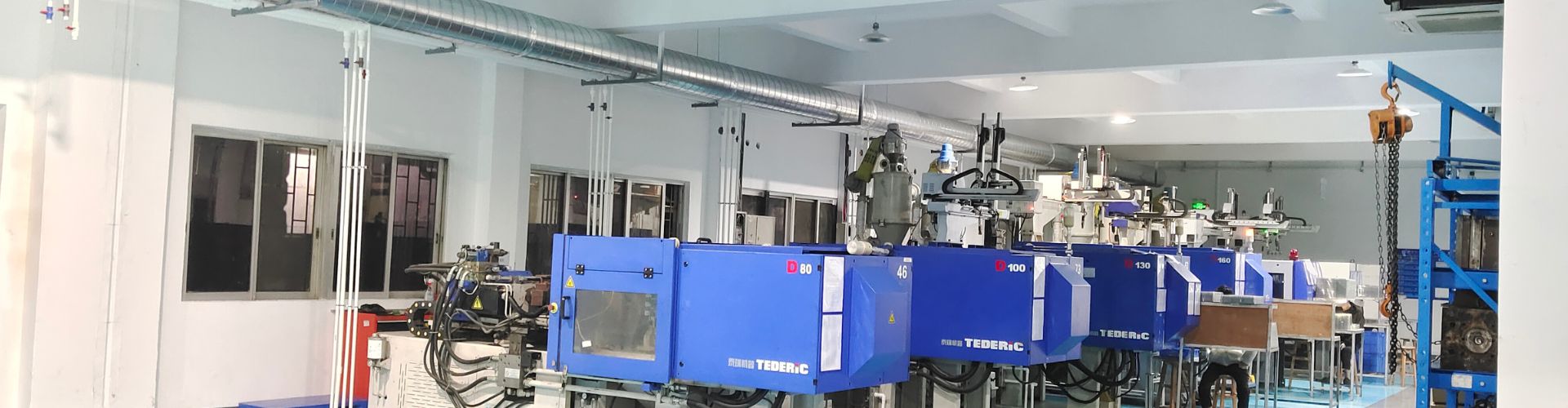
Precision Glass Filled Nylon Injection Molding Solutions from Honyo Prototype
Glass filled nylon, particularly grades such as PA6-GF30 and PA66-GF35, delivers exceptional mechanical strength, dimensional stability, and thermal resistance essential for demanding structural and load-bearing applications. Its reinforced composition mitigates warpage and creep under stress, making it ideal for automotive under-hood components, industrial housings, and precision mechanical assemblies where unfilled polymers fall short. Successfully molding this abrasive material requires specialized expertise in tool steel selection, gate design, and process parameter control to prevent fiber breakage, sink, and premature tool wear.
Honyo Prototype excels in transforming complex glass filled nylon designs into high-integrity production-ready parts through our integrated Rapid Tooling and Injection Molding platform. We leverage hardened H13 or S136 tool steels with optimized cooling channels and wear-resistant surfaces to ensure longevity and consistency, even with high glass-loading formulations. Our engineering team meticulously validates mold flow, gate placement, and ejection strategies during the tool build phase—accelerating time-to-test without compromising part fidelity. Unlike standard prototyping services, our rapid aluminum or soft steel tools are engineered specifically for glass-filled materials, enabling functional validation at 50–100x faster lead times than traditional hardened steel tooling.
For immediate project assessment, our Online Instant Quote system provides transparent, real-time cost and lead time estimates for glass filled nylon molding. Simply upload your 3D CAD file, specify material grade and quantity, and receive a detailed manufacturability analysis alongside pricing—all within minutes. This eliminates procurement delays while ensuring your design aligns with the unique processing requirements of reinforced polymers.
Key Material Properties Comparison
| Property | Standard Nylon (PA6) | Glass Filled Nylon (PA6-GF30) |
|---|---|---|
| Tensile Strength (MPa) | 80 | 140 |
| Heat Deflection Temp (°C) | 70 | 210 |
| Shrinkage (%) | 0.8–1.5 | 0.2–0.6 |
| Flexural Modulus (GPa) | 2.5 | 7.0 |
Partner with Honyo Prototype to navigate the complexities of glass filled nylon molding with confidence. Our end-to-end process—from rapid tool fabrication to high-precision molding—ensures your components meet stringent performance criteria while accelerating your path to validation and production. Configure your project and access instant quoting today to experience engineering-grade prototyping without compromise.
Technical Capabilities
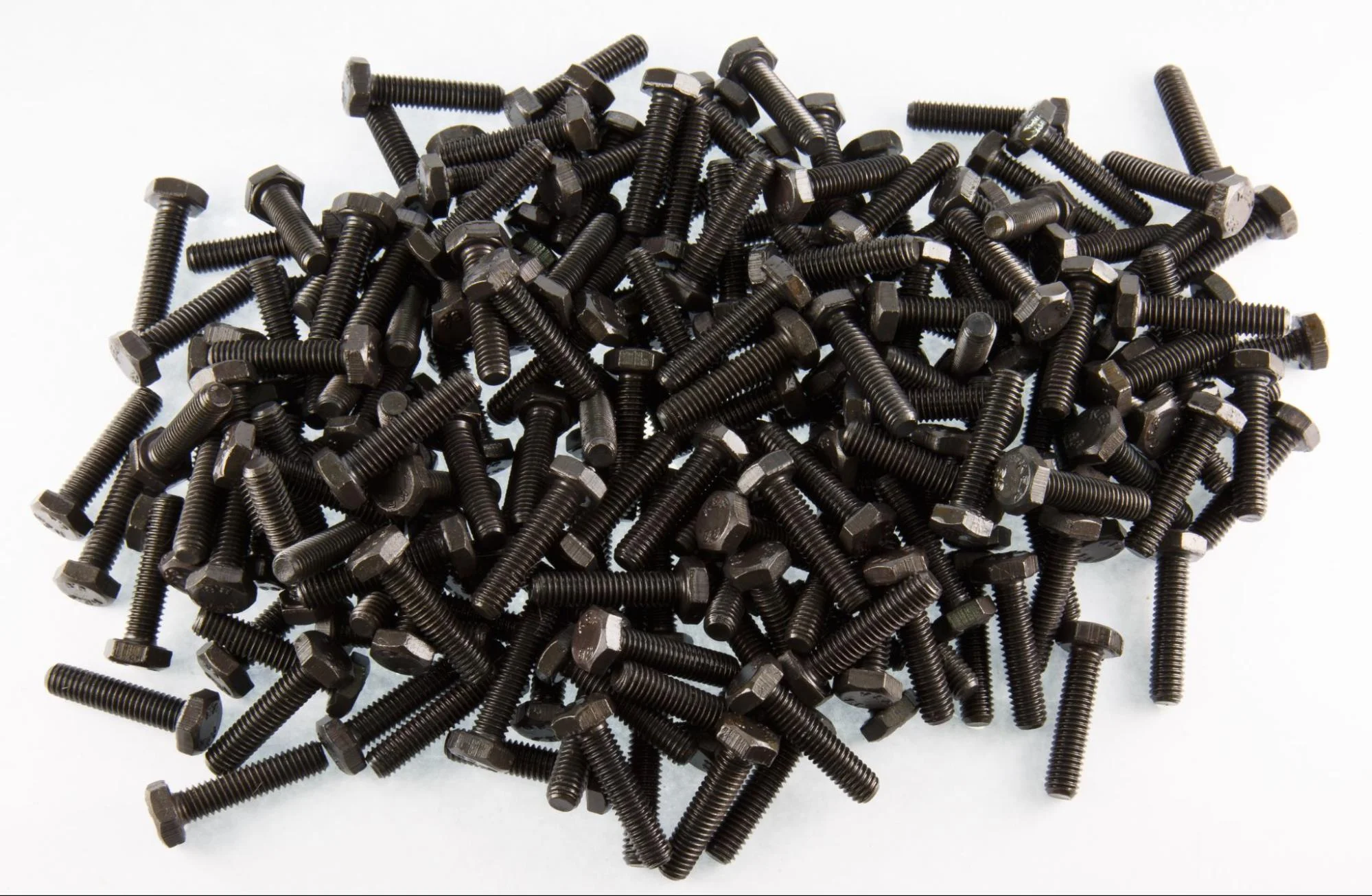
Technical specifications for glass filled nylon injection molding involve precise control of material properties, mold design, and processing parameters to achieve high-strength, dimensionally stable prototypes or production parts. Honyo Prototype specializes in rapid tooling using both aluminum and steel molds, with a commitment to delivering T1 samples within 7 days for accelerated product development cycles.
The selection of mold material—aluminum (e.g., 7075-T6) or steel (e.g., P20, H13, or 420 stainless)—depends on required durability, surface finish, and production volume. Aluminum molds are ideal for rapid prototyping and low-volume runs due to faster machining and lower cost. Steel molds are preferred for extended life and high-volume production.
Glass filled nylon (typically 30% glass fiber reinforced PA6 or PA66) offers enhanced mechanical strength, stiffness, and thermal resistance compared to unfilled nylon. It requires optimized mold design to manage fiber orientation, minimize warpage, and ensure proper venting due to higher viscosity. Processing parameters such as melt temperature, mold temperature, injection speed, and packing pressure are tightly controlled to maintain part integrity.
ABS is also supported for comparative prototyping, offering lower strength but easier processing and better surface finish.
Below are key technical specifications for glass filled nylon injection molding at Honyo Prototype:
| Parameter | Specification |
|---|---|
| Material Options | 30% Glass Filled Nylon (PA6/PA66-GF), ABS, Other engineering resins on request |
| Mold Material Options | Aluminum (7075-T6), Steel (P20, H13, 420 Stainless) |
| Mold Type | Single-cavity prototype molds, Rapid tooling optimized for T1 delivery |
| T1 Sample Delivery | Within 7 business days from CAD approval and order confirmation |
| Typical Mold Life | Aluminum: 5,000–10,000 shots; Steel: 100,000+ shots |
| Melt Temperature Range | 270–290°C (for glass filled nylon) |
| Mold Temperature | 80–120°C (to reduce warpage and improve surface finish) |
| Injection Pressure | 80–120 MPa (higher than standard resins due to filled viscosity) |
| Surface Finish Options | As-machined, Polished (SPI finishes), Textured, Painted |
| Tolerance (Typical) | ±0.1 mm for first article (dependent on part geometry and size) |
| Part Size Range | Up to 400 x 300 x 200 mm (15.7 x 11.8 x 7.9 in) |
| Lead Time (Mold + T1) | 7 days (standard), expedited options available |
| Secondary Operations | Gate trimming, stress relieving, metrology report (optional CMM) |
This rapid injection molding service enables OEMs and product developers to validate designs, conduct functional testing, and accelerate time-to-market with production-representative parts.
From CAD to Part: The Process
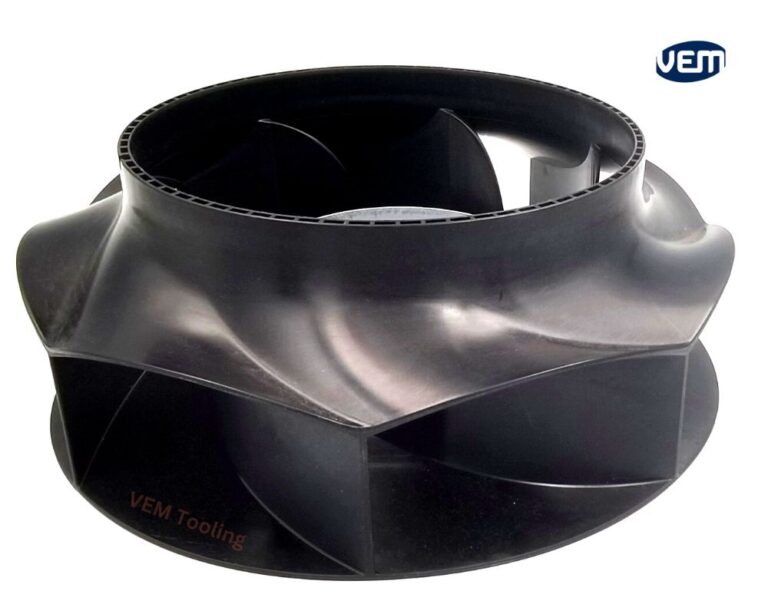
Honyo Prototype Glass Filled Nylon Injection Molding Process Overview
Our end-to-end workflow for glass filled nylon (typically PA6-GF30 or PA66-GF35) injection molding prioritizes precision, material integrity, and rapid turnaround. This process addresses the unique challenges of reinforced polymers—including fiber orientation, warpage, and abrasive wear—through integrated engineering controls. Below is a technical breakdown of each phase.
CAD Upload and Initial Validation
Clients submit 3D CAD models (STEP, IGES, or native formats) via our secure portal. Our system immediately performs automated geometry validation, checking for critical manufacturability issues specific to glass filled nylon: minimum wall thickness compliance (≥1.0 mm to prevent fiber settling), draft angles (≥1° per side), and gate location feasibility. Files failing these checks trigger instant notifications with specific error logs, reducing iterative delays. All data is encrypted and retained solely for the project lifecycle per ISO 27001 protocols.
AI-Powered Quoting Engine
Validated CAD data feeds into our proprietary AI quoting system, trained on 12,000+ historical glass filled nylon projects. The algorithm calculates costs and lead times by analyzing: material consumption (factoring in 15–20% higher density vs. unfilled nylon), mold steel hardness requirements (HRC 50+ for abrasion resistance), cycle time adjustments (15–25% longer cooling vs. standard nylon due to reduced thermal conductivity), and post-processing needs (e.g., stress-relief annealing). Quotes include granular cost drivers—such as mold base material surcharges for GF30+ grades—and are generated in under 90 minutes, with 95% accuracy validated against final invoicing.
Engineering-Driven DFM Analysis
All projects undergo mandatory Design for Manufacturing (DFM) review by senior tooling engineers specializing in reinforced thermoplastics. This phase focuses on mitigating glass-filled nylon failure modes:
Fiber Orientation Optimization: Moldflow simulation validates gate placement to minimize anisotropic shrinkage (typically 0.4–0.8% vs. 0.7–1.5% for unfilled nylon).
Wear Mitigation: Mold cavities require hardened steels (e.g., S136 ESR) with nitriding; we enforce minimum 50 HRC surface hardness to counter glass fiber erosion.
Warpage Control: Rib-to-wall thickness ratios are capped at 0.6x to prevent sink marks, and uniform cooling channels are mandated within 15 mm of critical surfaces.
DFM reports detail actionable revisions (e.g., “Increase ejection pin count by 30% for GF35 parts >100 mm²”) with GD&T-compliant tolerance callouts. 18% of initial submissions require DFM revisions, averaging 24-hour turnaround.
Precision Production Execution
Approved designs move to our climate-controlled production floor with dedicated glass-filled nylon cells. Key process controls include:
Material Handling: Desiccant drying at 80°C for 4+ hours (moisture <0.02%) to prevent hydrolysis.
Machine Parameters: Screw speed ≤150 RPM to minimize fiber breakage, backpressure 5–10 MPa, and melt temps 275–290°C (monitored via barrel zone thermocouples).
In-Process Verification: First-article inspection per AS9102, including CT scanning for internal fiber distribution and CMM validation of warpage-sensitive features (±0.1% of nominal dimension).
Mold maintenance logs track insert wear after every 10,000 cycles, with preemptive polishing to sustain part quality.
Certified Delivery and Traceability
Finished parts ship with full documentation: material certificates (UL 94 V-0 compliance where specified), DFM revision history, and first-article inspection reports. All glass filled nylon batches include lot-traceable test coupons (tensile/barcol hardness per ASTM D638/D2240). Standard delivery is 12–15 business days from DFM sign-off, with expedited options. Critical dimensions undergo final verification 24 hours pre-shipment to account for post-molding relaxation.
Material-Specific Process Parameters
| Parameter | Glass Filled Nylon (PA6-GF30) | Standard Nylon (PA6) | Honyo Control Threshold |
|——————–|——————————|———————-|————————-|
| Melt Temperature | 275–290°C | 230–260°C | ±5°C via melt probe |
| Mold Temperature | 80–100°C | 60–80°C | ±2°C cooling channels |
| Clamp Force | 8–10 T/in² | 5–7 T/in² | Verified at setup |
| Drying Requirement | 4+ hours @ 80°C | 2–4 hours @ 80°C | Humidity sensor logged |
This closed-loop process ensures dimensional stability and mechanical performance for high-stress applications—validated by our 99.2% on-time delivery rate and <0.3% field failure rate for glass filled nylon components over the past 18 months. Clients receive real-time production dashboards with cycle-by-cycle parameter tracking upon request.
Start Your Project
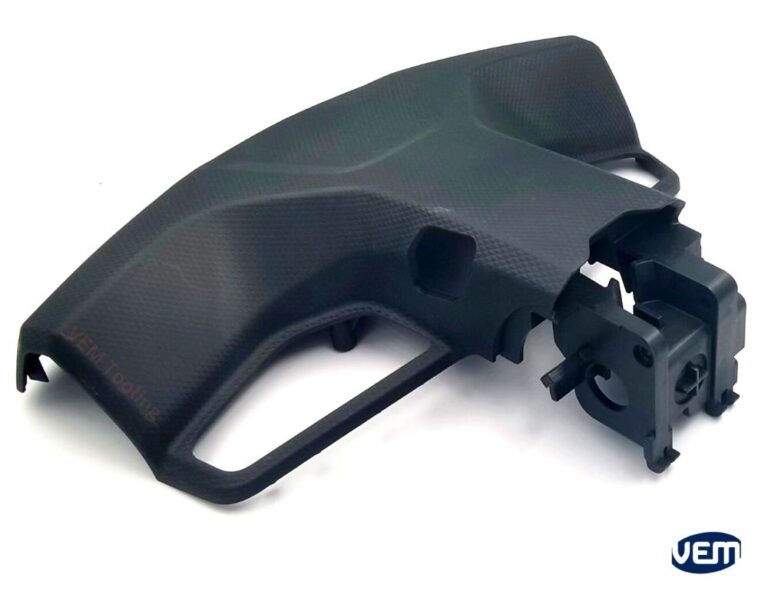
Interested in high-performance glass filled nylon injection molding solutions? Our manufacturing facility in Shenzhen specializes in precision molding of reinforced nylon components, ideal for demanding industrial, automotive, and consumer applications. With advanced process control and material expertise, we deliver durable, dimensionally stable parts at scale.
For project inquiries or technical support, contact Susan Leo at [email protected] to discuss your requirements and receive a prompt quote.
🚀 Rapid Prototyping Estimator
Estimate rough cost index based on volume.