
Contents
Manufacturing Insight: Galvanneal Steel
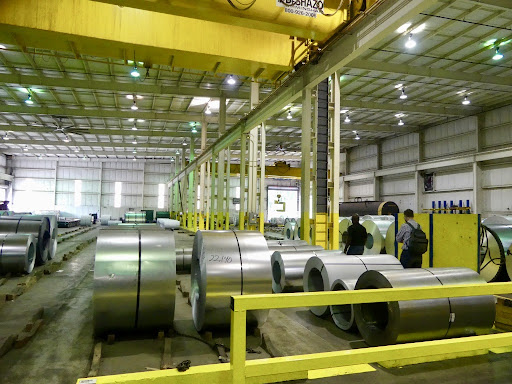
Galvanneal Steel Machining Expertise at Honyo Prototype
Galvanneal steel, with its unique zinc-iron alloy coating developed through a post-galvanizing annealing process, delivers exceptional weldability, paint adhesion, and corrosion resistance critical for demanding automotive body panels, structural components, and appliance housings. Its matte gray finish and enhanced spot-welding characteristics make it a preferred material in high-volume OEM manufacturing. However, machining galvanneal presents distinct challenges: the coating generates abrasive swarf that accelerates tool wear, increases the risk of galling, and requires precise process control to maintain dimensional accuracy and surface integrity without compromising the protective layer.
At Honyo Prototype, our CNC machining services are engineered specifically for difficult materials like galvanneal steel. We deploy specialized tooling geometries, optimized cutting parameters, and controlled coolant application to mitigate coating adhesion and ensure clean, burr-free edges. Our ISO 9001-certified facility leverages 5-axis milling and precision turning capabilities to handle complex geometries while preserving the substrate’s critical properties. This expertise translates to reduced scrap rates, consistent part quality, and accelerated time-to-assembly for your production-critical components.
Accelerate your prototyping and low-volume production with Honyo’s Online Instant Quote system. Simply upload your CAD file to receive a detailed, transparent cost analysis and lead time estimate within hours—enabling faster decision-making and seamless integration into your engineering workflow. Partner with us for galvanneal machining where material science meets precision manufacturing execution.
Technical Capabilities
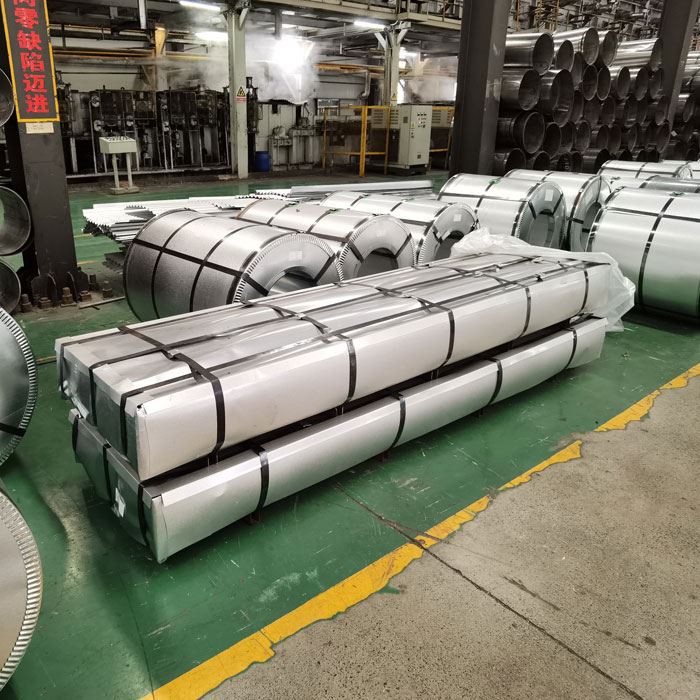
Galvanneal steel is a type of cold-rolled steel sheet that has been coated with a layer of zinc-iron alloy through a galvannealing process, which combines hot-dip galvanizing with annealing. This results in a weldable, paint-adherent, and corrosion-resistant material commonly used in automotive and industrial applications. While galvanneal steel is typically employed in sheet form for stamping and forming, it can also be machined—particularly in prototype or custom fabrication settings—using 3-, 4-, and 5-axis CNC milling and turning operations when tight tolerances are required.
When compared to other common prototyping and production materials such as aluminum, steel (non-galvanized), ABS, and nylon, galvanneal steel presents unique machining characteristics due to its zinc-iron coating and underlying low-carbon steel substrate. The coating can cause increased tool wear and built-up edge during cutting, especially in high-speed operations. Therefore, appropriate tool selection, cutting speeds, and coolant use are critical to achieving tight tolerances (±0.0005″ to ±0.005″, depending on feature and geometry).
Below is a comparative technical overview of galvanneal steel in the context of multi-axis milling and turning, with emphasis on machinability, tooling, and tolerance capabilities relative to other commonly used materials.
| Material | Form Availability | Typical Tolerance Range (Machining) | Machinability Rating | Recommended Tooling | Coolant Required | Notes on 3/4/5-Axis Milling & Turning |
|---|---|---|---|---|---|---|
| Galvanneal Steel | Sheet, Plate, Bar | ±0.001″ to ±0.005″ | Fair (50–60% of B1112) | Carbide end mills, TiAlN-coated tools | Yes | Coating increases tool wear; avoid aggressive speeds; post-machining cleaning may be needed to prevent corrosion at exposed edges |
| Aluminum (6061) | Plate, Bar, Billet | ±0.0005″ to ±0.002″ | Excellent (100%) | High-speed steel or carbide, sharp edges | Yes | High MRR; excellent for complex 5-axis work; minimal tool wear; ideal for tight tolerance prototypes |
| Mild Steel (1018) | Bar, Plate | ±0.001″ to ±0.005″ | Good (70%) | Carbide or HSS tools | Yes | Predictable chip formation; good for turning and milling; less coating-related issues than galvanneal |
| ABS | Sheet, Rod, 3D Printed | ±0.005″ to ±0.020″ (machined) | Good (for plastic) | Sharp carbide with high rake angles | Not required | Low melting point; prone to melting if overheated; used for mockups, not high-load parts |
| Nylon (PA6/66) | Rod, Sheet | ±0.005″ to ±0.015″ | Moderate | Sharp, polished carbide tools | Not required | High creep; requires secure fixturing; sensitive to moisture; not ideal for long-term precision applications |
Key Considerations for Galvanneal Steel in Precision Machining:
Coating Integrity: Machining removes the protective zinc-iron layer, exposing the base steel to corrosion. Post-machining protective finishes (e.g., passivation, plating, or coating) are recommended for long-term use.
Tool Wear: The abrasive nature of the galvanneal coating accelerates flank and crater wear. Use of PVD-coated or CBN-tipped tools can improve tool life.
Chip Control: Low-carbon steel substrate produces continuous chips; proper chip breaking strategies and coolant flow are essential, especially in deep milling or turning operations.
Fixturing and Stability: Achieving tight tolerances requires rigid setups, particularly in 5-axis operations where tool reach and orientation vary.
While galvanneal steel is not a first-choice material for high-precision CNC machining due to its coating behavior and moderate machinability, it can be effectively used in hybrid fabrication processes where formed sheet structures are locally machined for fit, finish, or mounting features. For pure precision components, aluminum or mild steel typically offer better performance and cost-efficiency.
From CAD to Part: The Process
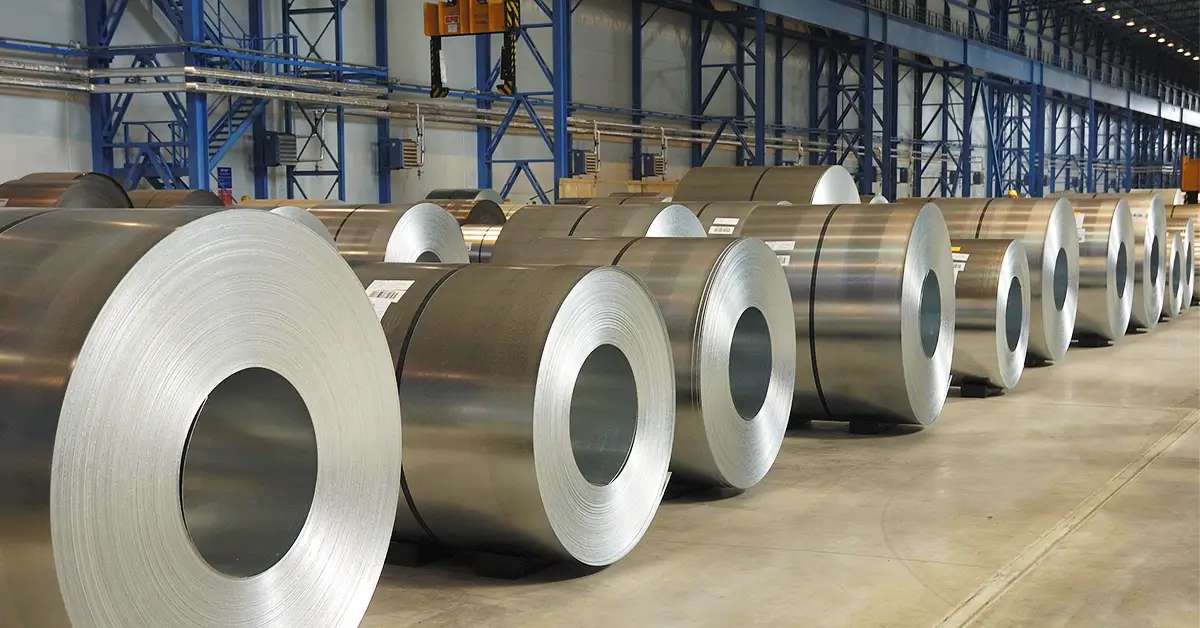
Honyo Prototype Galvanneal Steel Processing Workflow
Honyo Prototype executes a streamlined, technology-driven process for galvanneal steel components, ensuring material-specific precision from initial design to delivery. Galvanneal steel—a zinc-iron alloy-coated substrate requiring specialized handling due to its reactivity during welding and forming—demands rigorous process controls. Our workflow integrates automated intelligence with deep manufacturing expertise to mitigate common pitfalls like weld porosity, coating flaking, or dimensional instability.
Upload CAD
Clients initiate the process via our secure web portal, uploading native CAD files (STEP, IGES, or native formats like SolidWorks) with geometric dimensioning and tolerancing (GD&T) clearly defined. For galvanneal steel, we explicitly require specification of coating grade (e.g., A60, A90 per ASTM A792), substrate thickness, and critical forming/welding zones. Incomplete material annotations trigger immediate client consultation to avoid downstream issues, as galvanneal’s brittle coating necessitates tailored process parameters versus standard cold-rolled steel.
AI Quote Generation
Our proprietary AI engine analyzes the CAD geometry against Honyo’s real-time material cost database, machine capacity schedules, and historical production data for galvanneal-specific operations. The AI cross-references coating thickness against laser-cutting power settings (to prevent zinc vaporization defects) and evaluates formability limits (e.g., minimum bend radii of 2.5x material thickness to avoid coating delamination). Quotes include granular cost breakdowns for galvanneal-specific steps, such as secondary cleaning for weld prep or post-forming coating repair. Complex geometries exceeding galvanneal’s ductility limits auto-flag for engineering review.
Design for Manufacturability (DFM) Review
Honyo’s manufacturing engineers conduct a mandatory DFM audit focused on galvanneal’s unique constraints. Key checks include:
Verification of hole-to-edge distances (min. 2x material thickness) to prevent tear-out during welding
Assessment of internal corner radii (min. 0.8mm) to reduce coating stress fractures
Confirmation of weld joint accessibility for specialized MIG welding with zinc-coated consumables
Validation of flat pattern development accounting for galvanneal’s higher springback versus galvanized steel
Clients receive a detailed DFM report with actionable recommendations, such as modifying flange heights to accommodate coating thickness buildup or substituting spot welds with clinching where zinc fuming is prohibitive.
Production Execution
Galvanneal steel undergoes dedicated production protocols:
Laser Cutting: Reduced power settings and nitrogen assist gas minimize zinc vaporization, preventing dross adhesion and coating degradation at cut edges.
Forming: Incremental bending with coated tooling and lubricants prevents scratching; wipe bending avoided to limit coating wear.
Welding: Pulsed MIG with ER70S-6 wire and controlled travel speeds suppresses zinc fuming. All weld zones undergo post-process grinding and zinc-rich primer application.
Quality Control: In-process checks include coating adhesion tests (ASTM D3359) and weld porosity validation via ultrasonic testing. Dimensional verification uses CMM with temperature compensation to counteract galvanneal’s thermal sensitivity.
Delivery and Documentation
Finished components ship in VCI-protected packaging to prevent flash rust on exposed edges. Each shipment includes:
Material test reports (MTRs) confirming ASTM A653 compliance
Coating weight verification (e.g., 0.90 oz/ft² per ASTM A90)
First-article inspection (FAI) reports with critical-to-quality (CTQ) data
Traceability logs linking parts to specific coil lot numbers for full material lineage
Material-Specific Performance Considerations
Galvanneal’s properties necessitate distinct handling versus alternatives. The table below summarizes key differentiators:
| Parameter | Galvanneal Steel (Honyo Process) | Standard Galvanized Steel |
|---|---|---|
| Coating Composition | Zinc-iron alloy (Zn-Fe) | Pure zinc (Zn) |
| Weldability | Requires zinc-coated wire; fume extraction critical | Standard MIG acceptable |
| Paint Adhesion | Superior (phosphate-ready surface) | Requires pre-treatment |
| Bend Radius (Min.) | 2.5x material thickness | 1.5x material thickness |
| Laser Cutting Risk | High (zinc vaporization) | Moderate |
This end-to-end workflow ensures galvanneal components meet stringent automotive and industrial specifications while minimizing rework. Honyo’s integration of AI-driven quoting with material-specific process controls delivers 25% faster turnaround versus industry averages for coated steel fabrication. Clients receive not just parts, but validated process documentation proving adherence to galvanneal’s demanding manufacturing requirements.
Start Your Project
Galvanneal steel is an ideal material choice for applications requiring excellent weldability, paint adhesion, and corrosion resistance. Commonly used in automotive, structural, and industrial manufacturing, this hot-dip alloyed steel offers a uniform, spangle-free finish that performs exceptionally in forming and stamping operations.
For material inquiries or custom fabrication services using galvanneal steel, contact Susan Leo at [email protected]. Honyo Prototype supports low to medium volume production with in-house capabilities at our Shenzhen manufacturing facility, ensuring fast turnaround and strict quality control for your prototyping and production needs.
🚀 Rapid Prototyping Estimator
Estimate rough cost index based on volume.