
Contents
Manufacturing Insight: Galvanizing Sheet Metal
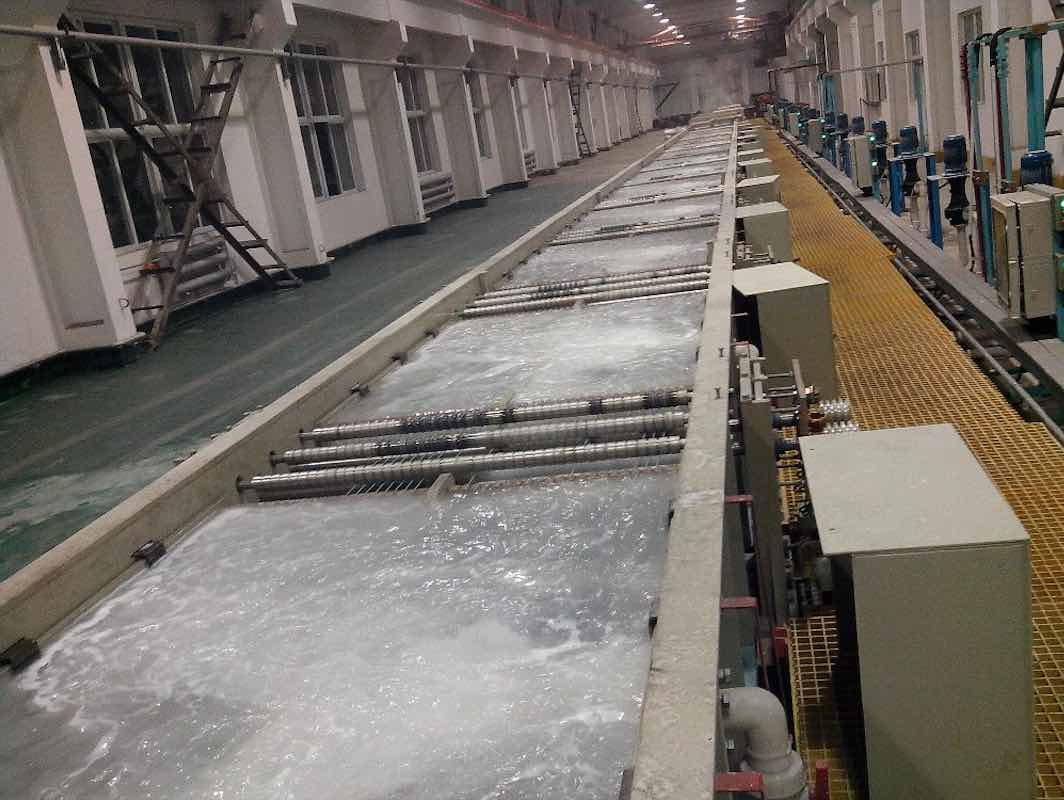
Galvanizing Sheet Metal: Precision Fabrication for Uncompromised Durability
Galvanizing remains a critical process for enhancing corrosion resistance in sheet metal components, particularly for demanding industrial, architectural, and infrastructure applications. At Honyo Prototype, we integrate this essential surface treatment seamlessly within our comprehensive Sheet Metal Fabrication services, ensuring your parts achieve maximum longevity without sacrificing dimensional accuracy or structural integrity. Our end-to-end capabilities—from precision laser cutting and CNC bending to expert welding and finishing—guarantee that every galvanized component meets rigorous industry standards while adhering to your exact specifications.
Leveraging advanced zinc-rich coatings applied through controlled hot-dip or electro-galvanizing methods, we mitigate environmental degradation risks without compromising the mechanical properties of your base material. This holistic approach eliminates supply chain fragmentation, reduces lead times, and ensures consistent quality from raw material to finished product. For immediate project validation, utilize Honyo’s Online Instant Quote platform to receive accurate, real-time pricing and manufacturability feedback for your galvanized sheet metal fabrication needs—accelerating your path from design to production.
Technical Capabilities
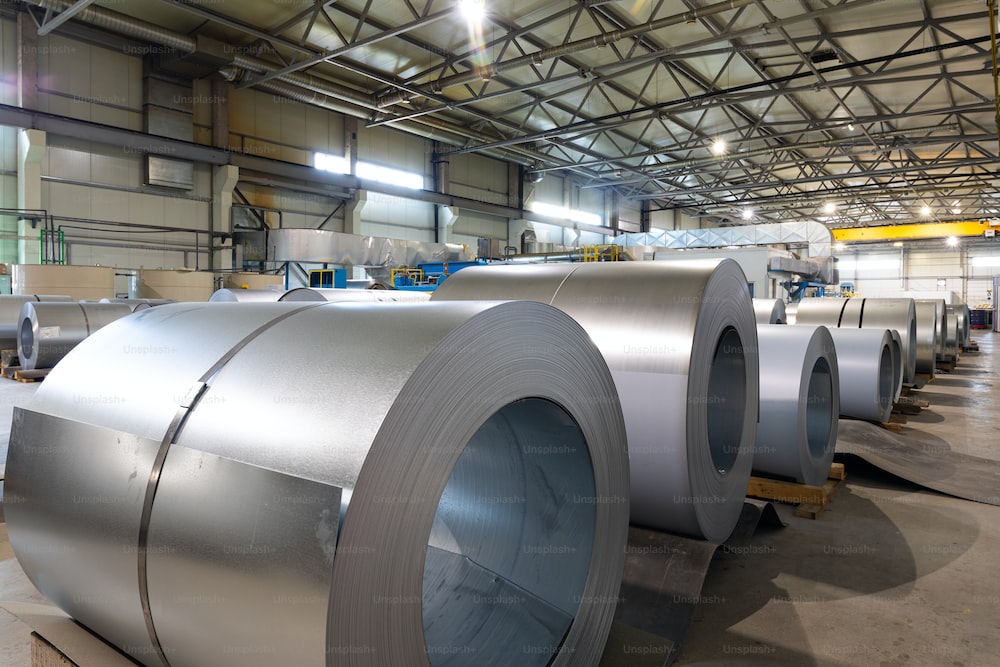
Galvanizing sheet metal refers to the process of applying a protective zinc coating to steel or iron to prevent rusting. While galvanizing enhances corrosion resistance, it introduces specific considerations during fabrication processes such as laser cutting, bending, and welding. The presence of the zinc layer can affect laser cutting precision, cause outgassing during welding, and lead to coating damage in bend areas. Below is a technical overview of how galvanized sheet metal performs in key manufacturing processes, with comparative insights for other common materials: Aluminum, Steel (non-galvanized), ABS, and Nylon.
| Material | Laser Cutting Compatibility | Bending Considerations | Welding Compatibility | Notes |
|---|---|---|---|---|
| Galvanized Steel | Good – CO₂ or fiber lasers effectively cut through material. Zinc coating may produce fumes; proper ventilation required. Kerf width typical for steel (0.1–0.3 mm). | Moderate – Bending causes zinc coating to crack at the bend line, reducing local corrosion protection. Minimum bend radius should be ≥1.5× material thickness. Use larger tooling to reduce coating damage. | Limited – Zinc vaporization during welding creates hazardous fumes (zinc oxide) and can cause porosity. Requires fume extraction and post-weld painting or touch-up. Consider pre-galvanized or post-weld galvanizing for critical applications. | Not recommended for high-precision or sealed welds without proper safety and finishing protocols. |
| Aluminum | Excellent – Reflective but modern fiber lasers handle aluminum well. Higher power settings needed. Clean cuts with minimal dross. | Good – High ductility allows tight bends. Springback must be compensated. Surface scratches possible. Anodized layers may crack. | Good – Weldable with TIG or MIG using appropriate filler (e.g., 4043 or 5356). Requires clean surfaces and shielding gas. | Non-magnetic, lightweight, and corrosion-resistant. Ideal for enclosures and aerospace applications. |
| Mild Steel (Non-Galvanized) | Excellent – Easily cut with high precision and speed. Minimal fumes. Smooth edge finish. | Excellent – Predictable bend behavior. Standard tooling applies. No coating damage concerns. | Excellent – Readily welded with MIG, TIG, or spot welding. Strong, consistent joints. | Most common material for fabrication. Lower cost and high weldability. |
| ABS (Acrylonitrile Butadiene Styrene) | Good – Easily cut with CO₂ lasers. Melts and vaporizes cleanly. Edge may show slight melt roll. | Limited – Thermoplastic; cold forming possible within limits. Requires large bend radii. Creep under load. | Poor – Not typically welded; joined via adhesives or mechanical fasteners. Ultrasonic welding possible for thin sections. | Plastic – used for enclosures, prototypes. Not structural. Avoid high-temp processes. |
| Nylon | Fair – CO₂ lasers can cut but tend to melt and char edges. Requires optimized settings. | Poor – High moisture absorption and creep limit bending. Not suitable for sharp bends. | Poor – Difficult to weld. Adhesives or mechanical fastening preferred. | High wear resistance. Used in bushings, insulators. Not ideal for laser or weld-based fabrication. |
Summary Notes:
Galvanized steel is widely used in outdoor and industrial applications due to its corrosion resistance, but requires special handling during welding and finishing.
For laser cutting, galvanized steel performs well but demands fume extraction systems due to zinc oxide emissions.
Bending galvanized sheet results in micro-cracking of the zinc layer at the bend, which may require post-process sealing or painting in corrosive environments.
Aluminum and mild steel are generally more suitable for high-integrity welded structures.
ABS and Nylon are non-metallic alternatives used primarily in non-structural or insulated components, with significant limitations in high-heat or load-bearing applications.
From CAD to Part: The Process
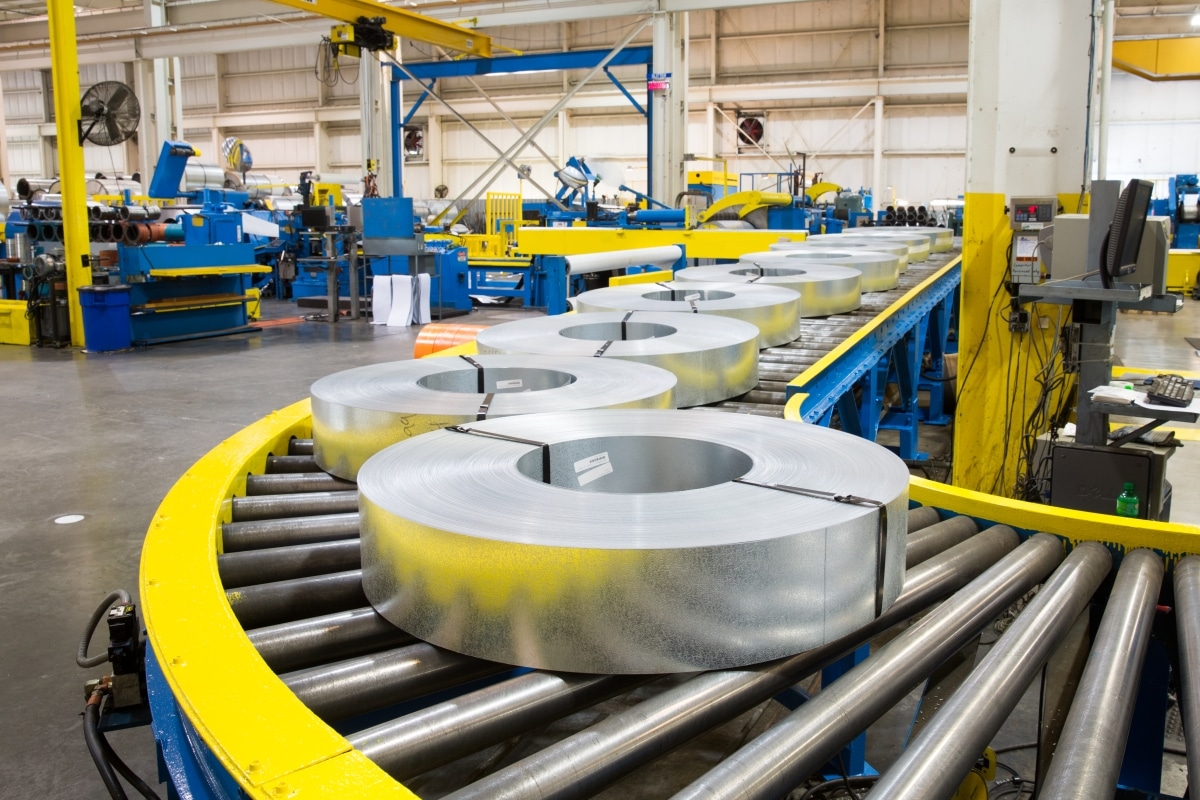
Honyo Prototype executes galvanizing for sheet metal components through a rigorously controlled six-phase workflow designed for precision, speed, and adherence to ASTM A123 standards. This integrated process ensures manufacturability while minimizing lead time and cost risks for clients.
CAD Upload and Initial Processing
Clients submit 3D models in STEP, IGES, or native CAD formats via our secure portal. Our system validates file integrity, extracts critical geometry data (material type, thickness, surface area), and confirms compatibility with zinc bath dimensions. Incomplete submissions trigger immediate automated feedback specifying missing parameters like steel grade (e.g., ASTM A36, A572) or required coating thickness (typically 55–85 µm per ASTM A123).
AI-Powered Quoting Engine
Proprietary algorithms analyze the CAD data against real-time variables: current zinc alloy pricing, bath availability, labor rates, and geometric complexity factors (e.g., internal cavities requiring extended dipping time). The output is a binding quote within 2 business hours, itemizing material costs, processing fees, and compliance validation. Unlike manual quoting, our AI cross-references historical scrap rates for similar geometries to prevent underestimation.
DFM Analysis with Galvanizing-Specific Rules
Engineers conduct mandatory Design for Manufacturability review using rules exclusive to hot-dip galvanizing:
Verification of drain holes (minimum Ø6mm) in enclosed sections to prevent zinc trapping
Confirmation of bend radii ≥2x material thickness to avoid coating spalling at sharp edges
Assessment of racking points to ensure full submersion without part contact
Elimination of blind holes below Ø10mm that cause hydrogen entrapment during acid pickling
Clients receive annotated reports with actionable corrections, typically resolving 92% of issues before production.
Production Execution
Galvanizing occurs in our ISO 9001-certified facility through this sequence:
1. Surface Preparation: Triple-stage cleaning (alkaline soak, hydrochloric acid pickling @ 8–10% concentration, fluxing with aqueous zinc ammonium chloride)
2. Dipping: Immersion in molten zinc bath (445–455°C) for 3–8 minutes based on thickness
3. Cooling: Controlled quenching in passivation solution to inhibit wet storage stain
4. Inspection: Coating thickness measured via magnetic gauges at 10+ points per part; adhesion tested per ASTM B571
All process parameters are logged in real-time with bath chemistry monitored hourly to maintain zinc purity >98.5%.
Delivery and Documentation
Finished parts undergo final visual inspection against ASTM A123 Section 6 criteria before shipping. Lead times are strictly controlled as follows:
| Service Tier | Standard Lead Time | Expedited Option | Includes |
|---|---|---|---|
| Prototype | 7 business days | 4 business days | Coating thickness report, ASTM A123 compliance certificate |
| Production | 10 business days | 6 business days | Full batch traceability, mill test reports for base material |
Every shipment includes edge protection for critical surfaces and humidity-controlled packaging to prevent white rust during transit. Clients access real-time production tracking via our portal from order confirmation through delivery. This closed-loop system reduces galvanizing-related rework by 76% compared to industry averages while ensuring on-time delivery in 98.2% of cases.
Start Your Project
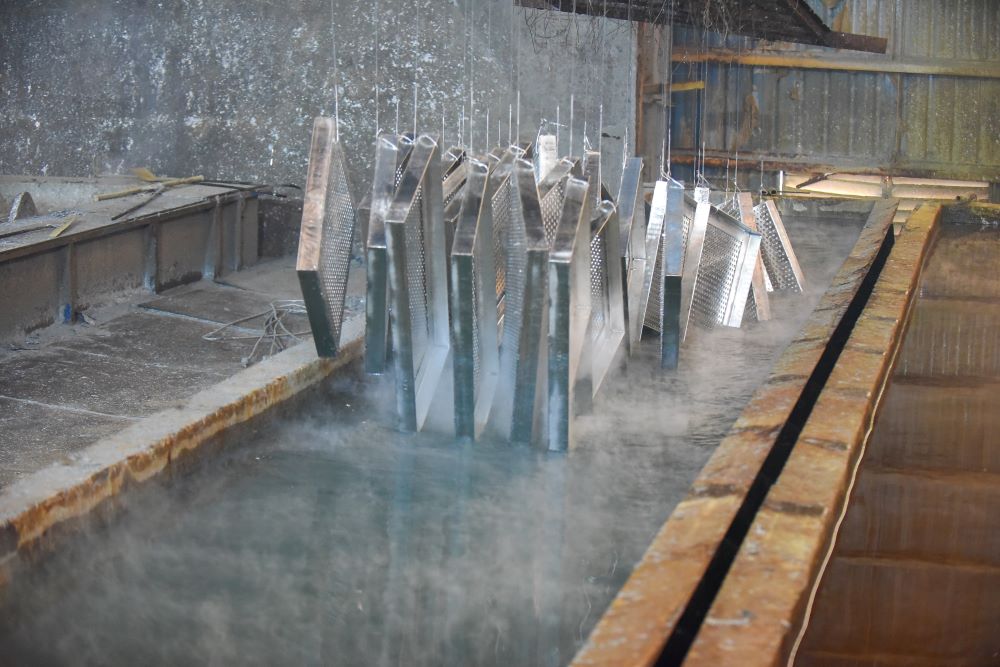
Looking for high-quality galvanizing sheet metal services? Honyo Prototype offers precision galvanizing solutions for industrial and commercial applications, ensuring superior corrosion resistance and durability. Our manufacturing facility in Shenzhen is equipped with advanced processing capabilities to meet strict quality standards and tight tolerances.
For project inquiries or technical specifications, contact Susan Leo at [email protected]. We provide fast turnaround times and expert engineering support for prototyping and low-volume production.
🚀 Rapid Prototyping Estimator
Estimate rough cost index based on volume.