
Contents
Manufacturing Insight: Galvanizing Of Steel
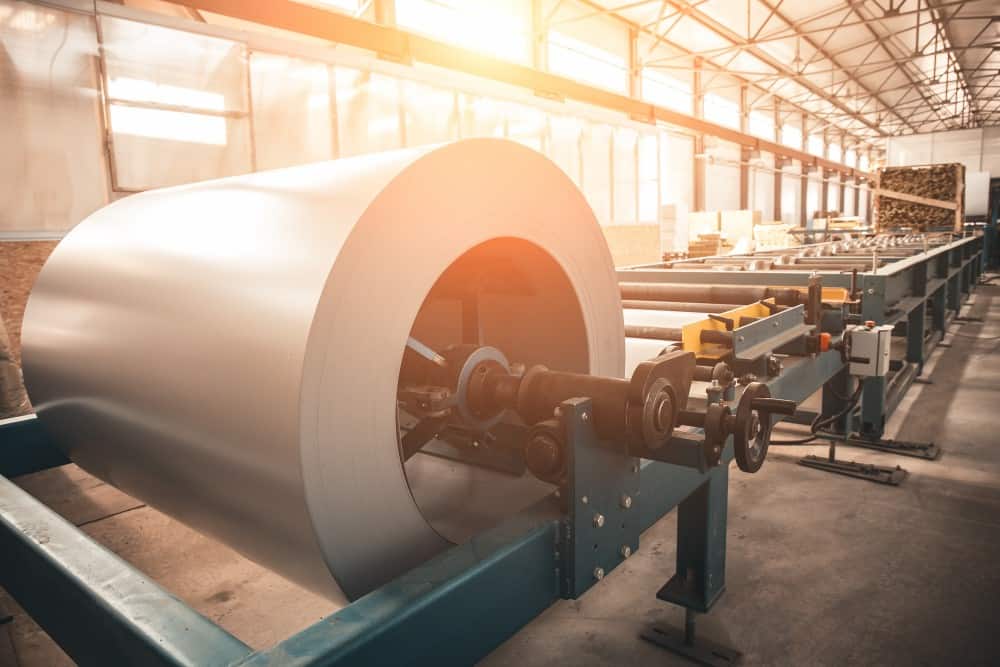
Galvanizing Steel Precision Components for Enhanced Durability and Corrosion Resistance
Galvanizing remains a critical surface treatment process for steel components requiring long-term protection against corrosion in demanding environments. At Honyo Prototype, we integrate this essential finishing step seamlessly with our high-precision CNC machining capabilities to deliver fully functional, production-ready prototypes and low-volume parts. Our end-to-end manufacturing workflow ensures that components machined to exacting tolerances—using advanced 3-, 4-, and 5-axis CNC systems—are optimally prepared for uniform zinc coating, eliminating dimensional compromises or surface defects that could undermine performance. This synergy between precision machining and post-processing expertise allows engineers to validate designs with confidence, knowing parts meet both geometric specifications and environmental resilience requirements from the earliest stages of development.
By managing both CNC fabrication and galvanizing in-house, Honyo Prototype streamlines your supply chain, reduces lead times, and guarantees consistent quality control across all process stages. Whether producing complex brackets, structural mounts, or custom hardware, our team applies industry-best practices for pre-treatment, zinc application, and post-galvanizing inspection to ensure adhesion, coverage, and compliance with ASTM A123 or ISO 1461 standards. To accelerate your project timeline, leverage our Online Instant Quote system for rapid, transparent pricing on integrated CNC machining and galvanizing services—simply upload your CAD file and receive a detailed quotation within hours, not days. Start your next corrosion-resistant steel component with engineering precision you can prototype quickly and scale efficiently.
Technical Capabilities
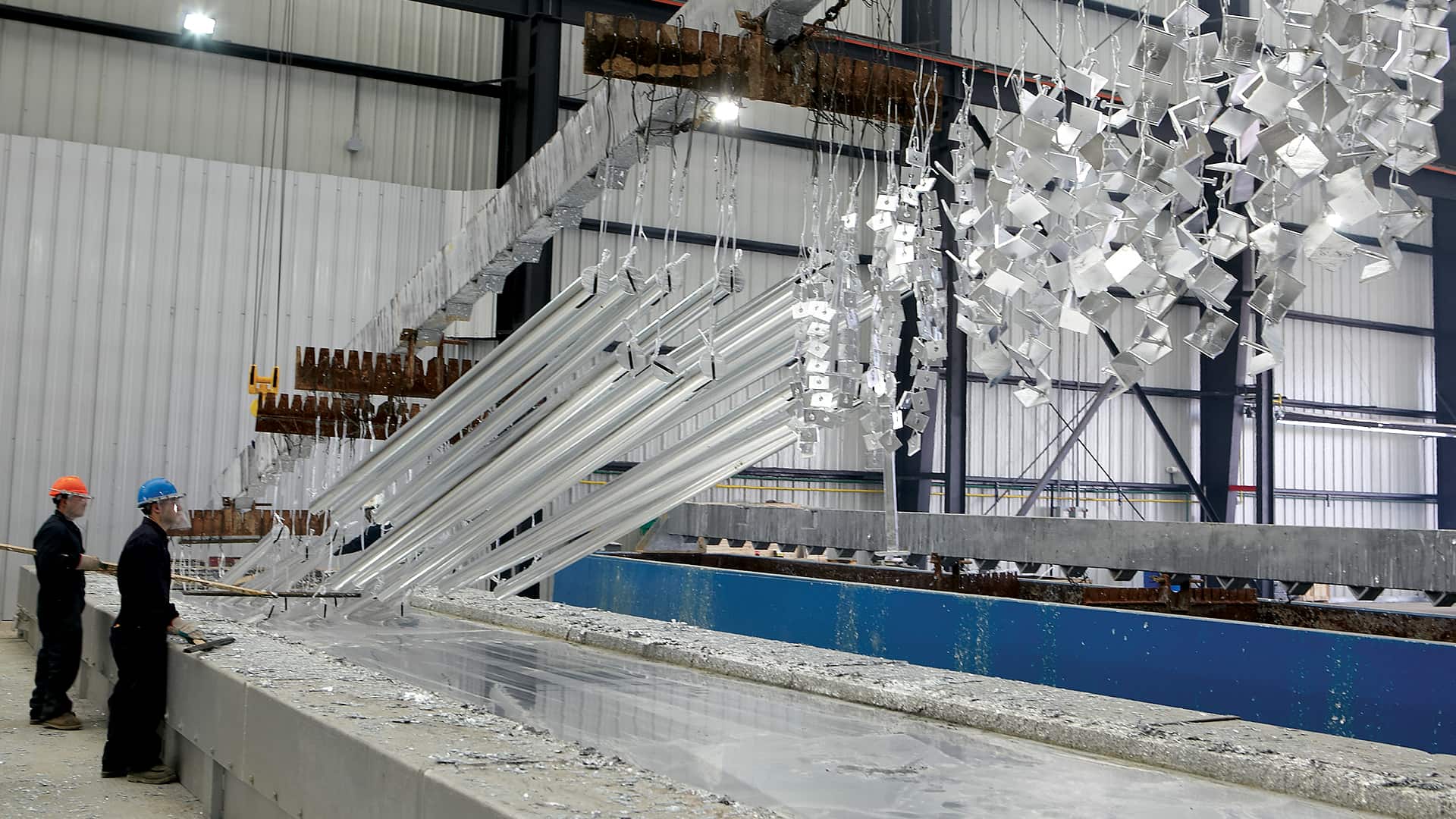
Galvanizing of steel is a post-processing surface treatment typically applied to ferrous materials to enhance corrosion resistance through the application of a protective zinc coating. While galvanizing itself is not a machining process, it is often performed after precision manufacturing operations such as 3/4/5-axis milling and turning, particularly when tight tolerances and long-term durability are required. It is important to note that galvanizing can affect dimensional tolerances due to zinc buildup, especially in high-precision components, and is generally incompatible with non-metallic materials such as ABS and Nylon.
Below is a technical overview of how galvanizing interacts with various materials and manufacturing processes, particularly in the context of high-accuracy machining:
| Process / Material | 3/4/5-Axis Milling | Turning | Tight Tolerance (±0.001″ or better) | Compatibility with Galvanizing | Notes |
|---|---|---|---|---|---|
| Steel (Low Carbon, e.g., 1018, 1020) | Excellent dimensional accuracy achievable prior to galvanizing | High precision turning possible | Limited post-galvanizing; zinc layer adds 0.001–0.003″ per surface | Fully compatible | Galvanizing commonly applied; re-machining after coating not recommended; design for post-coating dimensions |
| Aluminum (e.g., 6061, 7075) | Excellent for complex geometries | High precision achievable | Easily maintained | Not applicable | Aluminum uses anodizing or powder coating instead; galvanizing is not used due to incompatibility |
| ABS Plastic | Machinable in multi-axis systems | Suitable for prototype turning | Achievable for non-critical features | Not compatible | Organic materials cannot be galvanized; risk of outgassing or degradation |
| Nylon (e.g., PA6, PA66) | Good for non-structural prototypes | Used in low-friction component turning | Possible with controlled environment | Not compatible | Thermoplastics degrade under galvanizing bath temperatures (typically 840°F / 450°C) |
Key Technical Considerations:
Galvanizing is performed via hot-dip immersion, which introduces thermal and coating thickness variables. For tight-tolerance steel components, it is critical to:
Finalize all precision machining before galvanizing
Account for zinc layer buildup in interference fits or threaded features (e.g., pre-tap threads undersized)
Avoid galvanizing after precision grinding or lapping where sub-0.001″ tolerances are required
Consider alternative corrosion protection (e.g., passivation, plating, or powder coating) when tighter dimensional control is needed
At Honyo Prototype, we recommend designing steel parts with galvanizing in mind—specifying allowances for coating thickness and avoiding enclosed pockets that may trap zinc. For aluminum and engineering plastics like ABS or nylon, alternative finishes are advised to maintain both dimensional integrity and material performance.
From CAD to Part: The Process
Honyo Prototype executes steel galvanizing through a defined technical workflow optimized for precision manufacturing. This process is primarily applied to production-intent prototypes or low-volume components where corrosion resistance is critical, though it is less common for pure concept prototypes due to lead time and cost implications. Our integrated approach ensures technical feasibility and quality from design to delivery.
CAD Upload and Validation
Clients initiate the process by uploading native CAD files (STEP, IGES, or Parasolid formats preferred) via our secure customer portal. Our system performs automated validation checks for file integrity, unit consistency, and geometric completeness. Any detected anomalies such as missing features or incorrect material specifications trigger an immediate notification to the client’s engineering contact for resolution prior to quotation. This step prevents downstream delays caused by ambiguous design data.
AI-Powered Quotation with Engineering Oversight
Upon validated CAD submission, our proprietary AI quotation engine analyzes geometric complexity, surface area, steel grade compatibility (e.g., ASTM A36, A572), and required galvanizing standards (ASTM A123/A153). The AI generates a preliminary cost and lead time estimate within 2 business hours, factoring in zinc bath immersion dynamics, racking requirements, and post-treatment processing. Crucially, all AI outputs undergo mandatory review by a Senior Manufacturing Engineer who verifies technical assumptions, checks for galvanizing-specific constraints like drainage hole adequacy, and adjusts the quote for real-world production variables. Clients receive a formal quotation with clear technical annotations, not just pricing.
Design for Manufacturing (DFM) Review
Following quote acceptance, our DFM team conducts a rigorous analysis focused on galvanizing process requirements. Key review items include:
Verification of adequate venting and drainage holes to prevent zinc trapping and ensure uniform coating
Assessment of steel chemistry for silicon/phosphorus content affecting coating adhesion (Sandelin effect mitigation)
Confirmation of dimensional tolerances compatible with typical 4-8 mil zinc coating thickness
Evaluation of assembly interfaces for potential post-galvanizing rework needs
This phase typically yields a marked-up DFM report with actionable recommendations, such as adding 3/16″ minimum drainage holes at lowest points or modifying sharp edges to prevent bare spots. Client approval of DFM changes is required before production release.
Galvanizing Production Execution
Production occurs at our ISO 9001-certified facility using a continuous hot-dip process adhering to ASTM A123 specifications:
| Process Stage | Key Parameters | Quality Control Checkpoints |
|---|---|---|
| Surface Preparation | Alkaline cleaning (80-180°F), acid pickling (10-15% HCl), fluxing (30% ZnCl₂/NH₄Cl) | pH monitoring, iron saturation testing, visual cleanliness verification |
| Galvanizing | Molten zinc bath (840±10°F), immersion time 3-8 minutes based on mass | Bath chemistry (Pb <1.5%, Al <0.01%), coating thickness via magnetic gauge (min 3.9 mils for 1/8″ steel) |
| Post-Treatment | Quenching in chromate-free passivation, air cooling | Adhesion testing (ASTM B571), coating continuity (copper sulfate test) |
All critical parameters are logged in real-time to our MES system, with non-conformances triggering automatic process holds. Parts undergo 100% visual inspection for bare spots, ash inclusions, or distortion before packaging.
Delivery and Documentation
Galvanized components ship in custom anti-static VCI paper packaging within 72 hours of final inspection to prevent white rust formation during transit. Each shipment includes:
ASTM A123 compliance certificate with actual coating thickness measurements
Traceability report linking parts to production batch and zinc bath chemistry logs
DFM implementation verification showing approved design modifications
Handling instructions for post-galvanizing machining or assembly
This structured workflow ensures galvanized steel components meet stringent corrosion resistance requirements while minimizing rework. For projects involving galvanizing, we strongly recommend early engagement with our engineering team during design to optimize for the process—typically reducing total project lead time by 15-20% through proactive DFM resolution. Contact our manufacturing engineering group to discuss specific material or specification requirements for your application.
Start Your Project
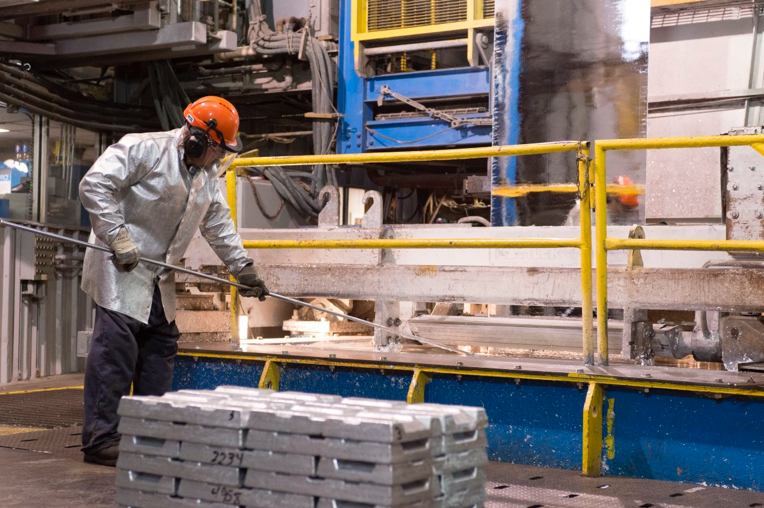
For high-quality galvanizing of steel components, trust Honyo Prototype’s precision manufacturing services. Our Shenzhen-based factory utilizes advanced galvanization techniques to ensure superior corrosion resistance, durability, and extended service life for your steel products.
Contact Susan Leo today to discuss your project requirements and receive a tailored solution.
Email: [email protected]
Leverage our expertise in industrial-grade surface treatment for demanding applications across automotive, construction, and heavy equipment sectors.
🚀 Rapid Prototyping Estimator
Estimate rough cost index based on volume.