
Contents
Manufacturing Insight: Galvanising Of Steel
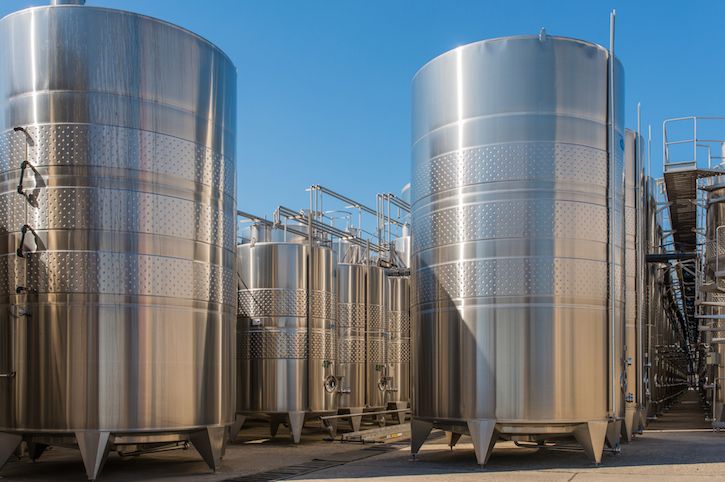
Galvanising Steel: Precision Fabrication Meets Corrosion Protection at Honyo Prototype
Galvanising steel remains a critical process for enhancing durability and extending the service life of structural components through a robust zinc coating that combats corrosion in demanding environments. At Honyo Prototype, we recognize that high-performance galvanised steel parts begin with equally precise fabrication. Our advanced CNC machining services ensure that components destined for galvanising—such as brackets, frames, and industrial fixtures—are manufactured to exacting tolerances, with optimized surface finishes that maximize adhesion and longevity of the zinc layer. This seamless integration of precision engineering and protective finishing eliminates supply chain fragmentation, reducing lead times while guaranteeing dimensional accuracy that withstands rigorous post-treatment handling.
Unlike conventional vendors, Honyo Prototype delivers end-to-end control from raw material to finished galvanised product. Our CNC milling and turning capabilities accommodate complex geometries and tight tolerances (±0.005 mm), ensuring parts arrive at galvanising facilities ready for immediate processing without rework. This synergy between machining and surface treatment minimizes defects, accelerates time-to-market, and meets stringent industry standards for sectors including renewable energy, transportation, and heavy machinery.
Accelerate your project timeline with Honyo’s Online Instant Quote system. Upload CAD files to receive a detailed, transparent cost estimate for CNC-machined steel components—including those requiring galvanising—within hours. No manual back-and-forth: our platform automatically assesses manufacturability, material requirements, and finishing compatibility, empowering rapid decision-making for prototypes and low-volume production. Partner with Honyo to transform precision-engineered steel into corrosion-resistant solutions, backed by engineering expertise and digital efficiency.
Technical Capabilities
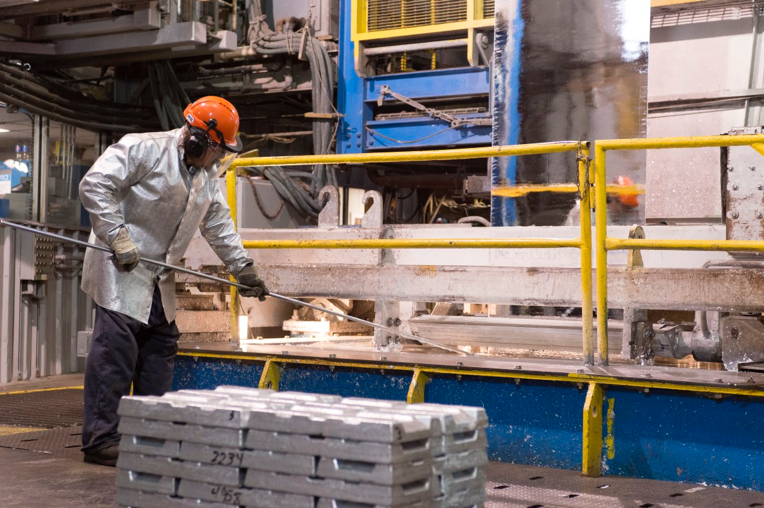
Galvanising of steel is a corrosion protection process involving the application of a zinc coating to steel or iron substrates, typically through hot-dip galvanising or electro-galvanising. It is not a machining process and therefore does not directly relate to 3/4/5-axis milling, turning, or tight tolerance manufacturing operations. However, machined components—especially those made from steel—may undergo galvanising post-machining to enhance durability in harsh environments.
For components requiring tight tolerances, complex geometries, or multi-axis machining (such as in aerospace, automotive, or industrial equipment), galvanising must be considered during the design and manufacturing planning stages. This is because the added zinc layer can affect dimensional accuracy and surface finish, particularly on tight tolerance features such as bores, threads, or sealing surfaces. Post-galvanising machining may be required in some cases, though it is generally avoided due to the abrasive nature of the zinc coating.
Below is a summary of how galvanising interacts with materials commonly used in precision machining processes:
| Process / Material | Aluminum | Steel | ABS | Nylon |
|---|---|---|---|---|
| Compatibility with Galvanising | Not applicable – aluminum naturally forms a protective oxide layer and is typically anodized instead. | Primary candidate – carbon and low-alloy steels are commonly galvanised to prevent rust. | Not applicable – thermoplastics are immune to rust and not galvanised. | Not applicable – nylon is a corrosion-resistant polymer and not galvanised. |
| Effect on Tight Tolerances | N/A | Zinc coating adds 50–150 µm per surface; can impact fit and function in precision bores, threads, and mating surfaces. Pre-plating machining to oversized dimensions or post-coating finishing may be required. | N/A | N/A |
| Machining Process Consideration (3/4/5-axis Milling & Turning) | Frequently machined using multi-axis CNC for complex, tight tolerance parts (e.g., housings, brackets). No post-machining galvanising needed. | Often machined to tight tolerances; galvanising usually performed after machining. Risk of hydrogen embrittlement in high-strength steels; baking may be required. Dimensional changes must be accounted for in design. | Commonly machined for prototypes and jigs; no galvanising involved. Suitable for non-structural, tight tolerance components. | Machined for wear-resistant parts; no galvanising. Stable dimensions and chemical resistance make it ideal for specific industrial applications. |
| Typical Surface Finish Post-Process | Smooth, anodized or as-machined | Spangled or uniform matte gray; slightly rougher than machined steel. May require masking of critical areas. | Smooth, as-machined or polished | Smooth, as-machined; low friction |
Note: For steel components requiring both tight tolerances and corrosion protection, alternatives such as zinc-nickel plating, passivation, or powder coating may be considered when dimensional stability is critical. Design for Manufacturability (DFM) reviews should include coating allowances and potential post-coating rework operations.
From CAD to Part: The Process
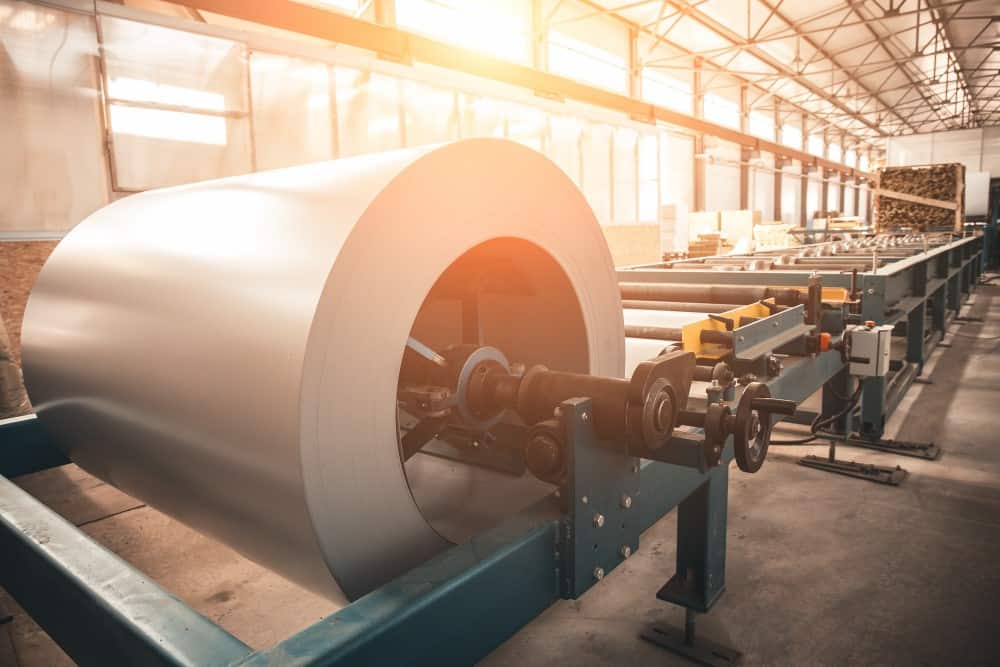
Honyo Prototype’s Clarification on Galvanising and Corrosion Protection Process
Honyo Prototype does not offer hot-dip galvanising as a standard in-house service due to the specialized infrastructure, environmental regulations, and batch-processing nature of this technique, which is incompatible with rapid prototyping and low-volume production. Hot-dip galvanising requires large-scale zinc baths and extended processing times, making it impractical for prototype quantities. Instead, we provide alternative corrosion-resistant surface finishes suitable for prototypes and low-volume runs, such as zinc plating (electro-galvanising), zinc-nickel plating, and powder coating. Below is our actual process flow for steel components requiring corrosion protection, aligned with your referenced structure but reflecting our operational capabilities.
Upload CAD
Clients submit 3D CAD files (STEP, IGES, or native formats) via our secure portal. For steel parts requiring corrosion resistance, we immediately assess material grade (e.g., ASTM A36, CR1018), geometry, and environmental exposure requirements. If the design specifies “galvanising,” our system flags it for expert review during DFM, as material suitability (e.g., silicon content for hot-dip) and dimensional tolerances must be validated early.
AI Quote
Our AI-driven quoting engine analyzes the CAD geometry, material, and finish requirements. For corrosion protection, it cross-references:
Material compatibility with electrochemical finishes (e.g., zinc plating on low-carbon steel).
Surface area calculations for plating thickness control.
Lead time implications (e.g., zinc plating adds 2–3 days vs. 7–10 days for outsourced hot-dip).
The quote explicitly states available finishes (e.g., “zinc plating per ASTM B633 SC4” instead of hot-dip galvanising) and notes limitations if hot-dip is requested.
DFM (Design for Manufacturability)
Our engineering team conducts a rigorous DFM review, focusing on corrosion protection:
Material validation: Confirms steel grade suitability for plating (e.g., avoids high-silicon steels that cause brittle coatings).
Geometry analysis: Identifies blind holes, sharp edges, or complex cavities that may cause uneven plating or hydrogen embrittlement risks.
Finish specification: Recommends optimal alternatives if hot-dip is infeasible (e.g., zinc-nickel for salt-spray resistance >1,000 hours).
Tolerance review: Adjusts critical dimensions to account for plating buildup (typically 5–15µm per side). Clients receive a DFM report with actionable recommendations before proceeding.
Production
For corrosion-protected steel parts:
1. Pre-treatment: Degreasing, acid pickling, and activation to ensure coating adhesion.
2. Plating: Electro-galvanising (zinc) or zinc-nickel in controlled rack/barrel lines. Thickness is monitored via XRF to meet ASTM/ISO standards.
3. Passivation: Chromate or trivalent passivation for enhanced corrosion resistance.
4. Quality control: Salt-spray testing (ASTM B117), adhesion checks, and thickness verification per lot. Hot-dip galvanising is outsourced only for rare, high-volume production runs with client approval, but this is excluded from our core prototype workflow.
Delivery
Finished parts undergo final inspection against the approved DFM and material certifications. Corrosion-tested samples (with salt-spray reports) ship with documentation including:
Coating thickness test results
Material traceability (mill certificates)
Passivation type and compliance data
Lead times average 7–10 days for plated steel prototypes, with expedited options. All shipments include handling guidelines to prevent coating damage during transit.
Critical Distinction for Clients
While “galvanising” colloquially refers to zinc-based corrosion protection, Honyo Prototype’s expertise lies in scalable, prototype-compatible electrochemical finishes—not hot-dip processes. Our DFM phase proactively addresses this gap to prevent design rework, ensuring steel parts meet functional requirements without delaying time-to-market. For projects requiring true hot-dip galvanising, we advise collaboration with dedicated industrial galvanisers during the production scaling phase, not prototyping.
Start Your Project
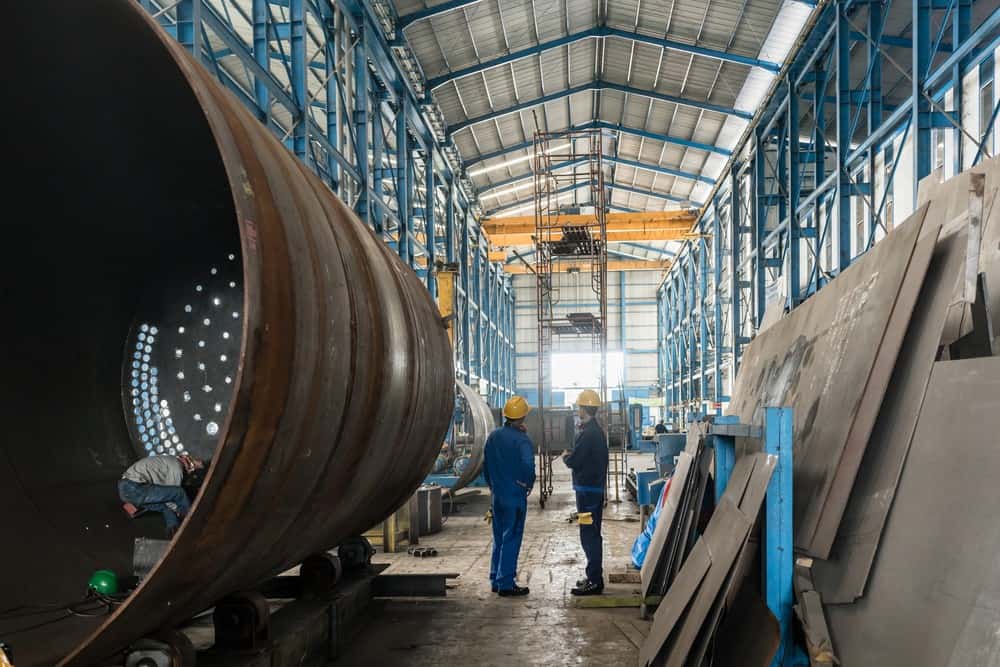
For high-quality galvanising of steel components, trust Honyo Prototype’s precision manufacturing services. Our dedicated facility in Shenzhen ensures fast turnaround, strict quality control, and industrial-grade corrosion protection for your steel parts.
Contact Susan Leo today to discuss your project requirements and receive a competitive quote.
Email: [email protected]
Honyo Prototype – Delivering durable, corrosion-resistant solutions from our Shenzhen factory to global clients.
🚀 Rapid Prototyping Estimator
Estimate rough cost index based on volume.