
Contents
Manufacturing Insight: Galvanised Steel Vs Stainless Steel
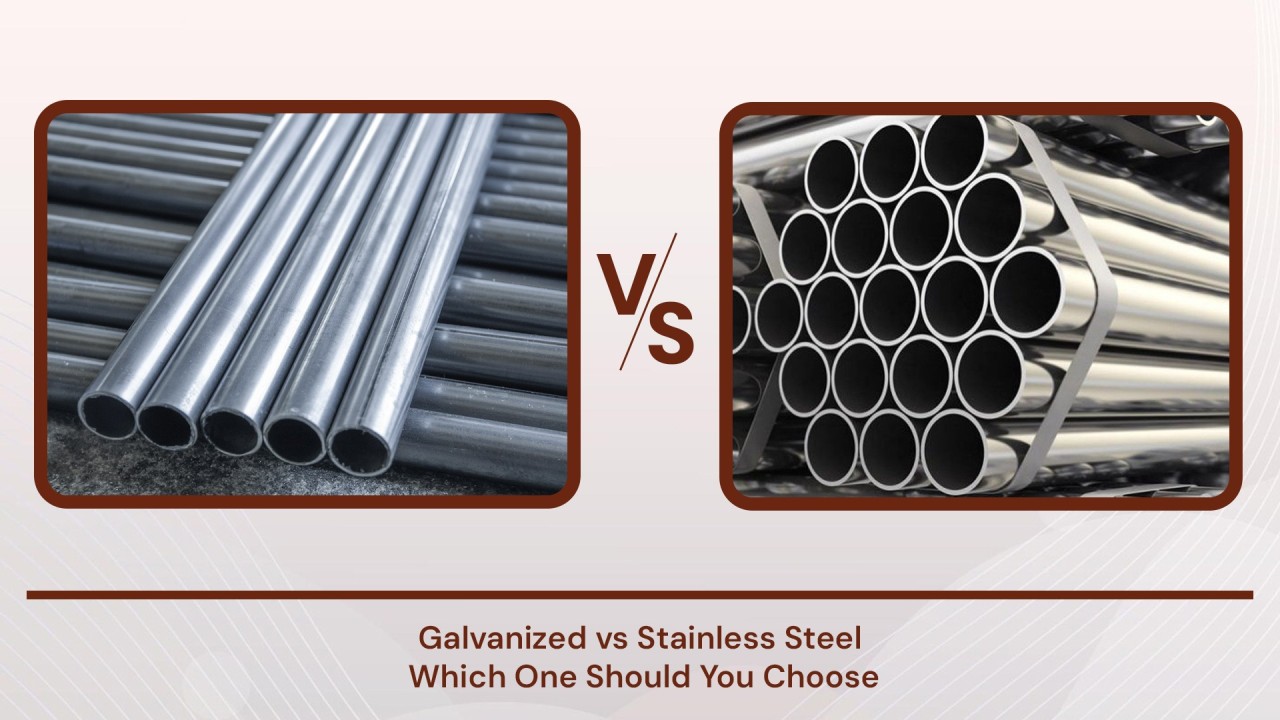
Galvanised Steel vs Stainless Steel Material Selection Guidance from Honyo Prototype
Selecting between galvanised steel and stainless steel is a critical engineering decision impacting corrosion resistance, lifecycle cost, and manufacturability for precision components. Galvanised steel provides economical protection through its zinc coating, suitable for many indoor or less corrosive environments, but requires careful CNC machining consideration to avoid coating damage and potential galvanic corrosion at cut edges. Stainless steel offers superior inherent corrosion and heat resistance due to its chromium-nickel alloy composition, maintaining integrity through machining, though its work-hardening tendencies and thermal conductivity differentials demand specific tooling strategies and process parameters to achieve tight tolerances and optimal surface finishes.
At Honyo Prototype, our senior engineering team leverages deep material science expertise and advanced CNC machining capabilities to navigate these complexities. We understand how the microstructural stability of 304/316 stainless grades differs fundamentally from the coated substrate of galvanised mild steel during milling, turning, or drilling operations. This knowledge ensures your chosen material is machined with the correct speeds, feeds, tool geometries, and coolant strategies to prevent delamination, burring, or dimensional drift, delivering components that meet exacting functional and aesthetic specifications without costly rework.
Optimise your prototyping or low-volume production timeline by leveraging Honyo Prototype’s precision CNC services. Upload your CAD file today to receive an Online Instant Quote reflecting accurate material costs, machining feasibility, and lead time based on your specific galvanised steel or stainless steel requirements. Our engineering review guarantees manufacturability before you commit.
Technical Capabilities
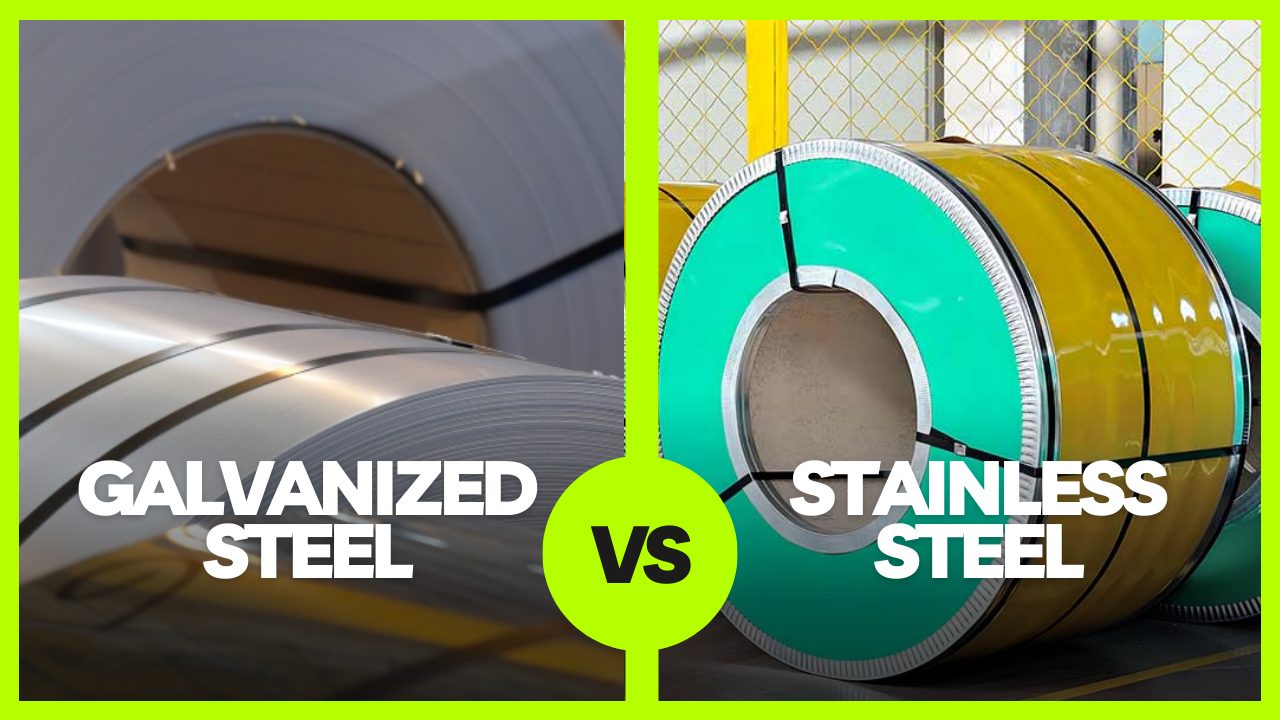
Technical Comparison: Galvanised Steel vs Stainless Steel in Precision Machining Applications
When evaluating galvanised steel and stainless steel for use in high-precision 3-axis, 4-axis, and 5-axis milling and turning operations—particularly where tight tolerances (±0.005 mm to ±0.05 mm) are required—several technical factors must be considered. These include material composition, machinability, corrosion resistance, dimensional stability, and compatibility with other commonly machined materials such as aluminum, steel (general), ABS, and nylon.
Below is a comparative analysis focused on performance in CNC machining environments:
| Parameter | Galvanised Steel | Stainless Steel (e.g., 304, 316) | Notes on Machined Materials (Aluminum, Steel, ABS, Nylon) |
|---|---|---|---|
| Base Material | Low-carbon steel with zinc coating | Iron-chromium-nickel alloy (e.g., 18% Cr, 8% Ni) | Aluminum: 6061-T6, 7075 common. Steel: 1018, 4140. ABS & Nylon: Engineering thermoplastics. |
| Coating/Corrosion Resistance | Zinc layer provides sacrificial protection; prone to outgassing under heat | Inherent corrosion resistance via passive oxide layer; no coating needed | Stainless steel preferred in humid or corrosive environments; galvanised steel may degrade during/post-machining if coating is compromised. |
| Machinability (CNC Milling & Turning) | Moderate; zinc coating can cause tool wear and fumes; not recommended for fine finishing | Lower than mild steel; work-hardening tendency; requires sharp tools and stable setups | Aluminum: High machinability, high feed rates. ABS/Nylon: Easy to machine but require sharp tools to prevent melting. |
| Tool Wear | High due to abrasive zinc layer; accelerates flank wear | Moderate to high due to work hardening; especially in 316 grade | Carbide tools recommended for all metals; HSS sufficient for ABS/nylon. |
| Heat Generation | Moderate; zinc vaporization above 420°C poses health risk | High during prolonged cuts due to low thermal conductivity | Coolant essential in steel/stainless operations; minimal coolant needed for ABS/nylon. |
| Tight Tolerance Capability | Limited; coating inconsistencies and thermal sensitivity affect precision | Excellent with proper fixturing and thermal management | Aluminum: Excellent for tight tolerances. ABS/Nylon: Prone to creep and thermal expansion—less stable than metals. |
| Surface Finish Quality | Poor to moderate; coating can chip or unevenly erode | Good to excellent with fine toolpaths and appropriate parameters | Stainless steel accepts polishing well; galvanised surfaces often require post-plating. |
| Recommended for 5-Axis Milling | Not ideal due to coating inconsistency and fume risks | Suitable with proper chip evacuation and cooling | 5-axis excels with complex stainless/Al parts; plastics benefit from reduced setups. |
| Post-Processing Needs | Deburring, re-coating if cut surfaces exposed | Passivation, polishing, deburring | Aluminum: Anodizing. ABS/Nylon: Vapor polishing or painting if needed. |
| Typical Applications | Structural components, non-critical enclosures | Medical, aerospace, food processing, marine | Material choice depends on environment, load, and lifecycle requirements. |
Summary: For high-precision CNC machining involving tight tolerances and multi-axis capabilities, stainless steel is technically superior to galvanised steel due to its consistent material properties, better dimensional stability, and compatibility with fine surface finishes. Galvanised steel introduces complications during machining—particularly in enclosed 5-axis environments—due to zinc fumes and variable coating integrity.
When working across material families, aluminum remains the most machinable metal for tight-tolerance parts, while ABS and nylon offer cost-effective prototyping solutions with lower thermal and mechanical stability compared to metals.
From CAD to Part: The Process
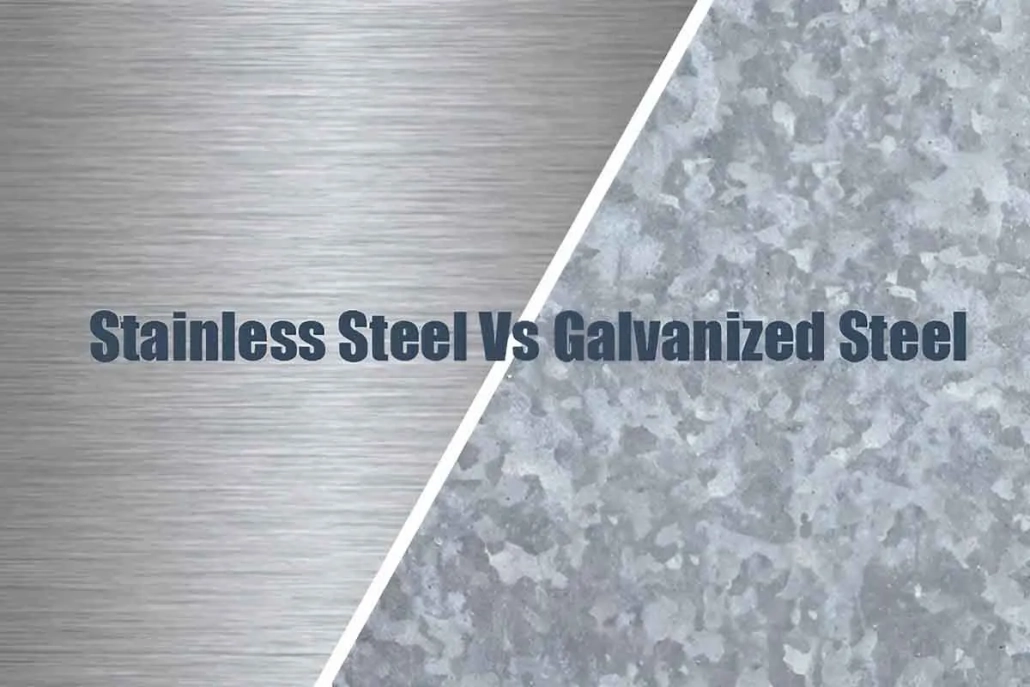
Honyo Prototype Galvanized Steel vs Stainless Steel Processing Workflow
Honyo Prototype executes a streamlined, technology-driven process for both galvanized steel and stainless steel components, ensuring material-specific optimization from initial design to final delivery. The workflow begins with CAD Upload, where clients submit detailed 3D models via our secure portal. At this stage, our system automatically identifies material specifications in the CAD file metadata. For galvanized steel (typically ASTM A653/A1008), the system flags requirements for post-fabrication coating compatibility, while stainless steel (e.g., 304/316 per ASTM A240) triggers checks for grain orientation and passivation sensitivity. Material selection directly influences downstream parameters, including tolerancing and finishing protocols.
The AI Quote phase leverages our proprietary algorithm, which cross-references real-time material pricing, processing costs, and historical production data. Galvanized steel pricing accounts for zinc coating thickness (e.g., G60 vs. G90) and potential rework costs if welding compromises the coating. Stainless steel quotes incorporate nickel/chromium market volatility and higher machining wear rates. The AI generates a detailed cost breakdown within 2 hours, highlighting material-specific surcharges—such as 15–25% premiums for 316 stainless over 304—and lead time implications (stainless typically adds 1–3 days due to slower machining speeds).
During Design for Manufacturability (DFM) Analysis, our engineers conduct material-specific reviews:
| Material Consideration | Galvanized Steel Key Checks | Stainless Steel Key Checks |
|---|---|---|
| Formability | Minimum bend radii to prevent zinc flaking (e.g., 2x material thickness for G90) | Work hardening risks; k-factor adjustments for tight bends |
| Joining | Weld prep requirements to avoid hydrogen embrittlement; post-weld coating touch-up zones | Intergranular corrosion prevention; filler metal compatibility (e.g., 308L for 304) |
| Finishing | Critical surface areas requiring no-coating zones for welding | Passivation necessity; Ra tolerance impacts corrosion resistance |
This phase identifies conflicts like galvanized steel parts requiring holes within 10mm of a bend (risking coating damage) or stainless components with inadequate drainage for chemical passivation. Clients receive annotated DFM reports with actionable revisions, reducing prototyping iterations by 40–60%.
Production adapts machinery settings per material: galvanized steel uses lower laser power (12–15 kW for 3mm sheet) to minimize zinc vaporization, while stainless steel employs nitrogen assist gas to prevent oxide scale. Post-processing diverges significantly—galvanized parts undergo centrifugal deburring to preserve coating integrity, whereas stainless components receive citric acid passivation per ASTM A967. All stainless welds undergo ferroxyl testing to verify chromium depletion absence, a step omitted for galvanized steel.
Delivery includes material-certified documentation: galvanized parts ship with ASTM A90 coating weight verification and salt spray test reports (e.g., 500+ hours per ASTM B117), while stainless steel orders include mill test reports (MTRs) with PMI verification and passivation certificates. Both material streams use anti-static, non-sulfuric VCI packaging, though stainless steel requires additional chloride-free desiccants to prevent pitting during transit. Honyo guarantees 99.2% on-time delivery for both materials, with stainless steel shipments including serialized traceability logs from raw material to final inspection.
This integrated approach ensures clients receive optimized prototypes that balance cost, durability, and manufacturability—whether leveraging galvanized steel’s economy for short-life applications or stainless steel’s longevity for critical environments.
Start Your Project
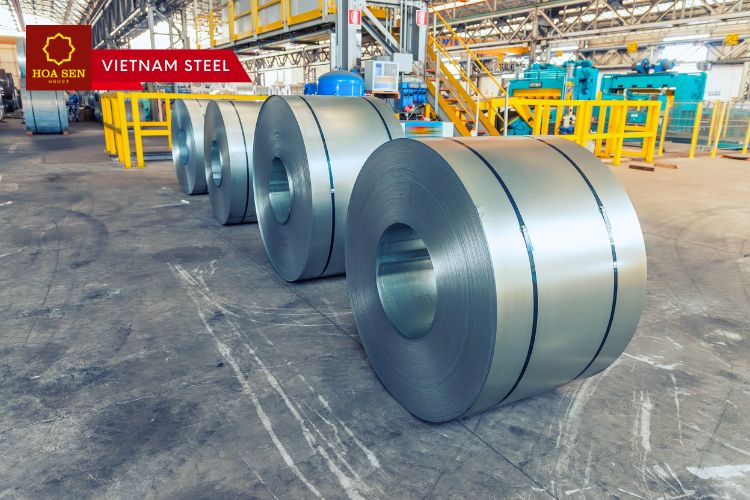
Considering the differences between galvanised steel and stainless steel for your next project? Understand the key factors in corrosion resistance, strength, cost, and longevity to make the right material choice for your application.
Galvanised steel offers economical durability with its protective zinc coating, ideal for structural and outdoor uses where budget constraints are a priority. Stainless steel provides superior corrosion resistance and a clean, aesthetic finish—perfect for demanding environments in medical, food processing, or marine industries.
Need expert guidance on which material best suits your prototyping or production needs? Contact Susan Leo at [email protected]. With our advanced manufacturing facility based in Shenzhen, Honyo Prototype delivers precision fabrication, rapid turnaround, and material expertise for custom metal components.
Let us help you optimise performance and cost-effectiveness in your design. Reach out today for a detailed consultation and material recommendation.
Contact:
Susan Leo
Email: [email protected]
Factory Location: Shenzhen, China
🚀 Rapid Prototyping Estimator
Estimate rough cost index based on volume.