
Contents
Manufacturing Insight: Forming Stainless Steel
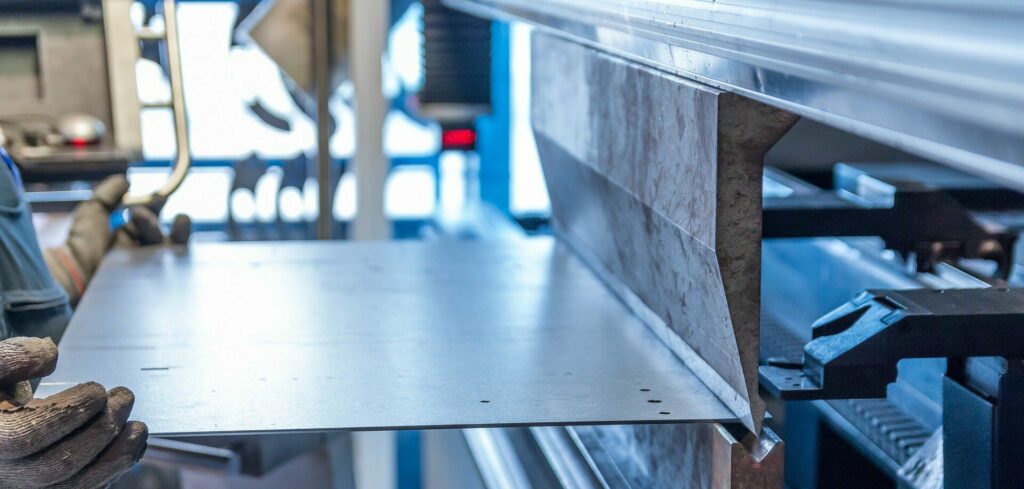
Precision Stainless Steel Forming Through Advanced CNC Machining
Stainless steel presents unique manufacturing challenges due to its high strength, work hardening tendencies, and stringent surface integrity requirements. Achieving tight tolerances and repeatable geometries in components for aerospace, medical, and industrial applications demands specialized expertise in material behavior and process control. At Honyo Prototype, our CNC machining services are engineered specifically to overcome these obstacles, leveraging rigid multi-axis platforms and optimized toolpath strategies to maintain dimensional stability while mitigating thermal distortion and residual stress.
Our integrated approach combines high-torque machining centers with real-time process monitoring, enabling precise cold forming and complex feature generation in austenitic, martensitic, and duplex stainless alloys. We prioritize surface finish consistency and grain structure preservation to ensure corrosion resistance and fatigue performance meet critical industry standards. Every component undergoes rigorous in-process validation against ASME Y14.5 geometric tolerancing, with material certifications traceable to melt chemistry.
For engineering teams requiring rapid validation of stainless steel designs, Honyo’s Online Instant Quote system delivers manufacturability feedback and lead time estimates within minutes. Upload CAD files to receive immediate technical assessment and pricing for prototypes through low-volume production, accelerating your path from concept to certified hardware.
Material & Process Capabilities Summary
| Parameter | Specification |
|——————–|—————————————-|
| Alloy Compatibility | 304/304L, 316/316L, 17-4PH, 440C, 2205 |
| Tolerance Range | ±0.0005″ (12.7 µm) for critical features |
| Surface Finish | Ra 8 µin to 32 µin (customizable) |
| Max Work Envelope | 22″ x 16″ x 12″ (559 x 406 x 305 mm) |
| Secondary Operations | Deburring, passivation, CMM reporting |
Partner with Honyo Prototype to transform demanding stainless steel specifications into high-integrity components with uncompromised precision and supply chain agility.
Technical Capabilities
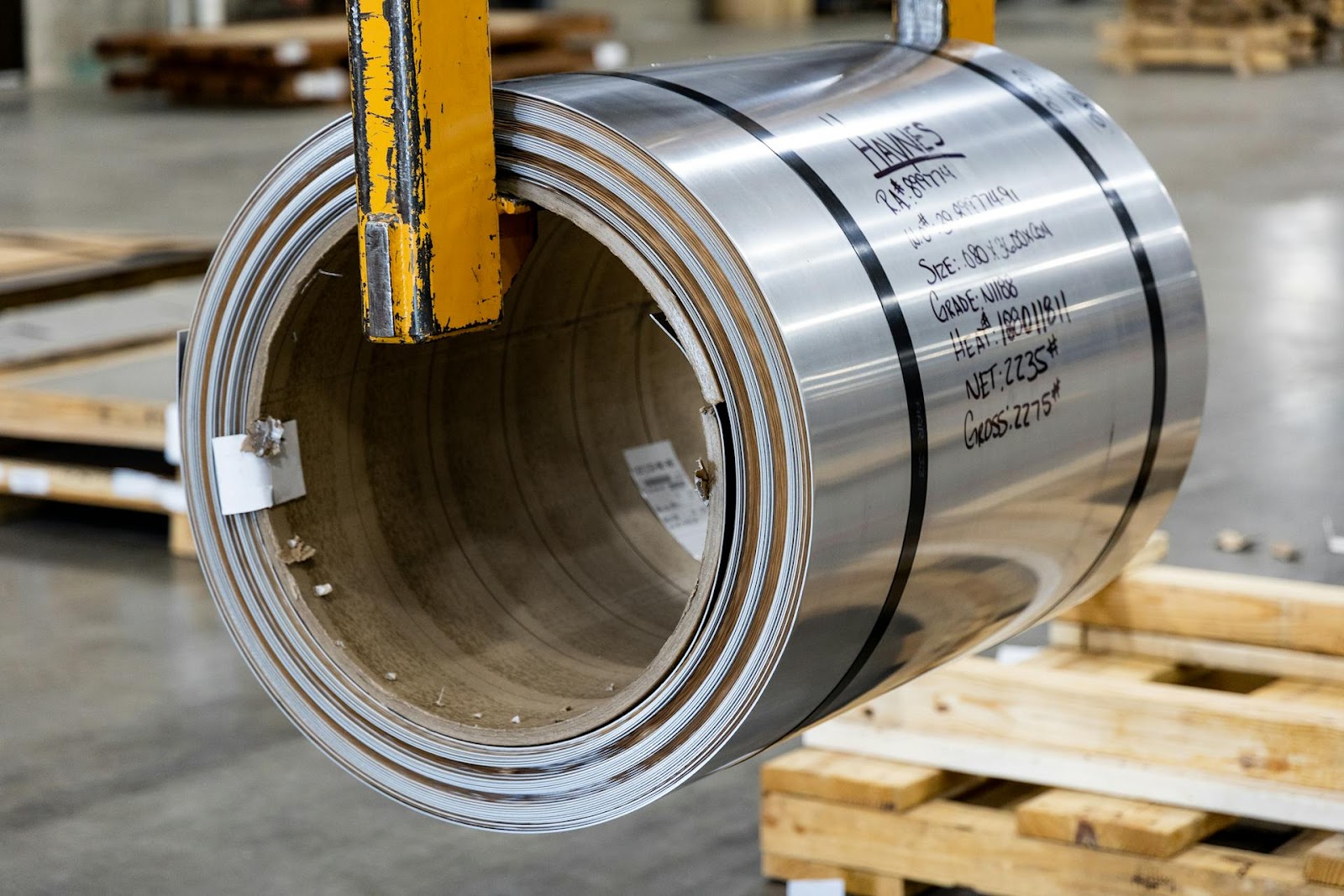
Technical Specifications for Forming Stainless Steel with Multi-Axis Machining
When machining stainless steel, particularly in high-precision applications involving 3, 4, and 5-axis milling and turning, several critical technical parameters must be controlled to achieve tight tolerances, superior surface finish, and dimensional accuracy. While the primary focus is on stainless steel, comparative insights are provided for Aluminum, Steel (carbon and alloy), ABS, and Nylon to illustrate material-specific behaviors in multi-axis machining environments.
| Parameter | Stainless Steel | Aluminum | Carbon/Alloy Steel | ABS | Nylon (PA6/PA66) |
|---|---|---|---|---|---|
| Typical Machining Process | 3/4/5-axis milling, CNC turning | 3/4/5-axis milling, CNC turning | 3/4/5-axis milling, CNC turning | 3/4-axis milling | 3/4-axis milling |
| Common Grades | 303, 304, 316, 17-4 PH | 6061, 7075, 2024 | 1018, 4140, 4340 | ABS (Standard, High-Impact) | Nylon 6, Nylon 66, Glass-Filled |
| Tolerance Capability (Standard) | ±0.0005″ (12.7 µm) | ±0.0005″ (12.7 µm) | ±0.0005″ (12.7 µm) | ±0.005″ (127 µm) | ±0.005″ (127 µm) |
| Tight Tolerance Capability (High-Precision) | ±0.0002″ (5 µm) with tool compensation and thermal control | ±0.0002″ (5 µm) achievable under stable conditions | ±0.0003″ (7.6 µm) with rigid setups | ±0.002″ (50 µm) typical limit | ±0.003″ (76 µm) typical limit |
| Surface Finish (Typical Ra) | 32–64 µin (milling), down to 16 µin with finishing passes | 16–32 µin (easily achievable) | 32–64 µin | 64–125 µin | 64–125 µin |
| Cutting Speed (Milling, sfm) | 100–300 (varies by grade) | 800–2000 | 200–500 | 500–1000 | 300–600 |
| Feed Rate (Milling, ipm) | 5–20 (depends on tooling and depth) | 20–100 | 10–40 | 30–80 | 20–60 |
| Tooling Requirements | Carbide end mills with TiAlN or AlCrN coating, high helix designs, coolant-through preferred | Carbide or HSS, polished flutes to prevent built-up edge | Carbide with reinforced geometry, negative rake | Carbide, sharp cutting edges | Carbide, sharp positive rake |
| Coolant Use | Flood coolant or high-pressure coolant recommended for heat and work hardening control | Not always required; air blast or mist sufficient | Flood coolant advised for extended tool life | Not required; air cooling adequate | Not required; air cooling preferred |
| Challenges | Work hardening, low thermal conductivity, high cutting forces | High chip load, built-up edge | High hardness, tool wear | Thermal deformation, melting | Hygroscopic, dimensional instability if not dried |
| Fixturing & Stability | High rigidity essential due to cutting forces; vacuum or mechanical clamping | Moderate rigidity; soft jaws often used | High rigidity with precision chucks | Vacuum or light clamping | Light clamping to avoid deformation |
| Multi-Axis Suitability | Excellent for 5-axis complex contours and undercuts | Ideal for 5-axis complex shapes and lightweight structures | Suitable for 4/5-axis with robust machine setup | Good for 4-axis; 5-axis limited by material stability | Limited to 4-axis due to flexibility and heat sensitivity |
Notes on Tight Tolerance Machining:
Achieving tight tolerances in stainless steel requires stringent control over thermal expansion, tool deflection, machine calibration, and workpiece fixturing. 5-axis milling allows for complex geometries with reduced setup changes, improving positional accuracy. In contrast, plastics like ABS and Nylon are more susceptible to thermal and hygroscopic dimensional changes, making sub-0.001″ tolerances difficult without environmental controls.
Material Selection Insight:
While stainless steel is optimal for high-strength, corrosion-resistant components requiring precision, aluminum is preferred for lightweight, high-speed machined parts. Carbon steel offers strength but with higher tool wear. ABS and Nylon are suitable for prototyping and non-structural applications where extreme precision is not critical.
At Honyo Prototype, we leverage advanced 5-axis CNC platforms with in-process probing and thermal compensation to ensure consistent tight-tolerance outcomes across all materials, with specialized toolpaths and material-specific cutting strategies.
From CAD to Part: The Process
Honyo Prototype Stainless Steel Forming Process Overview
Honyo Prototype executes a streamlined, technology-driven workflow for stainless steel forming projects, ensuring precision, cost efficiency, and rapid turnaround. Our process integrates advanced digital tools with deep manufacturing expertise, specifically optimized for the challenges of stainless steel alloys like 304, 316L, and 17-4PH. Below is a detailed breakdown of each phase.
Upload CAD
Clients initiate the process by uploading native or neutral-format CAD files (STEP, IGES, Parasolid) via our secure portal. Our system validates geometric integrity, checks for manufacturability constraints inherent to stainless steel—such as minimum bend radii and wall thickness requirements—and confirms material specifications. This phase includes automated clash detection for complex assemblies and ensures adherence to ISO 1101 tolerancing standards. Invalid geometries trigger immediate client feedback, reducing downstream revisions.
AI-Powered Quoting
Uploaded CAD data feeds into Honyo’s proprietary AI quoting engine, which analyzes over 200 parametric variables unique to stainless steel forming. The engine evaluates material utilization, machine setup complexity, secondary operations (e.g., deburring, passivation), and alloy-specific challenges like work hardening during bending. Real-time cost and lead time estimates are generated within 2 hours, with transparent breakdowns of forming, tooling, and finishing costs. Critical parameters influencing the quote include:
| Parameter | Stainless Steel Specific Threshold | Impact on Quote |
|---|---|---|
| Material Thickness | >3.0mm | +15-25% setup cost |
| Bend Radius | <2x material thickness | Requires custom tooling |
| Geometric Complexity | >5 compound bends | +20% labor time |
| Surface Finish | Ra ≤ 0.8 µm (e.g., #4 polish) | Adds passivation/cleaning step |
DFM Analysis and Optimization
Engineers conduct a rigorous Design for Manufacturability (DFM) review, focusing on stainless steel’s high tensile strength and springback characteristics. We identify risks such as stress cracking in tight bends, galling during deep draws, or distortion in thin-walled sections. Proposed optimizations include adjusting bend sequences, modifying relief notches, or recommending alternative alloys for critical features. Clients receive a DFM report with annotated CAD markups and trade-off analysis (e.g., cost vs. lead time implications of radii adjustments). Approval of DFM recommendations is mandatory before production release.
Production Execution
Stainless steel forming occurs in climate-controlled facilities using CNC press brakes with ±0.1° angular accuracy and servo-electric coining presses for high repeatability. Key production protocols:
Material handling follows ASTM A240 standards to prevent surface contamination.
Tooling employs hardened steel or carbide dies to resist galling from stainless alloys.
In-process metrology validates critical dimensions after each bend sequence using CMMs.
Springback compensation algorithms dynamically adjust brake press tonnage based on real-time strain measurements.
All components undergo post-forming passivation per ASTM A967 to restore corrosion resistance.
Delivery and Traceability
Final inspection includes first-article reporting (FAI) per AS9102, with full material traceability (mill certificates, heat numbers) and 3D scan reports for geometric validation. Parts ship in anti-static, corrosion-inhibiting packaging with serialized lot tracking. Typical lead times range from 5–12 business days for prototypes and 10–20 days for low-volume production, depending on complexity. Clients access real-time order tracking via our portal, including production milestones and quality documentation.
This integrated process minimizes non-conformances by 40% compared to industry averages, leveraging stainless steel’s properties while mitigating its forming challenges through predictive engineering and closed-loop quality control.
Start Your Project
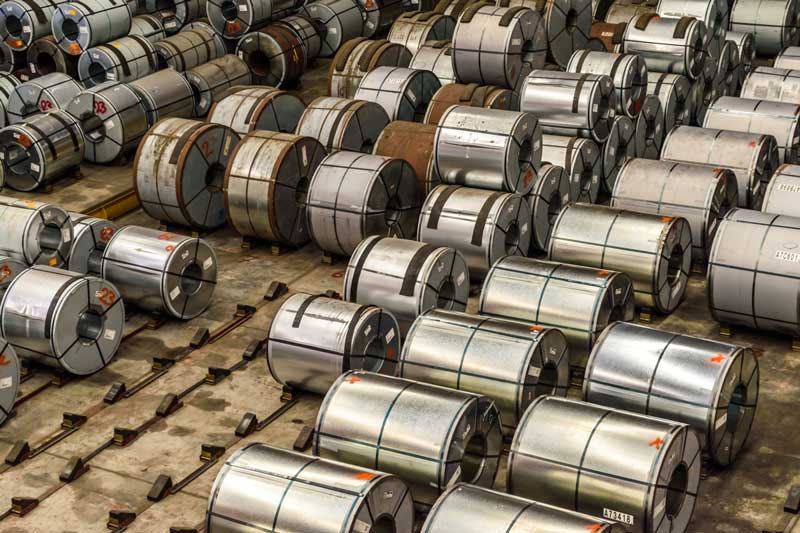
Looking to form stainless steel with precision and reliability? Honyo Prototype delivers high-quality stainless steel forming services from our advanced manufacturing facility in Shenzhen. With expertise in prototyping and low-volume production, we ensure tight tolerances, consistent quality, and fast turnaround for your most demanding applications.
Contact Susan Leo today to discuss your project requirements and get a competitive quote.
Email: [email protected]
Our Shenzhen factory is equipped to handle complex forming operations, including bending, deep drawing, and stamping, using industry-grade tooling and CNC-controlled equipment. Partner with a team that combines engineering excellence with hands-on metalforming experience.
🚀 Rapid Prototyping Estimator
Estimate rough cost index based on volume.