
Contents
Manufacturing Insight: Flush Rivets Sheet Metal
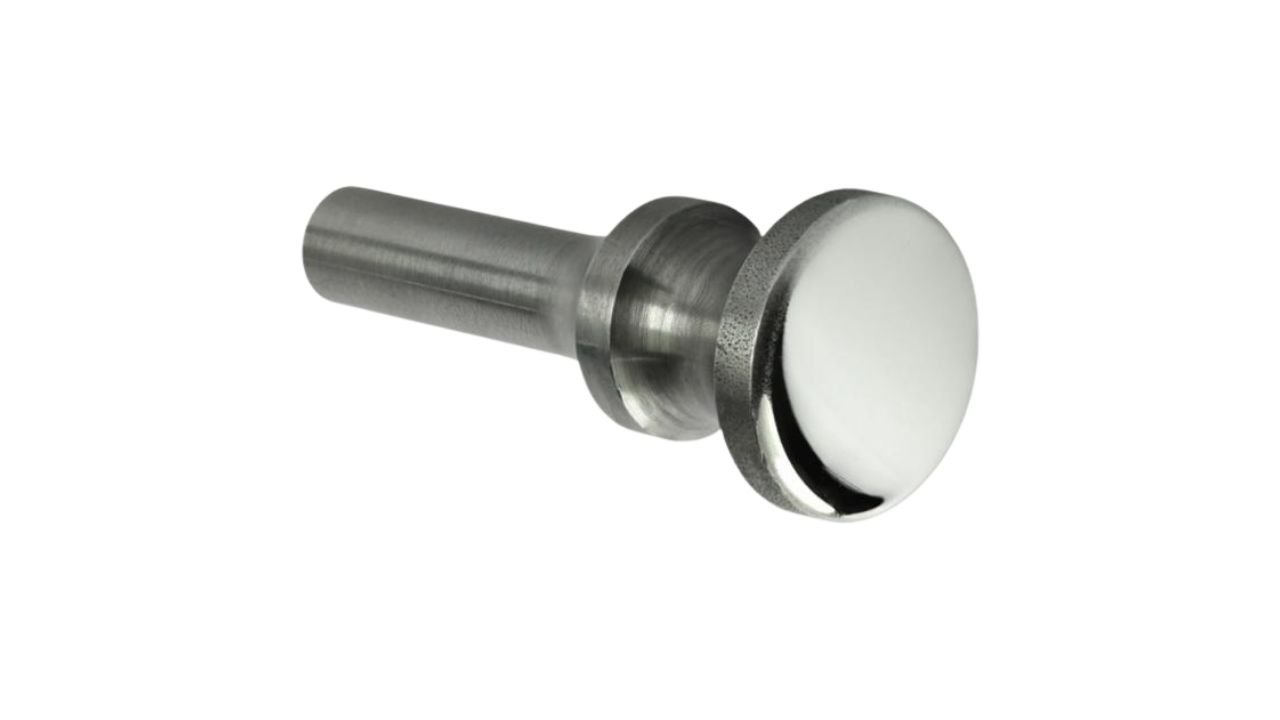
Precision Integration of Flush Rivets in Critical Sheet Metal Applications
Flush rivets represent a critical solution for aerospace, medical, and high-end industrial assemblies where aerodynamic efficiency, surface integrity, and structural reliability are non-negotiable. Unlike protruding fasteners, flush rivets demand exact countersinking, precise hole alignment, and controlled rivet setting to achieve seamless surface continuity—eliminating drag, preventing snag hazards, and ensuring optimal load distribution. At Honyo Prototype, our sheet metal fabrication services specialize in these high-tolerance operations, leveraging CNC-controlled drilling, automated riveting systems, and certified technician expertise to deliver flush installations within ±0.002″ tolerance across aluminum, stainless steel, and titanium alloys.
Our end-to-end capabilities extend from material selection and precision forming to secondary finishing, ensuring rivet heads sit perfectly flush without compromising joint strength or introducing stress concentrations. This level of accuracy is vital for applications where even minor surface deviations can trigger performance failures or regulatory non-compliance. Honyo Prototype integrates rigorous in-process inspections—including profilometer validation and shear testing—to guarantee every rivet meets ASTM F468 and AMS4997 standards.
Accelerate your prototyping or low-volume production timeline with Honyo’s Online Instant Quote platform. Upload your CAD files, specify materials and finishes, and receive a detailed technical assessment with competitive pricing in under two hours—no manual follow-up required. This seamless integration of engineering precision and digital efficiency ensures your flush-riveted assemblies transition from design to certified hardware faster, without sacrificing the quality your project demands.
Technical Capabilities
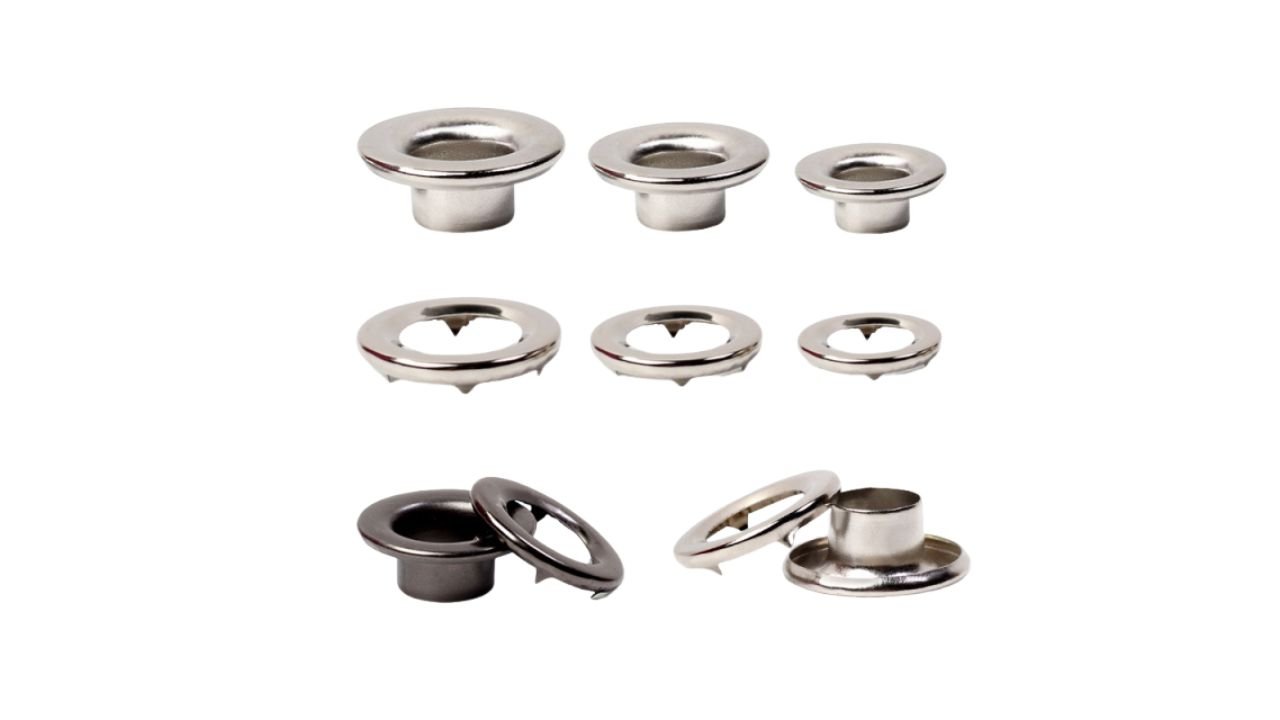
Technical Specifications for Flush Rivets in Sheet Metal Fabrication
Flush rivets are used in sheet metal assemblies where a smooth, aerodynamic, or aesthetically clean surface is required. The fabrication process involving laser cutting, bending, and welding must be precisely controlled to ensure proper fit, alignment, and structural integrity when integrating flush rivets. Below are the technical considerations and material-specific parameters for common materials used in such applications.
| Process | Aluminum (6061-T6) | Steel (Mild Steel, 1018) | ABS (Acrylonitrile Butadiene Styrene) | Nylon (PA6 or PA66) |
|---|---|---|---|---|
| Laser Cutting | 1–6 mm thickness; 100–400 W fiber laser; nitrogen assist for clean edges; kerf ~0.15 mm | 1–10 mm thickness; 500–1000 W fiber laser; oxygen or nitrogen assist; kerf ~0.2 mm | 1–5 mm thickness; CO₂ laser (30–60 W); avoid oxygen assist; kerf ~0.2 mm | 1–4 mm thickness; CO₂ laser (20–50 W); low power to minimize melting; kerf ~0.25 mm |
| Bending | Bend radius ≥ 1× material thickness; springback ~2–3°; tooling must avoid surface marring near rivet zones | Bend radius ≥ 1.5× material thickness; springback ~3–5°; hardened tooling recommended | Bend radius ≥ 2× material thickness; high springback (~5–8°); not ideal for tight tolerances | Bend radius ≥ 3× material thickness; high flexibility but prone to creep; limited repeatability |
| Welding | TIG or MIG with argon shielding; pre-clean surfaces; avoid heat-affected zone near rivet holes; distortion control critical | MIG or spot welding; flux-cored for thicker sections; post-weld grinding may be needed for flush finish | Not weldable via traditional methods; use ultrasonic or hot-plate welding if required | Limited weldability; typically joined via mechanical fastening or adhesive bonding |
| Notes | Anodizing or coating after assembly recommended; rivet holes must be deburred and precision-drilled | Post-weld painting or powder coating often used; holes may require reaming after welding | Not suitable for high-temp or structural welding environments; flush rivets typically installed post-cut | Used in non-structural, low-stress applications; rivet installation via press or thermal expansion |
General Design Guidelines for Flush Rivets:
Rivet hole diameter must match rivet shank size (typically +0.05 mm tolerance).
Countersink angle must align with rivet head (usually 100° for aluminum, 90° for steel).
Maintain minimum edge distance of 2× rivet diameter to prevent tearing.
Laser-cut features should include relief cuts or kerf compensation for bending accuracy.
For welded assemblies, perform dimensional inspection post-weld before riveting to ensure alignment.
From CAD to Part: The Process
Honyo Prototype Flush Rivet Sheet Metal Process Overview
Honyo Prototype executes flush rivet sheet metal fabrication through a rigorously controlled five-stage workflow designed for precision, speed, and manufacturability. This process ensures optimal rivet flushness—critical for aerodynamic surfaces, aesthetic panels, and structural integrity—while minimizing rework and lead times. Below is a technical breakdown of each phase.
Upload CAD
Clients initiate the process by uploading native CAD files (STEP, IGES, or Parasolid preferred) via Honyo’s secure portal. For flush rivet applications, the system specifically scans for critical parameters: rivet diameter, countersink angle (typically 100° for aerospace or 90° for industrial), material thickness, and positional tolerances. Automated validation checks ensure hole callouts align with standard rivet specifications (e.g., MS20426/ NAS1097). Non-standard geometries trigger immediate client notification for clarification prior to quoting.
AI-Powered Quoting
Honyo’s proprietary AI engine analyzes the CAD data against real-time material costs, machine capacity, and process constraints unique to flush riveting. The algorithm evaluates:
Material deformation risks during countersinking based on sheet thickness-to-rivet-diameter ratios
Tool accessibility for flush-setting in complex assemblies
Secondary operations (e.g., deburring, precision drilling) required for zero-protrusion results
Quotes include granular cost drivers such as specialized tooling fees for non-standard countersinks and flatness tolerance validation costs. Typical quote turnaround is under 2 hours for standard flush rivet configurations.
DFM Analysis
Our engineering team conducts a dual-layer DFM review focused on flush rivet integrity:
First, automated checks flag violations of minimum edge distances (≥2D), rivet spacing (≥3D), and bend proximity (≥4T from bend line). Second, senior manufacturing engineers perform manual validation of countersink depth consistency across multi-layer stacks and verify rivet selection compatibility with material grades (e.g., 2117-T4 rivets for 5052-H32 aluminum). Clients receive a detailed DFM report with actionable recommendations—such as adjusting rivet patterns to prevent sheet warpage—before work authorization.
Precision Production
Flush rivet fabrication follows a strictly sequenced workflow:
Drilling and countersinking occur in a single CNC operation using diamond-coated tools to maintain ±0.05mm hole concentricity. Rivets are inserted via servo-electric riveting systems with force monitoring (±5 lbs accuracy) to ensure uniform upset without dimpling. Critical flatness is validated in-process using optical comparators; any rivet head protruding beyond 0.05mm is automatically flagged for rework. All operations adhere to AS9100-certified protocols, with traceability to individual rivet lots.
Quality-Controlled Delivery
Final inspection employs a multi-point verification protocol:
Flatness measurement across rivet heads using dial indicators (max deviation 0.05mm)
Cross-sectional analysis of 3 random rivets per batch to confirm tail formation and clamp-up
Full assembly fit-check against mating components to eliminate interference
Certified inspection reports (including CMM data for critical features) ship with the parts. Standard lead time from CAD upload to delivery is 5–7 days for prototypes, with expedited options for urgent flush-rivet-critical projects.
This integrated process eliminates common flush rivet failures—such as head protrusion, tail deformation, or material galling—by embedding manufacturability checks at every stage. Honyo’s domain expertise in precision sheet metal ensures flush rivets meet stringent aerospace, medical, and high-end industrial requirements on first article.
Start Your Project
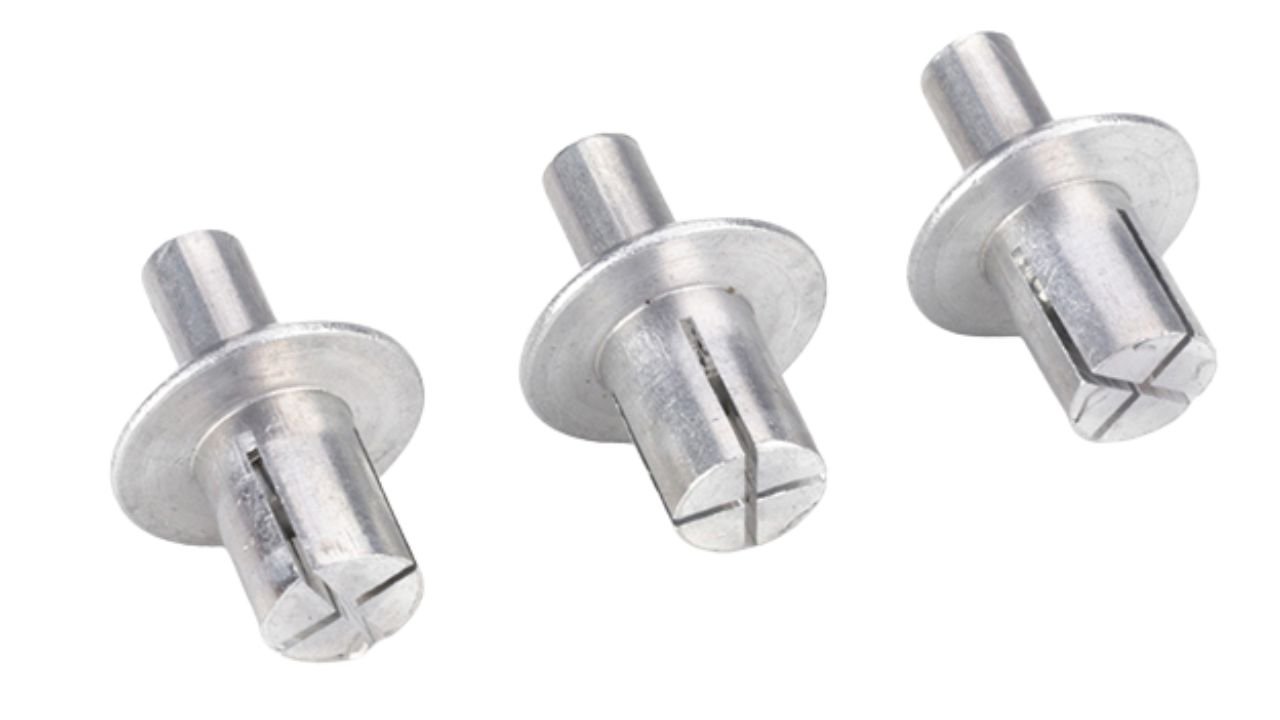
Looking for precision flush rivets for sheet metal applications? Honyo Prototype delivers high-quality, reliable fastening solutions manufactured in our Shenzhen factory. Our flush rivets provide a smooth, aerodynamic finish ideal for aerospace, automotive, and industrial design projects.
For quotes and technical support, contact Susan Leo at [email protected]. Let’s engineer excellence together.
🚀 Rapid Prototyping Estimator
Estimate rough cost index based on volume.