
Contents
Manufacturing Insight: Etching Acid For Steel
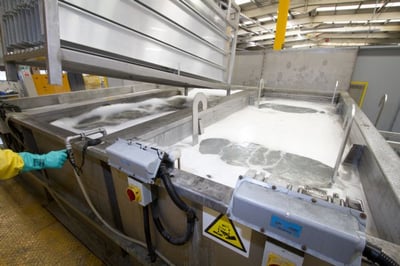
Precision Steel Fabrication: Integrating Etching Requirements with CNC Machining Excellence
At Honyo Prototype, we recognize that post-machining processes like acid etching are critical for achieving functional and aesthetic specifications in steel components. While etching acids modify surface properties for marking, corrosion resistance, or adhesion preparation, the dimensional accuracy and surface integrity of the underlying part must be flawless to ensure etching consistency and part performance. Our advanced CNC machining services deliver micron-level precision on carbon steel, stainless steel, and alloy substrates, providing the geometric foundation required for reliable secondary chemical processing.
We engineer every machined component with downstream operations in mind, including etching compatibility. Our 5-axis milling and turning centers maintain tight tolerances (±0.005 mm) while optimizing surface finishes to prevent uneven etch rates or hydrogen embrittlement risks. By controlling burr formation, micro-cracks, and residual stresses during CNC fabrication, we eliminate common root causes of etching defects—reducing scrap rates and accelerating time-to-assembly for your end-use applications.
For projects requiring integrated machining and surface treatment workflows, our engineering team collaborates to validate material suitability, fixturing strategies, and process sequencing. Whether you need prototype batches or production runs, Honyo Prototype ensures your steel components meet both mechanical and chemical processing requirements without compromise.
Streamline Your Procurement with Real-Time Insights
Leverage our Online Instant Quote platform to receive manufacturability feedback and competitive pricing within minutes. Simply upload your STEP or IGES files to analyze etching-ready geometries, material constraints, and lead time implications—enabling faster decision-making for time-sensitive projects.
Honyo Prototype: Where Precision Machining Meets Process Intelligence.
Senior Manufacturing Engineer, Honyo Prototype
Technical Capabilities
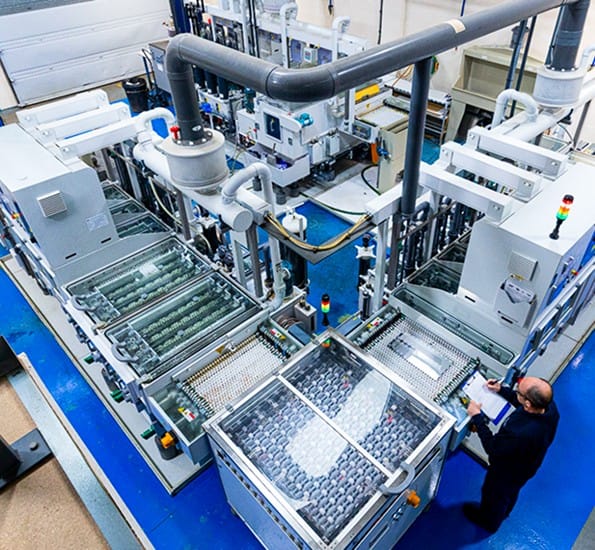
Honyo Prototype does not utilize or recommend the use of etching acid for steel in precision 3/4/5-axis milling, turning, or tight-tolerance manufacturing processes. Instead, our advanced CNC machining workflows rely on mechanical material removal via high-precision cutting tools to achieve exacting dimensional accuracy and superior surface finishes.
Etching acids (such as ferric chloride or hydrochloric acid) are typically used in chemical milling or surface preparation, not in high-precision CNC operations. For tight-tolerance applications—especially in materials like steel, aluminum, ABS, and nylon—chemical etching lacks the control and repeatability required for ±0.0002″ (±0.005 mm) tolerances and complex geometries.
Below is a technical comparison of machining capabilities for relevant materials in our 3/4/5-axis milling and turning processes:
| Material | Machinability | Typical Tolerance (Milling/Turning) | Surface Finish (Ra) | Key Applications | Notes |
|---|---|---|---|---|---|
| Aluminum (6061, 7075) | Excellent | ±0.0002″ (±0.005 mm) | 16–32 μin (0.4–0.8 μm) | Aerospace, Prototypes, Enclosures | High material removal rate; ideal for complex 5-axis geometries |
| Steel (1018, 4140, Stainless 303/316) | Good to Moderate | ±0.0005″ (±0.013 mm) | 16–63 μin (0.4–1.6 μm) | Industrial Components, Tools, Shafts | Requires rigid setups and carbide tooling; no acid etching used |
| ABS | Excellent | ±0.001″ (±0.025 mm) | 32–125 μin (0.8–3.2 μm) | Prototypes, Housings, Jigs | Low melting point; machined with sharp, high-speed tools |
| Nylon (6, 6/6) | Good | ±0.001″ (±0.025 mm) | 32–125 μin (0.8–3.2 μm) | Wear Pads, Gears, Insulators | Slight dimensional variability due to moisture absorption; pre-dried if needed |
All components are machined using optimized toolpaths, in-process inspection, and post-machining CMM validation to ensure compliance with tight-tolerance requirements. Chemical treatments such as acid etching are not part of our precision manufacturing process for steel or other structural materials.
From CAD to Part: The Process
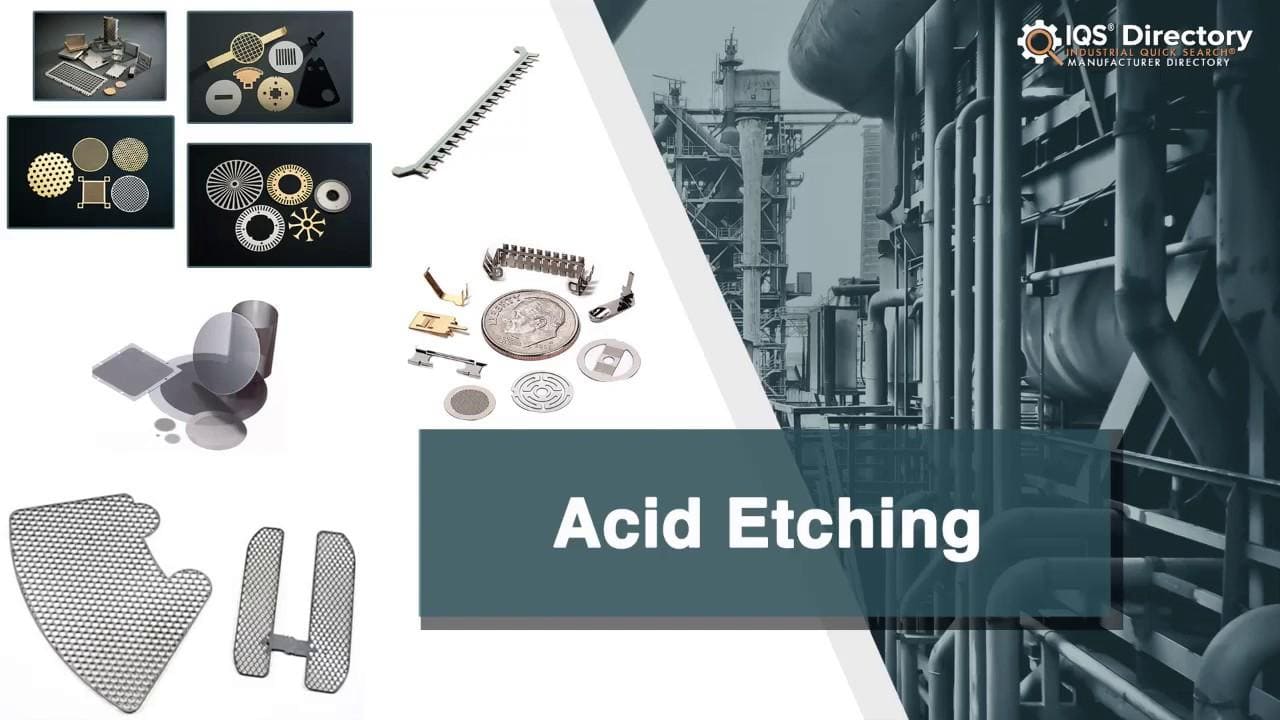
Honyo Prototype employs a rigorous, vertically integrated process for chemical etching of steel components, specifically utilizing ferric chloride (FeCl₃) as the primary etchant—not “etching acid” as a generic term, which is a common misconception. Steel etching requires precise chemistry management due to material reactivity and environmental controls. Below is our standardized workflow for steel etching projects, from CAD submission to delivery.
CAD Upload and Material Specification
Clients initiate the process by uploading CAD files (STEP, IGES, or native formats) via our secure portal. Crucially, the steel grade must be explicitly specified (e.g., 304 SS, 316 SS, 1018 carbon steel), as etching parameters vary significantly by alloy composition. We reject ambiguous submissions like “stainless steel” without grade details, as chromium content directly impacts etch rate and surface finish. Our system auto-validates file integrity and prompts missing metadata before proceeding.
AI-Powered Quoting with Material Intelligence
Our proprietary AI engine analyzes the CAD geometry against material-specific etching databases. For steel, it factors in:
Grade-dependent etch rates (e.g., 316 SS etches 15–20% slower than 304 SS in FeCl₃)
Minimum feature size constraints (typically ≥0.05 mm for steel)
Tolerance capabilities (±10% of material thickness)
The quote includes real-time FeCl₃ consumption estimates, waste treatment costs, and grade-specific surface roughness projections (Ra 1.6–3.2 μm for most stainless steels). Non-negotiable material specifications trigger immediate client consultation.
DFM Analysis Focused on Steel Etching Physics
Our engineering team conducts a dual-phase DFM review:
First, automated checks flag steel-specific risks: excessive aspect ratios (>15:1), micro-feature fragility, or inadequate tabbing for thin sections (<0.1 mm). Second, human engineers optimize for FeCl₃ behavior—adjusting mask geometry to counter undercut (typically 10–15% of material thickness per side), recommending grain-direction alignment for uniform etching, and verifying compatibility with our regeneration-grade FeCl₃ (42–45° Baumé concentration). We mandate design modifications for features below 2x the material thickness in high-precision zones.
Production: Controlled Steel Etching Protocol
Steel processing occurs in dedicated ISO 14001-certified lines with these critical controls:
Pre-treatment: Alkaline cleaning (not acid) to remove oils, followed by micro-etch to ensure adhesion
Etching: Temperature-controlled FeCl₃ baths (48–52°C) with real-time density monitoring; carbon steel uses separate tanks from stainless to prevent cross-contamination
Post-processing: Neutralization in sodium carbonate baths, deionized water rinsing, and ultrasonic cleaning to eliminate chloride residues
Waste Management: On-site FeCl₃ regeneration recovers >95% of etchant, with sludge dewatering per RCRA standards
Key steel etching parameters are tracked per lot:
| Parameter | Stainless Steel (304) | Carbon Steel (1018) | Control Method |
|---|---|---|---|
| Etch Rate | 0.8–1.0 μm/min | 1.2–1.5 μm/min | In-line thickness gauging |
| Bath Temperature | 50 ± 2°C | 52 ± 2°C | PLC-controlled heaters |
| FeCl₃ Concentration | 43.5 ± 0.5° Baumé | 44.0 ± 0.5° Baumé | Automatic density dosing |
| Undercut Tolerance | ±0.015 mm | ±0.012 mm | Microscopy validation |
Delivery and Documentation
All steel etched parts undergo 100% first-article inspection per AS9102. Certificates of Conformance include material traceability (mill certs), FeCl₃ batch numbers, and chloride residue test results (<1 ppm via ion chromatography). Parts ship in anti-tarnish VCI packaging with humidity indicators. Lead time averages 7–10 days for standard steel etching, excluding complex DFM revisions. We retain etch bath logs and waste treatment records for 7 years to support client audits.
This process ensures dimensional accuracy and material integrity for mission-critical steel components in aerospace, medical, and semiconductor applications. We emphasize that steel etching is not a one-size-fits-all process—success hinges on precise material definition and chemistry control from the initial CAD submission.
Start Your Project
Looking for high-quality etching acid for steel? Honyo Prototype offers precision chemical etching solutions tailored for industrial applications. Our manufacturing facility is based in Shenzhen, ensuring fast production and strict quality control.
For product inquiries or technical specifications, contact Susan Leo at [email protected]. We provide reliable supply and expert support for your metal etching needs.
🚀 Rapid Prototyping Estimator
Estimate rough cost index based on volume.