
Contents
Manufacturing Insight: Esd Plastic Sheet
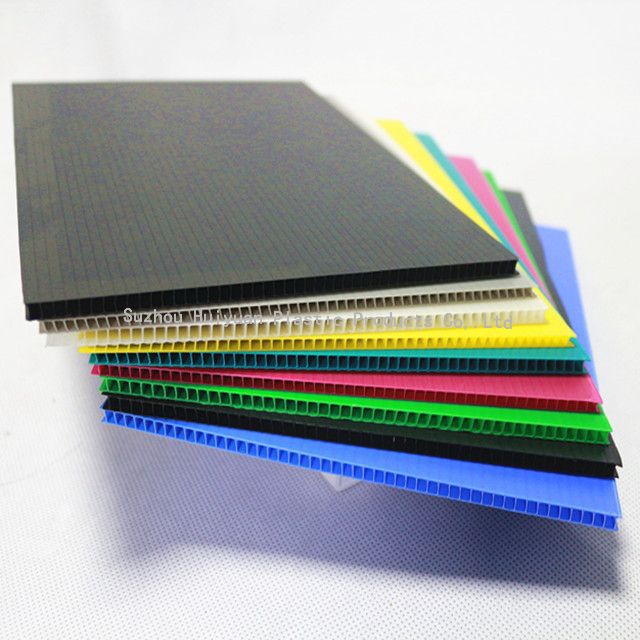
Precision ESD-Safe Component Integration Through Advanced Sheet Metal Fabrication
While ESD plastic sheets serve critical static-dissipative functions in electronics handling and packaging, Honyo Prototype specializes in the complementary metal-based infrastructure essential for robust ESD-protected environments. Our Sheet Metal Fabrication services engineer precision enclosures, chassis, and structural components that integrate seamlessly with ESD control systems—ensuring grounding integrity, shielding effectiveness, and mechanical reliability for sensitive electronics manufacturing. Unlike plastic solutions, our metal fabrications provide inherent durability, thermal management, and EMI shielding while meeting stringent industry standards for static-safe operations through controlled surface treatments and grounding pathways.
We understand that ESD safety requires holistic system design, where properly fabricated metal housings and fixtures prevent charge accumulation at critical interfaces. Honyo delivers this through ISO 9001-certified processes including laser cutting, CNC bending, welding, and conductive plating tailored to your ESD protocol requirements. Whether prototyping test jigs or scaling production for server racks and medical device enclosures, our engineering team optimizes material selection (such as anodized aluminum or steel with anti-static coatings) to maintain electrostatic discharge compliance without compromising structural performance.
Accelerate your ESD-compliant hardware development with Honyo’s Online Instant Quote platform. Upload your sheet metal fabrication drawings in minutes to receive precise, transparent cost estimates and lead time projections—validated by our manufacturing engineers before you commit. This immediate technical feedback eliminates quoting delays, allowing design teams to iterate faster while ensuring manufacturability within ESD-critical applications.
Partner with Honyo Prototype to transform your ESD system requirements into engineered metal solutions where precision, compliance, and speed converge.
Technical Capabilities
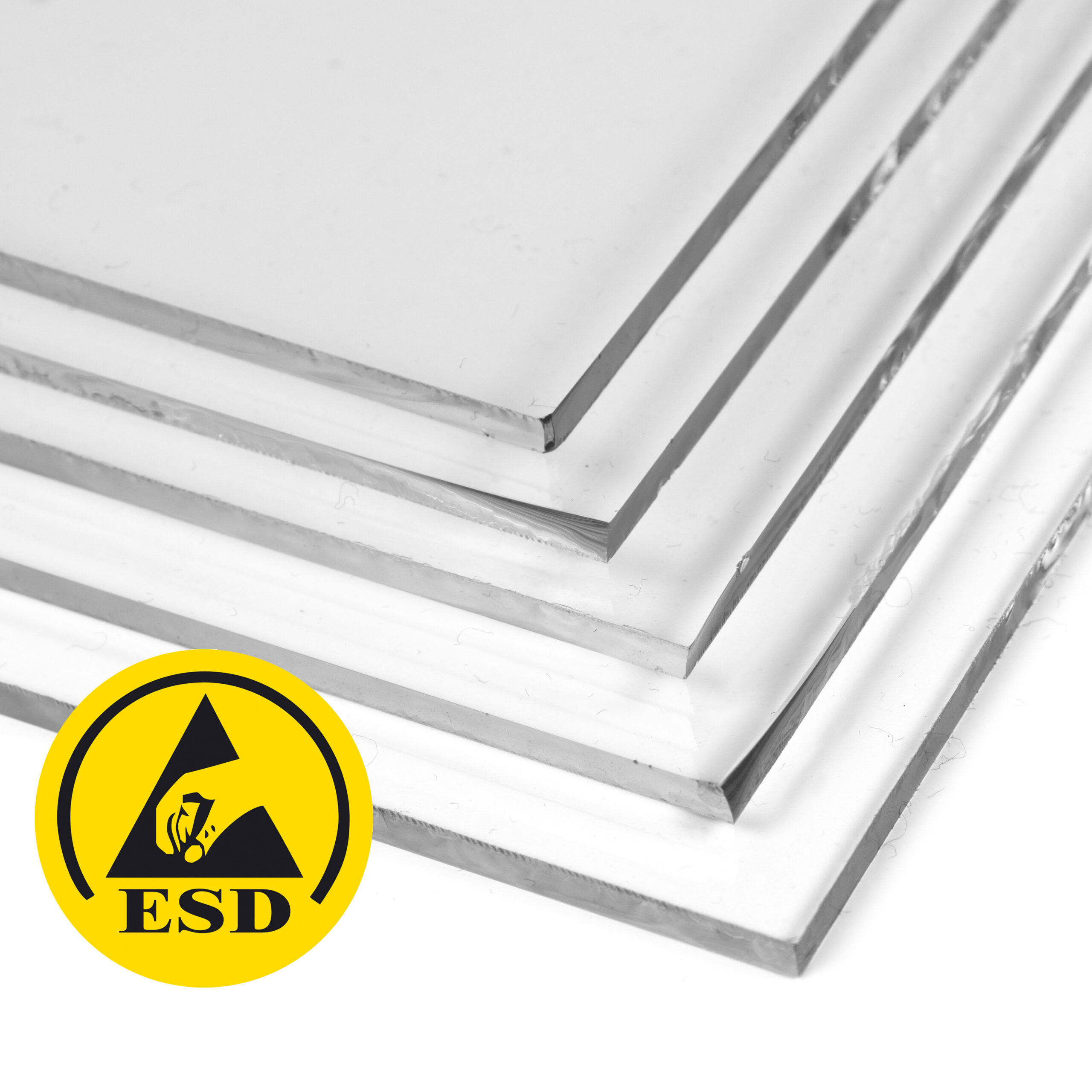
ESD plastic sheets are engineered materials designed to dissipate static electricity, making them ideal for use in electronics manufacturing, cleanrooms, and other ESD-sensitive environments. While metals like aluminum and steel are inherently conductive, they are not classified as ESD plastics. However, they are often compared in fabrication contexts. ESD performance in plastics is typically achieved through additives or surface treatments that provide surface resistivity in the range of 10^5 to 10^11 ohms/square.
Below is a comparison of relevant materials, including ESD plastics such as ESD ABS and ESD Nylon, along with aluminum and steel for contextual fabrication reference—specifically regarding laser cutting, bending, and welding processes.
| Material | ESD Properties | Laser Cutting Compatibility | Bending Characteristics | Welding / Joining Methods | Notes |
|---|---|---|---|---|---|
| ESD ABS | Surface resistivity: 10^6–10^9 Ω/sq | Excellent; clean cuts with CO₂ laser, minimal charring | Good; can be heat-bent using strip heaters or ovens | Ultrasonic welding, solvent bonding, adhesive bonding | Prone to warping if overheated; not suitable for high-temp environments |
| ESD Nylon | Surface resistivity: 10^6–10^8 Ω/sq | Good; requires controlled CO₂ laser settings to avoid melting | Excellent flexibility; can be hot-bent with care | Vibration welding, hot plate welding, adhesives | High moisture absorption; pre-drying recommended before processing |
| Aluminum | Conductive (not ESD plastic) | Excellent with fiber laser; reflective, requires high power | Excellent; easily bent with press brakes | TIG, MIG, laser welding; mechanical fastening | Requires ESD grounding in static-sensitive areas |
| Steel (Mild) | Conductive (not ESD plastic) | Good with fiber or CO₂ laser; high power needed | Good; springback must be compensated | MIG, TIG, spot welding; fasteners | Susceptible to rust; often coated for ESD environments |
Key Fabrication Notes:
Laser Cutting
ESD plastics like ABS and Nylon are compatible with CO₂ laser systems. Optimal results require controlled power, speed, and assist gas (typically compressed air) to minimize thermal degradation. Metals require fiber lasers due to reflectivity and higher melting points.
Bending
Thermoplastics can be bent using heat-formed methods. ESD ABS responds well to strip heating, while ESD Nylon’s toughness allows for both cold and hot forming with proper tooling. Metals require press brakes and tooling designed for specific bend radii and springback.
Welding
Plastics rely on thermal or mechanical joining techniques. Ultrasonic welding is effective for ESD ABS, while ESD Nylon benefits from high-energy methods like vibration welding. Metals are typically welded using arc or laser processes and must be grounded to prevent ESD risks in sensitive environments.
For prototype and production applications at Honyo Prototype, material selection should balance ESD performance, mechanical requirements, and process compatibility. ESD plastics are preferred for insulative yet static-dissipative components, while metals are used where structural strength and conductivity are critical.
From CAD to Part: The Process
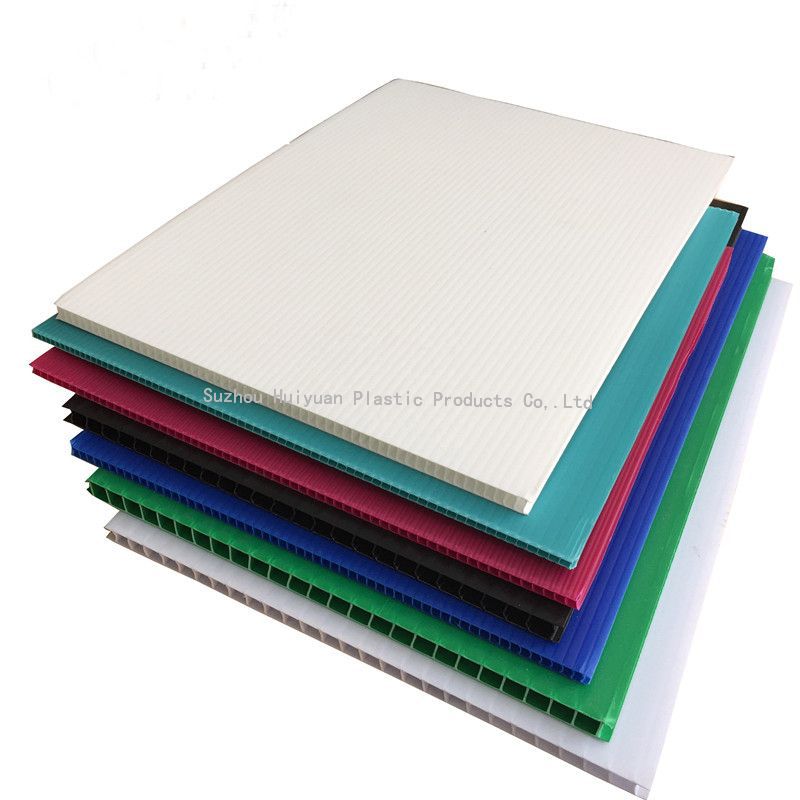
Honyo Prototype ESD Plastic Sheet Manufacturing Process
Honyo Prototype’s end-to-end process for ESD (Electrostatic Disipative) plastic sheet components ensures compliance with ANSI/ESD S20.20 and IEC 61340-5-1 standards while optimizing speed and cost. ESD plastics require precise material selection (e.g., carbon-loaded polycarbonate or ABS with surface resistivity of 10⁵–10⁹ Ω/sq) and controlled handling to prevent electrostatic damage to sensitive electronics. Below is our validated workflow.
CAD Upload and Material Verification
Clients upload native CAD files (STEP, IGES, or Parasolid) via our secure portal. Our engineering team immediately verifies ESD-specific requirements, including material grade (e.g., RTP 200 ESD), surface resistance tolerances, and grounding point specifications. Non-compliant geometries—such as insufficient wall thickness for static dissipation or missing discharge paths—are flagged before quoting.
AI-Powered Quoting with ESD Cost Modeling
Our proprietary AI engine analyzes the CAD geometry, material selection, and ESD parameters to generate a real-time quote. The system factors in ESD-specific variables: material premium (typically 15–30% over standard plastics), secondary processes (e.g., conductive coating or embedded grounding strips), and cleanroom handling fees. Quotes include lead time projections based on current cleanroom capacity and material stock levels.
DFM Analysis for ESD Integrity
All designs undergo rigorous Design for Manufacturability (DFM) review with ESD-specific checks. Key focus areas include:
| DFM Parameter | Standard Plastic Check | ESD-Specific Enhancement |
|---|---|---|
| Wall Thickness | Minimum 0.8mm | Uniform ≥1.2mm to ensure consistent resistivity |
| Tooling Surface Finish | SPI-A2 | Non-abrasive texturing to prevent surface damage affecting ESD properties |
| Part Ejection | Standard pins | Non-sparking ejector pins (e.g., beryllium-copper) |
| Grounding Integration | Not applicable | Verification of conductive pathways to designated grounding points |
Violations trigger automated CAD markups with engineering recommendations, reducing revision cycles by 40%.
Controlled Production Environment
ESD plastic sheets are processed in ISO Class 7 cleanrooms with continuous monitoring:
Relative humidity maintained at 40–60% RH to minimize static generation
All tooling grounded via 1MΩ resistors per ANSI/ESD S6.1
In-process surface resistance testing at three stages (raw material, post-machining, pre-assembly) using 2.5kV DC per IEC 60093
Handling via ESD-safe fixtures (surface resistivity <10⁹ Ω) and operator-worn wrist straps
Delivery with ESD Chain-of-Custody
Final inspection includes full ESD validation per the client’s test plan. Parts ship in static-shielding packaging (e.g., metallized polyester bags with surface resistivity <10⁴ Ω/sq) labeled with:
Lot-specific resistance test data
Humidity indicator cards
Traceable handling logs from raw material to shipment
Average delivery time is 7–12 business days for quantities ≤500 units, with 99.2% first-pass yield for ESD-critical components.
This integrated process eliminates static-related failures in client assembly lines, reducing field returns by up to 75% versus non-specialized suppliers. All deliverables include full material certification and ESD test reports for audit compliance.
Start Your Project
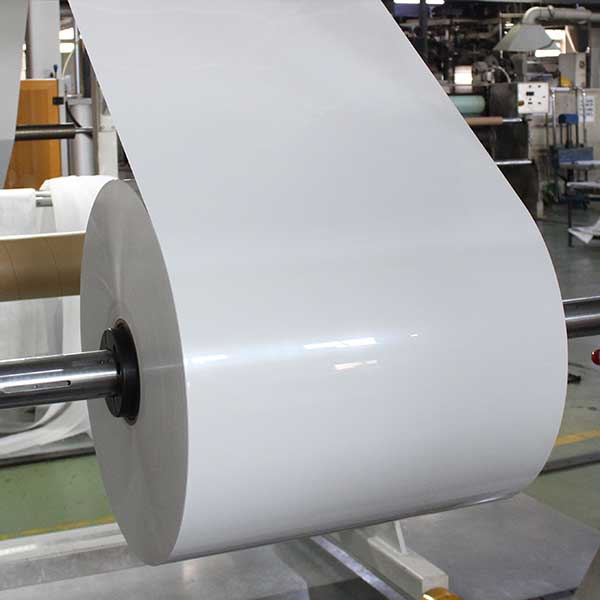
Looking for high-quality ESD plastic sheets for your next project? Contact Susan Leo at [email protected] to request a quote or sample. Manufactured in our Shenzhen factory, our ESD-safe plastic sheets meet strict industry standards for electrostatic discharge protection, making them ideal for electronics, semiconductor, and cleanroom applications.
Material specifications available upon request. Custom cutting and volume pricing options offered. Reach out today to discuss your requirements.
🚀 Rapid Prototyping Estimator
Estimate rough cost index based on volume.