
Contents
Manufacturing Insight: Easy To Machine Stainless Steel
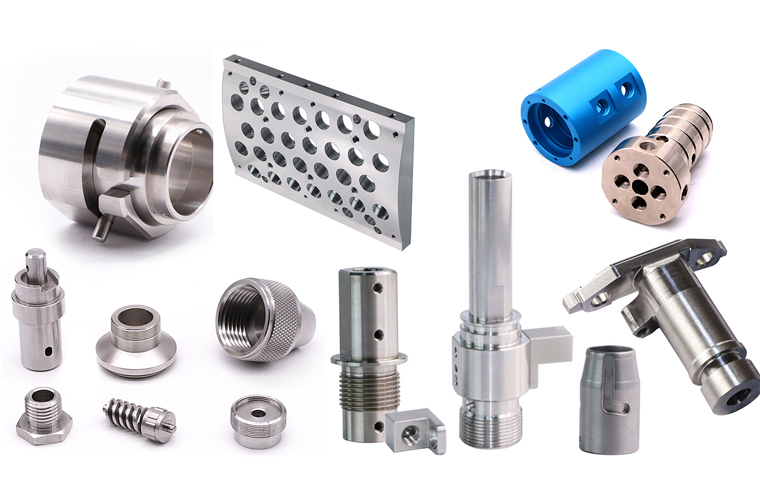
Optimizing Stainless Steel Machinability for Precision CNC Components
Stainless steel remains a cornerstone material for demanding applications requiring corrosion resistance and structural integrity, yet its inherent properties often present significant machining challenges. Work hardening, galling, and poor chip evacuation in standard grades like 304 or 316 can lead to excessive tool wear, dimensional inaccuracies, and extended cycle times—directly impacting project timelines and cost efficiency. At Honyo Prototype, we specialize in transforming these challenges into opportunities through our precision CNC machining services tailored specifically for free-machining stainless grades.
Our expertise centers on leveraging optimized material selections such as 303, 416, and 17-4 PH stainless steel, which incorporate sulfur or selenium additives to enhance machinability without compromising core performance attributes. By combining these purpose-selected alloys with proprietary toolpath strategies, advanced coolant systems, and rigorously maintained HAAS and DMG MORI equipment, we consistently achieve tight tolerances (±0.0002″) and superior surface finishes. This targeted approach minimizes scrap rates, reduces secondary operations, and accelerates time-to-part for prototypes and low-volume production runs.
For engineering teams seeking rapid validation of stainless steel designs, Honyo’s Online Instant Quote platform delivers immediate manufacturability feedback and pricing transparency. Simply upload your STEP or IGES file to receive a detailed quote within hours—no manual submissions or delays. This seamless integration of material science, precision machining capability, and digital procurement streamlines your path from concept to certified component.
| Key Advantage | Technical Implementation | Client Impact |
|---|---|---|
| Material Optimization | Strategic use of free-machining stainless grades | 30% faster cycle times vs. standard SS |
| Process Control | In-process probing & thermal compensation | <0.001″ dimensional stability |
| Digital Integration | Direct CAD-to-quote workflow | Quote in <4 business hours |
Partner with Honyo Prototype to convert stainless steel machining constraints into competitive advantages, supported by engineering-driven solutions and real-time project visibility.
Technical Capabilities
Easy to machine stainless steel refers to stainless steel alloys engineered to enhance machinability while maintaining acceptable mechanical properties and corrosion resistance. These grades are optimized for high-speed 3-axis, 4-axis, and 5-axis milling operations, precision turning, and applications requiring tight tolerances (typically ±0.0005″ to ±0.005″, depending on geometry and machine capability). Free-machining additives such as sulfur, selenium, or tellurium improve chip breaking and reduce tool wear.
Below is a comparison of easy-to-machine materials commonly used in precision CNC manufacturing, with focus on stainless steel optimized for complex milling and turning operations.
| Material Type | Common Grades | Machinability Rating (Relative) | Max Recommended Cutting Speed (SFM) | Typical Tolerance Capability | Key Features for CNC Machining | Best Suited For |
|---|---|---|---|---|---|---|
| Easy-Machining Stainless Steel | 303, 416, 303Se | Good to Very Good | 150–300 (milling), 200–350 (turning) | ±0.001″ – ±0.005″ | Free-machining additives improve chip control; moderate tool wear; good dimensional stability | 3/4/5-axis milling, precision shafts, fittings, valves |
| Aluminum | 6061-T6, 7075-T6, 2024-T4 | Excellent | 500–1000+ | ±0.0005″ – ±0.005″ | High MRR, low cutting forces, excellent surface finish, minimal thermal distortion | Aerospace components, enclosures, prototypes |
| Carbon/Alloy Steel | 12L14, 1215, 4140 HT | Good | 150–300 | ±0.001″ – ±0.005″ | 12L14/1215: sulfurized for free machining; 4140 HT offers strength with moderate machinability | High-volume turning, precision shafts, fixtures |
| ABS (Plastic) | ABS-M20, ABS-USM | Very Good | 500–1000 | ±0.005″ – ±0.010″ | Low melting point; requires sharp tools and light cuts; minimal clamping force needed | Prototypes, enclosures, jigs, low-stress parts |
| Nylon (Plastic) | Nylon 6, Nylon 6/6, Glass-Filled | Fair to Moderate | 300–600 | ±0.005″ – ±0.020″ | Prone to creep and moisture absorption; requires controlled feeds/speeds; use non-ferrous tools | Wear strips, insulators, low-friction components |
Notes on Stainless Steel for High-Precision Applications:
Grade 303: The most common free-machining austenitic stainless steel. Contains sulfur to improve chip breaking. Slightly lower corrosion resistance than 304, but excellent for complex 5-axis milled components.
Grade 416: Martensitic stainless steel with added sulfur. Magnetic, heat-treatable, and suitable for high-strength turned parts requiring tight tolerances.
303Se: Selenium-modified version of 303, offering improved surface finish and formability in fine-feature machining.
For tight tolerance work, consistent tool paths, thermal stability, and rigid setups are critical. Easy-to-machine stainless steels reduce vibration and tool deflection, which supports achieving high accuracy across multi-axis operations. While aluminum offers the highest precision and speed, stainless steel is preferred when corrosion resistance and strength are required.
Material selection should balance machinability, end-use environment, mechanical demands, and cost. In prototyping and low-volume production, easy-machining stainless steel provides an optimal blend of performance and manufacturability.
From CAD to Part: The Process
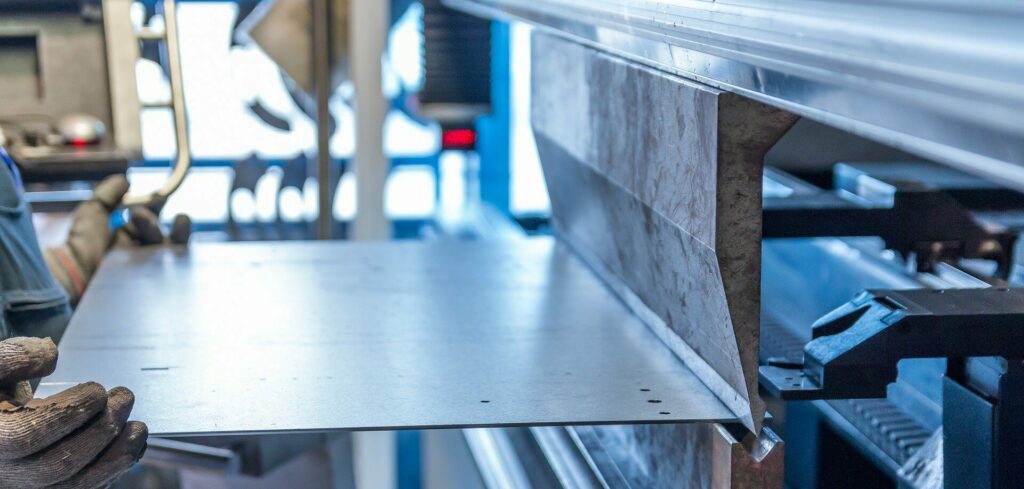
Honyo Prototype’s Streamlined Process for Easy-to-Machine Stainless Steel Components
Our engineered workflow for stainless steel parts prioritizes precision, cost efficiency, and rapid turnaround by leveraging automated systems and deep material expertise. This process is optimized specifically for free-machining stainless alloys like 303, 303Se, or 416, which exhibit reduced tool wear and superior chip control compared to standard grades.
CAD Upload and Validation
Clients initiate the process by uploading native CAD files (STEP, IGES, or Parasolid) via our secure portal. Our system automatically checks geometric validity, unit consistency, and critical tolerances against stainless steel machining capabilities. Files undergo a preliminary review to identify features incompatible with free-machining stainless steel, such as undercuts requiring specialized tooling or tolerances tighter than ±0.0005″ without explicit justification. This step prevents downstream delays by ensuring the design aligns with the material’s inherent properties.
AI-Powered Quoting Engine
Uploaded geometry feeds into our proprietary AI quoting system, which calculates real-time pricing using three core inputs: material-specific machining physics, live alloy pricing, and shop floor utilization data. For easy-to-machine stainless grades, the AI factors in:
Reduced cycle times (15–25% faster than 304/316 due to sulfur/selenium additives)
Extended tool life (up to 40% longer with optimized feeds/speeds)
Scrap rate adjustments based on historical data for the specified alloy
The system dynamically references current 303/416 bar stock costs from trusted suppliers, eliminating manual price lookups. Quotes include explicit notes on grade suitability—e.g., flagging 303 for chloride-rich environments where pitting corrosion may occur despite machinability benefits.
Automated DFM Analysis with Material Intelligence
Every design undergoes automated Design for Manufacturability (DFM) screening tailored to stainless steel’s thermal and mechanical behavior. Our algorithms detect high-risk features such as:
Thin walls prone to chatter during milling (common with 303’s lower modulus)
Deep cavities requiring specialized tooling due to stainless steel’s work hardening tendency
Sharp internal corners that induce stress concentrations during machining
The DFM report provides actionable alternatives, like recommending 0.020″ fillets instead of sharp corners to mitigate tool deflection. Crucially, it validates that specified tolerances align with free-machining stainless capabilities—e.g., noting that ±0.001″ is achievable without grinding, whereas tighter tolerances would trigger secondary operations.
Production Execution with Stainless-Optimized Parameters
Approved jobs move to CNC machining centers (primarily Haas VF-2SS and DMG MORI NLX 2500) with pre-loaded material-specific parameters:
| Parameter | 303/416 Stainless Setting | Rationale |
|---|---|---|
| Surface Speed | 220–280 SFM | Balances tool life and chip evacuation |
| Coolant Type | High-pressure synthetic | Prevents built-up edge common in sulfur-bearing grades |
| Chipbreaker Geometry | Positive rake, polished flute | Minimizes work hardening during continuous cuts |
All stainless steel stock is sourced from certified mills with full material traceability (Mill Test Reports available). In-process inspections verify critical dimensions after roughing and before finishing to address potential stress relief distortion.
Certified Delivery and Traceability
Completed parts undergo final inspection per ASME Y14.5, with first-article reports including surface roughness verification (Ra ≤ 32 μin standard). Every shipment includes:
Material certification with heat number traceability
Dimensional inspection report (including stainless-specific checks like passivation verification)
Machining process documentation highlighting stainless-optimized parameters used
Parts are packaged in anti-tarnish VCI paper for corrosion-sensitive grades, with standard delivery in 5–7 business days for quantities ≤50 units. Expedited options maintain the same material integrity protocols through dedicated machine cells.
This integrated approach reduces lead times by 30% versus conventional quoting-to-ship workflows while ensuring the inherent advantages of free-machining stainless steel are fully leveraged—without compromising structural or corrosion performance where specified.
Start Your Project
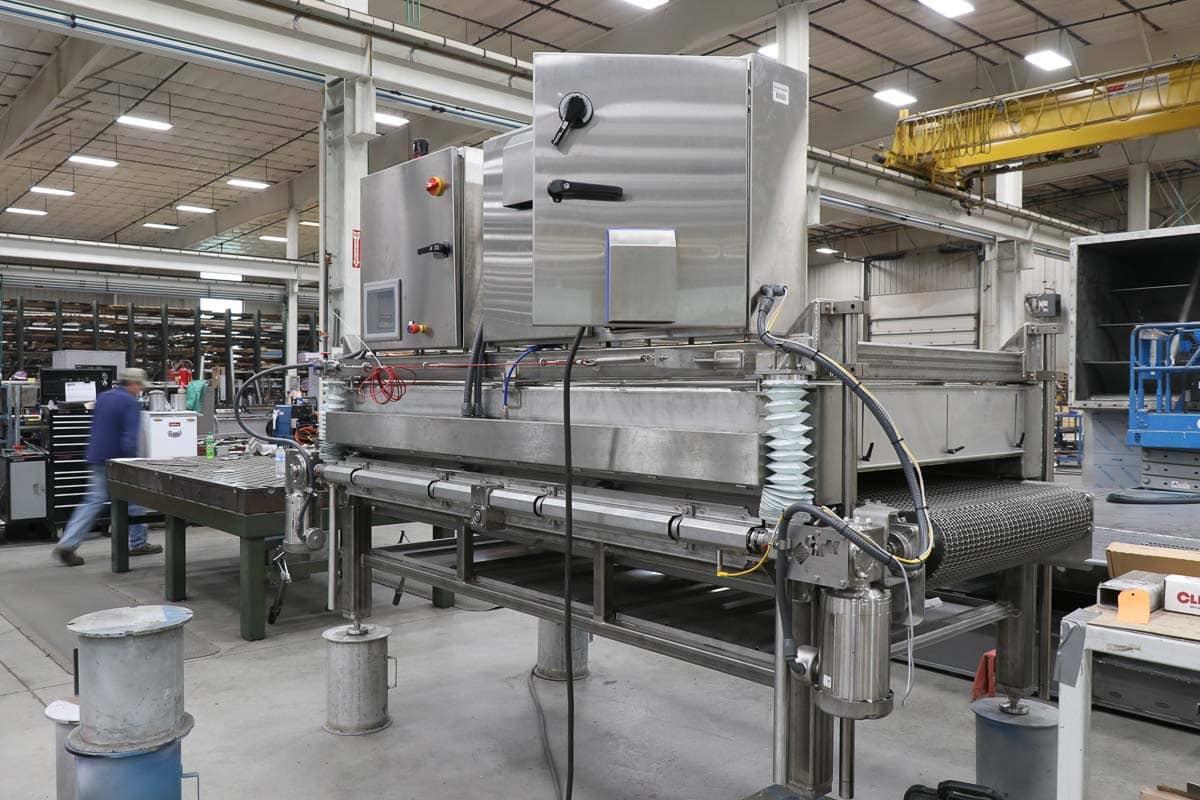
Looking for an easy-to-machine stainless steel solution for your next precision component project? Honyo Prototype offers high-performance stainless steel materials optimized for efficient machining, reducing lead times and tool wear without compromising on strength or finish.
With our advanced manufacturing capabilities and quality control, we deliver consistent results for prototyping and low-volume production runs. Our factory in Shenzhen ensures fast turnaround and scalable capacity for global clients.
For material specifications or to request a quote, contact Susan Leo at [email protected]. Let us help you streamline your machining process with the right stainless steel solution.
🚀 Rapid Prototyping Estimator
Estimate rough cost index based on volume.