
Contents
Manufacturing Insight: Ductile Steel
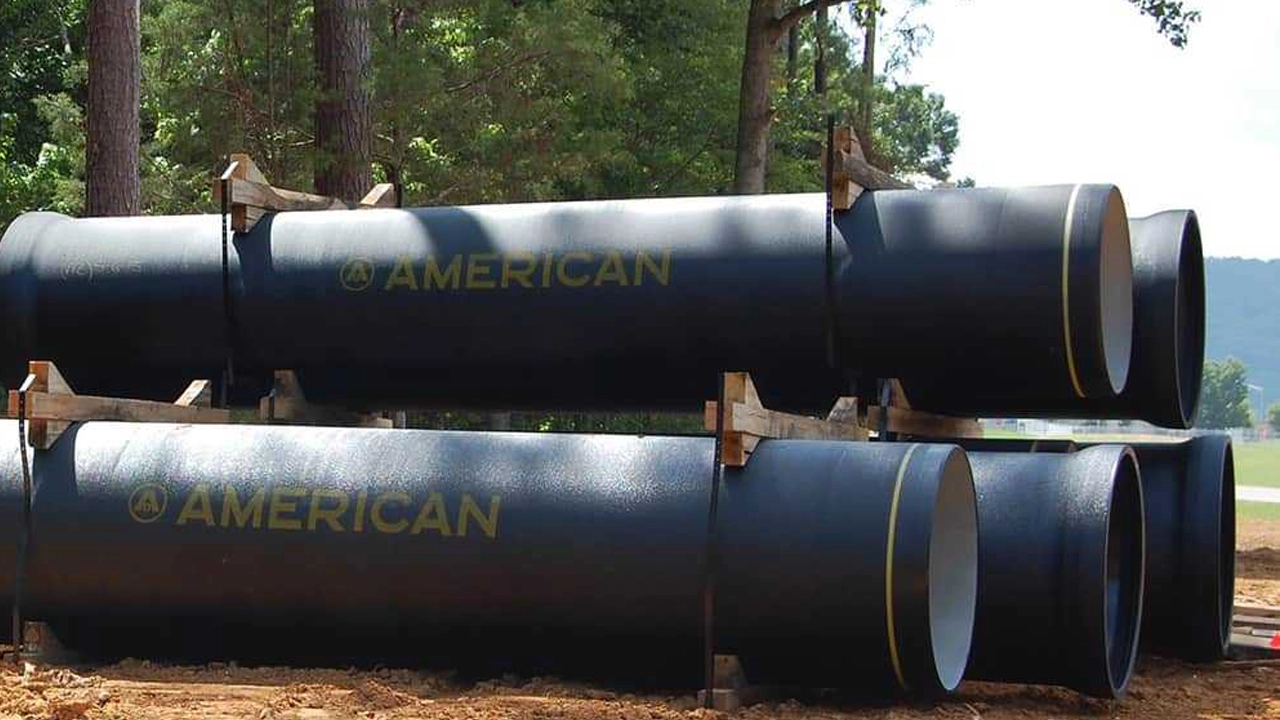
Precision Machining for Ductile Steel Applications
Ductile steel, particularly grades like 4140, 4340, and austempered variants, remains a cornerstone material for demanding industrial components due to its exceptional balance of tensile strength, fatigue resistance, and critical impact toughness. Its ability to withstand dynamic loads while maintaining machinability makes it indispensable for high-reliability applications in aerospace, automotive drivetrains, heavy machinery, and energy systems. Achieving optimal performance from ductile steel, however, hinges on precise CNC machining processes that control thermal input, maintain tight tolerances, and preserve the material’s inherent ductility without inducing stress concentrations or surface defects.
At Honyo Prototype, our CNC machining expertise is engineered specifically for the nuances of ductile steel. We deploy advanced multi-axis milling and turning centers with rigid tooling setups, optimized cutting parameters, and in-process inspection to ensure dimensional accuracy within ±0.0002 inches. Our protocols address challenges such as work hardening and chip control unique to ductile alloys, while stringent post-machining validation—including CMM verification and metallurgical review—guarantees component integrity. Whether producing low-volume prototypes or bridging to production runs, we deliver parts that meet exacting ASTM and SAE specifications without compromising the material’s fatigue life or fracture resistance.
Accelerate your prototyping and production timelines with Honyo’s Online Instant Quote system. Upload your ductile steel part CAD file, specify material grade and quantity, and receive a detailed machining assessment with lead time and cost transparency within hours—not days. This streamlined workflow eliminates procurement delays while ensuring your design leverages our full technical capability from the outset.
| Material Property | Relevance to Machining Performance | Honyo’s Process Control Focus |
|---|---|---|
| High Yield Strength | Requires robust tooling and feed control | High-stiffness fixtures, dynamic load monitoring |
| Impact Toughness | Sensitive to surface integrity | Optimized finishing passes, burr-free edge treatments |
| Work Hardening Tendency | Demands precise speed/feed management | Material-specific CNC programs, real-time tool wear compensation |
Technical Capabilities
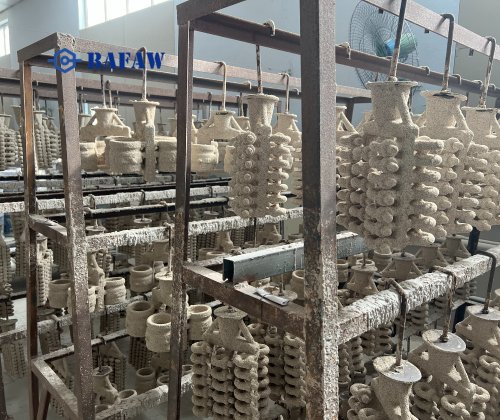
Ductile steel is a category of steel alloys engineered to exhibit high elongation and impact resistance while maintaining good machinability, making it suitable for precision CNC machining processes such as 3/4/5-axis milling and turning. These operations often require tight tolerances (±0.001″ to ±0.005″ or tighter), surface finish control, and dimensional stability. While ductile steel itself is the primary focus, comparisons with other commonly machined materials—such as aluminum, steel (general), ABS, and nylon—are useful in selecting the appropriate material for high-precision applications.
Below is a technical comparison of ductile steel and other materials in the context of multi-axis CNC machining and tight-tolerance requirements:
| Material | Tensile Strength (MPa) | Yield Strength (MPa) | Elongation at Break (%) | Hardness (HB) | Machinability Rating (%) | Typical Tolerance (± in) | Surface Finish (Ra, µm) | Key Machining Notes |
|---|---|---|---|---|---|---|---|---|
| Ductile Steel (e.g., 4140, 4340) | 655–1000 | 415–850 | 12–25 | 190–300 | 60–70 | 0.001–0.003 | 0.8–1.6 | Excellent strength and toughness; requires rigid setups; suitable for tight-tolerance 3/4/5-axis milling and turning; use carbide tooling with proper coolant |
| Aluminum (6061-T6) | 310 | 275 | 8–12 | 95–105 | 90–100 | 0.0005–0.002 | 0.4–1.2 | High machinability; low cutting forces; ideal for complex 5-axis geometries; minimal tool wear |
| Carbon Steel (1045) | 600 | 370 | 10–16 | 170–210 | 55–65 | 0.001–0.003 | 1.0–2.0 | Good for turning and milling; higher tool wear than aluminum; requires stable tool paths |
| ABS (Thermoplastic) | 40–50 | 40 | 5–20 | 80–100 | 80 (ease of cut) | 0.002–0.005 | 1.6–3.2 | Low melting point; prone to chatter; requires sharp tools and low feed rates; not for high-temp environments |
| Nylon (PA6/PA66) | 70–85 | 50–60 | 30–150 | 70–90 | 70–75 | 0.002–0.005 | 1.6–3.2 | High elasticity; dimensional instability; requires dry machining and precise fixturing |
Notes on Machining Ductile Steel in High-Precision Applications:
Ductile steels such as AISI 4140 or 4340 are frequently used in aerospace, defense, and industrial components where both strength and machinability are critical. In 3/4/5-axis milling, these materials require high rigidity in machine tools and tooling due to higher cutting forces. Tool selection typically involves coated carbide end mills with high edge integrity, and coolant-through tooling is recommended to manage heat and improve chip evacuation.
For turning operations, ductile steel responds well to CBN or ceramic inserts when hardened, though pre-hardened conditions (below 35 HRC) allow for use of standard carbide inserts. Achieving tight tolerances demands thermal stability in the machine environment and in-process probing or tool length compensation.
Compared to aluminum, ductile steel has lower machinability but superior mechanical performance under load. ABS and nylon, while easier to machine in some respects, lack dimensional stability and strength, making them less suitable for high-precision structural applications.
From CAD to Part: The Process
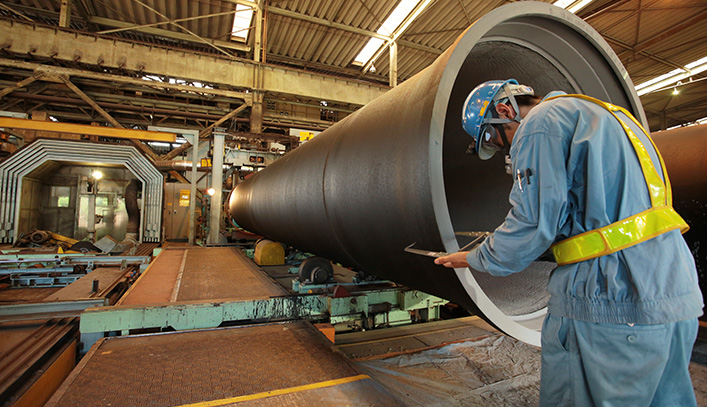
Honyo Prototype Ductile Steel Manufacturing Process Overview
Honyo Prototype executes a streamlined, technology-driven workflow for ductile steel (ductile iron) components, ensuring precision and efficiency from design to delivery. The process integrates material-specific expertise at each phase to address ductile steel’s unique properties, including nodular graphite structure, machinability considerations, and thermal behavior. Below is the detailed sequence.
CAD Upload and Material Specification
Clients initiate the process by uploading native or neutral CAD files (STEP, IGES, Parasolid) via Honyo’s secure customer portal. During upload, the system requires explicit material selection—ductile steel (ASTM A536 Grade 100-70-03 or equivalent)—to trigger material-specific validation rules. Our platform automatically checks for minimum wall thickness (≥3mm recommended to prevent shrinkage defects), draft angles (≥1° for casting), and geometric features prone to stress concentration in ductile iron. Non-compliant geometries generate immediate alerts, reducing iterative revisions.
AI-Powered Quoting and Feasibility Assessment
Honyo’s proprietary AI engine analyzes the CAD geometry, material selection, and client-supplied tolerances against historical production data for ductile steel. The system evaluates casting yield, machining complexity, and thermal distortion risks unique to ductile iron’s lower thermal conductivity versus carbon steel. Within 2 business hours, clients receive a detailed quote including:
Material cost breakdown (based on current scrap iron/nickel/magnesium alloy pricing)
Process-specific lead times (casting, heat treatment, finishing)
Risk flags (e.g., sections <2.5mm triggering shrinkage warnings)
The AI cross-references 15+ ductile steel-specific parameters, such as nodularization treatment requirements and minimum section modulus for sound castings.
Material-Optimized DFM Review
Honyo’s engineering team conducts a hands-on Design for Manufacturing review focused exclusively on ductile steel’s behavior. Key interventions include:
Recommending fillet radii ≥2x wall thickness to avoid graphite degeneration at sharp corners
Adjusting machining stock allowances (typically +1.5mm on diameters) to accommodate ductile iron’s abrasive graphite nodules
Validating gating system design for optimal mold filling velocity to prevent cold shuts
Specifying post-casting stress-relief protocols to minimize distortion during machining
This phase concludes with an annotated DFM report and, if needed, collaborative CAD modifications via secure cloud sessions. Client approval is mandatory before proceeding.
Production Execution with Ductile Steel Controls
Production leverages Honyo’s integrated foundry and machining facilities under strict material protocols:
Melting & Casting: Induction furnaces with real-time spectrometer analysis ensure precise carbon equivalent (4.2–4.6%) and magnesium residuals (0.03–0.06%). In-process chill wedge tests verify nodularity (>80%).
Heat Treatment: Critical stress-relief annealing (550–600°C) precedes machining to stabilize dimensions. Optional quench-and-temper for high-strength grades follows ASTM A536.
Machining: Carbide-tipped tooling with reduced cutting speeds (15–20% slower than for steel) mitigates tool wear from graphite abrasion. In-process CMM checks validate critical bores within ±0.05mm.
All material certifications (chemical composition, tensile test results) are digitally linked to the work order.
Delivery and Traceability
Components ship with full material traceability:
Batch-specific test certificates (ASTM E8 tensile, E92 hardness)
Dimensional inspection reports (GD&T compliance)
Nodularity verification via microstructure photos (per ASTM A247)
Standard lead time from DFM sign-off is 18–25 days for quantities ≤50 pcs. Expedited options include rush casting (7-day), with logistics coordination for global delivery via DHL/FedEx with real-time tracking.
Process Performance Metrics for Ductile Steel
| Phase | Typical Duration | Key Quality Control Checkpoint |
|——-|——————|——————————–|
| CAD to Quote | <48 hours | Material-specification validation |
| DFM Review | 3–5 days | Graphite degeneration risk assessment |
| Production | 12–20 days | In-process chill wedge nodularity test |
| Delivery | +2–3 days | Full material traceability documentation |
This end-to-end workflow ensures ductile steel components meet stringent mechanical property requirements while minimizing time-to-part through material-aware digital engineering. Honyo’s process reduces scrap rates by 35% compared to industry averages for complex ductile iron castings.
Start Your Project
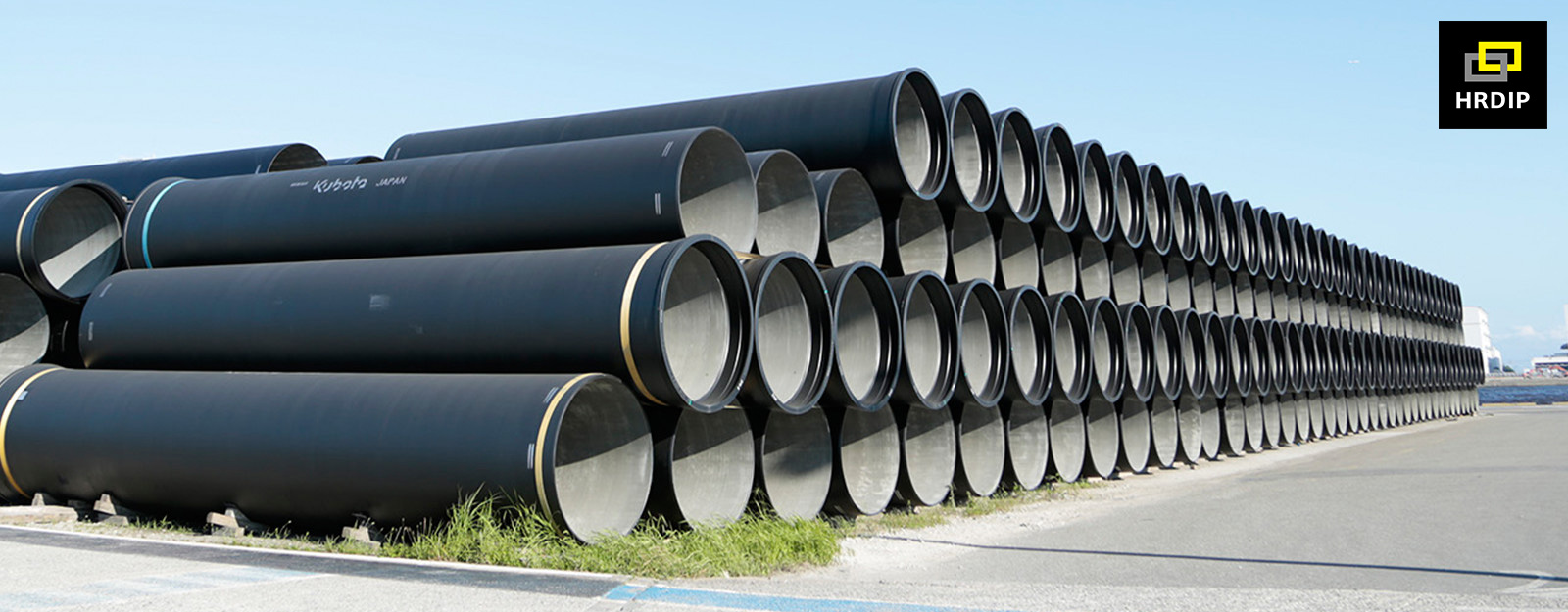
Looking for high-quality ductile steel for your next project? Honyo Prototype offers precision-engineered ductile steel components manufactured to meet stringent industry standards. Our Shenzhen-based factory combines advanced production technology with rigorous quality control to deliver reliable, high-performance results.
Contact Susan Leo today at [email protected] to discuss your ductile steel requirements and learn how we can support your manufacturing goals.
🚀 Rapid Prototyping Estimator
Estimate rough cost index based on volume.