
Contents
Manufacturing Insight: Ductile Iron Vs Steel
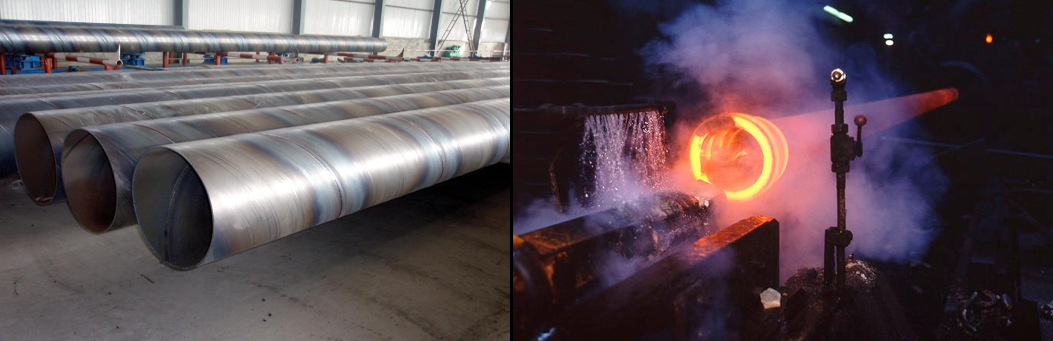
Material Selection Precision Meets Machining Excellence: Ductile Iron vs Steel
Selecting between ductile iron and steel for precision-critical applications demands more than theoretical knowledge—it requires deep practical expertise in how material properties translate to real-world manufacturability and performance. Ductile iron offers superior vibration damping and castability for complex geometries, while steel delivers unmatched tensile strength and fatigue resistance for high-stress components. The decision hinges on nuanced factors like microstructure behavior under machining, thermal stability, and end-use environmental demands.
At Honyo Prototype, our CNC machining services transform this material selection challenge into a strategic advantage. We leverage decades of metallurgical insight to optimize toolpaths, cutting parameters, and finishing processes specifically for ductile iron’s nodular graphite structure or steel’s homogeneous grain flow. Our multi-axis CNC centers, equipped with adaptive tooling and in-process metrology, ensure dimensional accuracy within ±0.005mm while mitigating material-specific risks—such as built-up edge in ductile iron or work hardening in high-carbon steels. Every component undergoes rigorous first-article inspection against AS9102 or PPAP standards, guaranteeing compliance for aerospace, automotive, and industrial clients.
Accelerate your prototyping or low-volume production with Honyo’s Online Instant Quote platform. Upload CAD files in STEP, IGES, or native formats to receive a detailed manufacturability analysis and competitive pricing within hours—not days. Our system automatically evaluates material suitability, identifies potential machining constraints, and suggests optimizations, empowering informed decisions before you commit to a single cut.
Material Comparison Snapshot
| Property | Ductile Iron (ASTM A536) | Carbon Steel (ASTM A36) |
|———————–|————————–|————————-|
| Tensile Strength | 400–900 MPa | 400–550 MPa |
| Elongation at Break | 10–25% | 15–20% |
| Damping Capacity | Excellent | Moderate |
| Machinability (RM) | 75–90 | 55–65 |
| Typical Applications | Pump housings, brackets | Shafts, structural frames |
Partner with Honyo Prototype to convert material science into precision-engineered reality—where every machining strategy is engineered for your specific alloy. Initiate your project with confidence using our Online Instant Quote today.
Technical Capabilities
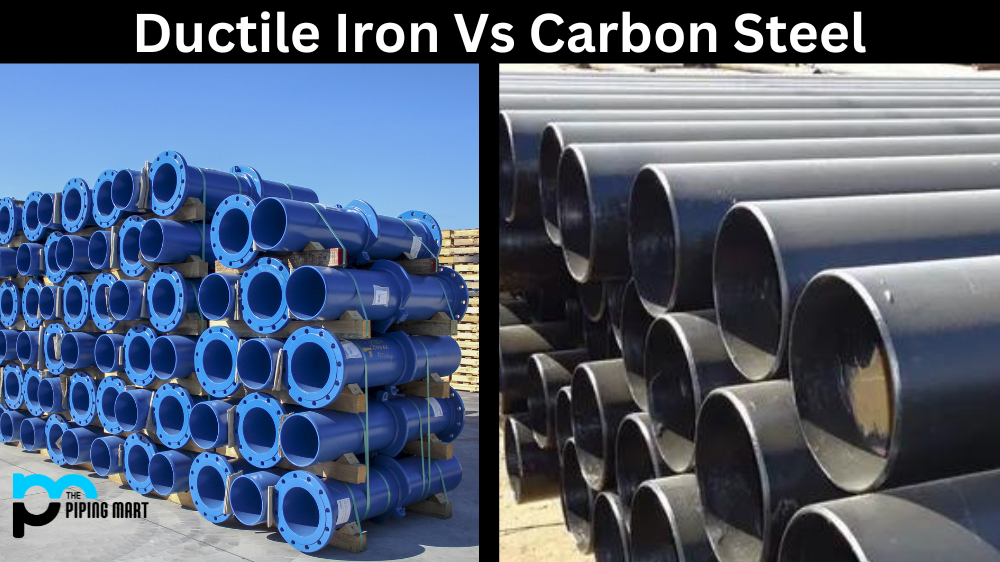
When evaluating ductile iron versus steel for precision machining applications such as 3/4/5-axis milling and turning with tight tolerance requirements, several technical factors must be considered, including machinability, dimensional stability, tool wear, and compatibility with secondary processes. Below is a comparative analysis focused on these aspects, with context provided for common materials used in prototyping and production such as aluminum, steel, ABS, and nylon.
| Parameter | Ductile Iron (ASTM A536) | Steel (e.g., 4140, 1018, 4340) | Aluminum (e.g., 6061, 7075) | ABS (Thermoplastic) | Nylon (Polyamide) |
|---|---|---|---|---|---|
| Machinability (Relative) | Moderate (50–60% of B1112) | Good to Excellent (60–100% of B1112) | Excellent (100–150%) | Good (70–80%) | Fair to Moderate (50–60%) |
| Tool Wear (in Milling) | High (due to abrasive graphite) | Moderate | Low | Very Low | Low |
| Chip Formation | Short, discontinuous chips | Continuous to semi-continuous | Small, curled chips | Continuous, stringy | Continuous, soft |
| Surface Finish Achievable | 63–125 μin Ra (milling) | 32–63 μin Ra (milling) | 16–32 μin Ra | 32–63 μin Ra | 63–125 μin Ra |
| Dimensional Stability | Good (after stress relief) | Excellent (with proper heat treat) | Good | Moderate (prone to creep) | Low (hygroscopic, creep) |
| Tight Tolerance Capability | ±0.001″ to ±0.002″ typical | ±0.0005″ to ±0.001″ achievable | ±0.0005″ to ±0.001″ | ±0.002″ to ±0.005″ | ±0.002″ to ±0.005″ |
| Thermal Conductivity | Low (~25 Btu/hr·ft·°F) | Low to Moderate (~25–30) | High (~120–130) | Very Low (~0.2) | Very Low (~0.25) |
| Vibration Damping | Excellent | Moderate | Poor | Good | Good |
| Typical Applications | Industrial housings, gears | Shafts, fixtures, structural parts | Aerospace, enclosures | Prototypes, jigs | Wear strips, gears |
| Coolant Requirement | Required (to manage heat/tool wear) | Required | Recommended | Optional | Optional |
| 3/4/5-Axis Milling Suitability | Moderate (requires rigid setup, carbide tools) | High (excellent for complex geometries) | Very High (fast, precise) | Moderate (soft, needs support) | Low (flexible, hard to hold) |
| Turning Suitability | Good (with insert grade KCMD25 or similar) | Excellent (wide range of inserts) | Excellent (high speeds) | Moderate | Fair |
Key Insights:
Ductile iron offers superior vibration damping and compressive strength, making it suitable for heavy-duty housings and gear components. However, its abrasive nature increases tool wear during 3/4/5-axis milling and tight tolerance turning operations. Carbide or CBN tooling is often required, and proper workholding and rigidity are critical to maintain tolerances.
Steel, particularly alloy steels like 4140, provides better dimensional stability and tighter tolerance capability than ductile iron, especially when heat-treated. It is highly compatible with multi-axis machining centers and delivers consistent surface finishes, making it ideal for precision components such as tooling, shafts, and high-strength fixtures.
Aluminum remains the preferred choice for high-speed, high-accuracy milling and turning due to its excellent machinability and thermal properties. It is commonly used in aerospace and electronics where tight tolerances and lightweight are critical.
ABS and nylon, while useful for prototyping and non-structural applications, are limited in achieving tight tolerances due to thermal sensitivity and creep. They require careful fixturing and reduced cutting forces, especially in 5-axis operations.
In summary, for high-precision, tight tolerance applications in multi-axis environments, steel outperforms ductile iron in consistency and surface quality, while aluminum leads in speed and ease of machining. Ductile iron is selected primarily for mechanical performance in service, not machinability.
From CAD to Part: The Process
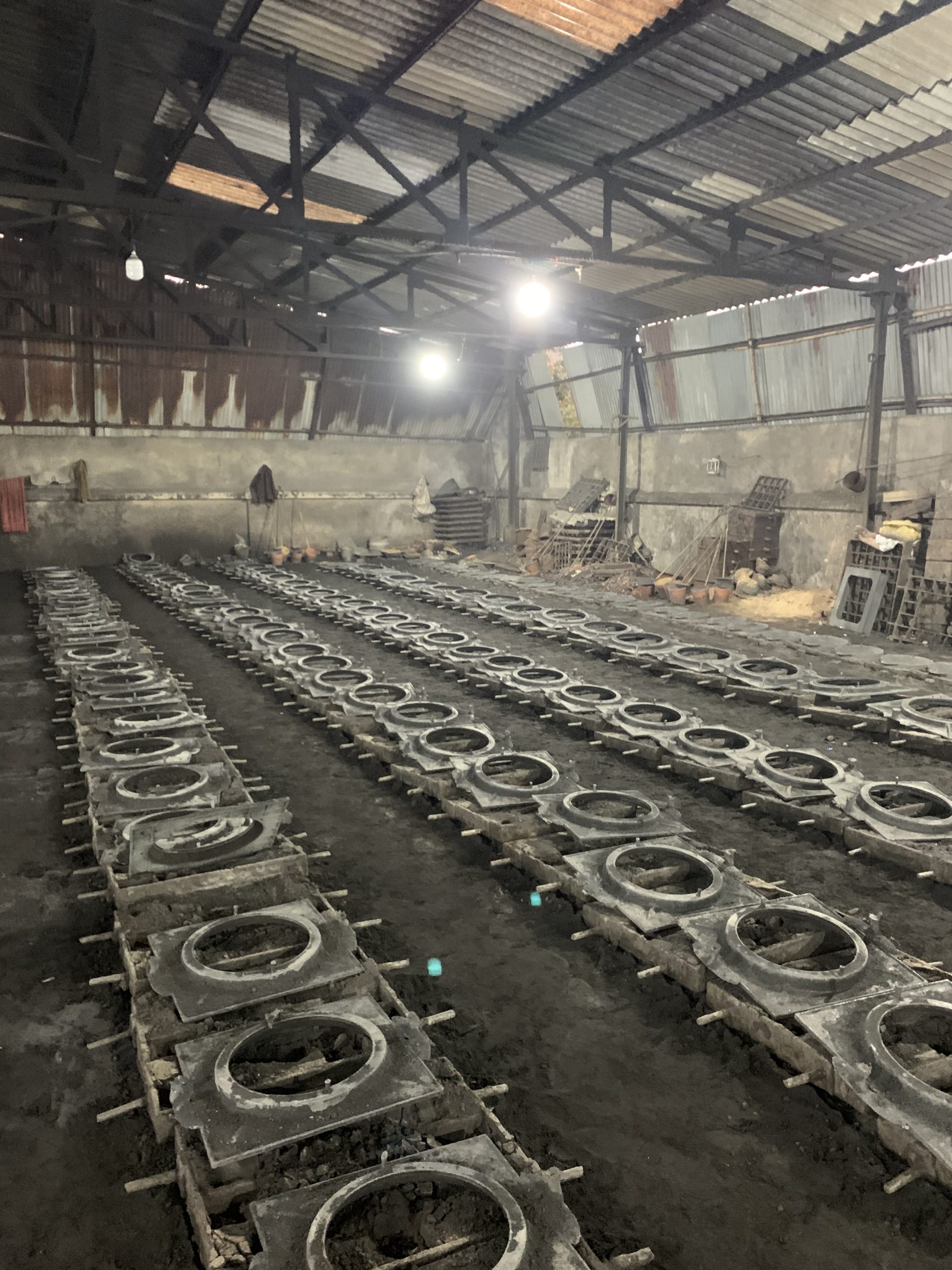
Honyo Prototype Ductile Iron vs. Steel Material Selection and Manufacturing Process
Honyo Prototype delivers optimized manufacturing solutions by integrating material science expertise with digital workflows. Our process ensures ductile iron and steel components are evaluated and produced according to their distinct metallurgical properties and application requirements. The sequence begins when a client uploads a CAD model specifying the target material or indicating openness to material substitution based on functional needs.
CAD Upload and Material Specification
Upon CAD file submission, our system captures geometric intent and material requirements. Clients explicitly state if the design targets ductile iron (e.g., ASTM A536) or steel (e.g., AISI 1045, 4140), or request Honyo’s recommendation. Critical parameters like load conditions, environmental exposure, and dimensional tolerances are analyzed to validate material suitability. For ambiguous requests, our engineers initiate a preliminary consultation to define performance criteria before proceeding.
AI-Powered Quoting with Material Intelligence
Our AI quoting engine processes the CAD geometry alongside material-specific cost drivers. It dynamically calculates:
Ductile iron: Nodulizing treatment costs, risering complexity, and machining allowances for graphite-induced tool wear.
Steel: Heat treatment expenses, weld prep requirements, and raw material surcharges for alloy grades.
The quote explicitly itemizes material-driven cost variables, such as higher scrap rates for thin-section ductile iron castings versus extended CNC cycles for hardened steel. Clients receive transparent cost breakdowns showing why one material may be economically advantageous for their specific geometry.
Material-Aware Design for Manufacturability (DFM)
Honyo’s engineering team conducts a rigorous DFM review focused on material constraints:
Ductile iron designs are scrutinized for section thickness uniformity to prevent shrinkage cavities and for adequate draft angles in casting patterns. Steel components undergo weldability and hardenability analysis, with recommendations for pre-heating or stress-relieving if complex geometries induce distortion. We provide actionable feedback, such as increasing fillet radii in ductile iron to reduce stress concentrations or suggesting normalized steel to improve machinability. Critical deviations from material best practices trigger collaborative redesign sessions.
Material-Optimized Production Execution
Production leverages material-specific workflows:
Ductile iron: Utilizes automated ladle treatment for magnesium inoculation, followed by controlled cooling in proprietary molds. Real-time spectrographic analysis ensures carbon equivalent (CE) compliance. Machining employs carbide tooling with reduced feed rates to handle graphite microstructures.
Steel: Implements precise thermal cutting or forging, with in-process hardness testing pre- and post-heat treatment. CNC operations adjust parameters for steel’s higher shear strength, using coolant-through-tooling to manage heat generation.
The following table summarizes key process differences:
| Material | Key Processing Difference | Honyo’s Action |
|---|---|---|
| Ductile Iron | Susceptible to shrinkage in thick sections | Mandates modulus-based riser design in DFM |
| Graphite causes abrasive tool wear | Uses wear-resistant inserts + 20% slower feeds | |
| Steel | Risk of quench cracking in high-carbon grades | Specifies step-quenching in heat treat plan |
| Weld-induced residual stress | Adds post-weld stress relief per ASME Section IX |
Certified Delivery with Material Traceability
All components ship with full material traceability. Ductile iron parts include test coupon reports verifying tensile strength and elongation per ASTM A370. Steel deliveries feature mill certificates with actual chemistry and hardness validation. Dimensional reports reference material-specific tolerancing standards (e.g., ISO 8062 for castings, ISO 2768 for machined steel). Critical applications receive non-destructive testing documentation (e.g., MPI for steel welds, ultrasonic for ductile iron).
This integrated approach eliminates material-related production failures by embedding metallurgical intelligence at every phase. Honyo ensures clients receive not just a manufactured part, but a material-optimized solution validated through engineering rigor and process control.
Start Your Project
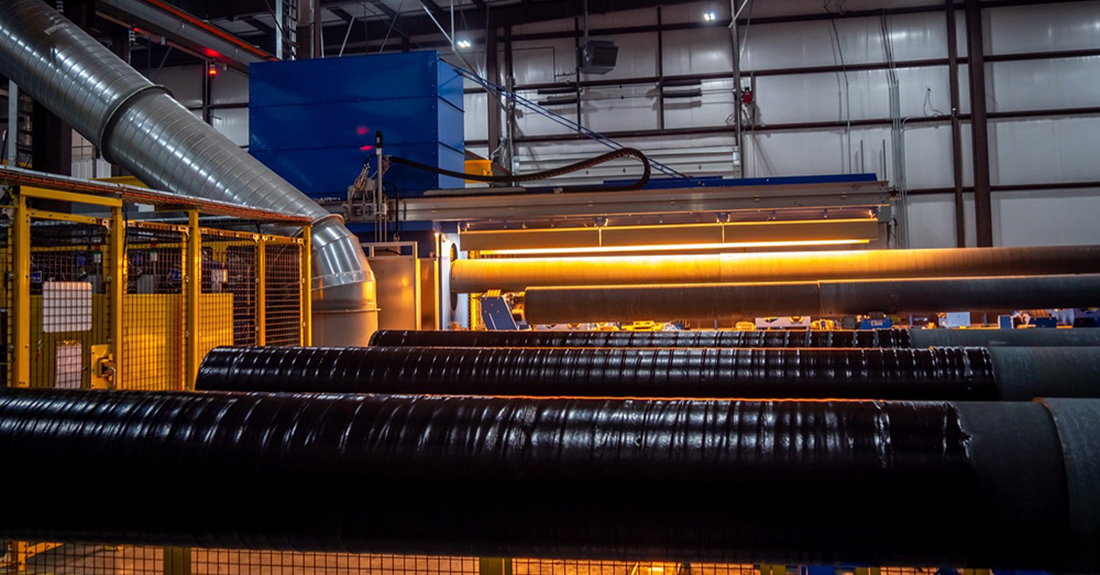
Considering the differences between ductile iron and steel for your next project? Make an informed decision with expert guidance from Honyo Prototype.
Our engineering team in Shenzhen specializes in material selection and precision manufacturing, helping you optimize performance, cost, and durability.
Contact Susan Leo today at [email protected] to discuss your application and receive technical support tailored to your requirements.
🚀 Rapid Prototyping Estimator
Estimate rough cost index based on volume.