
Contents
Manufacturing Insight: Ductile Iron Versus Carbon Steel
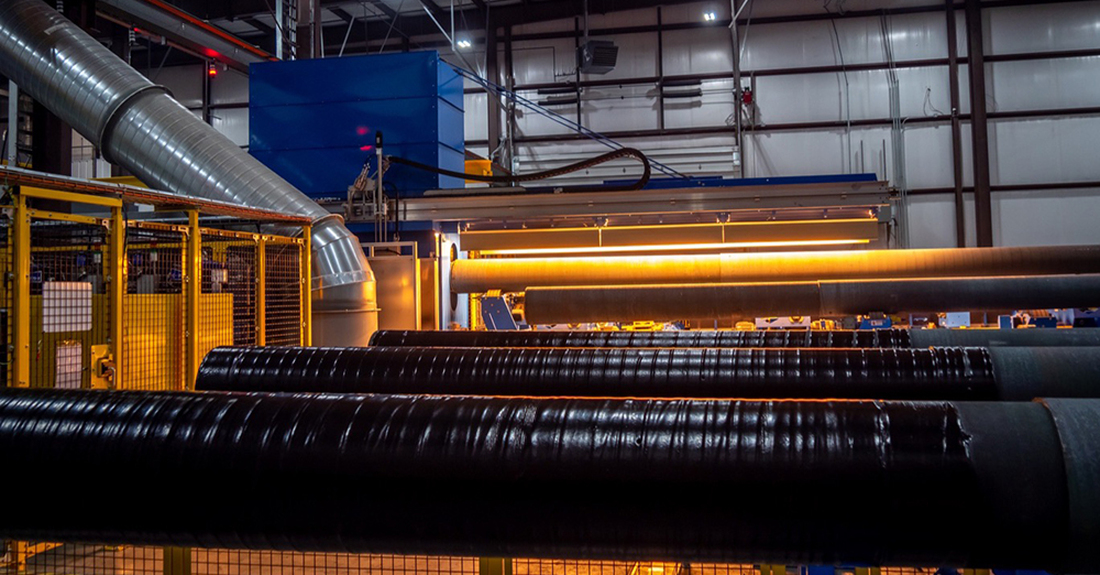
Material Selection Precision Meets Advanced CNC Capabilities at Honyo Prototype
Selecting the optimal base material between ductile iron and carbon steel is a critical engineering decision impacting component performance, longevity, and manufacturability. While both offer robust mechanical properties, their distinct metallurgical structures dictate vastly different behaviors during CNC machining operations. Ductile iron, with its spherical graphite nodules, provides superior impact resistance and vibration damping compared to the flake graphite structure of gray iron, yet presents unique challenges in chip control and tool wear. Carbon steel, valued for its high strength, weldability, and generally predictable machining characteristics across various grades, requires precise parameter control to avoid work hardening or dimensional instability. Understanding these nuances is paramount for achieving tight tolerances, optimal surface finishes, and cost-effective production.
The fundamental differences between these materials significantly influence CNC process strategy:
| Key Property | Ductile Iron (e.g., ASTM A536 65-45-12) | Carbon Steel (e.g., AISI 1045) |
|---|---|---|
| Typical Tensile Strength | 65 ksi (448 MPa) | 90 ksi (620 MPa) |
| Elongation (Ductility) | 12% | 16% |
| Machinability Rating | Moderate (Requires specific tooling) | Good to Very Good |
| Primary Machining Challenge | Chip control, built-up edge, tool wear | Work hardening, heat management |
| Common Applications | Pump housings, gears, valve bodies | Shafts, pins, structural parts |
Honyo Prototype leverages deep metallurgical expertise and state-of-the-art CNC machining centers to expertly navigate the specific requirements of both ductile iron and carbon steel components. Our engineering team develops tailored machining processes, including optimized toolpaths, specialized cutting tool geometries, and precise coolant strategies, to mitigate material-specific challenges such as ductile iron’s abrasive graphite or carbon steel’s tendency to work-harden. This ensures consistent production of high-integrity parts meeting stringent dimensional tolerances and surface finish specifications, whether for demanding prototyping runs or low-to-medium volume production.
Accelerate your next project involving ductile iron or carbon steel by utilizing Honyo Prototype’s Online Instant Quote system. Upload your CAD file directly to receive a detailed manufacturability assessment and competitive pricing within hours, enabling faster decision-making and project initiation without compromising on the precision engineering your application demands.
Technical Capabilities
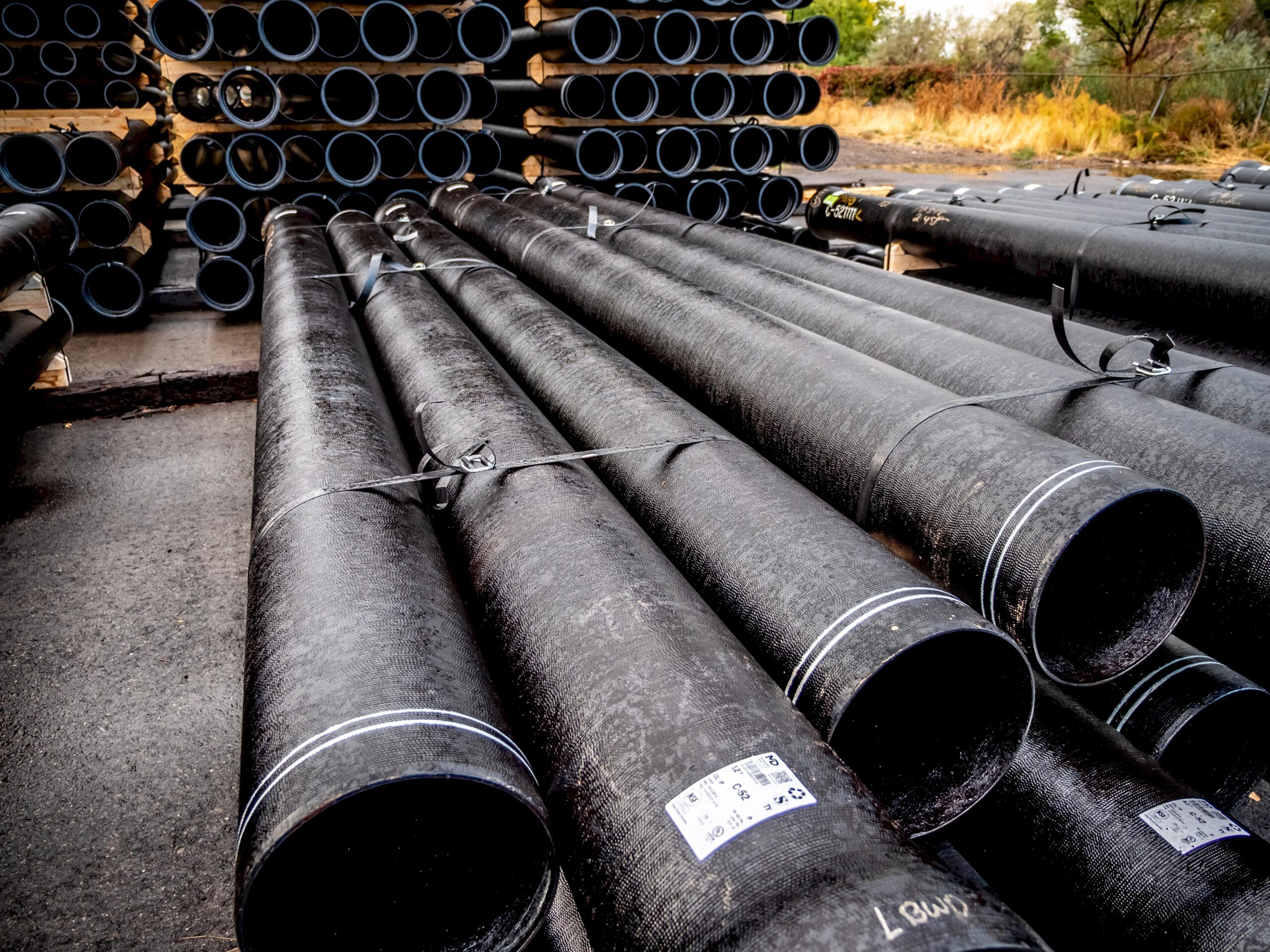
Ductile iron and carbon steel are both widely used in precision manufacturing environments, particularly in applications requiring high strength, wear resistance, and dimensional stability. When machining these materials using 3-axis, 4-axis, or 5-axis milling and turning processes—especially under tight tolerance requirements (±0.0005″ to ±0.005″)—their mechanical properties significantly influence tool selection, cutting parameters, and overall machinability. Below is a comparative technical specification table, including reference to other commonly machined materials such as aluminum, steel (general carbon steel), ABS, and nylon for context.
| Property / Material | Ductile Iron (ASTM A536) | Carbon Steel (e.g., 1045, 4140) | Aluminum (6061-T6) | ABS (Acrylonitrile Butadiene Styrene) | Nylon (PA6/PA66) |
|---|---|---|---|---|---|
| Tensile Strength (MPa) | 400–700 | 500–700 (1045), 650–900 (4140) | 290–310 | 40–50 | 70–85 |
| Yield Strength (MPa) | 275–500 | 350–500 (1045), 450–850 (4140) | 240–270 | 35–45 | 50–70 |
| Hardness (HB) | 150–250 | 150–250 (1045), 250–320 (4140) | 95–105 | 80–100 (Rockwell R) | 80–100 (Rockwell M) |
| Machinability Rating (%) | 55–65 | 60–70 (1045), 55–60 (4140) | 90–100 | Excellent (soft, low tool wear) | Good (tough, can gum) |
| Thermal Conductivity (W/m·K) | 35–40 | 45–50 | 160–180 | 0.1–0.2 | 0.2–0.3 |
| Coefficient of Thermal Expansion (µm/m·°C) | 11.0–12.5 | 11.0–12.0 | 23.0–24.0 | 70–100 | 80–120 |
| Typical Tooling for Milling/Turning | Carbide inserts (K10–K20 grades), ceramic for high-speed | Carbide (P20–P40 grades), HSS for low-speed | Carbide or diamond (high speed), polished flutes | High-speed steel or carbide, sharp cutting edges | Carbide, sharp rake angles, high clearance |
| Recommended Cutting Speed (m/min) – Milling | 100–180 | 120–200 (1045), 80–150 (4140) | 250–500 | 100–200 | 80–150 |
| Feed Rate (mm/rev) – Turning | 0.1–0.3 | 0.1–0.35 | 0.1–0.4 | 0.1–0.3 | 0.1–0.25 |
| Suitability for Tight Tolerance Machining | Good (stable, but abrasive; requires rigid setup) | Excellent (dimensional stability, predictable tool wear) | Excellent (low cutting forces, high precision) | Fair (thermal expansion affects tolerances) | Fair to Poor (hygroscopic, prone to dimensional shift) |
| Surface Finish (Typical Ra µm) | 0.8–1.6 | 0.4–1.2 | 0.4–0.8 | 0.8–2.0 | 1.6–3.2 |
| Coolant Requirement | Required (to manage heat and built-up edge) | Required (especially for 4140) | Required (to prevent smearing) | Optional (air blast often sufficient) | Optional (air cooling typical) |
| Common Applications | Gears, housings, hydraulic components | Shafts, tooling, structural parts | Aerospace, prototypes, heat sinks | Prototypes, enclosures, jigs | Wear strips, gears, bushings |
Notes on Machining Strategy for Tight Tolerance Work:
For 3/4/5-axis milling and turning, achieving tight tolerances in ductile iron and carbon steel demands high machine rigidity, thermal stability, and precise tool compensation. Ductile iron, while strong and impact-resistant, contains graphite nodules that can be abrasive, leading to accelerated tool wear—especially in interrupted cuts. Carbide tooling with negative rake angles and coatings such as TiCN or Al₂O₃ are recommended.
Carbon steel, particularly alloy grades like 4140, offers more predictable chip formation and better surface finish potential under tight tolerance regimes. Pre-hardened steels may require pre-machining before final finishing passes to minimize residual stress-induced distortion.
In contrast, aluminum machines rapidly with minimal tool wear, making it ideal for complex 5-axis contours and high-precision features. However, its high thermal expansion requires in-process thermal management.
ABS and nylon, while easily machined, are less suitable for tight tolerance applications due to moisture absorption (nylon) and low stiffness (ABS), which can result in deflection and dimensional instability. They are best used for prototype validation rather than final precision components.
Selecting the appropriate material depends on the functional requirements, environmental exposure, and the balance between machinability and performance under load.
From CAD to Part: The Process
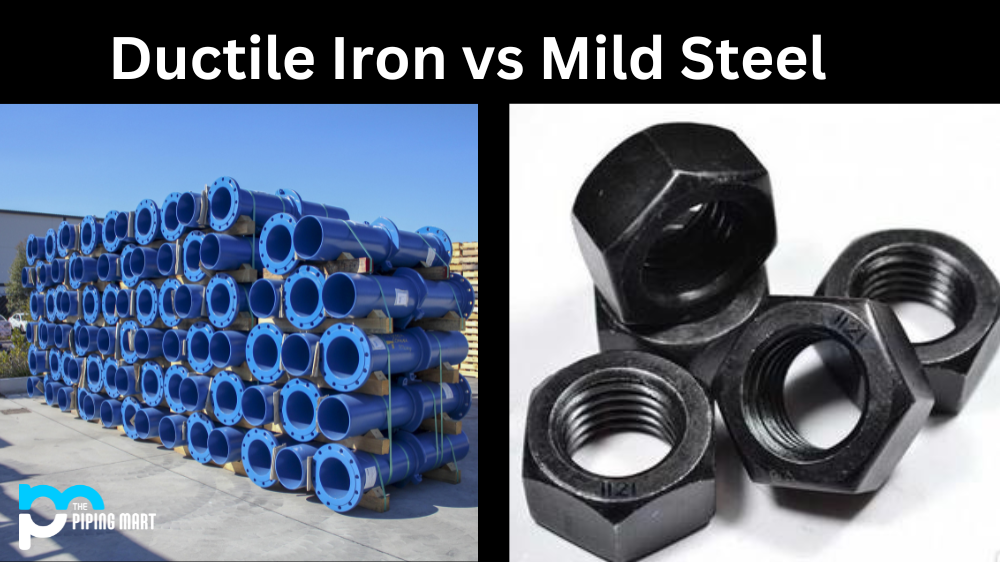
Honyo Prototype Material-Specific Workflow: Ductile Iron vs. Carbon Steel
Upon CAD model upload, Honyo’s system initiates material-specific analysis. For ductile iron, the AI quote engine evaluates nodularity requirements, section thickness sensitivity, and graphite expansion characteristics. Carbon steel analysis focuses on hardenability, weldability, and potential for decarburization. Material selection directly impacts cost drivers: ductile iron typically carries 15–20% higher raw material costs but may reduce machining time by 25–30% for complex geometries due to superior castability.
AI-Powered Quoting and DFM Integration
The AI quote algorithm cross-references historical production data for both materials. Ductile iron quotes incorporate foundry-specific variables like inoculation costs and post-casting heat treatment cycles. Carbon steel quotes factor in potential pre-machining normalization and stricter tolerance allowances. During DFM review, our engineers explicitly validate:
Ductile iron: Minimum section thickness (≥6mm to avoid chill), riser placement for shrinkage control, and avoidance of sharp corners to prevent stress cracking.
Carbon steel: Machining stock allowances (typically 2–3mm vs. 1.5–2mm for ductile iron), weld preparation requirements, and thermal distortion risks during heat treatment.
Production Pathway Divergence
Material choice dictates the production sequence:
| Process Stage | Ductile Iron Execution | Carbon Steel Execution | Why It Matters |
|---|---|---|---|
| Pattern Creation | 3D-printed sand molds with controlled graphite expansion gaps | Machined investment patterns or permanent molds | Prevents shrinkage defects unique to ductile iron’s solidification behavior |
| Melting & Pouring | Strict Mg treatment control; 1420–1460°C pour temperature | Deoxidation critical; 1550–1600°C for low-carbon grades | Ensures nodularity >85% (ductile iron) vs. avoiding gas porosity (steel) |
| Post-Casting | Mandatory stress-relief annealing (600–650°C) | Optional normalization depending on grade | Eliminates residual stresses from graphite expansion |
| Machining | Lower cutting speeds (40–60 m/min) due to abrasive graphite | Higher speeds (80–120 m/min) for homogeneous structure | Prevents tool wear acceleration from ductile iron’s microstructure |
Delivery Assurance
All ductile iron components undergo ultrasonic testing for internal defects per ASTM A536, while carbon steel parts receive magnetic particle inspection per ASTM A275 where applicable. Final dimensional reports explicitly call out material-specific tolerances: ductile iron parts adhere to ISO 8062 CT10–12 casting grades, whereas carbon steel follows CT8–10 standards. Lead times differ by 8–12 days on average due to ductile iron’s mandatory heat treatment cycle.
Honyo’s process ensures material selection is never an afterthought but a quantifiable engineering decision. Our 98.7% first-pass yield rate for ductile iron and 99.2% for carbon steel stems from embedding material physics into every workflow stage—from AI quoting through to final inspection. This eliminates costly redesigns by resolving material-process conflicts during DFM, not during production.
Start Your Project
When evaluating material options for your next project, understanding the key differences between ductile iron and carbon steel is critical for performance, cost, and longevity. At Honyo Prototype, our manufacturing expertise in Shenzhen allows us to support your decision-making with precision prototyping and production-grade solutions tailored to your application.
For technical guidance or material selection support, contact Susan Leo at [email protected]. Leverage our in-house capabilities to optimize your design with the right material choice.
🚀 Rapid Prototyping Estimator
Estimate rough cost index based on volume.