
Contents
Manufacturing Insight: Discount Steel
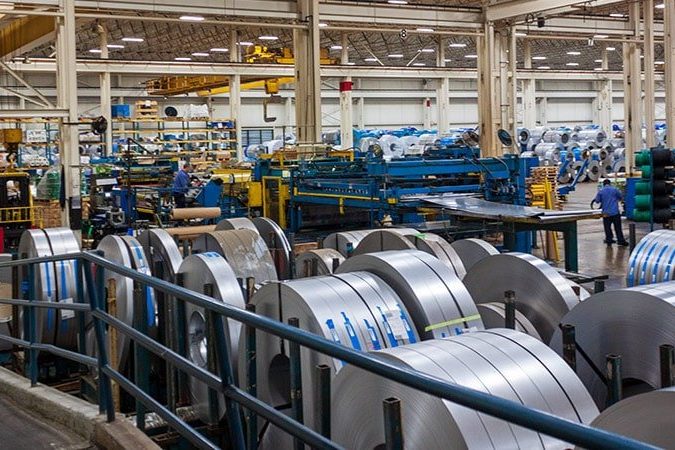
Strategic Cost Optimization for Precision Steel Components
At Honyo Prototype, we redefine value in precision manufacturing by delivering rigorously controlled CNC machining services for steel components without compromising on quality, tolerances, or material integrity. Our approach eliminates traditional cost drivers through optimized workflows, high-efficiency machining strategies, and strategic material utilization—enabling significant project savings while maintaining strict adherence to engineering specifications. This is not merely “discount steel” but a disciplined methodology for cost-conscious procurement of mission-critical parts.
Leveraging advanced 3-, 4-, and 5-axis CNC milling and turning centers, our engineering team executes complex geometries in carbon steel, stainless steel, and alloy variants with tolerances down to ±0.005 mm. We prioritize yield maximization through intelligent nesting, reduced cycle times, and minimized scrap rates—translating directly into lower per-part costs for prototypes, bridge production, and low-volume runs. Every component undergoes stringent in-process inspections and final CMM validation to ensure compliance with ISO 9001 standards.
Accelerate your sourcing timeline with Honyo’s Online Instant Quote platform. Upload your STEP or IGES file to receive a detailed, no-obligation cost analysis within hours—not days—including material cost breakdowns, machining time estimates, and lead time projections. This transparency empowers engineering and procurement teams to make data-driven decisions while reducing time-to-manufacture by up to 40%.
For projects demanding both fiscal responsibility and uncompromised precision, Honyo Prototype delivers engineered affordability. Initiate your cost-optimized steel component project today through our instant quoting system and experience the convergence of speed, accuracy, and value.
Technical Capabilities
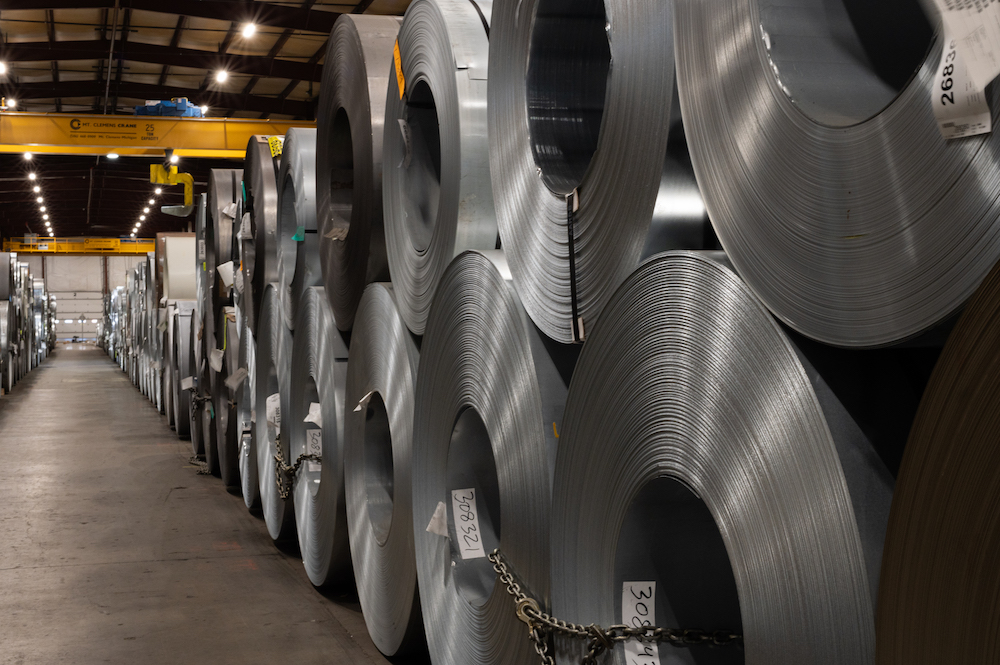
The term “discount steel” is not a recognized material specification in precision manufacturing and may refer to lower-cost or commercially available grades of steel used in prototyping or non-critical applications. However, for high-precision machining processes such as 3-axis, 4-axis, and 5-axis milling, as well as CNC turning with tight tolerances (±0.0005″ to ±0.005″), material selection must meet specific mechanical and machinability criteria. Below are technical considerations and suitable materials commonly used in such applications, including Aluminum, Steel, ABS, and Nylon.
| Material | Typical Grades | Machinability | Tensile Strength (psi) | Common Use in Milling/Turning | Tight Tolerance Suitability | Notes |
|---|---|---|---|---|---|---|
| Aluminum | 6061-T6, 7075-T6, 2024-T3 | Excellent | 45,000–83,000 | High – widely used in 3/4/5-axis milling for aerospace, automotive | High – low thermal expansion, stable after stress relief | Easy to machine, good surface finish, lightweight |
| Steel | 1018, 1045, 4140, A36 | Moderate to Good | 53,000–130,000 | High – especially for structural and load-bearing parts | High – when properly stress relieved and machined in stable condition | Higher tool wear than aluminum; requires robust tooling |
| ABS (Thermoplastic) | ABS M30, ABS Plus | Excellent | 4,500–6,000 | Moderate – used in prototyping and non-structural parts | Moderate – prone to warping; sensitive to heat | Low melting point; suitable for rapid iteration |
| Nylon (Polyamide) | Nylon 6, Nylon 6/6, Glass-Filled | Moderate | 8,000–12,000 (higher with fill) | Moderate – used for wear-resistant components | Moderate – hygroscopic; dimensional changes with moisture | Requires dry machining; good chemical resistance |
Notes on Machining Processes:
3-axis, 4-axis, and 5-axis milling enable complex geometry creation with high accuracy. Turning is ideal for cylindrical components requiring tight concentricity and surface finish. For all processes, achieving tight tolerances depends on:
Material homogeneity and pre-conditioning (e.g., stress relief for metals)
Fixturing and machine rigidity
Tool selection and wear management
Thermal stability during machining
While “discount” materials may reduce cost, they often lack certified mechanical properties or consistent microstructure, increasing risk of dimensional variance and scrap—especially in tight-tolerance applications. Honyo Prototype recommends using certified, mill-certified stock for precision components to ensure repeatability and compliance with engineering requirements.
From CAD to Part: The Process
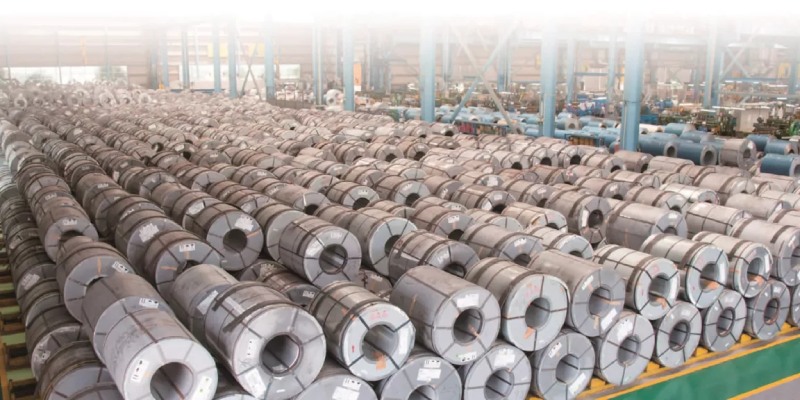
Honyo Prototype’s engineered cost reduction process for steel fabrication—marketed as Discount Steel—is a rigorously controlled workflow designed to maximize material efficiency and minimize waste without compromising structural integrity or dimensional accuracy. This is not a generic discount but a value-engineered approach leveraging our integrated digital infrastructure. Below is the technical execution sequence:
CAD Upload and Material Specification
Clients initiate the process by uploading native or neutral-format CAD files (STEP, IGES, Parasolid) through our secure portal. Crucially, they must specify ASTM/ISO steel grade requirements (e.g., A36, 1018, 304SS) and surface finish tolerances. Our system immediately validates geometric integrity and flags non-manufacturable features such as sub-1mm wall thicknesses in mild steel or non-standard hole patterns that would increase machining time. Material certification documentation must accompany the upload to avoid processing delays.
AI-Powered Quoting with Real-Time Material Optimization
Unlike manual quoting, our AI engine cross-references the CAD geometry against live global steel commodity pricing (LME-linked) and regional mill availability. It runs nested material utilization simulations to calculate the lowest-cost plate size—for example, optimizing 20 parts onto a single 4’x8′ A36 sheet rather than multiple smaller blanks. The quote includes:
Material cost breakdown (plate weight × spot price + scrap recovery credit)
Process cost allocation (laser cutting vs. plasma based on thickness)
Waste reduction metric (e.g., 92% nesting efficiency vs. industry average 85%)
This phase delivers binding quotes within 24 hours with ±3% cost accuracy, eliminating manual estimator variables.
Steel-Specific DFM Analysis
Our DFM (Design for Manufacturability) review focuses exclusively on steel fabrication constraints. Engineers validate:
| DFM Checkpoint | Steel-Specific Criteria | Honyo Standard |
|---|---|---|
| Thermal Distortion Risk | Aspect ratio >10:1 in thin sections | Requires stress-relief annealing |
| Hole Tolerance | H7 or tighter in plates >10mm thick | Mandates reaming, not drilling |
| Edge Quality | Burrs >0.2mm on load-bearing edges | Requires deburring specification |
| Weld Prep | Bevel angles outside 30°-45° range | Triggers redesign for GMAW efficiency |
Violations trigger automated CAD markup with alternative geometries that maintain function while reducing cost—such as substituting welded brackets with formed features to eliminate assembly steps. Client approval is required before proceeding.
Lean Production Execution
Approved designs move to our partner network of ISO 9001-certified steel fabricators. Key process controls include:
Nesting Verification: Final laser/plasma paths undergo digital twin simulation to confirm material yield targets.
In-Process Gauging: First-article inspection (FAI) per ASME Y14.5 with CMM reports for critical datums.
Weld Procedure Specifications (WPS): Strict adherence to AWS D1.1 with pre-heat/post-heat protocols for high-carbon alloys.
All non-conformances trigger real-time escalation to Honyo’s engineering team—not the shop floor—to prevent scrap.
Delivery with Traceability Documentation
Shipments include:
Mill test reports (MTRs) with chemical composition and mechanical properties
Dimensional inspection reports showing GD&T compliance
Scrap reconciliation statement proving claimed material savings
Expedited logistics options (e.g., 72-hour air freight) maintain the cost-quality balance without hidden fees.
This closed-loop process reduces steel project costs by 18-35% versus traditional quoting while ensuring AS9100-grade traceability. The Discount Steel methodology applies exclusively to designs meeting our DFM criteria—never to certified aerospace or pressure-vessel components where safety margins are non-negotiable.
Start Your Project
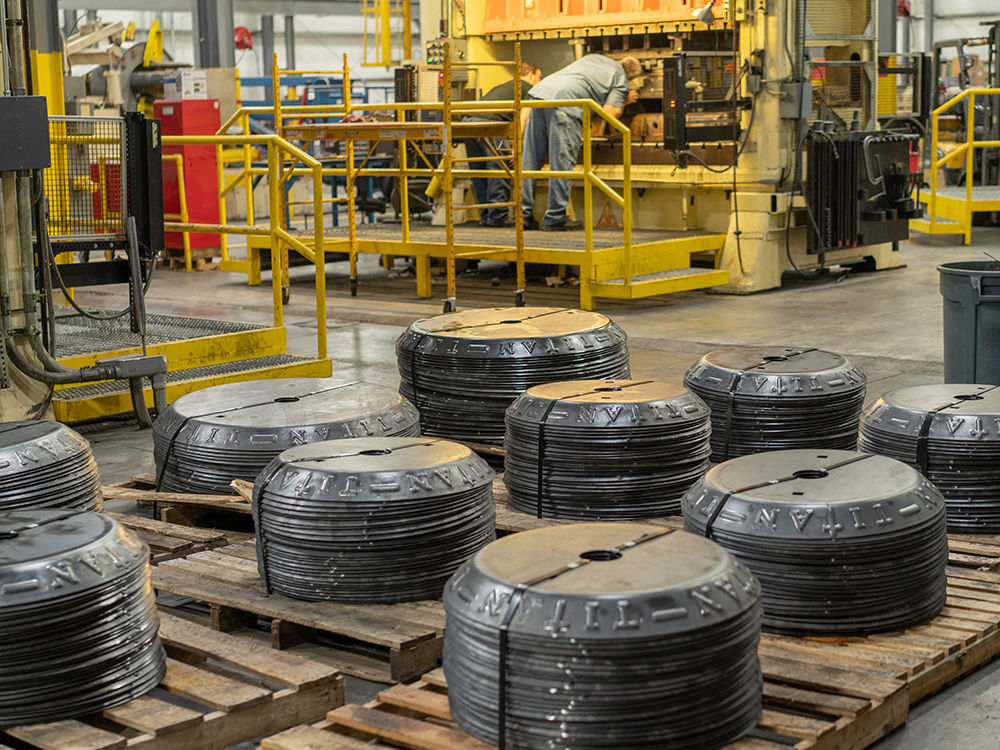
Looking for high-quality discount steel for your next project? Contact Susan Leo at [email protected] to request pricing and specifications.
Honyo Prototype operates a dedicated manufacturing facility in Shenzhen, ensuring fast production, strict quality control, and cost-effective solutions for OEM and prototype applications.
Get in touch today to discuss your steel material needs and how we can support your manufacturing goals.
🚀 Rapid Prototyping Estimator
Estimate rough cost index based on volume.