
Contents
Manufacturing Insight: Difference Between Metal And Aluminum
Understanding Material Selection in Sheet Metal Fabrication Steel Versus Aluminum Explained
When clients inquire about the difference between metal and aluminum for sheet metal fabrication, a critical clarification is essential: aluminum is a specific metal, not a category opposing other metals. The practical distinction typically lies between steel alloys (like mild steel or stainless steel) and aluminum alloys. This choice fundamentally impacts manufacturability, performance, and cost. Steel offers superior tensile strength and wear resistance but is significantly heavier and prone to corrosion without treatment. Aluminum provides exceptional strength-to-weight ratio, inherent corrosion resistance, and superior thermal/electrical conductivity, though it requires careful handling due to lower hardness and higher thermal expansion during machining and welding.
Honyo Prototype excels in precision fabrication across both material families, leveraging deep metallurgical expertise to optimize your design for the chosen alloy. Our advanced CNC punching, laser cutting, bending, and welding capabilities are calibrated for the unique behaviors of steel and aluminum—addressing challenges like steel’s springback or aluminum’s susceptibility to galling. We ensure dimensional accuracy, structural integrity, and surface finish consistency, whether you require the rugged durability of steel for industrial enclosures or the lightweight efficiency of aluminum for aerospace components.
Material selection directly influences lead time and cost efficiency. To streamline your prototyping or low-volume production, utilize Honyo Prototype’s Online Instant Quote platform. Input your steel or aluminum part specifications—material grade, thickness, tolerances—and receive a detailed, transparent cost estimate within hours. This tool integrates our fabrication knowledge upfront, highlighting potential design optimizations to reduce waste and accelerate time-to-market. Partner with Honyo to transform material science into manufacturable excellence.
Technical Capabilities
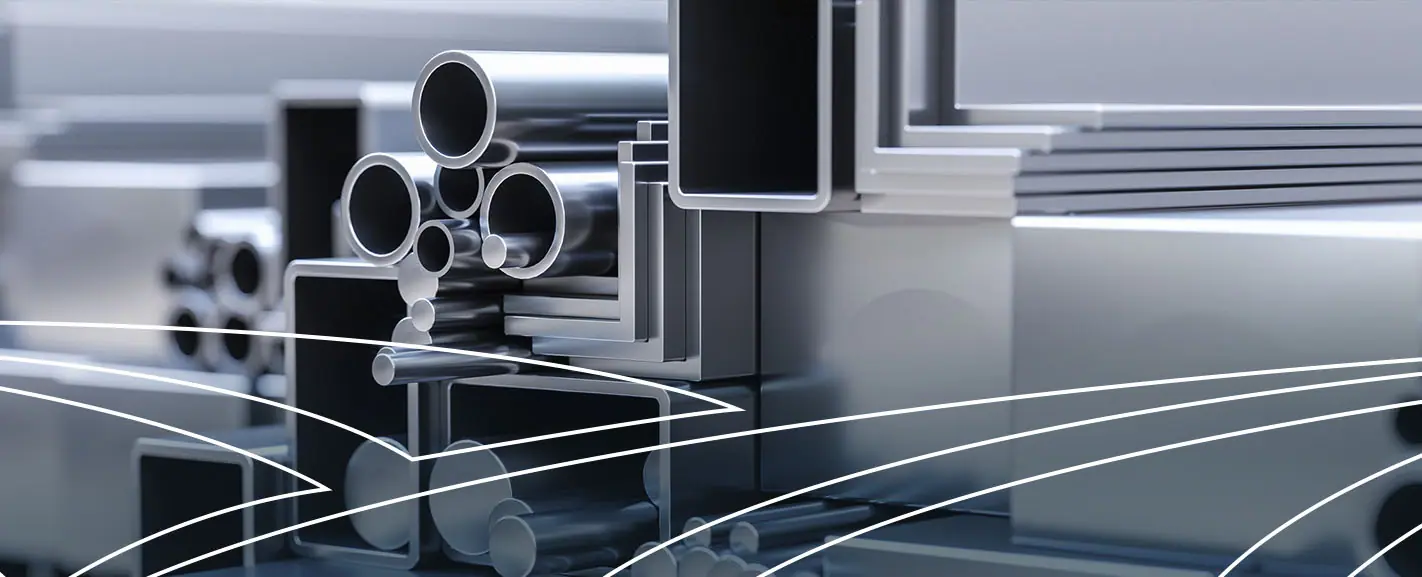
The term “difference between metal and aluminum” is technically inaccurate, as aluminum is a metal. A more accurate interpretation of the request is to compare aluminum with other commonly processed materials—specifically steel (a contrasting metal), and non-metallic materials such as ABS and nylon—across key manufacturing processes: laser cutting, bending, and welding. Below is a technical comparison focused on manufacturability in these processes.
| Material | Laser Cutting Compatibility | Bending Characteristics | Welding Process & Notes |
|---|---|---|---|
| Aluminum | High reflectivity and thermal conductivity require higher-power lasers with pulsed modes. Nitrogen assist gas is preferred for clean, oxide-free edges. Cutting speed is moderate compared to steel. Reflective nature increases risk of back-reflection damage to optics. | Good formability in softer tempers (e.g., 3003, 5052). Springback is moderate and must be compensated in tooling. Requires larger bend radii than steel to avoid cracking, especially in T6 tempers. Tooling should be polished to prevent surface tearing. | Weldable using TIG or MIG processes with AC current to break oxide layer. Requires clean, oxide-free surfaces. Filler alloys (e.g., 4043, 5356) must be selected based on base alloy. Susceptible to hot cracking if improperly welded. |
| Steel (Mild Steel) | Easily cut with CO₂ or fiber lasers. Oxygen assist enhances cutting speed and edge quality through exothermic reaction. Produces sharp, burr-free edges. High cutting speeds achievable. | Excellent bendability with predictable springback. Can achieve tight bend radii without cracking. Tooling wear is moderate. Annealed grades offer best formability. | Readily welded using MIG, TIG, or spot welding. Good weld penetration and strong joints. Minimal pre-cleaning required compared to aluminum. Prone to oxidation; post-weld grinding or coating often needed. |
| ABS (Acrylonitrile Butadiene Styrene) | Can be laser cut with CO₂ lasers (10.6 µm wavelength). Cuts cleanly with minimal charring when properly parameterized. Edge melting may occur if power is too high. Not suitable for fiber lasers. | Limited bendability; typically not formed post-cut. Can be thermoformed with heating. Structural integrity degrades under repeated stress. | Not weldable in traditional sense. Joining done via solvent bonding, adhesives, or ultrasonic welding. No melt pool stability like metals. |
| Nylon (Polyamide) | Laser cutting possible with CO₂ lasers but challenging due to high melting point and tendency to char or discolor. Requires precise control of power and speed. Melting and dripping may occur. Not recommended for high-precision edges. | Poor cold-forming characteristics. Prone to cracking under strain. Can be thermoformed. High moisture absorption affects dimensional stability. | Joining via hot plate welding, vibration welding, or adhesives. Difficult to laser weld due to low absorption at standard wavelengths. Requires additives for compatibility. |
Notes:
Aluminum and steel are both metals but differ significantly in reflectivity, thermal conductivity, and oxidation behavior, affecting laser processing and welding.
ABS and nylon are thermoplastics, non-conductive, and not weldable using arc-based methods. Their processing requires entirely different parameter sets and joining techniques.
Fiber lasers (typically 1 µm wavelength) are highly effective for metals but less suitable for organic materials, which absorb better at longer wavelengths (e.g., CO₂ lasers).
From CAD to Part: The Process
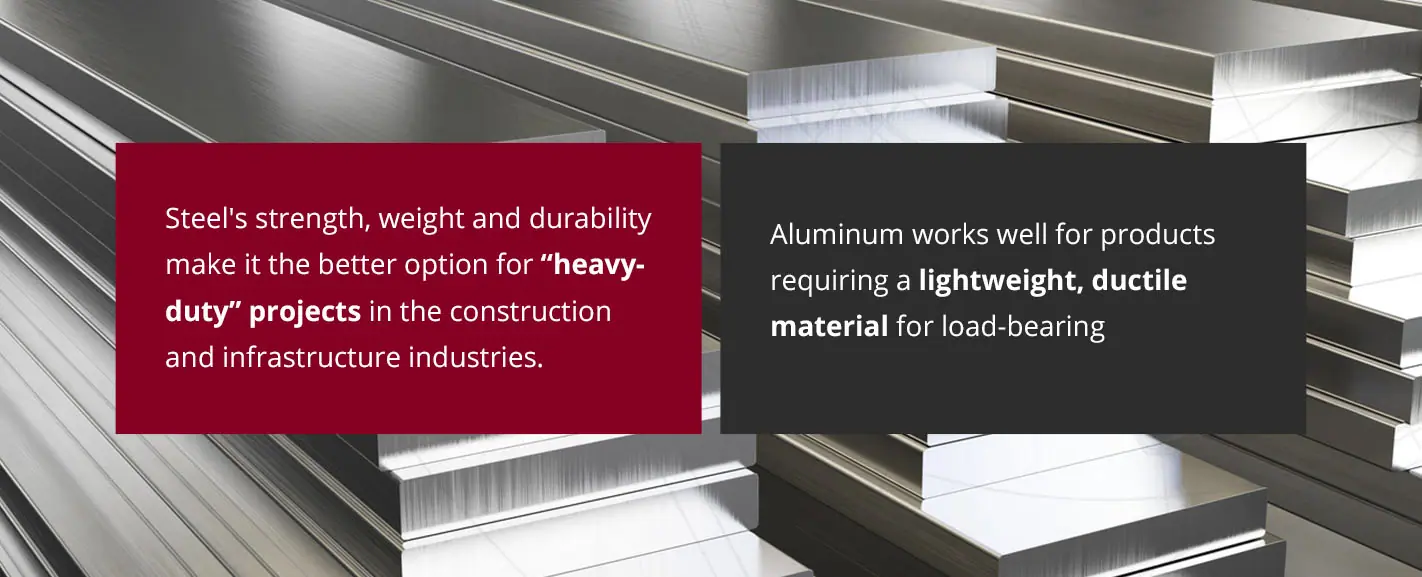
Honyo Prototype maintains rigorous material-specific workflows to ensure optimal manufacturing outcomes. It is critical to clarify that aluminum is a specific type of metal alloy, not a separate category from metals. Our process distinguishes aluminum from other metal alloys (such as steel, stainless steel, titanium, or brass) due to their distinct physical properties, processing requirements, and cost structures. Below is our standardized workflow for handling metal components, with explicit differentiation for aluminum versus other metals at each phase.
CAD Upload and Material Specification
Clients upload CAD files with explicit material specifications in the design metadata or accompanying documentation. Our system mandates selection from a predefined material library where aluminum alloys (e.g., 6061-T6, 7075-T6) are listed separately from ferrous metals (e.g., 304 stainless steel, 4140 steel) and non-ferrous alternatives (e.g., brass C360). This initial declaration triggers material-specific downstream parameters. Ambiguous or missing material data halts the process for client clarification, as aluminum’s density, thermal conductivity, and machinability differ significantly from other metals.
AI-Powered Quoting Engine
Our AI quotation system cross-references the specified material against real-time databases for material costs, machine time factors, and secondary operation requirements. Aluminum processing typically incurs lower raw material costs but higher machining speeds compared to stainless steel, while titanium demands specialized tooling. The AI adjusts estimates based on these variables, explicitly flagging aluminum-specific considerations such as anodizing requirements or susceptibility to chatter during milling. The quote output includes a material validation summary table for client review.
Material-Specific Cost and Processing Factors
| Parameter | Aluminum Alloys (e.g., 6061-T6) | Stainless Steel (e.g., 304) | Titanium (e.g., Grade 5) |
|——————–|—————————————|————————————–|————————————-|
| Raw Material Cost | Lower ($/kg) | Moderate to High | Very High |
| Machining Speed | High (faster feed rates) | Moderate | Very Low (requires slow speeds) |
| Tool Wear | Low (minimal abrasion) | High (galling, work hardening) | Extreme (rapid tool degradation) |
| Secondary Ops | Anodizing common | Passivation/electropolishing needed | Specialized cleaning required |
| Thermal Sensitivity| High (warp risk if not stress-relieved)| Moderate | Very High (requires slow cooling) |
Design for Manufacturability (DFM) Analysis
Honyo’s DFM stage employs material-aware algorithms. For aluminum, we prioritize: minimizing thin-wall distortion due to low stiffness, verifying adequate draft angles for casting, and confirming anodizing compatibility (e.g., avoiding blind holes). For harder metals like steel, we focus on tool deflection risks and heat-affected zones in welding. DFM reports explicitly call out material-driven recommendations, such as suggesting aluminum 7075 for high-strength aerospace parts versus 6061 for cost-sensitive enclosures. Engineers validate all material-dependent tolerances against ISO 2768 or client-specified standards.
Production Execution
Material selection dictates machine parameters, tooling, and QC protocols. Aluminum parts use high-speed spindles with sharp carbide tools and flood coolant to prevent built-up edge, while stainless steel requires rigid setups and reduced RPM to mitigate work hardening. Titanium necessitates dedicated toolpaths and in-process annealing. Aluminum components undergo dimensional checks for thermal stability, whereas steel parts are scrutinized for residual magnetism or weld integrity. All metal types follow our ISO 9001-certified production tracking, but material-specific work instructions govern each step.
Delivery and Documentation
Final inspection includes material verification via handheld XRF analyzers to confirm alloy composition against the purchase order. Certificates of Conformance (CoC) detail material lot traceability, heat treatment records (if applicable), and surface finish metrics. Aluminum shipments include anodizing thickness reports per MIL-A-8625, while steel parts reference ASTM A262 passivation results. Non-conformances related to material misidentification are near-zero due to our phased validation gates, ensuring clients receive parts meeting exact metallurgical specifications. This structured approach eliminates ambiguity between aluminum and other metals, reducing rework and accelerating time-to-market.
Start Your Project
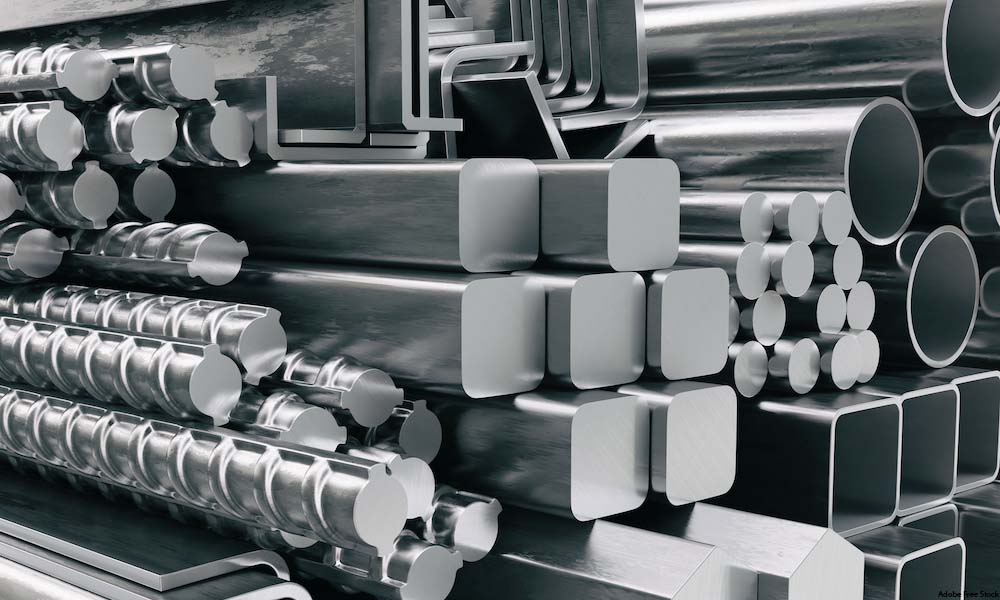
Looking to understand the key differences between metal and aluminum for your next project? Aluminum offers unique advantages in weight, corrosion resistance, and machinability compared to other metals—making it a preferred choice for precision prototypes and production parts.
For technical guidance or material selection support, contact Susan Leo at [email protected]. As a trusted manufacturing partner with an ISO-certified factory in Shenzhen, Honyo Prototype delivers high-quality metal fabrication, CNC machining, and rapid prototyping services tailored to your engineering requirements.
🚀 Rapid Prototyping Estimator
Estimate rough cost index based on volume.