
Contents
Manufacturing Insight: Die Grinder Bits For Hardened Steel
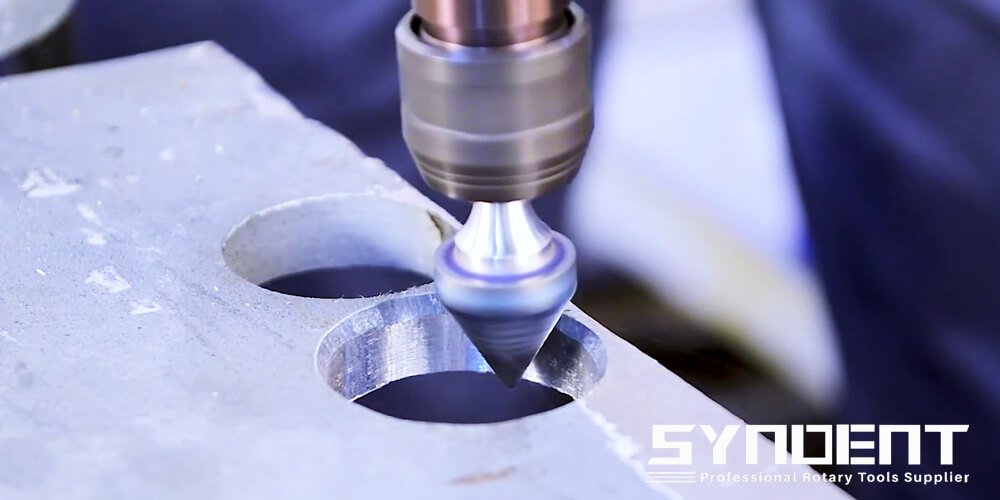
Precision Die Grinder Bits for Hardened Steel: Engineered for Maximum Performance
Hardened steel applications present significant challenges in precision machining, where standard tooling often fails due to accelerated wear, chipping, or inadequate thermal stability. At Honyo Prototype, we address these complexities through rigorously engineered die grinder bits specifically designed for hardened materials exceeding HRC 45. Our solutions leverage advanced substrate materials—such as M42 high-speed steel with 8% cobalt and precision-brazed CBN tips—coupled with proprietary micro-geometry optimization to ensure extended tool life, superior edge retention, and consistent surface finishes under extreme conditions.
CNC Machining Excellence as the Foundation
Every die grinder bit we produce benefits from Honyo’s in-house 5-axis CNC grinding and inspection capabilities. Our manufacturing process integrates ISO 2768-mK tolerances, sub-micron tool path control, and real-time process validation to achieve geometric accuracy within ±0.005 mm. This precision ensures optimal cutting dynamics, reduced vibration, and minimized heat generation during operation—critical factors when machining hardened alloys like D2, H13, or tool steels. Unlike off-the-shelf alternatives, Honyo’s bits undergo stringent performance validation against industry-specific wear metrics, guaranteeing reliability in aerospace, mold & die, and automotive component production.
Accelerate Your Sourcing with Instant Quoting
Streamline procurement for your hardened steel tooling requirements through Honyo’s Online Instant Quote platform. Simply upload your CAD file or specify technical parameters—including material grade, geometry, and quantity—to receive a detailed manufacturability analysis and competitive pricing within minutes. This digital workflow eliminates traditional quoting delays while providing transparent insights into lead times and technical feasibility, empowering faster project execution without compromising on quality.
For demanding hardened steel applications, Honyo Prototype delivers not just tools, but engineered machining solutions backed by full CNC process control. Initiate your next project with confidence through our instant quoting system at honyoprototype.com/quote.
Technical Capabilities
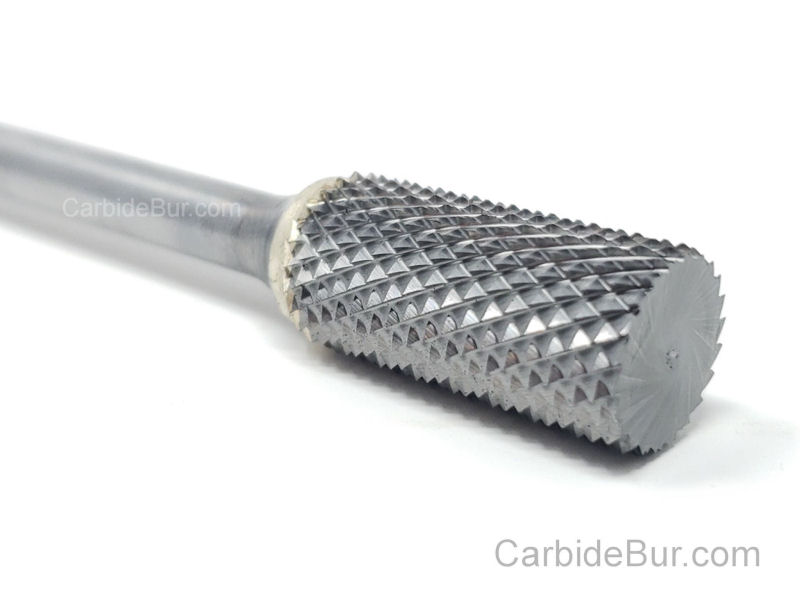
Technical specifications for die grinder bits used in high-precision 3/4/5-axis milling and turning operations involving tight tolerances and hardened steel must account for material compatibility, dimensional accuracy, tool geometry, and substrate hardness resistance. These tools are critical for deburring, blending, contouring, and fine finishing in complex geometries where rigidity and precision are paramount.
The following table outlines key technical attributes of die grinder bits suitable for hardened steel applications, including performance across various materials such as aluminum, steel, ABS, and nylon:
| Parameter | Specification / Detail |
|---|---|
| Cutting Material | Solid carbide (WC-Co), often with TiAlN, AlCrN, or diamond-like carbon (DLC) coating for wear resistance and thermal stability |
| Hardness Compatibility | Designed for base materials up to 65 HRC; effective on hardened tool steels (e.g., D2, H13, M2) |
| Shank Diameter | 6 mm (1/4″) or 8 mm (5/16″) with high concentricity (<0.01 mm TIR) for 3/4/5-axis spindle compatibility |
| Tip Geometry | Multi-flute (2–4 flutes) with variable helix design to reduce chatter and improve surface finish |
| Cutting Diameter Range | 1 mm to 12 mm; micro sizes available for fine detail work in tight tolerance zones |
| Overall Length (OAL) | 50 mm to 100 mm; extended reach variants with anti-vibration damping for deep cavities |
| Tolerance Grade | ±0.005 mm on diameter; ground to ISO 1832 K10–K20 accuracy class |
| Surface Finish (Ra) | <0.4 µm achieved on steel; <0.8 µm on aluminum and engineering plastics |
| Material Compatibility | Aluminum: Low adhesion coatings prevent built-up edge Steel (incl. hardened): High edge strength and thermal resistance ABS & Nylon: Sharp cutting edges with high rake angles to avoid melting and burring |
| Max RPM Rating | 25,000–40,000 RPM depending on diameter; balanced for high-speed spindles |
| Application Use Case | Precision edge breaking, radius forming, weld blending, and post-machining cleanup in aerospace, mold & die, and medical components |
| Coolant Requirement | Air blast or mist cooling recommended; flood coolant optional for steel and aluminum |
| Holder Interface | Compatible with precision collet chucks (ER20, ER25) or hydraulic/toolholder systems |
These die grinder bits are engineered for integration into CNC-controlled robotic or spindle-driven setups where repeatability and micron-level control are essential. Their design supports non-planar surface machining on 5-axis platforms, particularly in die maintenance and turbine blade finishing. Material-specific optimization ensures clean cuts across both conductive metals and thermoplastics without compromising tool life or part integrity.
From CAD to Part: The Process
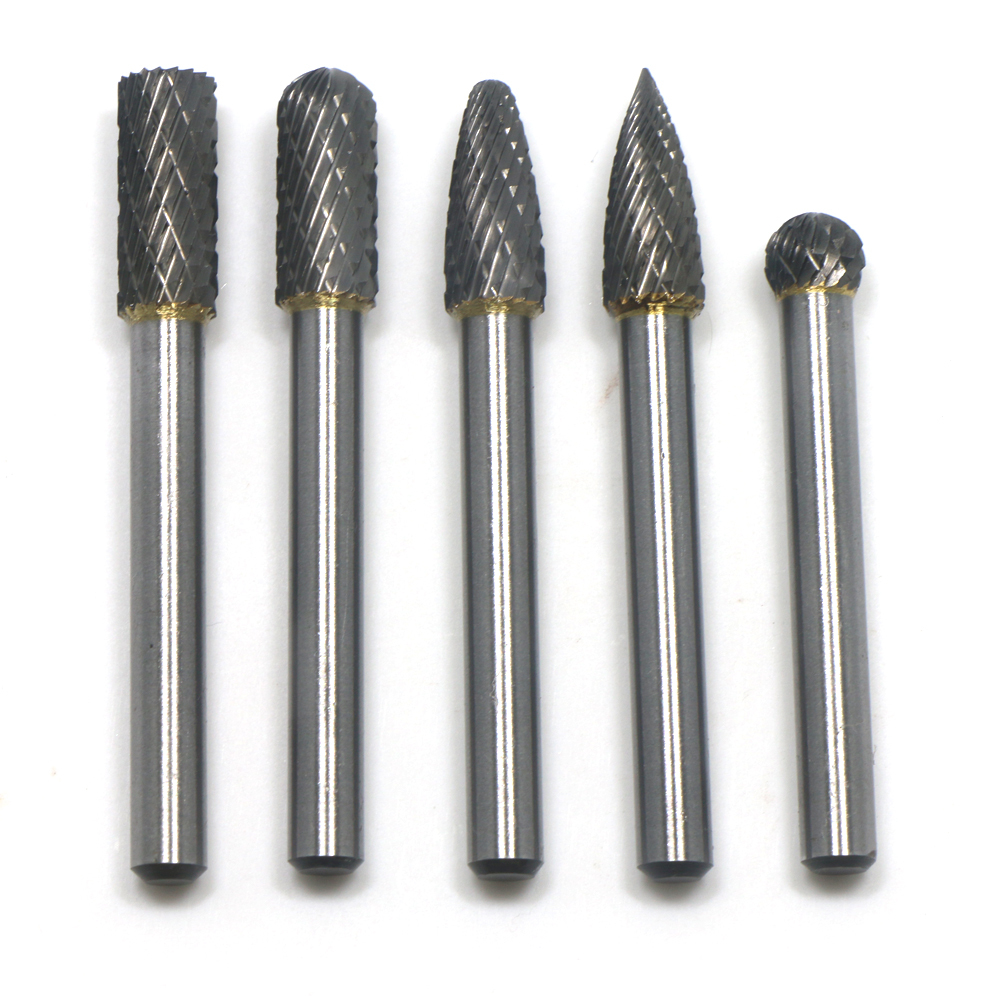
Honyo Prototype executes a rigorous, technology-driven workflow for manufacturing die grinder bits optimized for hardened steel applications. Our process ensures dimensional precision, material integrity, and adherence to demanding industrial requirements from initial design to final delivery.
Upload CAD
Clients initiate the process by uploading detailed 3D CAD models of the die grinder bit geometry via our secure customer portal. We accept industry-standard formats including STEP, IGES, and native SolidWorks files. Critical parameters such as flute geometry, helix angle, shank diameter, cutting edge profile, and tolerance specifications must be explicitly defined. For hardened steel applications, we require explicit documentation of the target hardness range (e.g., HRC 52-58) and the specific steel alloy (e.g., D2, H13, or 440C) to inform downstream material and process selection.
AI Quote Generation
Our proprietary AI quotation engine analyzes the uploaded CAD geometry against real-time data from our production floor, material databases, and historical machining performance records. The system evaluates factors including: geometric complexity, minimum feature size, aspect ratios, and hardened steel-specific challenges such as tool deflection risk and thermal management. Within 4 business hours, clients receive a comprehensive quote detailing material costs (typically M42 high-speed steel or solid carbide substrates), process sequencing, estimated lead time, and a preliminary assessment of manufacturability constraints. The AI output includes a confidence score for successful production of hardened steel variants.
DFM Analysis
All hardened steel die grinder bit designs undergo mandatory Design for Manufacturability (DFM) review by our senior tooling engineers. This phase focuses on mitigating failure modes unique to hardened materials:
Verification of flute geometry to prevent chip packing and heat buildup during grinding of hardened alloys
Assessment of edge preparation (honing/chamfering) to minimize chipping at HRC >50
Validation of core thickness to withstand grinding forces without deflection
Confirmation of surface finish requirements compatible with hardened steel abrasion resistance
Recommendation of specialized coatings (e.g., TiAlN or AlTiN) for extended tool life in hardened materials
Clients receive a formal DFM report with actionable recommendations, typically within 24-48 hours. Redesign iterations are supported through our collaborative engineering portal.
Production Execution
Hardened steel die grinder bits follow a strictly controlled production sequence:
1. Material Certification: Incoming M42/Carbide blanks undergo hardness testing (Rockwell C) and metallurgical verification per ASTM E18.
2. Precision Grinding: CNC tool grinders (ANCA MX7/FGX series) execute operations using diamond/CBN wheels with specialized vitrified bonds. Critical hardened steel parameters include:
| Parameter          | Standard Steel | Hardened Steel (HRC 50+) |
|--------------------|----------------|--------------------------|
| Feed Rate          | 0.004 IPT      | 0.001-0.002 IPT          |
| Wheel Speed        | 25,000 SFM     | 18,000-22,000 SFM        |
| Coolant Pressure   | 500 PSI        | 1,200+ PSI (through-spindle) |
| Dress Frequency    | 20 parts       | 8-10 parts               |
- Edge Preparation: Micro-geometry honing (0.0002-0.0005″ radius) applied via abrasive flow machining to prevent edge chipping.
- Coating Application: PVD coating (AlTiN, 2-4µm thickness) in multi-arc chambers at ≤500°C to maintain substrate hardness.
- 100% Inspection: Coordinate measuring machines (CMM) validate critical dimensions per ASME Y14.5. Hardness spot checks and coating adhesion tests (Rockwell C indentation) are performed per ISO 2859-1 sampling plans.
Delivery and Traceability
Completed hardened steel die grinder bits undergo final cleaning and dry-air packaging to prevent corrosion. Each shipment includes:
Certificate of Conformance with material test reports (MTRs)
Dimensional inspection report with CMM data
Hardness verification documentation
Coating thickness and adhesion test results
Unique lot traceability codes linking to production machine parameters
Parts are shipped via tracked logistics with real-time status updates. Standard lead time for hardened steel variants is 12-15 business days from DFM approval, with expedited options available for critical applications. All production data is archived for 7 years to support quality audits and future reorders.
Start Your Project
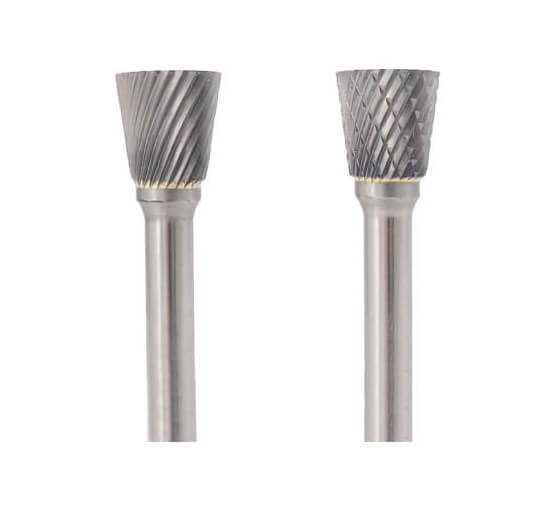
Looking for high-performance die grinder bits designed to tackle hardened steel? Our precision-engineered bits are manufactured in our Shenzhen factory to deliver superior durability, heat resistance, and cutting efficiency—ideal for demanding industrial applications.
Contact Susan Leo today at [email protected] to request samples, technical specifications, or volume pricing. Upgrade your tooling with reliable, factory-direct support from Honyo Prototype.
🚀 Rapid Prototyping Estimator
Estimate rough cost index based on volume.