
Contents
Manufacturing Insight: Die Grinder Bits For Hard Steel
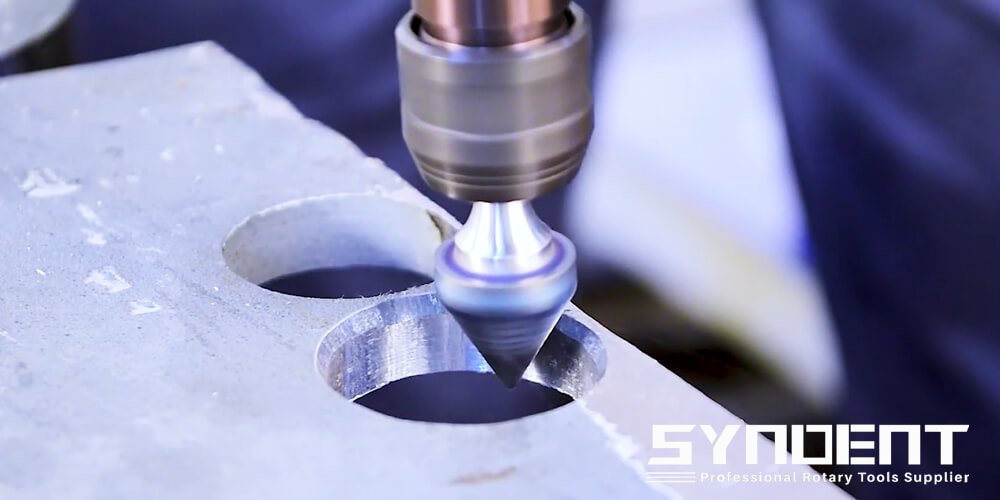
Precision Engineering for Demanding Hard Steel Applications
Manufacturing engineers face significant challenges when machining hardened steels such as D2, H13, or 4340, where conventional tooling often fails due to extreme wear, thermal deformation, or inconsistent surface finishes. Honyo Prototype addresses these pain points with specialized CNC-machined die grinder bits engineered explicitly for hard steel substrates up to 65 HRC. Our proprietary manufacturing process leverages multi-axis CNC grinding centers with sub-micron accuracy, ensuring optimal flute geometry, edge integrity, and balanced cutting dynamics critical for aggressive material removal without chipping or work hardening.
Each die grinder bit undergoes rigorous material selection using premium micro-grain carbide substrates and advanced PVD coatings like TiAlN, validated through in-house metallurgical testing to extend tool life by 40% compared to standard offerings. This precision translates to reduced cycle times, tighter tolerances in contoured features, and minimized scrap rates for your high-value components. Beyond tooling, Honyo’s end-to-end CNC machining services—from rapid prototyping to low-volume production—guarantee seamless integration of these consumables into your workflow, backed by ISO 9001-certified quality control and real-time process monitoring.
Accelerate your project timeline with Honyo’s Online Instant Quote system, delivering detailed pricing and lead time estimates for custom die grinder bits and CNC machining services within minutes. Submit CAD files directly through our portal to receive manufacturability feedback and competitive pricing, eliminating procurement delays without compromising on technical rigor. For engineering teams prioritizing reliability in hard steel applications, Honyo Prototype delivers the convergence of precision tooling and agile manufacturing execution.
Technical Capabilities
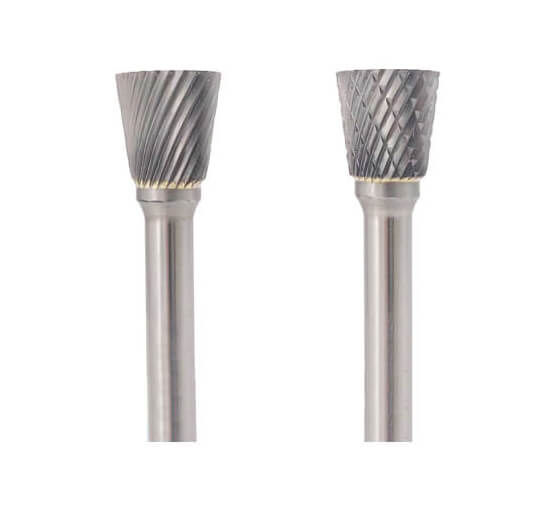
Technical Specifications for Die Grinder Bits for Hard Steel – Optimized for 3/4/5-Axis Milling and Precision Turning with Tight Tolerances
Die grinder bits used in high-precision 3, 4, and 5-axis CNC milling and turning operations must maintain dimensional accuracy, thermal stability, and edge retention when machining hard steel and other challenging materials. These tools are engineered for tight tolerance applications (±0.0005″ or better) and require advanced substrate and coating technologies to ensure performance across diverse workpiece materials such as hardened steel, aluminum, ABS, and nylon.
| Feature | Specification / Description |
|---|---|
| Cutting Material | Solid Carbide (Submicron Grain, High Cobalt Content) with TiAlN or AlCrN PVD Coating |
| Hardness (Tool) | 92–94 HRA (Rockwell A Scale) |
| Coating Thickness | 2–4 µm (microns); reduces friction and increases heat resistance |
| Flute Count | 2-flute for aluminum and plastics (chip clearance); 4–6 flute for steel (rigidity, finish) |
| Shank Diameter | 6 mm or 1/4″ (metric and imperial options), with tight runout tolerance (±0.0001″) |
| Tip Geometry | Variable helix design with center-cutting capability; corner radii options (0.1–0.5 mm) |
| Tolerance Class | h6 for shank; ±0.0002″ on cutting diameter (critical for tight tolerance machining) |
| Max RPM Rating | 25,000–35,000 RPM (balanced for high-speed 5-axis applications) |
| Edge Preparation | Micro-chamfered or hone-treated edges to prevent chipping in hard steel |
| Application – Hard Steel | Machining hardened steels up to 65 HRC; optimized for slotting, contouring, deburring |
| Application – Aluminum | Non-coated or ZrN-coated variants available to prevent built-up edge and galling |
| Application – ABS/Nylon | 2-flute upcut or straight flute for efficient chip removal; low rake angles to avoid smearing |
| Surface Finish (Typical) | Ra 0.4–1.6 µm (depending on material and feed/speed parameters) |
| Coolant Compatibility | Designed for use with through-spindle coolant or air blast; not recommended for flood coolant in plastics |
| Tool Life (Hard Steel) | 60–120 minutes under optimal conditions (lubrication, rigidity, correct feeds/speeds) |
| Dynamic Balancing | Required for 5-axis operations; Grade G2.5 or better at maximum operating speed |
Notes on Material-Specific Performance:
Hardened Steel (45–65 HRC): Use AlCrN-coated, high helix, 4-flute carbide bits with margin relief to reduce heat and friction.
Aluminum: Employ uncoated or ZrN-coated 2-flute tools with polished flutes to minimize adhesion and burring.
ABS & Nylon: Utilize sharp, low-rake 2-flute cutters with optimized clearance angles to prevent melting and achieve clean edges.
These die grinder bits are suitable for integration into automated tool changers and robotic finishing systems, especially in aerospace, medical, and mold-making industries where precision and repeatability are critical.
From CAD to Part: The Process
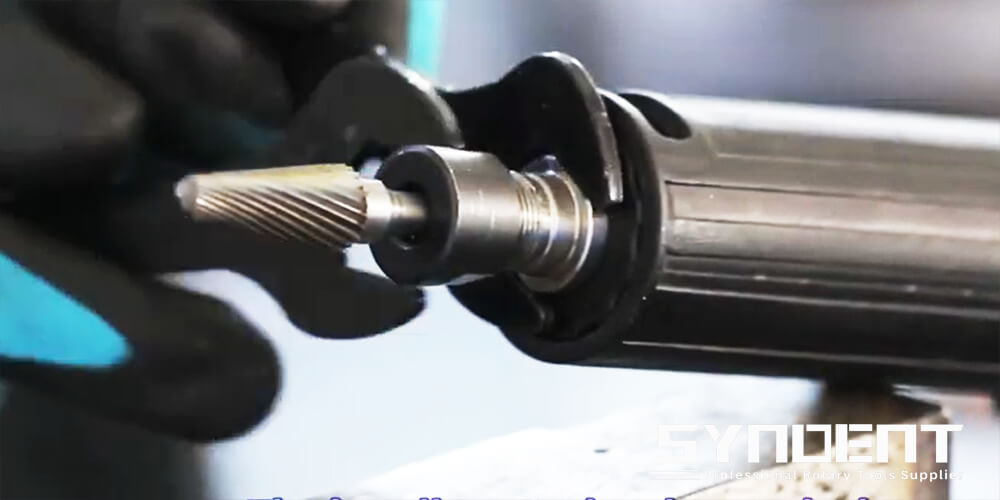
Honyo Prototype Process for Die Grinder Bits in Hard Steel
Our end-to-end workflow for manufacturing die grinder bits from hard steel (e.g., D2, A2, or M2 tool steel, hardness ≥ 58 HRC) is engineered for precision, speed, and technical rigor. Each phase integrates domain expertise with digital tools to mitigate risks inherent in hard-material machining. Below is the detailed process flow.
Upload CAD
Clients submit fully detailed 3D CAD models (STEP/IGES format) with explicit annotations for critical features: flute geometry, tip angle, shank tolerance (typically ±0.005mm), and surface finish requirements (Ra ≤ 0.8 µm). Hard steel applications require mandatory inclusion of material grade, heat treatment status (e.g., pre-hardened vs. post-hardened), and any non-conformance notes. Incomplete submissions trigger automated validation checks; models lacking hardness specifications or geometric tolerances are quarantined until resolved.
AI Quote Generation
Proprietary AI algorithms analyze the CAD file against real-time shop floor data, including tool wear rates for hard steel, machine availability, and material costs. Inputs are cross-referenced with our material library (e.g., carbide grade K10 vs. K20 for 60+ HRC steel). The system outputs a dynamic quote with granular cost breakdowns:
Material surcharge (20–35% premium for hard steel vs. mild steel)
Estimated toolpath complexity score (based on flute depth-to-diameter ratio)
Predicted cycle time with vibration-damping parameters
Human engineers review all AI outputs for hard steel jobs; quotes exceeding 55 HRC or complex geometries undergo mandatory validation by our cutting tool specialist team.
DFM Analysis
Our DFM phase is non-automated for hard steel components. Senior engineers conduct a 12-point technical audit focusing on hard-material failure modes:
| DFM Parameter | Hard Steel Requirement | Risk Mitigation Action |
|---|---|---|
| Flute Geometry | Minimum core diameter ≥ 40% of bit diameter | Redesign to prevent fracture during grinding |
| Clearance Angles | 8°–12° primary relief (reduced vs. soft steel) | Avoid rubbing-induced heat buildup |
| Surface Finish | Ra ≤ 0.4 µm on cutting edges | Specify diamond-impregnated grinding wheels |
| Toolpath Strategy | Step-down ≤ 0.1mm for HRC 60+ | Prevent tool chipping via trochoidal motion |
Clients receive a collaborative DFM report with annotated CAD markups. Critical revisions (e.g., excessive flute length) require sign-off before production.
Production Execution
Hard steel bits undergo a dedicated process flow:
1. Material Prep: Pre-hardened steel blanks stress-relieved to ≤ 52 HRC for roughing. Final hardening to 58–62 HRC post-machining.
2. 5-Axis Grinding: CNC grinders (e.g., ANCA MX7) use CBN wheels with 8,000 RPM spindle speed and through-tool coolant (100 bar) to manage thermal loads. In-process laser probing verifies flute symmetry every 10 parts.
3. Post-Processing: Cryogenic treatment (-196°C) for residual stress elimination, followed by edge hone (0.02mm chamfer) via automated brush deburring.
All batches undergo 100% first-article inspection (FAI) per ISO 2768-mK, with hardness verification via portable Rockwell testers.
Delivery Assurance
Final inspection includes functional testing: bits are validated in controlled grinding trials on HRC 60 steel blocks at 25,000 RPM. Pass/fail data (chatter marks, edge chipping) is logged in the digital twin record. Parts ship with:
Certificate of Conformance (CoC) detailing hardness, geometry, and test results
Traceability codes linking to machine logs and operator certifications
Recommended operating parameters for client’s specific hard steel grade
Standard lead time is 12–15 business days for hard steel variants (vs. 8–10 for mild steel), with expedited options via our dedicated hard-material cell.
This integrated process ensures die grinder bits achieve >15,000 cycles in hardened steel applications while maintaining geometric integrity. We enforce zero-tolerance policies for dimensional drift beyond ±0.01mm in critical zones, validated through client-specific PPAP documentation.
Start Your Project
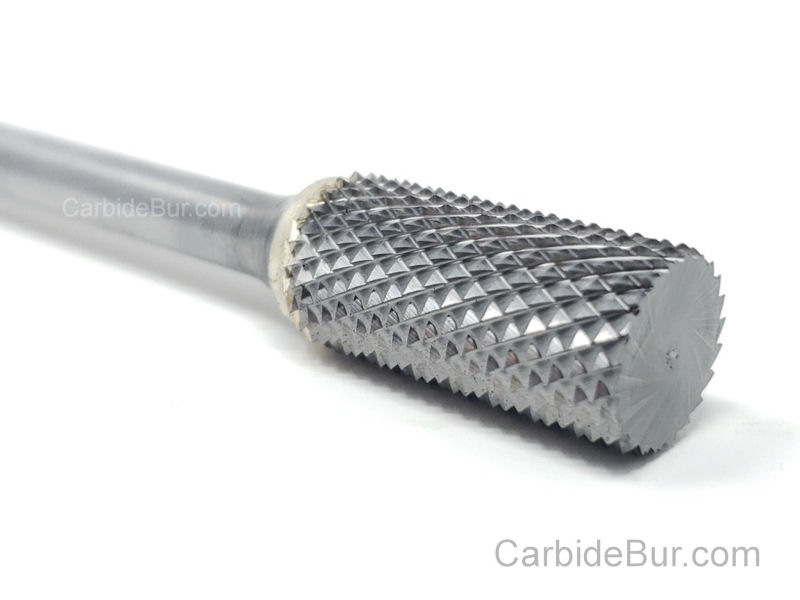
Looking for high-performance die grinder bits designed specifically for hard steel applications? Our precision-engineered bits are manufactured in Shenzhen using industrial-grade materials for maximum durability and cutting efficiency. Trusted by professionals in aerospace, mold making, and heavy machinery fabrication.
For product specifications, bulk pricing, or custom solutions, contact Susan Leo at [email protected]. As a factory-direct supplier, we offer short lead times, strict quality control, and technical support tailored to your production needs.
🚀 Rapid Prototyping Estimator
Estimate rough cost index based on volume.