
Contents
Manufacturing Insight: Cutting Stainless Steel With A Torch
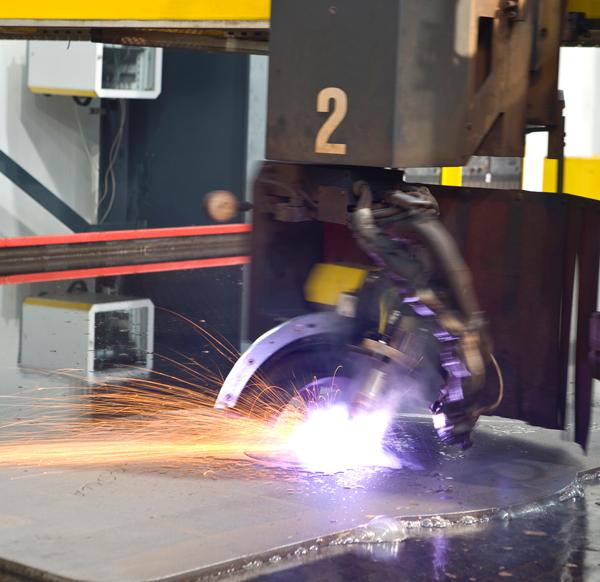
Precision Stainless Steel Cutting Solutions with Honyo Prototype CNC Machining
Cutting stainless steel effectively requires overcoming significant challenges inherent to the material, including thermal distortion, heat-affected zone management, and achieving clean, oxidation-free edges. Traditional torch methods often introduce inconsistencies and secondary finishing requirements that impact project timelines and costs. Honyo Prototype addresses these complexities through our advanced CNC machining capabilities, integrating precise thermal cutting processes within a comprehensive manufacturing ecosystem. Our CNC-controlled plasma and oxy-fuel systems are engineered specifically for stainless alloys, utilizing optimized parameters and intelligent motion control to deliver exceptional edge quality, dimensional accuracy, and minimized thermal impact directly from your CAD file.
This precision eliminates costly rework and accelerates your prototyping or low-volume production schedule. Partnering with Honyo Prototype means leveraging our deep metallurgical expertise and state-of-the-art equipment to transform your stainless steel components reliably. Experience the efficiency of our integrated manufacturing approach starting with our Online Instant Quote system, providing rapid, transparent pricing for your CNC machining and precision cutting projects within minutes. Submit your design today to see how Honyo delivers accuracy where it matters most.
Technical Capabilities
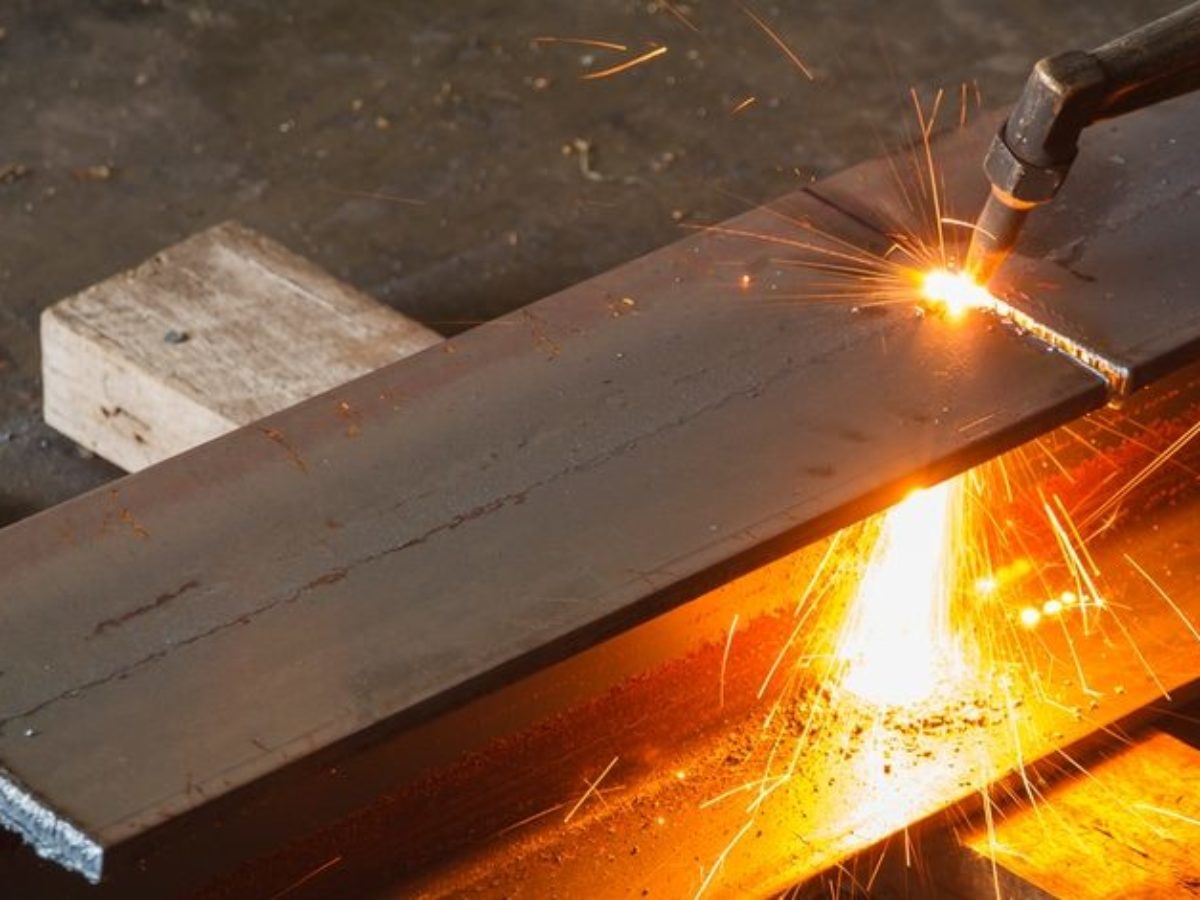
Cutting stainless steel with a torch—typically referring to thermal cutting processes such as plasma, oxy-fuel, or laser—is not applicable to high-precision 3-, 4-, or 5-axis CNC milling or turning operations where tight tolerances are required. Thermal cutting methods generate heat-affected zones (HAZ), dimensional inaccuracies, and poor surface finishes, making them unsuitable for precision machining workflows.
Instead, precision cutting of stainless steel and other materials such as aluminum, steel, ABS, and nylon in multi-axis CNC environments is achieved through subtractive machining using carbide or ceramic cutting tools. Below are the relevant technical specifications for precision machining in 3-, 4-, and 5-axis CNC milling and turning systems, emphasizing tight-tolerance capabilities across the specified materials.
| Parameter | 3/4/5-Axis CNC Milling | 3/4/5-Axis CNC Turning | Typical Tolerance Range | Surface Finish (Ra) | Common Tooling Types |
|---|---|---|---|---|---|
| Spindle Speed Range | 8,000 – 30,000 RPM (high-speed spindles) | 1,000 – 12,000 RPM (variable by material) | ±0.0002″ (5 µm) | 16 – 63 µin (0.4–1.6 µm) | Solid carbide end mills, inserts |
| Feed Rate | 50 – 1,200 ipm (dependent on toolpath and depth) | 0.002 – 0.020 ipr (inches per revolution) | Tight: ±0.0005″ (13 µm) | 32 – 125 µin (0.8–3.2 µm) | Indexable inserts, diamond tools |
| Positioning Accuracy | ±0.0001″ (2.5 µm) | ±0.0001″ (2.5 µm) | Geometric: <0.001″ (25 µm) | Machined to print | High-precision collets and chucks |
| Repeatability | ±0.00005″ (1.3 µm) | ±0.00005″ (1.3 µm) | Angular: ±0.005° | Fine: <16 µin (0.4 µm) | Coolant-through tooling |
| Materials Supported | Stainless Steel (304, 316), Aluminum (6061, 7075), Tool Steel, ABS, Nylon, PEEK | Same as milling; bar stock compatible materials | Surface: 0.8–3.2 µm Ra | Polished: <8 µin (0.2 µm) | Polycrystalline diamond (PCD) for non-ferrous |
| Coolant System | High-pressure through-spindle coolant (1,000 psi) | Flood or high-pressure coolant with mist systems | Runout <0.0002″ (5 µm) | As machined or post-processed | Ceramic inserts for high-temp alloys |
| Typical Applications | Aerospace components, medical devices, molds, complex housings | Shafts, fittings, bushings, precision connectors | Concentricity: <0.001″ | Custom finishes available | CBN (cubic boron nitride) for hardened steels |
Notes:
Thermal cutting (torch-based) is used for rough stock preparation or blanking, not for final precision features.
For tight-tolerance work in stainless steel, CNC milling with rigid setups, thermal compensation, and in-process probing is essential.
Non-metallic materials like ABS and nylon require optimized feeds/speeds and sharp tooling to prevent melting or burring.
5-axis systems allow single-setup machining of complex geometries, improving accuracy and reducing tolerance stack-up.
From CAD to Part: The Process
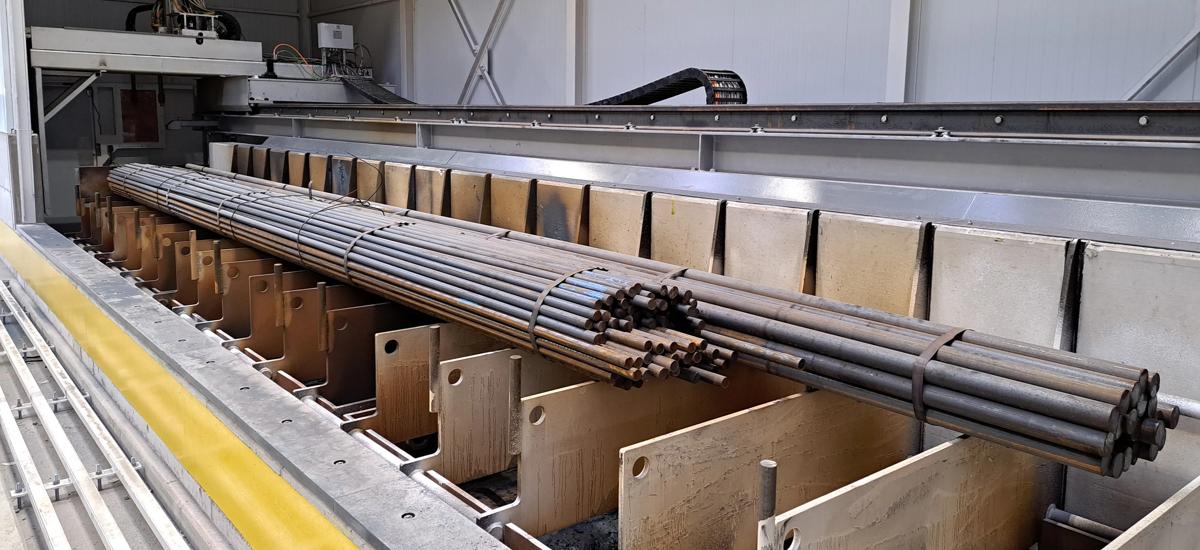
Honyo Prototype Stainless Steel Plasma Cutting Process
Honyo Prototype utilizes high-definition plasma cutting technology—not oxy-fuel torches—for precision stainless steel fabrication. Stainless steel requires plasma due to its chromium oxide layer, which prevents efficient oxidation in oxy-fuel processes. Our end-to-end workflow ensures material integrity, dimensional accuracy, and rapid turnaround for prototype and low-volume production.
CAD Upload & Geometry Validation
Clients upload native CAD files (STEP, IGES, or Parasolid formats) via our secure portal. Our system validates geometry for manufacturability, flagging issues like under-dimensioned features (<1.5mm for thin gauges) or non-manifold edges. Stainless steel’s thermal conductivity and work-hardening characteristics necessitate strict adherence to minimum bend radii and hole diameters during this phase.
AI-Powered Quoting Engine
Proprietary AI analyzes the validated CAD model, extracting critical parameters: material grade (e.g., 304/316), thickness (0.8mm–25mm), cut path complexity, and feature density. The algorithm cross-references real-time data on plasma consumable wear, power density requirements, and nitrogen shielding gas consumption to generate a cost-accurate quote within 2 hours. Tolerance adherence (±0.2mm for <10mm thickness) is explicitly defined in the quote.
DFM Optimization for Stainless Steel
Engineers conduct a rigorous Design for Manufacturability review focused on stainless-specific challenges:
Heat-Affected Zone (HAZ) Mitigation: Adjusting kerf compensation (typically +0.15–0.35mm) to counteract thermal distortion in thin sections (<3mm).
Dross Prevention: Optimizing pierce points and lead-in/lead-out paths to minimize slag accumulation on the cut edge.
Gas Selection: Specifying high-purity nitrogen (99.995%) for clean cuts on grades 304/316, avoiding chromium carbide precipitation.
Part Nesting: Maximizing sheet utilization while maintaining minimum web widths (3x material thickness) to prevent warpage during cutting.
This phase includes client consultation for critical features requiring secondary finishing.
Production: CNC Plasma Cutting
Parts are cut on Hypertherm XPR3000 or equivalent HD plasma systems with the following calibrated parameters:
| Parameter | Value Range for Stainless Steel | Purpose |
|---|---|---|
| Current | 40–200 A | Thickness-dependent arc stability |
| Cutting Speed | 1,200–4,500 mm/min | Minimizes HAZ; higher for thin gauges |
| Gas Pressure | 18–28 bar (N₂) | Ensures dross-free edge quality |
| Standoff Distance | 1.5–3.0 mm | Maintains consistent kerf width |
All cuts undergo real-time monitoring via integrated optical sensors to detect arc instability or material inconsistencies. Post-cut, parts are cooled in controlled environments to prevent residual stress-induced warpage.
Delivery & Quality Assurance
Cut parts undergo:
1. Deburring: Automated brushing to remove micro-burrs (<0.1mm) from cut edges.
2. Dimensional Verification: CMM inspection of critical features per ASME Y14.5.
3. Surface Validation: Visual and tactile checks for dross, striations, or discoloration (per ASTM A380).
4. Passivation Documentation: Optional nitric acid passivation per AMS 2700, with test reports included.
Parts ship with material certificates, inspection reports, and a DFM summary. Typical lead time: 3–7 business days from CAD approval.
This integrated process ensures stainless steel components meet stringent aerospace, medical, and industrial prototype requirements while maintaining Honyo’s ISO 9001-certified quality standards. Thermal management and gas purity protocols are non-negotiable for preserving corrosion resistance in final parts.
Start Your Project
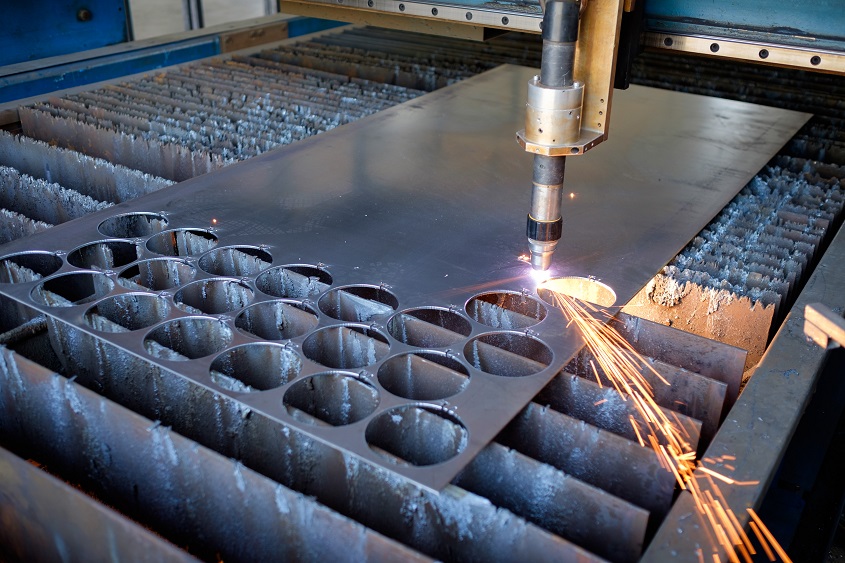
Looking to cut stainless steel with precision and efficiency using torch cutting? Honyo Prototype delivers high-quality, industrial-grade fabrication services from our state-of-the-art facility in Shenzhen. Our advanced thermal cutting technology ensures clean, accurate cuts tailored to your specifications.
Contact Susan Leo today to discuss your project requirements or request a quote.
Email: [email protected]
Leverage our manufacturing expertise for reliable, on-time results—backed by Shenzhen’s most capable production infrastructure.
🚀 Rapid Prototyping Estimator
Estimate rough cost index based on volume.