
Contents
Manufacturing Insight: Cutting Stainless Steel Rod
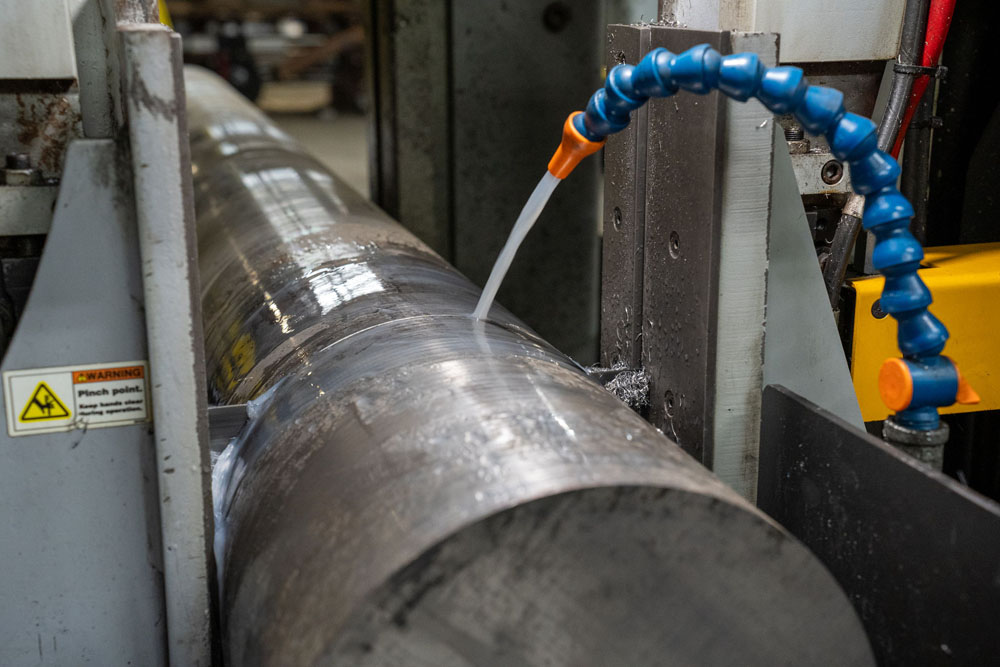
Precision Stainless Steel Rod Cutting for Demanding Applications
Stainless steel rod machining presents significant technical challenges including work hardening, thermal management, and stringent geometric tolerances required in aerospace, medical, and industrial components. At Honyo Prototype, our CNC machining services leverage 5-axis milling and turning centers with rigid tooling packages specifically optimized for 303, 304, 316, and 17-4PH stainless alloys. We maintain ±0.005mm dimensional accuracy through proprietary toolpath strategies, cryogenic cooling protocols, and in-process gauge verification to prevent surface integrity issues and microstructural distortion.
Our end-to-end workflow integrates precision cutting, chamfering, and deburring under ISO 9001-certified process controls, ensuring rods meet ASTM A484 finish standards without secondary operations. Material certifications and first-article inspection reports are standard for all production runs. For rapid prototyping or low-volume production, Honyo’s Online Instant Quote system delivers geometry-aware pricing in under 90 seconds—eliminating procurement delays while providing real-time DFM feedback on wall thickness, aspect ratios, and feature feasibility.
Accelerate your stainless steel component development with manufacturing expertise that converts complex geometries into dimensionally stable, corrosion-resistant parts on schedule.
Technical Capabilities
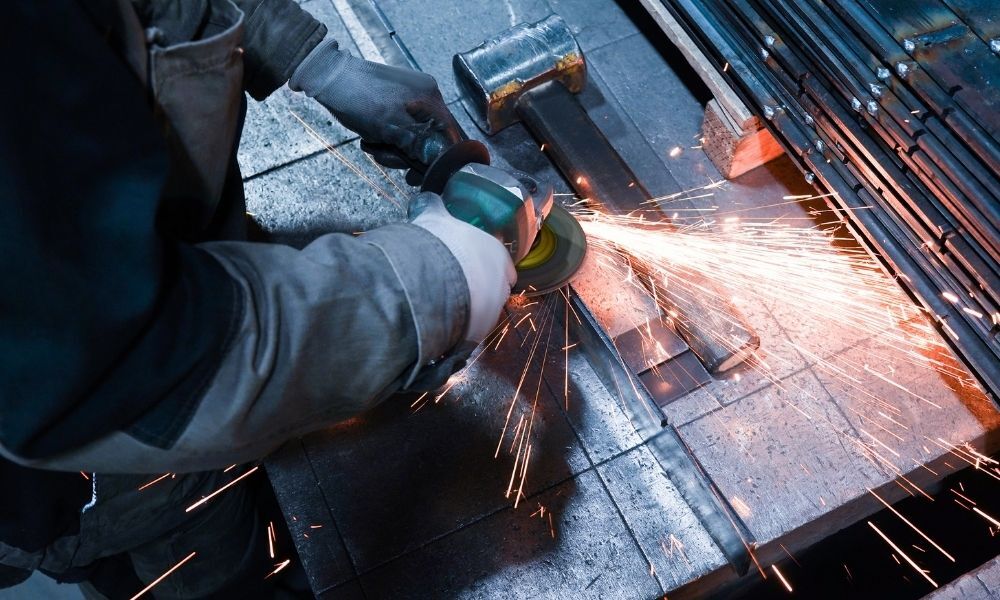
Technical Specifications for Cutting Stainless Steel Rod Using 3/4/5-Axis Milling and Turning with Tight Tolerance
Precision machining of stainless steel rods requires advanced CNC capabilities to achieve tight tolerances, typically within ±0.0005″ (±0.0127 mm) for critical features. The process leverages multi-axis milling and turning centers to enable complex geometries, high repeatability, and superior surface finishes. While the primary focus is on stainless steel, the same equipment and tolerances are routinely applied to other materials such as aluminum, carbon steel, ABS, and nylon, each requiring tailored cutting strategies.
Below is a comparative technical specification table outlining capabilities and parameters across materials:
| Parameter | Stainless Steel (303, 304, 316) | Aluminum (6061, 7075) | Carbon Steel (1018, 1045) | ABS (Acrylonitrile Butadiene Styrene) | Nylon (PA6, PA66) |
|---|---|---|---|---|---|
| Typical Stock Form | Round rod | Round rod, bar, plate | Round rod, bar | Rod, sheet, block | Rod, sheet, block |
| Machining Process | 3/4/5-axis milling, CNC turning | 3/4/5-axis milling, turning | 3/4/5-axis milling, turning | 3-axis milling, turning | 3-axis milling, turning |
| Tolerance Capability | ±0.0005″ (±0.0127 mm) | ±0.0005″ (±0.0127 mm) | ±0.0005″ (±0.0127 mm) | ±0.001″ (±0.0254 mm) | ±0.001″ (±0.0254 mm) |
| Surface Finish (Ra) | 32–16 μin (milling), 16–8 μin (turning) | 64–32 μin (milling), 16 μin (turning) | 32–16 μin (milling/turning) | 125–64 μin | 125–64 μin |
| Cutting Speed (SFM) | 100–250 (milling), 200–400 (turning) | 500–1000 (milling), 800–1200 (turning) | 200–400 (milling), 300–600 (turning) | 500–800 | 400–600 |
| Feed Rate (IPM) | 5–20 (milling), 0.005–0.015 IPT (turning) | 20–60 (milling), 0.010–0.020 IPT (turning) | 10–30 (milling), 0.008–0.015 IPT (turning) | 30–50 | 25–40 |
| Tooling Material | Carbide, CBN (for turning) | Carbide, HSS | Carbide, HSS | Carbide, sharp HSS | Carbide, polished HSS |
| Coolant Requirement | Flood coolant or high-pressure mist | Flood coolant | Flood coolant | Air blast or minimal lubrication | Air blast or dry cutting |
| Common Challenges | Work hardening, heat buildup | Chatter, burring | Chip control, hardness variation | Melting, poor chip evacuation | Galling, dimensional creep |
| Secondary Operations | Deburring, passivation, CMM inspection | Deburring, anodizing, CMM | Deburring, heat treatment | Deburring, stress relieving | Deburring, moisture conditioning |
Notes on Multi-Axis Machining:
3-Axis Milling: Suitable for prismatic features and axial cuts on stainless steel rods; limited undercuts.
4-Axis Milling: Adds rotational (A-axis) capability for helical or indexing operations, improving feature integration.
5-Axis Milling: Enables complex contouring and single-setup machining of intricate geometries; reduces fixturing and improves accuracy for tight-tolerance components.
Tight Tolerance Considerations:
Achieving tolerances below ±0.001″ requires thermal stability, high-precision spindles (±0.0001″ runout), in-process probing, and rigid fixturing. Tool wear monitoring and adaptive machining strategies are critical—especially with abrasive or gummy materials like stainless steel and nylon.
At Honyo Prototype, we utilize high-rigidity CNC lathes with live tooling and 5-axis machining centers (e.g., DMG MORI, Haas UMC series) to ensure consistent precision across all materials, with full CMM validation for critical dimensions.
From CAD to Part: The Process
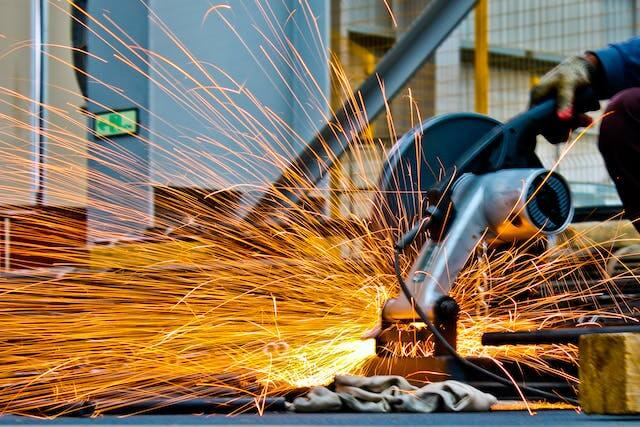
Honyo Prototype Stainless Steel Rod Cutting Process Overview
Honyo Prototype executes stainless steel rod cutting through a rigorously defined five-stage workflow, ensuring precision, material integrity, and on-time delivery for B2B clients. This process leverages automation for efficiency while maintaining stringent quality controls specific to stainless steel’s work-hardening characteristics and corrosion resistance requirements.
CAD Upload & Validation
Clients initiate the process by uploading a 3D CAD model (STEP, IGES, or native formats) via our secure portal. Our system performs automated geometry validation, checking for unit consistency, closed solids, and manufacturability flags. For stainless steel rods, we specifically verify diameter tolerances, length specifications, and end-condition requirements (e.g., chamfered, square-cut). Invalid submissions trigger immediate client feedback with actionable correction guidelines, minimizing iteration delays.
AI-Powered Quoting
Validated CAD files enter our proprietary AI quoting engine, which analyzes geometric complexity, material grade (e.g., 304, 316, 17-4PH), and quantity. The AI cross-references real-time material costs, machine availability, and historical production data to generate a technically accurate quote within 2 hours. Critical parameters like kerf loss, minimum cut length (typically ≥1.5x diameter), and surface finish allowances (Ra 1.6–3.2 µm standard) are pre-calculated, eliminating estimation errors common in manual quoting.
DFM Analysis & Optimization
Engineers conduct a formal Design for Manufacturability review, focusing on stainless steel-specific constraints. We identify risks such as inadequate clamping surfaces, excessive aspect ratios causing vibration, or tight tolerances (<±0.05mm) requiring secondary grinding. Key DFM checks include:
| Parameter | Standard Capability | Critical Threshold for SS Rods | Mitigation Action |
|---|---|---|---|
| Minimum Diameter | 0.5mm | <1.0mm (thin-wall risk) | Recommend alternative stock or grinding |
| Max Length/Diameter | 50:1 | >30:1 (deflection risk) | Suggest intermediate supports or slower feed rates |
| Tolerance (±) | 0.1mm | <0.025mm | Propose honing/post-process |
| Burr Allowance | 0.1mm | Zero-burr requirement | Specify EDM or laser cutting |
Clients receive a DFM report with actionable recommendations, not just rejection notes. Approval requires explicit sign-off before production.
Precision Production
Cutting occurs on CNC-controlled saws (band, circular, or cold saw) selected based on rod diameter and grade. For stainless steel, we implement:
Coolant-rich flood systems to dissipate heat and prevent work hardening
Optimized feed rates (e.g., 0.05–0.2mm/rev for 316SS) to minimize burring
In-process metrology via laser micrometers for length verification (±0.02mm)
Dedicated tooling for each grade to avoid cross-contamination (e.g., separate blades for 303 vs. 316)
All rods undergo 100% post-cut inspection for dimensional accuracy, end-face perpendicularity (<0.1°), and surface defects. Material traceability is maintained via serialized bar coding from raw stock to finished part.
Quality-Controlled Delivery
Finished rods are deburred per ASTM B912 standards, passivated (if specified), and packaged in anti-corrosion VCI paper. Each shipment includes:
Material test reports (MTRs) with PMI verification
First-article inspection report (FAIR) with CMM data
Certificates of conformance to ISO 9001:2015
Standard lead time is 3–5 business days from DFM approval. Expedited 24-hour service is available for urgent prototypes, with delivery tracking via our client portal. All processes adhere to NADCAP audit standards for aerospace-grade stainless steel components.
Start Your Project
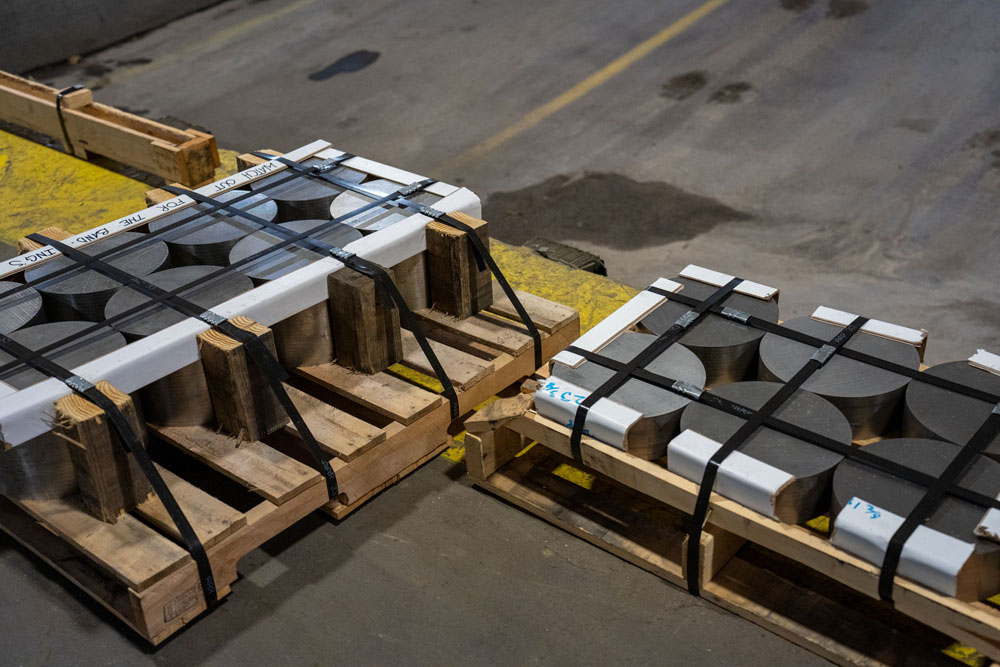
Looking to cut stainless steel rods with precision and speed? Honyo Prototype offers high-accuracy cutting services tailored for demanding industrial applications. With our advanced machinery and quality-controlled processes, we ensure tight tolerances and consistent results for your stainless steel components.
Our manufacturing facility is located in Shenzhen, enabling fast turnaround and efficient production for both prototypes and volume orders.
Contact Susan Leo today to discuss your project specifications and get a competitive quote.
Email: [email protected]
🚀 Rapid Prototyping Estimator
Estimate rough cost index based on volume.