
Contents
Manufacturing Insight: Custom Steel Bending

Precision Steel Bending Solutions Engineered for Your Prototype and Production Needs
Honyo Prototype delivers advanced custom steel bending capabilities as a core component of our comprehensive CNC machining services. We specialize in transforming carbon steel, stainless steel, and alloy plate into complex, high-integrity components meeting exacting engineering specifications. Our state-of-the-art CNC press brakes and mandrel benders achieve tight tolerances down to ±0.005 inches, ensuring consistent geometric accuracy and repeatable part quality across both prototype builds and low-to-mid volume production runs.
Leveraging integrated CAD/CAM programming and in-process metrology, we mitigate common bending challenges such as springback and distortion while maintaining critical form, fit, and function. This precision engineering approach guarantees your steel assemblies integrate seamlessly into final assemblies without costly rework.
Accelerate your project timeline with Honyo’s Online Instant Quote system. Upload your STEP or DWG files to receive a detailed, transparent cost assessment for custom steel bending within hours—not days. Eliminate procurement delays and gain immediate clarity on manufacturability feedback and lead times, empowering faster design validation and production scheduling. Partner with Honyo for technically rigorous steel forming where dimensional stability and material integrity are non-negotiable.
Technical Capabilities
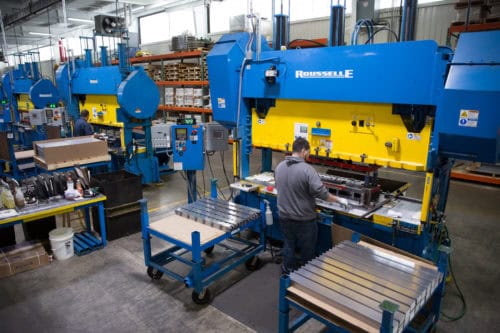
Custom steel bending is a precision manufacturing process that involves shaping steel and other materials into complex geometries using advanced CNC-controlled equipment. While bending typically refers to forming operations, in the context of high-precision prototyping and custom fabrication, the term often overlaps with multi-axis milling and turning operations—especially when tight tolerances and complex contours are required. At Honyo Prototype, custom steel bending capabilities are enhanced through 3, 4, and 5-axis CNC milling and turning centers, enabling accurate forming, contouring, and machining of both metallic and high-performance polymer materials.
The following table outlines the technical specifications and capabilities for custom steel bending and associated precision machining services:
| Parameter | Specification |
|---|---|
| Machining Process | 3-Axis, 4-Axis, and 5-Axis CNC Milling; CNC Turning |
| Material Compatibility | Aluminum (6061, 7075), Steel (Mild, Stainless, Tool), ABS, Nylon (6, 66) |
| Tolerance Range | ±0.005 mm to ±0.025 mm (±0.0002″ to ±0.001″) |
| Minimum Feature Size | 0.5 mm (0.020″) internal radii; 2 mm (0.078″) depth-to-diameter ratio |
| Max Work Envelope | Milling: 1000 x 600 x 500 mm (39″ x 23.6″ x 19.7″); Turning: Ø400 x 800 mm |
| Surface Finish | Ra 0.8 µm (32 µin) standard; down to Ra 0.4 µm (16 µin) with polishing |
| Axis Configuration | 3-axis: XYZ linear; 4-axis: XYZ + A (rotary); 5-axis: XYZ + AB or AC |
| Spindle Speed | Up to 24,000 RPM (high-speed milling for aluminum and plastics) |
| Tooling System | Automatic tool changers (ATC), HSK-63 or BT-40 taper, carbide and PCD tools |
| Coolant System | High-pressure through-spindle coolant; optional mist or dry machining |
| Inspection Equipment | CMM, optical comparators, laser scanning, micrometers, bore gauges |
These capabilities allow Honyo Prototype to produce highly accurate bent, formed, and machined components from steel and other materials, meeting stringent requirements in aerospace, medical, automotive, and industrial applications. The integration of multi-axis motion ensures complex compound bends and contours are achieved in fewer setups, reducing lead time and enhancing dimensional consistency. Tight tolerance control is maintained through in-process probing, thermal compensation, and post-process quality verification.
From CAD to Part: The Process
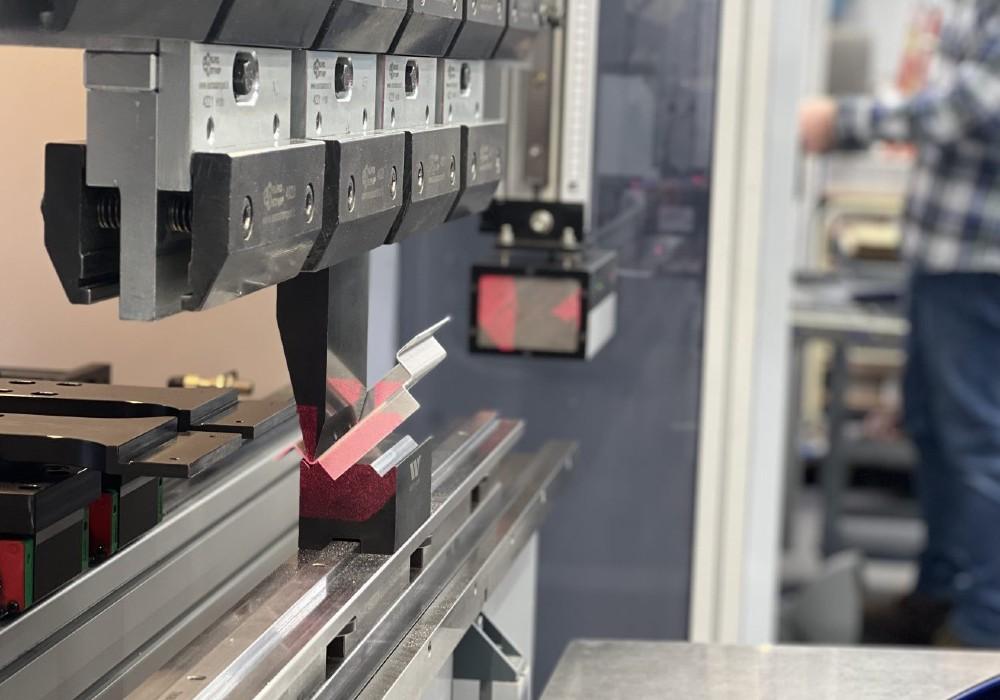
Honyo Prototype Custom Steel Bending Process Overview
Honyo Prototype executes custom steel bending through a streamlined, technology-driven workflow designed for precision, speed, and manufacturability. The process begins when a client uploads a CAD file to our secure portal. Supported formats include STEP, IGES, and native files from SolidWorks, Fusion 360, and AutoCAD. Our system performs an initial geometry validation to confirm file integrity and extract critical parameters such as material grade, thickness, bend angles, radii, and overall dimensions.
AI-Powered Quoting Phase
Immediately after CAD validation, our proprietary AI engine analyzes the design against live production data, including material costs, machine availability, and labor rates. Unlike basic quoting tools, the AI cross-references the geometry with our bending database to identify potential manufacturability risks—such as minimum flange lengths, interference issues, or springback effects—before generating a formal quote. Clients receive a detailed cost breakdown and lead time estimate within 48 hours, including actionable feedback if the design requires adjustments for optimal bending.
DFM Integration and Engineering Review
Quotes flagged for complexity enter our Design for Manufacturability (DFM) phase, led by senior manufacturing engineers. This is not a passive review but a collaborative dialogue: engineers use simulation software to model stress distribution, verify bend sequences, and optimize tooling selection. Key DFM checks include:
Confirmation of bend allowances per material properties
Validation of tolerances against ISO 2768-mK standards
Assessment of secondary operations (e.g., tapping, welding)
Clients receive a formal DFM report with recommended modifications, if any, ensuring the design aligns with our CNC press brake capabilities and material constraints.
Precision Production Execution
Approved designs move to production on our CNC-controlled press brakes (up to 300-ton capacity), featuring automatic tool changers and laser-guided alignment. Each job undergoes:
First-article inspection against GD&T callouts
Real-time in-process verification via coordinate measuring machines (CMM)
Material traceability from certified steel suppliers (e.g., ASTM A36, AISI 304)
Bending sequences are optimized to minimize setup time while maintaining ±0.5° angular accuracy and ±0.2mm linear tolerances. All processes adhere to ISO 9001:2015 protocols, with digital work instructions accessible at each station.
Quality-Controlled Delivery
Post-bending, parts undergo final inspection per the client’s quality plan, including dimensional reports and surface finish verification. We package components using anti-corrosion VCI paper and custom crating for fragile geometries. Shipments include a digital quality dossier with inspection data and material certifications. Standard lead time from DFM approval to delivery is 5–7 business days for prototyping runs, with real-time logistics tracking provided via our client portal. This closed-loop process ensures steel bending solutions that balance speed, cost, and engineering rigor for demanding industrial applications.
Start Your Project
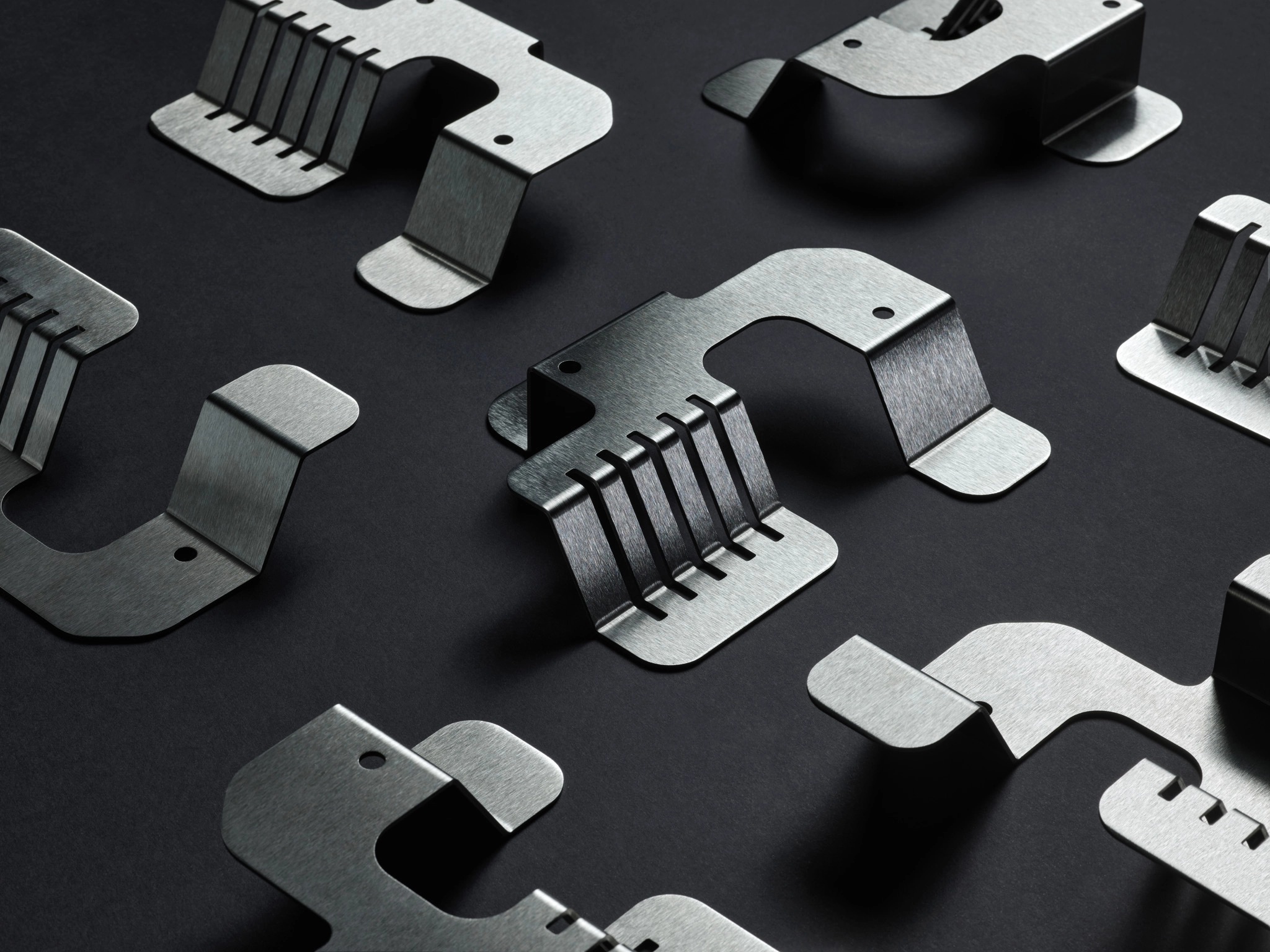
Looking for precision custom steel bending services? Partner with Honyo Prototype for high-quality, made-to-order solutions.
Our manufacturing facility in Shenzhen offers advanced steel bending capabilities, ensuring tight tolerances, fast turnaround, and consistent quality for prototyping and low-to-mid volume production.
Contact Susan Leo today to discuss your project requirements.
Email: [email protected]
Let’s engineer your next component together.
🚀 Rapid Prototyping Estimator
Estimate rough cost index based on volume.