
Contents
Manufacturing Insight: Custom Polycarbonate
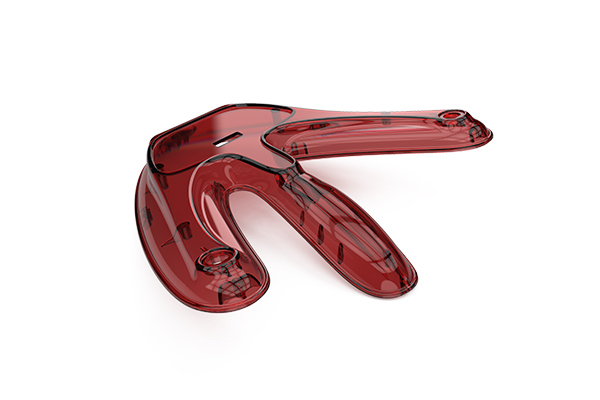
Precision Polycarbonate Components Engineered for Demanding Applications
Polycarbonate remains a critical engineering thermoplastic for industries requiring exceptional impact resistance, optical clarity, and thermal stability—from medical device housings to aerospace enclosures. However, achieving tight tolerances and flawless surface finishes in custom polycarbonate parts demands specialized CNC machining expertise due to the material’s sensitivity to thermal stress, moisture absorption, and propensity for stress cracking during fabrication. At Honyo Prototype, our ISO 9001-certified CNC machining services are optimized specifically for polycarbonate, leveraging controlled feed rates, precision toolpath strategies, and stress-relieved stock to maintain dimensional integrity down to ±0.005mm while eliminating micro-fractures.
We deploy 3-, 4-, and 5-axis milling centers with high-speed spindles and non-marring fixturing to handle complex geometries without compromising the material’s inherent properties. Every polycarbonate component undergoes rigorous in-process metrology, ensuring compliance with ASTM D638 standards for tensile strength and optical performance. Our engineers collaborate with clients to select optimal grades—from standard Lexan to flame-retardant or UV-stabilized variants—and validate designs for manufacturability before cutting a single chip.
Accelerate your development cycle with Honyo’s Online Instant Quote platform, where you can upload CAD files, specify polycarbonate grades and tolerances, and receive a detailed cost and lead-time analysis within minutes—no sales call required. This seamless integration of material science, precision machining, and digital quoting ensures your custom polycarbonate prototypes or low-volume production parts meet exacting performance criteria on schedule.
Technical Capabilities
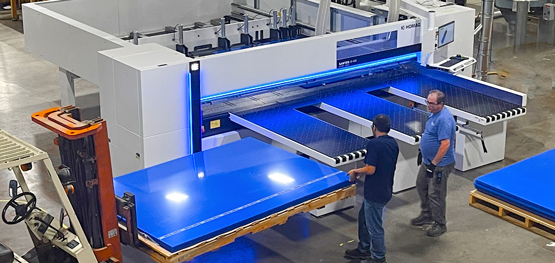
Custom polycarbonate is a high-performance thermoplastic known for excellent impact resistance, optical clarity, and dimensional stability. While inherently more challenging to machine than metals due to thermal expansion and notch sensitivity, it can be precision-machined using 3-axis, 4-axis, and 5-axis milling as well as CNC turning—especially when tight tolerances are required for prototyping, enclosures, or transparent mechanical components.
The following table outlines key technical specifications and machining characteristics for custom polycarbonate, with comparative references to commonly machined materials such as aluminum, steel, ABS, and nylon:
| Parameter | Polycarbonate (Custom) | Aluminum (6061-T6) | Steel (1018) | ABS (General Purpose) | Nylon (PA6) |
|---|---|---|---|---|---|
| Tensile Strength | 60–75 MPa | 310 MPa | 440 MPa | 40–45 MPa | 70–85 MPa |
| Flexural Strength | 95–105 MPa | 370 MPa | 500 MPa | 70–80 MPa | 110–120 MPa |
| Hardness (Rockwell/ Shore) | Shore D 75–85 | Rockwell B 60 | Rockwell B 80 | Shore D 70–75 | Rockwell M 75 |
| Thermal Expansion (µm/m·K) | 65–70 | 23 | 12 | 80–90 | 80–100 |
| Max Continuous Use Temp | 115–130°C | 150°C | 500°C | 80–90°C | 80–120°C |
| Machinability Rating | Good (with proper tooling/feed) | Excellent | Good (slower speeds) | Excellent | Good (sticky, heat-prone) |
| Typical Tolerance (Milling) | ±0.005 mm to ±0.025 mm | ±0.005 mm to ±0.012 mm | ±0.010 mm to ±0.025 mm | ±0.025 mm to ±0.050 mm | ±0.025 mm to ±0.050 mm |
| Surface Finish (Typical Ra) | 0.8–3.2 µm | 0.4–1.6 µm | 0.8–1.6 µm | 1.6–3.2 µm | 1.6–3.2 µm |
| Recommended Tooling | Sharp carbide, high rake angles | Carbide or HSS | Carbide (coated) | Carbide | Carbide (sharp, high rake) |
| Coolant Use | Compressed air or dry cutting | Flood coolant | Flood coolant | Air or dry | Air or minimal coolant |
| Common Applications | Transparent housings, lenses, safety components | Aerospace, fixtures, heat sinks | Shafts, structural parts | Prototypes, consumer parts | Gears, wear components |
When machining custom polycarbonate to tight tolerances on 3/4/5-axis CNC milling machines or turning centers, it is critical to minimize heat buildup and avoid tool chatter. Slow, controlled feeds with sharp, polished tools are recommended. Clamping should be firm but not excessive to prevent stress cracking.
Polycarbonate’s lower thermal conductivity and higher creep compared to metals require careful fixturing and process planning—especially in multi-axis setups where complex geometries and thin walls are involved. Compared to ABS and nylon, polycarbonate offers superior strength and clarity but demands more precise control during machining to maintain edge quality and dimensional accuracy.
From CAD to Part: The Process
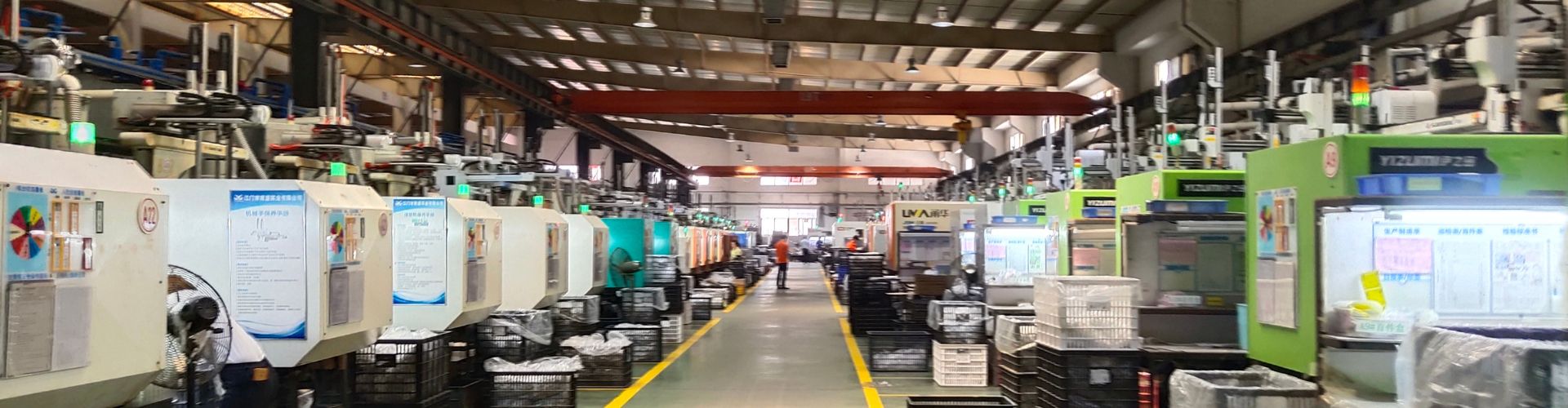
Honyo Prototype Custom Polycarbonate Manufacturing Process
Honyo Prototype executes custom polycarbonate components through a rigorously defined workflow designed for precision, speed, and material-specific optimization. This process leverages our expertise in engineering thermoplastics to ensure parts meet stringent mechanical, optical, and thermal requirements inherent to polycarbonate applications.
CAD Upload and Initial Validation
Clients initiate the process by uploading native CAD files (STEP, IGES, or Parasolid formats) via our secure customer portal. Our system performs automated geometry validation to verify watertightness, unit consistency, and manufacturability thresholds. Critical parameters such as minimum wall thickness (≥0.6mm for polycarbonate), draft angles (≥1°), and undercuts are flagged for immediate review. File compatibility and structural integrity checks occur within 15 minutes, with notifications sent for any non-conforming geometry requiring client adjustment.
AI-Powered Quoting with Engineering Oversight
Validated CAD data enters our AI quoting engine, which analyzes 300+ manufacturing variables including part volume, cavity complexity, gate location feasibility, and polycarbonate-specific processing constraints. The AI generates a preliminary quote within 2 hours, incorporating real-time resin pricing (e.g., Covestro Makrolon® or SABIC Lexan® grades), mold tooling costs, and secondary operations. Crucially, a Senior Manufacturing Engineer validates all AI outputs, adjusting for polycarbonate nuances such as moisture sensitivity (requiring pre-drying at 120°C for 4+ hours) and thermal stability thresholds during injection. Clients receive a formal quote with engineering notes detailing material recommendations and risk assessments.
Design for Manufacturability (DFM) Deep Dive
Upon quote acceptance, our DFM team conducts a polycarbonate-specialized analysis. This phase addresses material-specific challenges: warpage mitigation through balanced cooling channel design, optimizing melt temperature (280–320°C) to prevent degradation, and stress-crack prevention via uniform wall transitions. We provide actionable feedback within 24 hours, including: suggested radii for high-impact zones, gate type recommendations (e.g., submarine gates for optical clarity), and ejection strategies to avoid surface blemishes. All DFM reports reference ASTM D638 tensile properties and ISO 294 molding standards, with client collaboration required to approve revisions before tooling.
Precision Production and Quality Control
Approved designs move to our climate-controlled production floor. Polycarbonate molding occurs in electric injection presses with closed-loop pressure control to maintain ±0.5% shot consistency. Each run includes: in-process validation of melt viscosity, real-time cavity pressure monitoring, and first-article inspection against GD&T callouts. Critical dimensions undergo CMM verification (repeatability ±0.025mm), while optical clarity parts are tested per ASTM D1003 for haze and transmission. All lots include material certification with lot-traceable UL 94 V-0 flammability data where applicable.
Delivery and Documentation
Completed parts undergo final cleaning in non-abrasive tumblers (for non-optical grades) or ISO Class 7 cleanroom packaging (for optical/medical grades). Shipments include comprehensive documentation: dimensional reports, material traceability certificates, process validation data (including melt temperature logs), and conformance to ISO 13485 where specified. Standard lead time from DFM sign-off is 15–20 days for single-cavity tools, with global delivery via tracked logistics partners. Expedited options reduce this to 10 days for non-complex geometries.
Key Performance Metrics for Polycarbonate Projects
| Parameter | Standard Tolerance | Critical Feature Tolerance |
|—————————-|——————–|—————————|
| Dimensional Accuracy | ±0.15mm | ±0.05mm |
| Optical Clarity (Haze) | ≤1.5% | ≤0.8% |
| Impact Strength (Notched) | 650 J/m² | 720+ J/m² |
| Lead Time (Tooling + 100pcs) | 18 days | 12 days (expedited) |
This integrated approach ensures polycarbonate components achieve target performance in demanding applications—from medical device housings requiring USP Class VI compliance to automotive lenses needing UV stabilization. All processes adhere to IATF 16949 and ISO 9001 frameworks, with dedicated project engineers available for technical consultation throughout the workflow. Contact our engineering team to discuss polycarbonate grade selection or complex geometry challenges.
Start Your Project
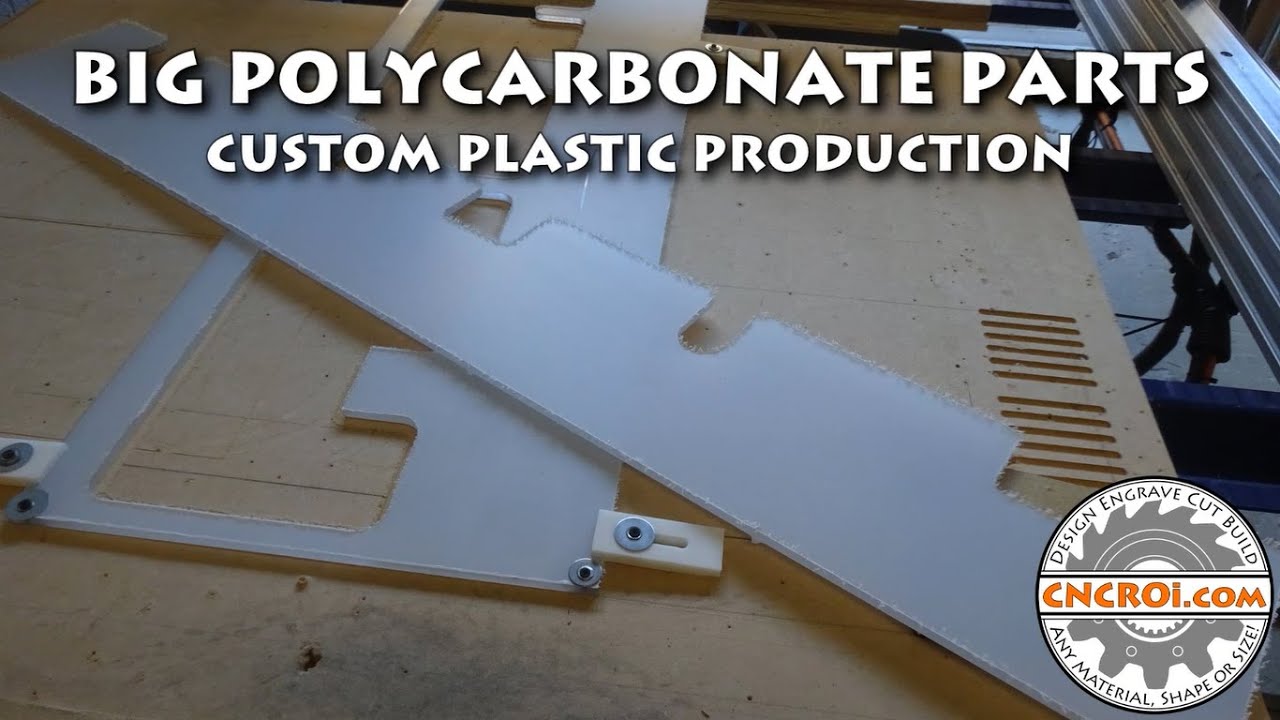
Looking for custom polycarbonate solutions engineered to your exact specifications? Partner with Honyo Prototype for precision-manufactured parts with rapid turnaround.
Our Shenzhen-based factory combines advanced processing capabilities with strict quality control to deliver high-performance polycarbonate components for demanding applications.
Contact Susan Leo today at [email protected] to discuss your project requirements and receive a tailored quote.
🚀 Rapid Prototyping Estimator
Estimate rough cost index based on volume.