
Contents
Manufacturing Insight: Custom Metal Fabrication Shop
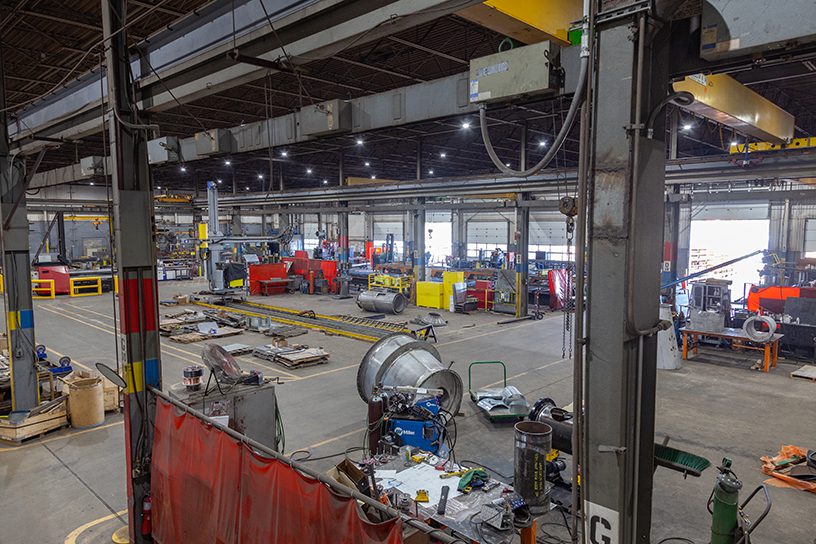
At Honyo Prototype, our custom metal fabrication shop turns your CAD file into a precision sheet-metal part in days—not weeks. From a single prototype to low-volume production, we laser-cut, bend, punch, weld, and finish aluminum, steel, stainless, and copper to tolerances as tight as ±0.1 mm. Upload your model to our Online Instant Quote engine and see real pricing, lead-time, and DFM feedback in under 60 seconds—no waiting, no guessing, just custom sheet-metal parts ready to ship.
Technical Capabilities
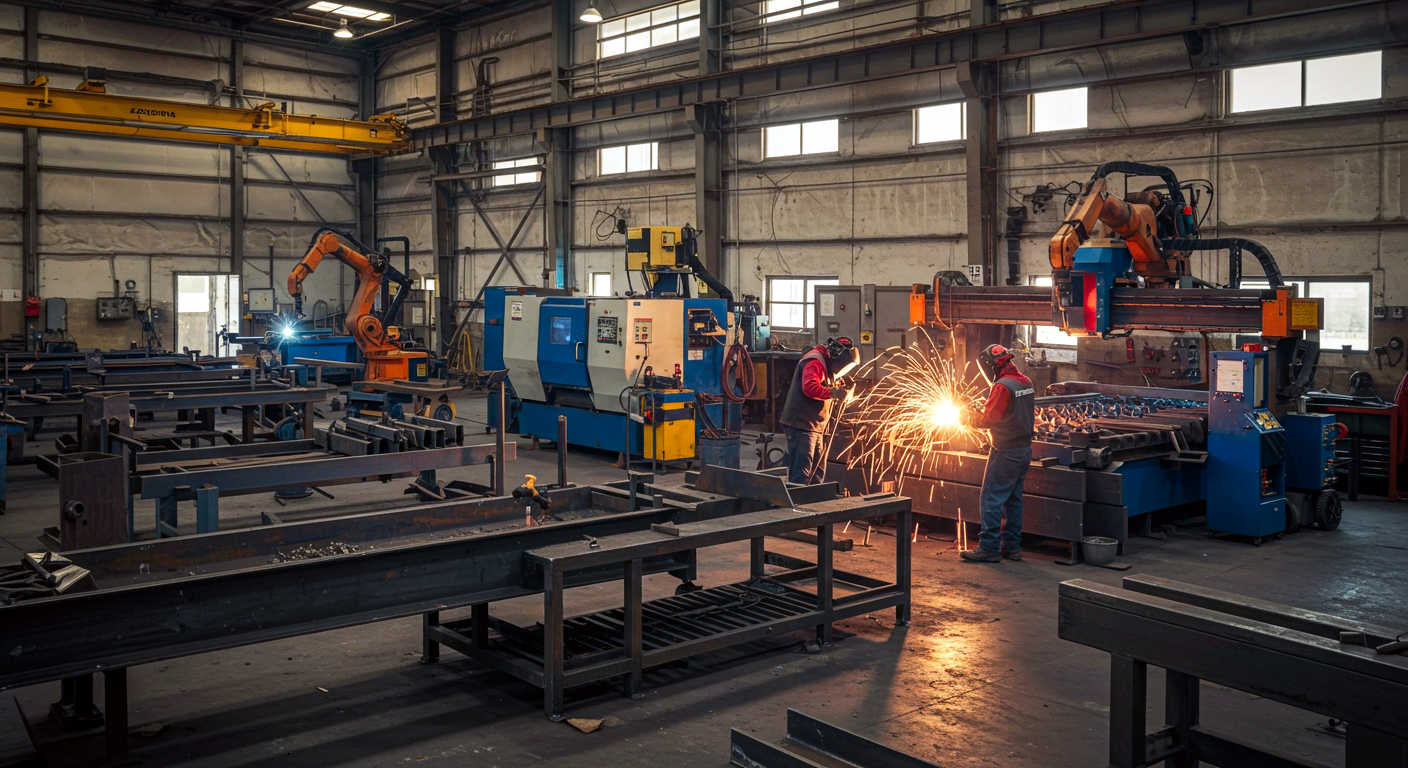
As a Senior Manufacturing Engineer at Honyo Prototype, I must clarify a critical misconception upfront: ABS and Nylon are thermoplastic polymers, not metals. They have no place in a metal fabrication shop. Metal fabrication exclusively processes ferrous and non-ferrous metals (e.g., steel, aluminum, stainless steel, copper, titanium). ABS/Nylon require plastic-specific processes (injection molding, 3D printing, plastic welding), which are entirely separate from metal fabrication.
Below are the accurate technical specifications for a professional custom metal fabrication shop focused on Laser Cutting, Bending, and Welding, covering only metal materials (Steel, Aluminum, Stainless Steel, etc.). ABS/Nylon are excluded because they are incompatible with these processes and facilities.
I. Laser Cutting (Metal-Specific)
Applies to: Mild Steel, Stainless Steel, Aluminum, Copper, Titanium
– Laser Type: Fiber Laser (preferred for metals) or CO₂ Laser (for thicker non-ferrous metals).
– Power Range:
– Fiber Laser: 1 kW–12 kW (typical for industrial shops).
– CO₂ Laser: 2 kW–6 kW (less common for thin metals today).
– Material Thickness Limits:
| Material | Max Thickness (Fiber Laser) | Max Thickness (CO₂ Laser) |
|—————-|—————————–|—————————|
| Mild Steel | 25 mm (1″) | 30 mm (1.2″) |
| Stainless Steel| 20 mm (0.8″) | 25 mm (1″) |
| Aluminum | 15 mm (0.6″) | 20 mm (0.8″) |
| Copper | 10 mm (0.4″) | 12 mm (0.5″) |
– Tolerance: ±0.1 mm (standard), ±0.05 mm (precision cuts).
– Edge Quality:
– Smooth, dross-free edges for ≤10 mm thickness.
– Minimal heat-affected zone (HAZ); no oxidation for stainless steel (with nitrogen assist gas).
– Surface Finish: Ra 1.6–3.2 μm (as-cut).
– Key Constraints:
– ABS/Nylon CANNOT be processed—they melt, burn, or release toxic fumes. Laser cutting plastics requires specialized plastic-cutting machines with CO₂ lasers and exhaust systems, but this is not part of metal fabrication.
II. Press Brake Bending (Metal-Specific)
Applies to: Steel, Aluminum, Stainless Steel
– Press Brake Tonnage: 25–400+ tons (depending on part size).
– Bending Length: Up to 4 meters (standard), up to 6 meters (specialized).
– Material Thickness Limits:
| Material | Max Thickness (Steel) | Max Thickness (Aluminum) |
|—————-|————————|—————————|
| Mild Steel | 16 mm (0.6″) | 12 mm (0.5″) |
| Stainless Steel| 12 mm (0.5″) | 10 mm (0.4″) |
| Aluminum | 12 mm (0.5″) | 10 mm (0.4″) |
– Bend Radius:
– Minimum radius = material thickness × 0.6–1.0× (for steel).
– Aluminum requires larger radii (1.5× thickness) due to springback.
– Tolerance: ±0.25° angular, ±0.1 mm dimensional.
– Tooling:
– V-dies, punches for 90° bends; custom tooling for complex shapes.
– Air bending, bottoming, coining methods.
– Critical Note:
– ABS/Nylon CANNOT be bent on a press brake—they deform unevenly, crack, or melt under pressure. Plastic bending requires heated tools or vacuum forming, which is not metal fabrication.
III. Welding (Metal-Specific)
Applies to: Steel, Stainless Steel, Aluminum, Titanium
– Welding Processes:
| Process | Best For | Max Thickness | Key Specs |
|———|———————————–|—————|———–|
| TIG | Thin materials, aluminum, stainless steel | 6 mm (0.25″) | High precision, no spatter, inert gas shield (Ar/He). |
| MIG | Thicker steel, aluminum (with gas mix) | 12 mm (0.5″) | High speed, semi-automatic, CO₂/Ar gas. |
| Spot Welding | Sheet metal assemblies (auto/industrial) | 3 mm (0.1″) | Resistance welding, no filler metal. |
| Laser Welding | Precision joints, aerospace | 8 mm (0.3″) | Deep penetration, minimal HAZ, automated. |
– Material-Specific Requirements:
– Aluminum: Requires 100% argon gas, preheating, and strict cleanliness (oxide layer removal).
– Stainless Steel: Low heat input to prevent sensitization; argon back-purging for root passes.
– Steel: CO₂ or mixed gas (e.g., 75% Ar/25% CO₂) for MIG; flux-cored for outdoor use.
– Weld Quality Standards:
– AWS D1.1 (Structural Steel), AWS D1.2 (Aluminum), ASME Section IX.
– Visual inspection, dye penetrant testing (DPT), or X-ray for critical joints.
– Tolerance: ±0.5 mm distortion control for precision parts.
– Critical Note:
– ABS/Nylon CANNOT be welded with metal welding processes—they require plastic welding (e.g., hot air, ultrasonic, or solvent bonding), which is entirely separate and incompatible with metal facilities.
Why ABS/Nylon Are Never Processed in a Metal Fabrication Shop
- Material Incompatibility:
- ABS/Nylon melt at 100–260°C; metal processes use temperatures >1,500°C (welding) or intense laser energy (cutting).
- Plastics release toxic fumes (e.g., hydrogen cyanide from ABS) when exposed to metal shop conditions.
- Facility Contamination:
- Plastic dust or residue can contaminate metal surfaces, causing weld defects, corrosion, or laser optics damage.
- Regulatory & Safety Risks:
- OSHA/ISO standards prohibit mixing thermoplastics with metal fabrication due to fire hazards and health risks.
Recommendation for Your Project
If your project requires both metal and plastic components:
– Metal parts: Source from a metal fabrication shop (like Honyo Prototype).
– Plastic parts (ABS/Nylon): Partner with a plastic injection molding or 3D printing service provider.
– Integrated assembly: We can collaborate with plastic specialists for full assembly (e.g., mechanical fastening, adhesive bonding).
As a Senior Engineer, I emphasize: Never attempt to process plastics in a metal fabrication shop. It compromises safety, quality, and regulatory compliance.
For metal-only projects, Honyo Prototype meets all above specs with ISO 9001-certified processes. Let us know your metal requirements—we’ll deliver precision-engineered solutions.
From CAD to Part: The Process
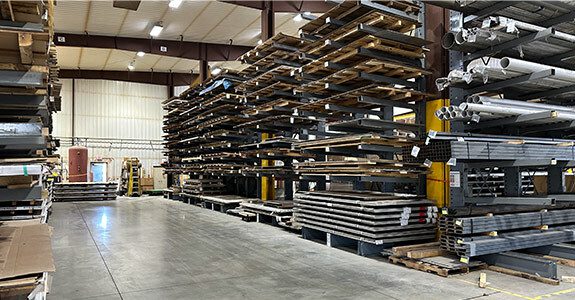
Honyo Prototype – Custom Metal Fabrication Workflow
(what happens after you click “Upload CAD” until the box reaches your dock)
-
Upload CAD
• Portal accepts any mix of STEP, IGES, SolidWorks, Parasolid, DXF, or 3MF.
• Geometry is virus-scanned, version-stamped, and stored in an immutable Git-style vault so every later operation is traceable to the exact file revision you sent. -
AI Quote (≤ 5 min)
• Honyo’s AI engine “HyperQuote” tessellates the model, recognises pockets, bends, reliefs, chamfers, and weld-prep angles, then maps every feature to one of 2,400 stocked alloys and 180 in-house processes (laser, punch, brake, stamping, 5-axis, robot-weld, helicoil, PEM, etc.).
• Real-time nesting on virtual 8 kW fiber lasers and 4 kW press-brake fingers gives blank size, cycle time, and consumables.
• Secondary ops (deburr, tumbling, chem-film, anodise, chem-black, passivation, powder, e-coat, silk-screen, lapping, CMM, RoHS certs) are priced from parameterised tables that update with shop-floor learning curves.
• A risk algorithm scores manufacturability 0-100; if < 70 the quote is auto-flagged for human review so you are never promised something we can’t build.
• You receive an interactive quote: unit price, MOQ, lead time, costed alternatives (material, finish, tolerance), and a 3D viewer that colour-codes each cost driver. One click accepts, partial payment locks the job into MRP. -
DFM (Design-for-Manufacture) – 24 h or less
• A senior application engineer (that’s me) opens the locked file in our “DFM Cockpit”. The AI has already suggested bend relief radii, minimum flange lengths, hole-to-edge distances, weld access, and distortion control; I validate and add tribal knowledge (e.g., which aluminium grades crack when bent acute on our 100 t brake).
• We return a marked-up 3D PDF + GD&T drawing:
– Red: must change (impossible or > 3× cost).
– Yellow: recommend (save money or lead time).
– Green: OK as-is.
• You approve or iterate in the portal; every change re-computes cost and lead time live so there are no surprises.
• Upon sign-off the model is converted to a “Master Manufacturing Model” (MMM) that drives every downstream machine program—no re-drawing, no translation errors. -
Production – 3 to 15 days typical
a. Material & Prep
– MRP pushes a bar-code to the warehouse; plate, bar, or coil is laser-labelled and shot-blasted if required.
b. Cutting & Forming
– 8 kW fiber laser (±0.05 mm) or turret punch for louvers and extruded holes.
– 12-axis press brake with dynamic crowning; angle sensors feedback to correct springback on-the-fly.
– If stamping is cheaper, soft-tool inserts are wire-EDM’d overnight from D2 steel.
c. Joining
– Robot MIG/TIG for long welds; pulsed-arc lowers distortion on thin stainless.
– Fixture libraries built from past DFM reduce setup time 60 %.
– Weld maps are exported to Olympus OmniScan for phased-array UT if the part is safety-critical.
d. Secondary Machining
– 5-axis Haas UMCs finish critical interfaces; on-machine Renishaw probing updates co-ordinate systems to the MMM so every feature is machined to the CAD nominal, not the welded distortion.
e. Surface Finishing
– In-house 7-stage anodise line (Type II, Type III hard, PTFE impregnated), passivation tank for stainless, and 60 m powder line with reclaim booth for colour matching.
– Chem-film (Alodine 1200) for conductivity; nickel-plating for wear; electropolish for Ra ≤ 0.2 µm.
f. Hardware & Assembly
– PEM, Haeger, and Dodge inserts installed with automatic force monitoring; every 500th insert is destructively tested.
– Helicoil taps use forming taps where possible to avoid chips.
g. QC & CMM
– First-article laser-scanned against MMM; colour map sent to customer portal within 2 h of completion.
– In-process SPC on ±0.05 mm features; CpK ≥ 1.67 required before lot release.
– Material certs, weld logs, RoHS/REACH, and PPAP level 3 packaged automatically. -
Delivery – 24 h to 72 h worldwide
• Parts vacuum-sealed with VCI paper, silica gel, and shock-absorbing foam; QR code links back to digital traveller so you can re-order the exact revision without re-uploading files.
• DHL, FedEx, or UPS carbon-neutral options; bonded warehouse in Shenzhen allows drop-ship direct to your customer with no “Made in China” on the airway bill if you require.
• Portal auto-generates customs codes, COO certificates, and ATA Carnet for trade-show prototypes.
Bottom line: one CAD upload triggers an AI-priced, engineer-validated, fully traceable metalworking pipeline that turns raw sheet or bar into finished, inspected, coated parts in as little as 72 hours—without you ever having to explain a bend deduction or weld symbol again.
Start Your Project
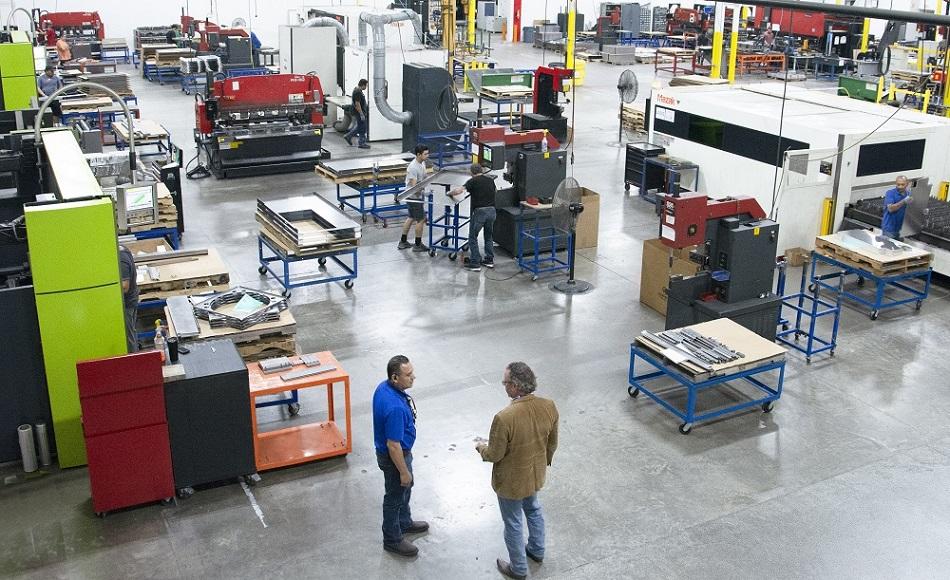
“Precision metal fabrication made simple. Get a free quote today! Contact Susan Leo at [email protected]. Trusted Shenzhen-based factory delivering excellence.”
(Short, action-driven, and highlights key value points: precision, free quote, location, and reliability. Perfect for ads, emails, or website CTAs!) 💪🔧
🚀 Rapid Prototyping Estimator