
Contents
Manufacturing Insight: Custom Machined Parts Cost
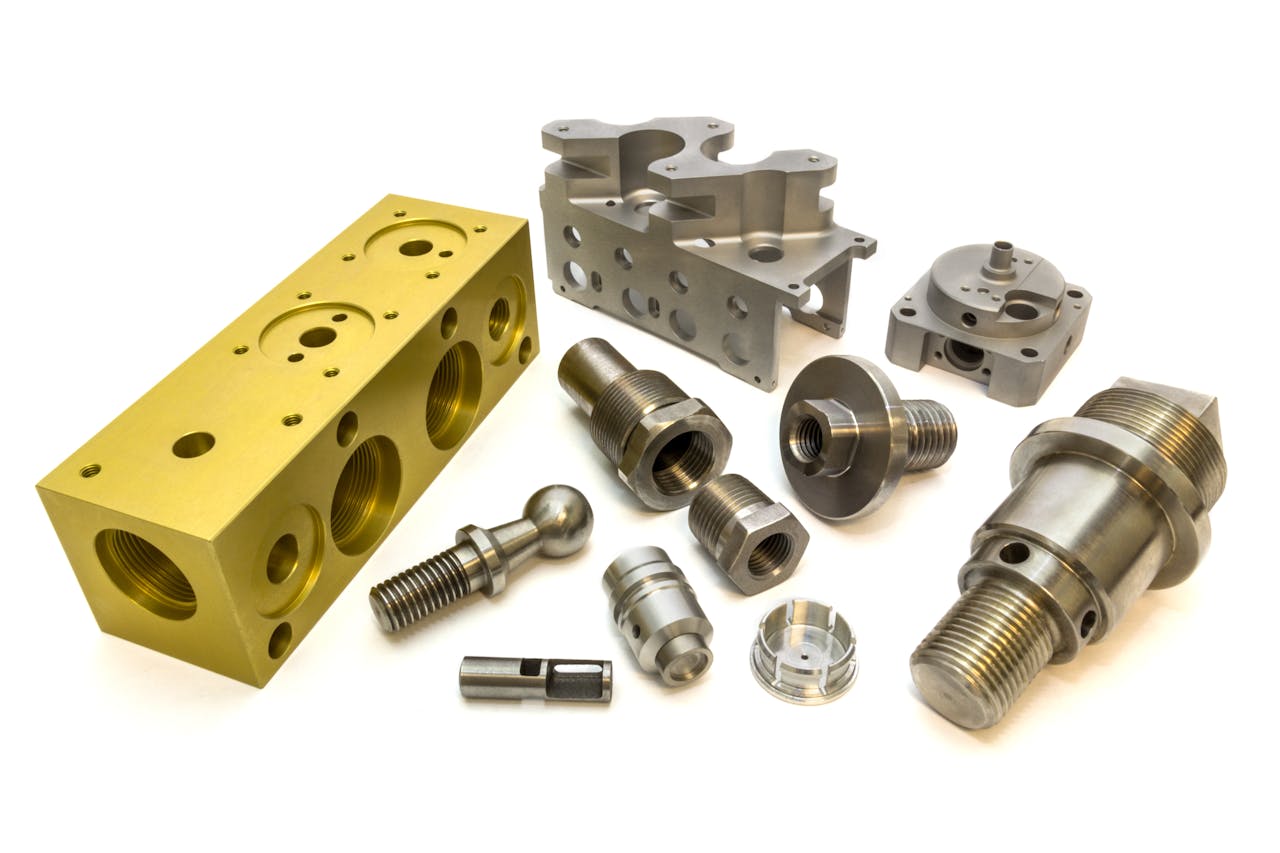
Understanding Custom Machined Parts Cost Drivers with Honyo Prototype
Accurate cost estimation for custom machined parts is critical for effective budgeting, procurement planning, and project viability in low-volume production and rapid prototyping. At Honyo Prototype, we recognize that pricing complexity stems from interdependent factors including material selection, geometric complexity, tolerance requirements, surface finishes, and production volume. As a precision CNC machining partner specializing in tight-tolerance components for aerospace, medical, and industrial sectors, we engineer cost transparency into every stage of the manufacturing process. Our technical team leverages advanced 3-axis and 5-axis milling, turning, and multi-spindle capabilities to optimize manufacturability—reducing waste and eliminating hidden cost escalators through proactive Design for Manufacturability (DFM) analysis.
Instant Cost Clarity via Digital Quoting
Honyo Prototype eliminates traditional quoting delays with our proprietary Online Instant Quote platform. Upload your STEP or IGES file to receive a technically validated cost estimate in under 60 seconds, generated by algorithms calibrated to our actual machine shop parameters and material databases. This system dynamically factors in real-world variables such as toolpath efficiency, setup time, and material utilization—not just raw material costs—to deliver quotes reflecting achievable shop-floor economics. Unlike generic online calculators, our tool integrates immediate DFM feedback, highlighting potential cost-saving adjustments to wall thicknesses, tolerances, or feature geometry before formal order placement.
Why Engineers and Procurement Teams Trust Our Cost Modeling
| Factor | Industry Standard Approach | Honyo Prototype Differentiation |
|---|---|---|
| Quote Accuracy | Manual review (24-72 hours) | Algorithm-driven, shop-floor calibrated |
| DFM Integration | Post-quote revision cycles | Real-time feedback during quoting |
| Material Costs | Static pricing tables | Live supplier feeds + scrap rate modeling |
| Complexity Impact | Simplified tiered pricing | Parametric analysis of feature density |
This precision in cost forecasting directly supports your capital allocation decisions, accelerates time-to-prototype, and mitigates budget overruns. By aligning quoting transparency with our ISO 9001-certified machining processes, Honyo ensures the price you see is the price you pay—without concessions to quality or lead time. Initiate your project with confidence by accessing the Online Instant Quote portal at honyoprototype.com/quote.
Technical Capabilities
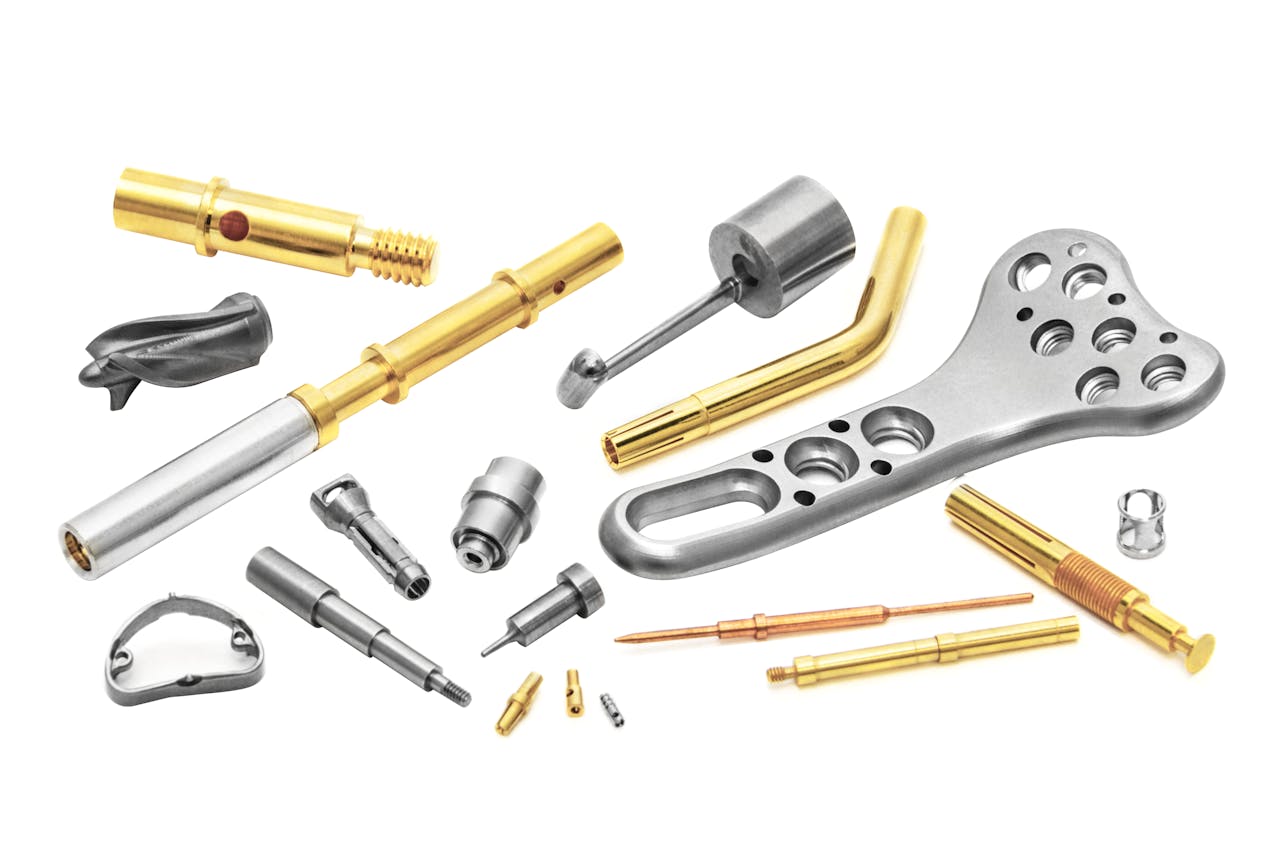
Custom machined parts cost is influenced by several technical and operational factors, with complexity, precision, and material selection playing key roles. For 3-, 4-, and 5-axis CNC milling and turning operations, cost increases with the number of axes due to enhanced motion control, fixturing complexity, and programming requirements. Tight tolerance machining (typically ±0.0002″ or ±0.005 mm) demands higher precision tooling, slower feed rates, specialized inspection (e.g., CMM), and often multiple setups, all contributing to elevated costs.
Material choice significantly impacts machinability, tool wear, and cycle time. Aluminum (e.g., 6061-T6) is cost-effective due to its excellent machinability and low tool wear. Steels (e.g., 4140, 17-4 PH) are harder and require slower cutting speeds, increasing machining time and cost. Engineering plastics like ABS and Nylon are easier to machine but may require specialized fixturing due to lower thermal resistance and dimensional stability.
Below is a comparative summary of cost drivers for custom machined parts based on process, tolerance, and material:
| Feature | 3-Axis Milling | 4-Axis Milling | 5-Axis Milling | CNC Turning |
|---|---|---|---|---|
| Setup Complexity | Low | Moderate | High | Low to Moderate |
| Programming Effort | Low | Moderate | High | Low |
| Tolerance Capability | ±0.001″ (±0.025 mm) | ±0.0005″ (±0.013 mm) | ±0.0002″ (±0.005 mm) | ±0.0005″ (±0.013 mm) |
| Typical Surface Finish | 32–125 μin | 32–64 μin | 16–32 μin | 16–64 μin |
| Relative Cost Factor | 1.0x | 1.3x | 1.8x | 1.1x |
| Material | Machinability | Relative Material Cost | Tool Wear Impact | Relative Machining Cost (vs. Aluminum) | Notes |
|---|---|---|---|---|---|
| Aluminum 6061 | Excellent | Low | Low | 1.0x | Preferred for prototypes and lightweight parts; fast cycle times |
| Steel 4140 | Moderate | Medium | High | 1.8x | Requires carbide tooling; slower speeds; higher machine load |
| Stainless 304 | Poor | High | High | 2.2x | High work hardening; frequent tool changes |
| ABS | Good | Low | Very Low | 0.7x | Low melting point; requires sharp tools and light cuts |
| Nylon 6/6 | Moderate | Medium | Low | 0.9x | Susceptible to moisture absorption; may require pre-drying |
Notes on Tight Tolerance Machining:
Achieving tolerances tighter than ±0.0005″ requires thermal stability, precision metrology, and often multiple inspection steps.
Cost premium for tight tolerance: +20% to +50% depending on part geometry and material.
5-axis milling reduces the need for multiple setups, improving accuracy for complex geometries but at a higher hourly machine rate.
These factors collectively determine the final cost of custom machined components, with high-precision, multi-axis jobs in steel or stainless steel representing the highest cost tier.
From CAD to Part: The Process
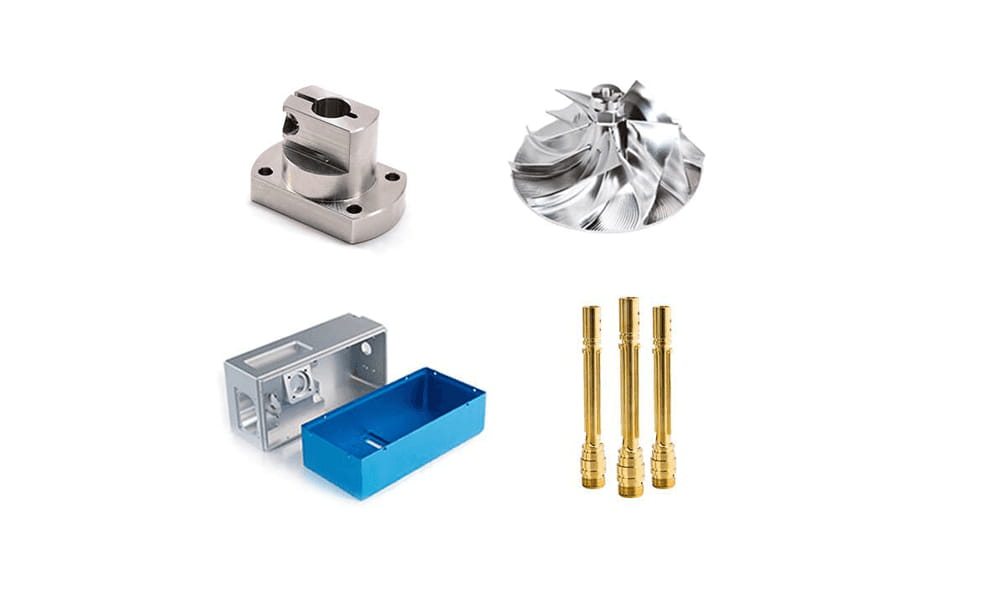
Honyo Prototype Custom Machined Parts Cost Process Overview
Honyo Prototype employs a streamlined, technology-driven workflow to deliver accurate costing and high-quality custom machined parts. This process minimizes iteration time, reduces hidden costs, and ensures manufacturability from the outset. Below is a technical breakdown of each phase.
CAD Upload and Initial Processing
Clients submit native CAD files (STEP, IGES, Parasolid, or native formats like SolidWorks, Fusion 360) via our secure portal. Our system validates geometry integrity, checks for unit inconsistencies, and identifies potential non-manufacturable features. Critical dimensions, tolerances, material specifications, and surface finish requirements are automatically extracted. This stage ensures the digital model aligns with manufacturing constraints before costing begins, eliminating errors that cause quote inaccuracies or production delays.
AI-Powered Instant Quoting
Leveraging proprietary AI algorithms trained on 500,000+ historical machining projects, the system generates a preliminary cost estimate within minutes. The AI analyzes part complexity, material waste, machine time (based on real-time shop floor data), toolpath efficiency, and secondary operations. It references dynamic databases for raw material costs, machine hourly rates, and labor variables. This quote includes a clear breakdown of cost drivers but is explicitly labeled as a preliminary estimate, subject to engineering validation. Clients receive immediate visibility into budgetary feasibility without manual intervention.
Engineering-Led DFM Analysis
All quotes undergo mandatory Design for Manufacturability (DFM) review by Honyo’s senior manufacturing engineers. This phase identifies opportunities to reduce cost and lead time while maintaining functional requirements. Engineers collaborate with clients to suggest geometric optimizations (e.g., adjusting wall thicknesses, simplifying contours, or modifying tolerances), material substitutions, or alternative machining strategies. Typical DFM-driven savings include 15–30% cost reduction and 20% faster production. A formal DFM report with annotated CAD markups and revised cost validation is provided before order commitment.
Precision Production Execution
Upon client approval, parts move to production in our ISO 9001-certified facility. We utilize HAAS, DMG MORI, and Makino CNC machining centers with automated tool changers and probing systems. Each job follows a documented process plan including:
Rigorous first-article inspection (FAI) per AS9102 standards
In-process CMM checks at critical stages
Real-time machine monitoring for tool wear and dimensional drift
Material traceability from certified mills
This phase integrates lean manufacturing principles to eliminate waste, with digital work orders tracking progress and quality metrics at every station.
Quality-Controlled Delivery
Final inspection includes full CMM reporting, surface roughness validation, and metallurgical verification where applicable. Parts ship with comprehensive documentation:
FAI report
Material certifications
Dimensional inspection data
Non-conformance logs (if applicable)
We guarantee on-time delivery via tracked logistics partners, with expedited options available. Crucially, the final invoice reflects only the approved DFM-validated cost—no hidden fees for rework or scope changes arise post-approval.
DFM Impact on Cost Efficiency
The following table illustrates typical cost drivers addressed during DFM and their financial impact:
| Cost Driver | Common Issue | Honyo DFM Resolution | Typical Cost Reduction |
|---|---|---|---|
| Geometric Complexity | Undercuts requiring EDM | Redesign to 3-axis millable forms | 22–35% |
| Tolerances | Over-specified ±0.001″ on non-critical features | Relax to ±0.005″ per GD&T analysis | 12–18% |
| Material Utilization | Inefficient stock sizing | Optimize billet dimensions | 8–15% |
| Secondary Operations | Excessive deburring/polishing | Integrate in-process finishing | 25–40% |
This integrated approach ensures clients receive a technically robust, cost-optimized solution from concept to delivery. By embedding engineering expertise within an automated workflow, Honyo Prototype eliminates the traditional trade-off between speed and accuracy in custom machining.
Start Your Project
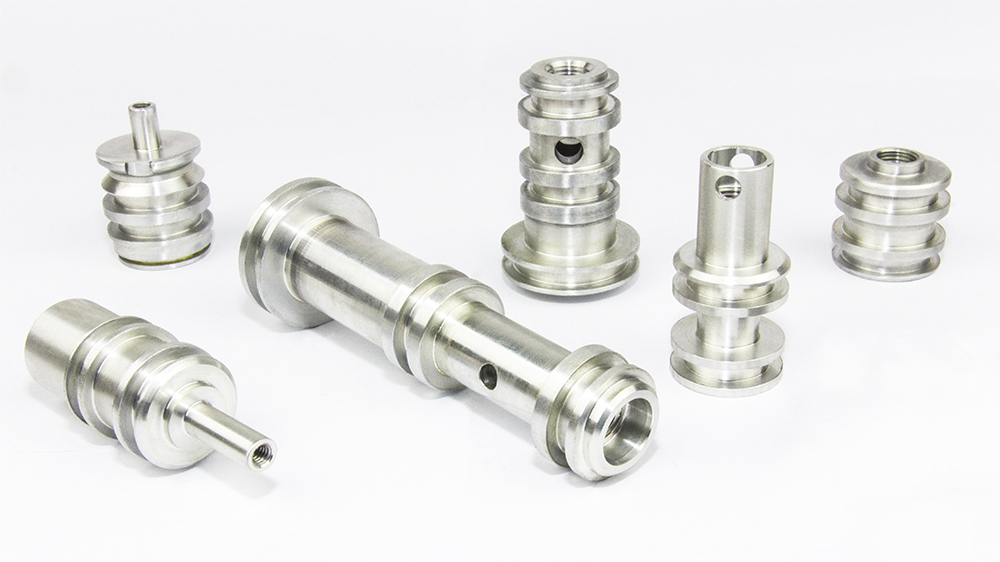
Looking for accurate pricing on custom machined parts? Contact Susan Leo at [email protected] to receive a fast, detailed quote tailored to your specifications. With our precision manufacturing facility located in Shenzhen, we deliver high-quality CNC machined components with quick turnaround times. Reach out today to discuss your project requirements and let us help you reduce lead times and control costs effectively.
Contact Information
Name: Susan Leo
Email: [email protected]
Location: Shenzhen, China
| Service | Detail |
|---|---|
| Capabilities | CNC Machining, Milling, Turning, Prototyping, Low to High Volume Production |
| Materials | Aluminum, Steel, Stainless Steel, Brass, Plastics, and more |
| Lead Time | As fast as 5–7 days for prototypes |
| Quality Standards | ISO 9001:2015 compliant, strict in-process inspection |
Get in touch now to optimize your next manufacturing project.
🚀 Rapid Prototyping Estimator
Estimate rough cost index based on volume.