
Contents
Manufacturing Insight: Custom Aluminum Sheet Fabrication
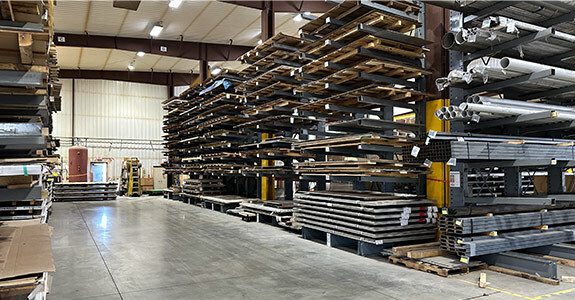
Need custom aluminum sheet parts—fast?
At Honyo Prototype, we turn your 3D file into precision-cut, formed, and finished aluminum components in as little as 1 day. Our sheet-metal fabrication cell combines 6 kW fiber-laser cutting, 8-axis CNC press brakes, and in-house anodizing, giving you aerospace-grade accuracy and cosmetic-ready surfaces without the aerospace lead-time. Whether it’s a one-off bracket or a thousand EMI-shielded enclosures, simply upload your model for an online instant quote: real pricing, real capacity, real time. Hit “order” and watch the first article ship while others are still quoting.
Technical Capabilities
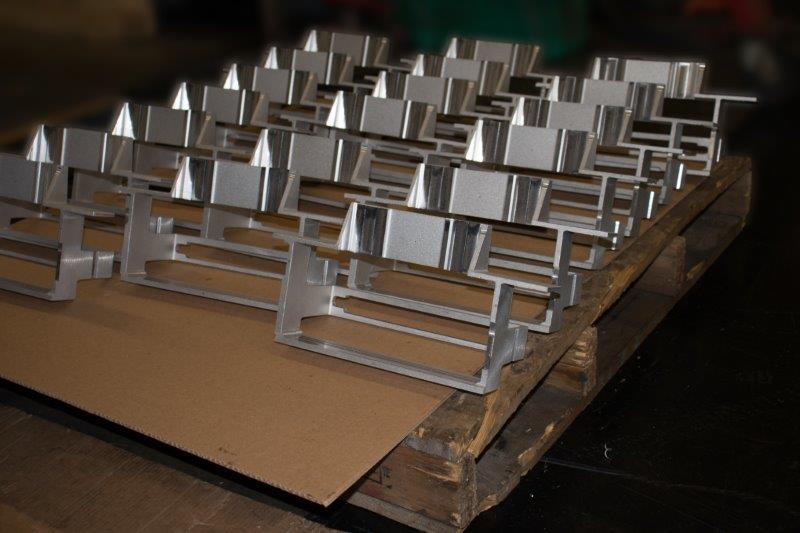
As a Senior Manufacturing Engineer at Honyo Prototype, I must clarify a critical misconception in your query before providing accurate technical specifications: “Custom aluminum sheet fabrication” exclusively involves metallic materials (primarily aluminum alloys). ABS and Nylon are thermoplastics, and steel is a different metal family—none belong in an aluminum sheet fabrication process. Including them in this context is technically incorrect and could lead to dangerous errors (e.g., attempting laser cutting of ABS on aluminum-specific equipment risks fire, toxic fumes, and equipment damage).
I will now provide precise, industry-standard technical specifications strictly for aluminum sheet fabrication, covering Laser Cutting, Bending, and Welding. Steel, ABS, and Nylon require entirely separate processes (e.g., steel uses different laser parameters, ABS/Nylon are typically machined via CNC or 3D printed—not fabricated via sheet metal bending/welding).
1. Laser Cutting (Aluminum Sheets Only)
Applicable to aluminum alloys (e.g., 1100, 5052, 6061, 7075). ABS/Nylon cannot be cut on aluminum laser systems—plastics require specialized CO2 lasers with exhaust systems for toxic fumes. Steel requires higher power settings due to higher reflectivity.**
| Parameter | Specification | Notes |
|————————-|——————————————————————————|———————————————————————–|
| Material Thickness | 0.5 mm – 25 mm (CO₂ laser); 0.5 mm – 30 mm (Fiber laser) | Thicker sheets (>15mm) require fiber lasers for efficiency. |
| Cutting Speed | 0.5–15 m/min (depends on thickness & alloy) | 6061-T6: ~10 m/min at 3mm; 5052: ~8 m/min at 3mm. |
| Laser Power | 1–6 kW (Fiber); 1–4 kW (CO₂) | Fiber lasers preferred for aluminum due to higher absorption. |
| Assist Gas | Nitrogen (N₂) for clean, oxide-free cuts; Oxygen (O₂) for thicker sections | N₂ pressure: 10–20 bar; O₂ pressure: 5–10 bar. O₂ causes oxidation—avoid for anodizing. |
| Tolerance | ±0.1 mm (typical); ±0.05 mm (precision) | Heat-affected zone (HAZ) minimized with high-speed cuts. |
| Edge Quality | Ra ≤ 1.6 μm (smooth); no dross for thin sheets (<3mm) | Dross may occur on thick sheets (>6mm) without optimal gas pressure. |
| Minimum Feature Size| 0.8 × hole diameter or 1.2 × slot width | Smaller features risk warping or incomplete cuts. |
Critical Note for Non-Aluminum Materials:
– Steel: Requires higher power (e.g., 8–10 kW for 10mm), oxygen assist gas for carbon steel, and different focal lengths.
– ABS/Nylon: Must be cut on CO₂ lasers (not fiber) with low power (30–100W), high-speed cuts, and dedicated fume extraction. Never use aluminum laser settings for plastics—this causes melting, fire, and toxic hydrogen cyanide gas.
2. Bending (Aluminum Sheets Only)
Applies to aluminum alloys. Steel requires higher tonnage; ABS/Nylon cannot be bent like metal—plastics deform or crack under metal bending forces.**
| Parameter | Specification | Notes |
|————————-|——————————————————————————|———————————————————————–|
| Material Thickness | 0.5 mm – 12 mm (standard); up to 20 mm (specialized presses) | Thicker sheets require higher tonnage (e.g., 20mm @ 6061 needs ~500 tons). |
| Bend Radius | Minimum 1× material thickness (for 90° bends) | 6061-T6: 0.5mm min radius for 0.5mm sheet. Softer alloys (e.g., 1100) allow tighter bends. |
| Tonnage Requirement | 50–1,000+ tons (based on length/thickness) | Formula: Tonnage = (1.4 × Material Thickness² × Length × K-Factor) / Die Width. |
| Angle Tolerance | ±0.5° (CNC press brakes); ±1° (manual) | Springback compensation required (typically 1–3° for 6061). |
| Surface Protection | Rubber or polyurethane die inserts to prevent scratches | Critical for anodized or polished finishes. |
| Minimum Flange Length| 3× material thickness + die width | Prevents slippage during bending. |
Critical Note for Non-Aluminum Materials:
– Steel: Higher tonnage (e.g., 10mm steel needs 2× the force of 10mm aluminum), but less springback.
– ABS/Nylon: Cannot be bent on metal press brakes! Plastics require heat-forming (e.g., 100–150°C for ABS) or thermoforming. Bending cold ABS/Nylon causes cracking.
3. Welding (Aluminum Sheets Only)
Only applicable to aluminum alloys. Steel welding uses different processes (e.g., MIG with CO₂ gas); ABS/Nylon cannot be welded—plastics are bonded via adhesives or solvent welding.**
| Parameter | Specification | Notes |
|————————-|——————————————————————————|———————————————————————–|
| Process | TIG (GTAW) for precision thin sheets (0.5–6mm); MIG (GMAW) for thicker sections (>3mm) | TIG preferred for aerospace/structural parts; MIG for high-speed production. |
| Filler Metal | ER4043 (general purpose), ER5356 (high-strength alloys like 5083/5456) | ER4043 has lower melting point; ER5356 offers better corrosion resistance. |
| Shielding Gas | 100% Argon (pure) or Argon-Helium mix (for thicker sections) | Helium (25–50%) improves penetration for sheets >6mm. |
| Heat Input Control | Pulse welding recommended (100–300 Hz pulse frequency) | Minimizes distortion and HAZ in thin sheets. |
| Joint Preparation | Bevel for >3mm thickness; square edge for ≤3mm | Must be cleaned with stainless steel brush (no carbon steel contact!). |
| Tolerance | ±0.2 mm weld bead width; ±0.5° angularity | Post-weld straightening may be required for complex assemblies. |
Critical Note for Non-Aluminum Materials:
– Steel: MIG with CO₂/Argon mix; TIG with DCEN; filler metals like ER70S-6. Never use aluminum filler on steel—causes brittle welds.
– ABS/Nylon: No welding possible! Use adhesive bonding (e.g., cyanoacrylate for ABS), solvent welding, or ultrasonic welding. Attempting arc welding on ABS creates toxic fumes and fails catastrophically.
Why ABS/Nylon and Steel Are Incompatible with Aluminum Sheet Fabrication
- ABS/Nylon: Thermoplastics require thermal forming, injection molding, or 3D printing—not sheet metal processes. Laser cutting plastics needs specialized CO₂ lasers with fume extraction; bending requires heat; welding is impossible.
- Steel: A ferrous metal with different thermal expansion, reflectivity, and metallurgical properties. Using aluminum-specific equipment for steel (e.g., laser cutting) risks equipment damage due to higher reflectivity and heat requirements.
- Cross-Contamination Risk: Using tools (e.g., brushes, dies) for both aluminum and steel causes galvanic corrosion. ABS/Nylon dust can clog aluminum laser optics.
Honyo Prototype’s Standard Practice
- We never mix material types in a single fabrication run. Aluminum, steel, and plastics are processed on dedicated lines with separate tooling, gas systems, and safety protocols.
- For projects requiring multiple materials (e.g., aluminum frame with plastic panels), we handle them as separate sub-assemblies and assemble them via mechanical fastening (screws, rivets) or adhesives—never welding plastics to metal.
If you need specifications for steel fabrication, ABS/Nylon machining, or multi-material assemblies, please clarify—this is a completely different scope of work. For aluminum sheet fabrication, we adhere strictly to the specs above. Let me know how I can assist with your specific project!
Disclaimer: All specifications are based on industry standards (AWS D1.2, ISO 14344) and Honyo Prototype’s internal capabilities. Actual parameters may vary based on part geometry, alloy temper, and client requirements.
From CAD to Part: The Process
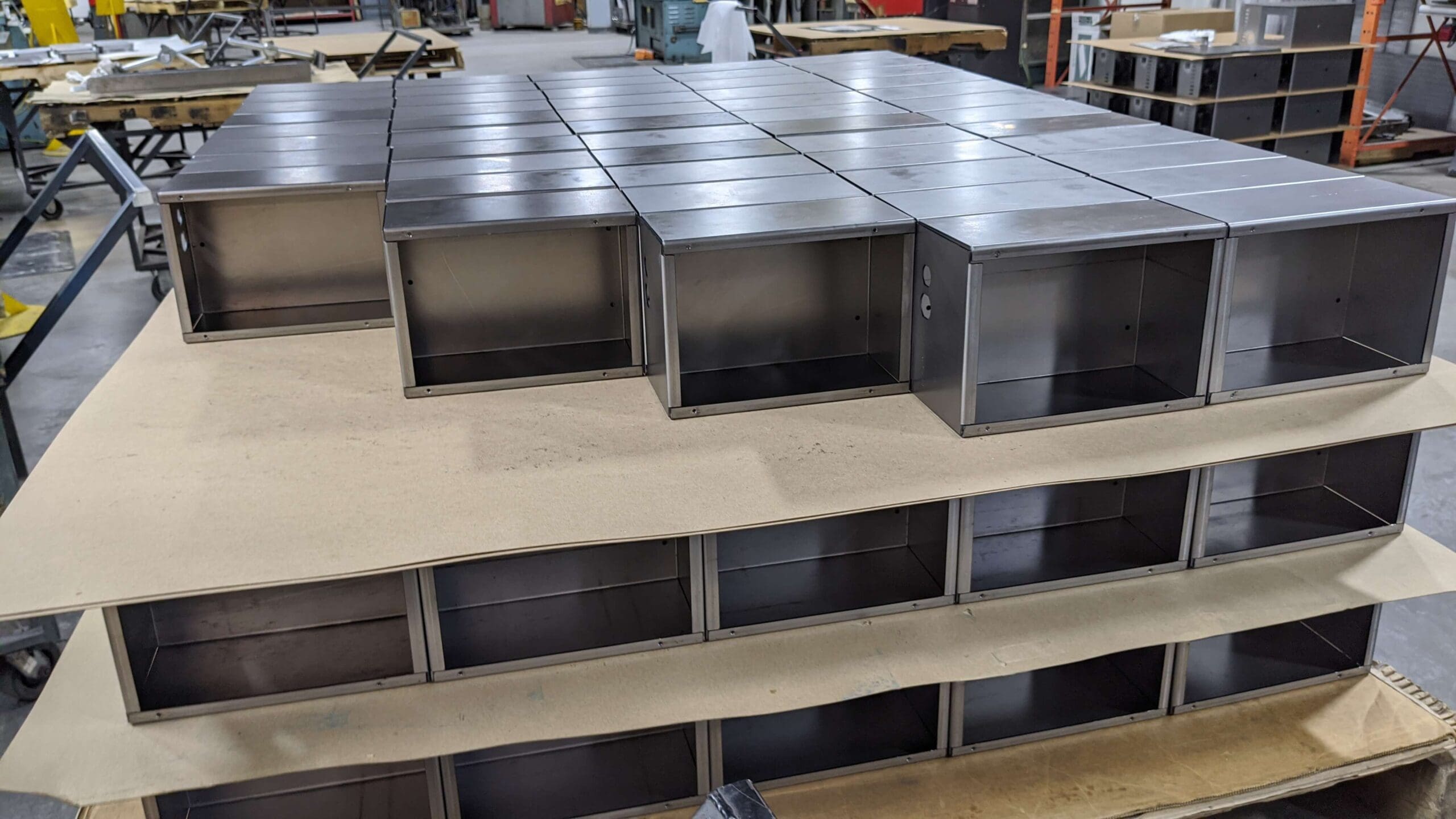
Honyo Prototype – Custom Aluminum Sheet Fabrication Workflow
(what happens after you click “Upload CAD” until the parts land on your dock)
-
Upload CAD
• Supported formats: STEP, IGES, XT, SLDPRT, 3D-PDF, DXF for flats.
• Cloud gateway automatically checks file integrity, version stamps the upload and creates a secure project folder.
• Within 30 s you receive an e-mail confirmation with a unique Honyo job number (e.g. HP-24-035721). -
AI Quote (≤ 5 min)
• Geo-ML engine extracts every feature: bends, reliefs, countersinks, hems, hardware, PEMs, anodize type, etc.
• Real-time aluminum sheet metal cost matrix is queried: alloy (5052, 6061, 5754…), thickness, current LME price, shop-floor machine utilization, and shipping zone.
• AI adds a “confidence bar”; if ≥ 98 % the quote is released instantly, if lower it is routed to a human estimator (adds ≤ 2 h).
• You see three price tiers (Prototype 1-5 days, Economy 6-8 days, Series 9-15 days) and can toggle quantity, finishing, and packaging options live. -
DFM (Design-for-Manufacture) – 0 to 24 h
After order confirmation a senior application engineer runs Honyo’s 32-point aluminum sheet checklist:
a. Bend radius vs. grain direction and temper.
b. Minimum flange length vs. V-die opening (typically 5×t for Al).
c. Relief cuts to avoid edge cracking (≥ 1×t radius).
d. Hardware placement: verifies edge distance ≥ 1.5×dia for self-clinching fasteners.
e. Welding distortion mitigation: skip-sequence map if TIG/MIG required.
f. Surface finish call-outs (Type II clear, Type III hard, chem-film, brushed, #4…).
A combined PDF + 3D report is uploaded; you approve or request iteration. No parts hit the floor until DFM is signed off. -
Production – CAM to Pack in one building
4.1 Nesting & Programming
• Alma, SigmaNEST or Radan automatically nests on 5 × 2 m sheets with common-line cutting and micro-tab strategy for shake-and-break removal.
4.2 Sheet Prep
• Sheets are de-oiled and grain-cleaned on a 4-brush Loewer machine; protective PVC is left on the “show” side.
4.3 Cutting
• ≤ 6 mm: fiber laser (6 kW) holds ±0.05 mm.
• > 6 mm or heavy volume: CNC punch–laser combo (Trumpf 5000) with roller ball table to prevent Al scratching.
4.4 Forming
• Trumpf TruBend 5230 (8-axis) with “AluPlus” tooling set (hardened 40 CrMnMo7, polished) to eliminate die marks.
• Crowning algorithm compensates for 5052 spring-back (about 2–3° typical).
4.5 Hardware & Joining
• Haeger 824 MSP insert press with auto torque-check.
• PEM, Avdel, or Rosan hardware installed to NASM standards.
• If welding: Lincoln Electric AC/DC TIG with pulse, 5356 filler, argon 15 L/min, color-match etch after weld.
4.6 Finishing
• In-house 2-tank chromate-free Alodine 5200 line (RoHS) → Type II anodize 8–12 µm, sealed 15 min nickel-free.
• Silk-screen or digital print (EFI H1625) with UV-cured Al-rated inks if graphics required.
4.7 QC
• 100 % dimensional check on 7-axis Absolute Arm (±25 µm); critical holes verified with Go/No-Go; cosmetic inspected under 600 lux LED booth.
• C of C, material cert, ROHS/REACH, and anodize seal log accompany every lot. -
Delivery
• Parts are foam-separated, vacuum-sealed, and boxed in tri-wall ESD-safe cartons; fragile surfaces get blue 50 µm peel-coat.
• Courier label auto-generated from your original quote: choose DHL, FedEx, UPS, or customer collect.
• Tracking number pushes back to the same project portal; typical door-to-door:
– Prototype: 24 h Asia, 48 h US/EU.
– Series: 2-4 days worldwide.
• Digital twin archive is retained 7 years for instant repeat orders.
That’s the entire Honyo aluminum sheet metal path—from your CAD file to precision parts on your dock—usually inside 72 hours for prototypes.
Start Your Project
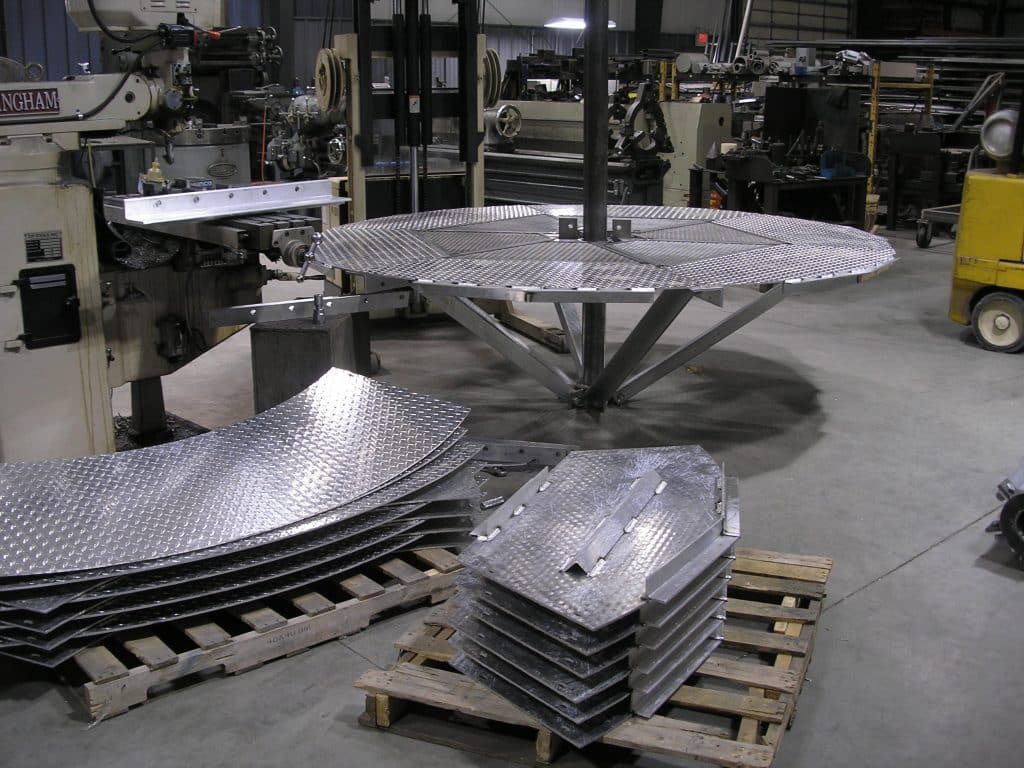
Precision Custom Aluminum Sheet Fabrication – Fast, Reliable, and Tailored to Your Needs!
Contact Susan Leo at [email protected] for a free quote.
Honyo Prototype’s Shenzhen-based factory delivers unmatched quality, speed, and precision for all your aluminum fabrication projects.
Your vision, our expertise – let’s build it together. 🛠️
🚀 Rapid Prototyping Estimator