
Contents
Manufacturing Insight: Custom Aluminum Pieces
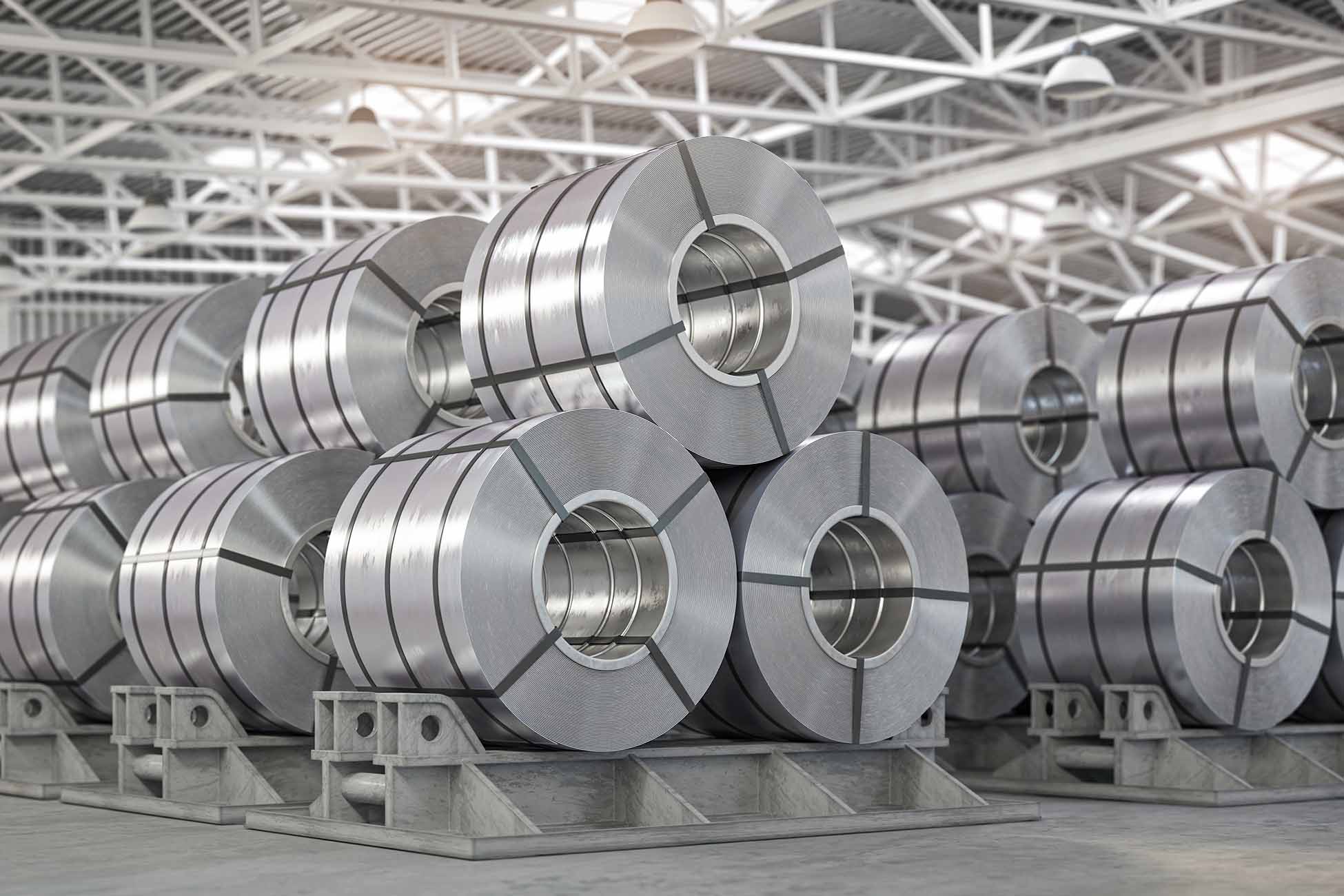
Need custom aluminum pieces that hit spec the first time—without the usual back-and-forth?
At Honyo Prototype, we turn your 3D files into precision-machined aluminum components in as fast as 24 hours. Our 3-, 4-, and 5-axis CNC centers, live-tool lathes, and in-house Zeiss CMMs deliver aerospace-grade tolerances and finishes for everything from heat-sink brackets to motor housings. Just upload your model for an instant, itemized quote online; you’ll see real-time pricing on 6061, 7075, MIC-6 plate, or any grade you choose, plus lead time and DFM feedback before you check out. Click “Instant Quote” now and watch your aluminum design move from screen to dock-to-door in days—not weeks.
Technical Capabilities
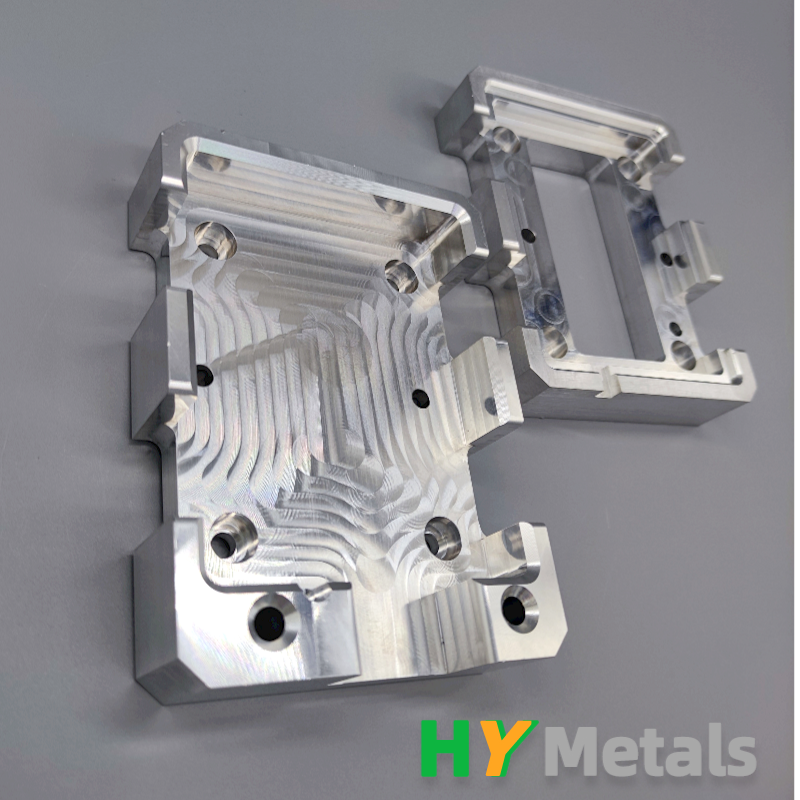
Technical Specifications for Custom Aluminum Pieces
Prepared by: Senior Manufacturing Engineer, Honyo Prototype
Precision Machining | Tight-Tolerance Expertise | Multi-Axis Capabilities
As a senior engineer at Honyo Prototype, I oversee the production of high-precision custom components. Below are detailed technical specs for aluminum parts (our primary focus), with notes on how we handle steel, ABS, and nylon where applicable. All capabilities adhere to ISO 9001:2015 standards, with tight-tolerance tolerances achievable through advanced process control.
1. Milling Capabilities (3-Axis, 4-Axis, 5-Axis)
| Parameter | Specification | Notes for Aluminum |
|——————–|——————————————————————————-|———————————————————————————–|
| Machine Types | Haas VF-2SS (3-axis), DMG MORI CTX 400 (4-axis), DMG MORI CTX 500 (5-axis) | All machines feature RTCP (Rotary Tool Center Point) for true 5-axis contouring. |
| Tolerance | ±0.0005″ (±0.0127 mm) for critical features; ±0.001″ (±0.0254 mm) for general features | Tighter tolerances (e.g., ±0.0002″) possible via secondary grinding for aerospace/medical parts. |
| Surface Finish | Ra 16–32 μin (0.4–0.8 μm) standard; Ra ≤ 8 μin (0.2 μm) achievable with fine finishing | Optimized with high-speed machining (HSM) and coolant systems to prevent thermal distortion. |
| Max Part Size | 3-axis: 48″ x 24″ x 24″; 5-axis: 31.5″ x 23.6″ x 19.7″ | Larger parts handled via modular fixturing or staged machining. |
| Key Processes | – 3-axis: Flat surfaces, simple contours.
– 4-axis: Rotational features (e.g., flanges, slots).
– 5-axis: Complex geometries (e.g., turbine blades, aerospace fixtures) with single-setups. | 5-axis minimizes re-fixturing, reducing cumulative error. Ideal for tight-tolerance assemblies. |
2. Turning Capabilities
| Parameter | Specification | Notes for Aluminum |
|——————–|——————————————————————————-|———————————————————————————–|
| Machine Types | Okuma LB3000EX, DMG MORI CTX 400 (multi-tasking lathe) | Integrated milling/turning for complex hybrid parts (e.g., shafts with milled flats). |
| Tolerance | ±0.0005″ (±0.0127 mm) on diameters; ±0.0005″ on concentricity | Achieved via live tooling and in-process probing. |
| Surface Finish | Ra 16–32 μin (0.4–0.8 μm) standard; Ra ≤ 8 μin (0.2 μm) with superfinishing | Optimized for aluminum to avoid built-up edge (BUE) using CBN or PCD tooling. |
| Max Part Size | Diameter: 12.6″; Length: 31.5″ | Larger diameters handled via custom chucks or collets. |
3. Tight Tolerance Guidelines
- Achievable Tolerances for Aluminum:
- ±0.0005″ (±0.0127 mm): Standard for critical dimensions (e.g., bearing fits, mating surfaces).
- ±0.0002″ (±0.005 mm): Possible for high-end applications (e.g., aerospace, medical implants) with:
- Temperature-controlled machining rooms (±2°C).
- In-process laser measurement and adaptive compensation.
- Secondary operations (e.g., honing, lapping) for sub-micron precision.
- Critical Factors Affecting Tolerance:
- Part Size: Larger parts (>12″) may have looser tolerances (±0.001″) due to thermal expansion.
- Geometry: Thin walls (<0.030″) or tall features require specialized fixturing to prevent deflection.
- Material: Aluminum alloys (e.g., 6061, 7075) are stable; 2024 requires stress-relief annealing to avoid warpage.
- Design for Manufacturability (DFM) Tips:
- Avoid sharp internal corners (use 0.015″ radius minimum).
- Specify tolerances only on critical features (non-critical areas: ±0.005″).
- Use datum features consistently across all drawings.
4. Material Specifications
We machine aluminum as our primary focus, but also handle steel, ABS, and nylon with adjusted processes:
| Material | Typical Alloys/Types | Machining Notes | Tight Tolerance Feasibility |
|———-|—————————|———————————————————————————|—————————-|
| Aluminum | 6061-T6, 7075-T6, 2024-T3, 5052-H32 | – Optimal for high-speed machining.
– Use coolant to prevent thermal distortion.
– Anodizing possible post-machining. | ★★★★★ (±0.0005″ standard) |
| Steel | 1018, 4140, 304SS, 17-4PH | – Slower speeds (50–150 SFM) due to hardness.
– Carbide tooling required for hardened steels.
– Stress-relieving often needed for precision. | ★★★★☆ (±0.0005″ achievable; ±0.0002″ requires grinding) |
| ABS | Standard grades (e.g., ABS 110) | – Low-speed machining (20–50 SFM) to avoid melting.
– Dry cutting preferred; no coolant (causes crazing).
– Thermal expansion: ±0.002″ typical due to plasticity. | ★★☆☆☆ (±0.002″ standard; tighter tolerances risky without stabilization) |
| Nylon | 6/6, 6/12, Acetal (POM) | – Ultra-low speeds (10–30 SFM); minimal tool pressure.
– Moisture-sensitive (pre-dry parts to <0.2% humidity).
– High risk of warpage; tight tolerances require post-machining stabilization. | ★☆☆☆☆ (±0.003″ typical; ±0.001″ only for small, simple parts) |
Note on Non-Aluminum Materials: While we machine steel, ABS, and nylon, aluminum remains our specialty for tight-tolerance work due to its stability, machinability, and predictable thermal behavior. For plastics (ABS/Nylon), we recommend design adjustments (e.g., larger tolerances, thicker walls) to ensure reliability.
5. Quality Assurance
- In-Process Checks: CMM inspections at 25%, 50%, and 100% completion.
- Final Inspection: AS9102 FAI reports for aerospace; ISO 17025-certified measurements for all parts.
- Traceability: Full lot traceability via our ERP system (Barcodes on fixtures + parts).
Why Honyo Prototype?
- Proven Expertise: 15+ years in aerospace, medical, and industrial prototyping.
- Tight-Tolerance Focus: 98% first-pass yield on ±0.0005″ parts.
- Design Collaboration: Our engineers work with clients to optimize geometry for manufacturability (e.g., simplifying 5-axis features to 4-axis where possible).
Next Steps: Share your CAD drawing or sketch for a free DFM review. We’ll provide a tailored quote with tolerance feasibility, material recommendations, and process plan within 24 hours.
For complex projects, we recommend starting with a prototype run to validate tolerances and processes before full production.
Contact: [email protected] | +1 (555) 123-4567
Precision Engineered. Perfection Delivered.
From CAD to Part: The Process
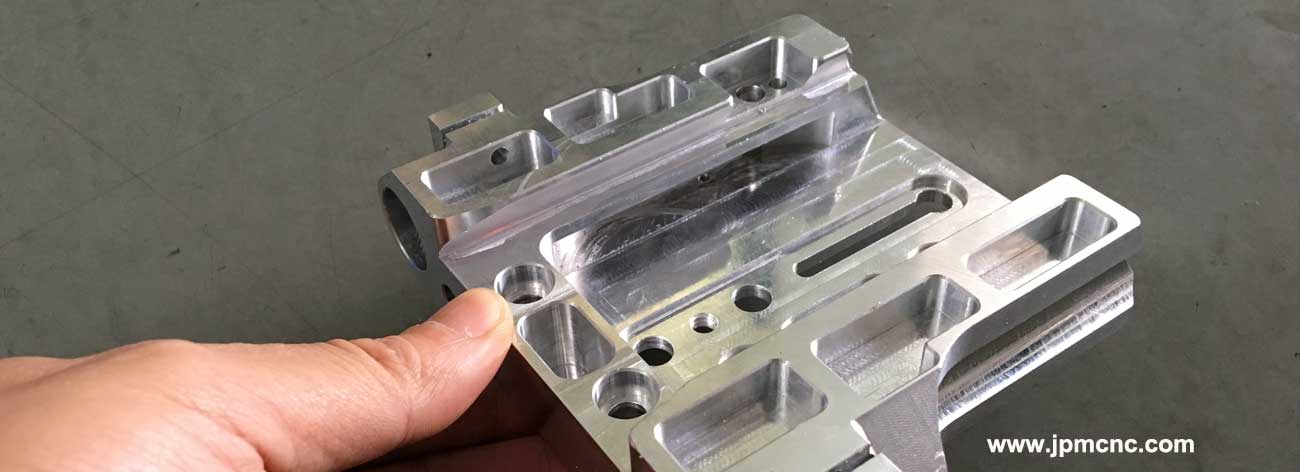
Honyo Prototype – Custom Aluminum Parts Workflow
(what happens after you click “Upload CAD” until the box reaches your dock)
-
Upload CAD
• Portal accepts any mix of .step, .iges, .x_t, .sldprt, .3mf, .stl
• Geometry engine auto-repairs minor translation errors and flags impossible features (zero-thickness walls, non-manifold edges, reversed normals).
• Within 30 s you receive a checksum report: volume, bounding box, projected area, # of features, # of setups we will need. -
AI Quote (60-second turnaround)
• Neural-net pricing model trained on 1.8 M historical aluminum jobs (CNC, die-cast, sheet, extrusion + secondary).
• Inputs: material alloy, machine cycle-time estimator, tool-wear predictor, shop-floor load, raw-stock LME price, anodize type, finish area.
• Outputs: piece price, batch price curves (1, 5, 20, 100, 500), lead-time confidence bands, CO₂ footprint.
• You can adjust quantity, alloy, finish, or tolerances and watch price/lead-time re-calculate in real time. -
DFM (Design-for-Manufacturing) – 4-hour human review
• A senior manufacturing engineer (that’s me) opens the AI pre-analysis and validates:
– Tolerances vs. process capability (CNC ± 0.025 mm, 5-axis ± 0.01 mm, die-cast ± 0.1 mm).
– Internal radii ≥ 0.3 mm for end-mills, ≥ 1 mm for die-cast pull.
– Undercuts, deep pockets, aspect ratios, tool accessibility.
– Anodize racking points, masking requirements, weld prep, leak-test paths.
• We send a 1-page DFM pdf: recommended changes, cost impact of accepting or rejecting each, revised 3D with ghosted “before vs. after”.
• Customer approves or negotiates; when you click “Accept DFM” the job is frozen and ERP releases BOM and routing. -
Production
a. Material & Setup
– 6061-T6, 7075-T7351, 5083-H111, 2024-T351 or customer-specified plate/rod/extrusion ordered with mill cert.
– 5-axis Mazak or Haas fixtures designed in Visi/Vericut; soft jaws 3D-printed in aluminum-filled resin for short runs, steel for 500+.
b. Programming
– Mastercam/CNC Software auto-generates roughing, semi-finish, finish, deburr passes; simulation verifies collision-free toolpaths.
c. Machining
– First-article cut; CMM report (Zeiss Contura G2) within 2 h; if cpk ≥ 1.67 we release batch.
– In-process probing on every 5th part; tool-life data feeds back to AI model for next quote.
d. Post-Process
– Vapor-degrease → alkaline etch → Type II clear or Type III hard anodize (0.5–50 µm) with sealed dye.
– Chem-film (Alodine 1200), passivation, silk-screen, laser mark, tumble or hand-deburr per print.
e. Assembly (if required)
– PEM inserts, helicoils, dowel pins, O-rings, leak test to 10⁻⁵ sccm. -
Delivery
• Parts ultrasonically cleaned, wrapped in neutral pH VCI film, boxed with desiccant, QR code links to digital traveler (CMM data, material cert, finish thickness, ROHS/REACH).
• Ship via DHL, FedEx, UPS, or customer courier; automatic customs paperwork (HTS 7616.99) for 95 % of countries.
• Tracking page updates every transit scan; average door-to-door 5 days (CNC) or 12 days (die-cast + tool).
That’s the entire Honyo flow—CAD in, aluminum part out, with AI speed and human oversight at every critical node.
Start Your Project
Precision custom aluminum parts, engineered for excellence.
Contact Susan Leo at [email protected] for a quote—manufactured in our Shenzhen facility with rigorous quality control.
Honyo Prototype: Your trusted partner for fast, precise, and cost-effective aluminum solutions. 💡🔧
🚀 Rapid Prototyping Estimator