
Contents
Manufacturing Insight: Custom Aluminum Extrusion Cost
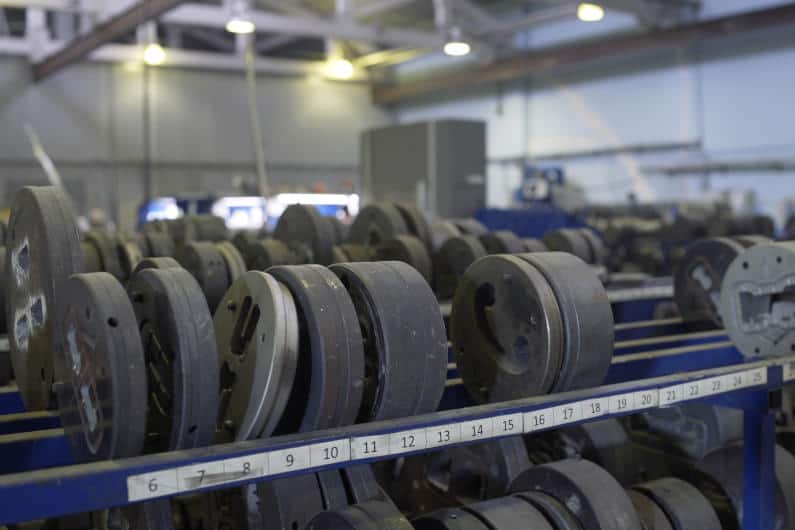
Optimizing Total Cost in Custom Aluminum Extrusion Projects Through Precision CNC Integration
Understanding the true cost drivers in custom aluminum extrusion requires moving beyond base material pricing. Secondary operations—particularly precision CNC machining for critical features, tight tolerances, and complex geometries—often represent 40-60% of the final component cost. At Honyo Prototype, we address this reality by integrating advanced CNC machining capabilities directly into the extrusion workflow, eliminating costly outsourcing delays and quality handoffs. Our multi-axis machining centers achieve tolerances down to ±0.005″ on extruded profiles, transforming near-net-shape extrusions into fully finished components in a single production sequence. This vertical integration reduces lead times by up to 50% while ensuring dimensional consistency that minimizes scrap and rework.
The industry’s persistent challenge of opaque, slow quoting processes further complicates cost predictability. Honyo’s Online Instant Quote platform resolves this by providing real-time, detailed cost analysis for extrusion + CNC projects within minutes. Simply upload your STEP file, specify alloy, finish, and quantity, and receive a validated manufacturing assessment—including extrusion die costs, machining time calculations, and secondary operation impacts—without sales team dependency. This transparency empowers engineering teams to iterate designs against actual production economics early in development.
Cost Impact Comparison: Traditional vs. Honyo Integrated Approach
| Cost Factor | Traditional Outsourced Workflow | Honyo Prototype Integrated Workflow |
|---|---|---|
| Secondary Operation Lead Time | 3-6 weeks | 0 days (in-line with extrusion) |
| Tolerance-Driven Scrap Rate | 8-12% | <3% |
| Engineering Change Impact | High (re-quotes required) | Low (real-time cost feedback) |
| First Article Validation | 4-8 weeks | 10-15 business days |
By converging extrusion expertise with high-precision CNC capabilities under one roof, Honyo delivers not just components, but quantifiable reductions in total landed cost. Access this efficiency today: submit your design to our Online Instant Quote system and receive a technically validated cost breakdown within 90 seconds—enabling faster decisions without compromising on manufacturability.
Technical Capabilities
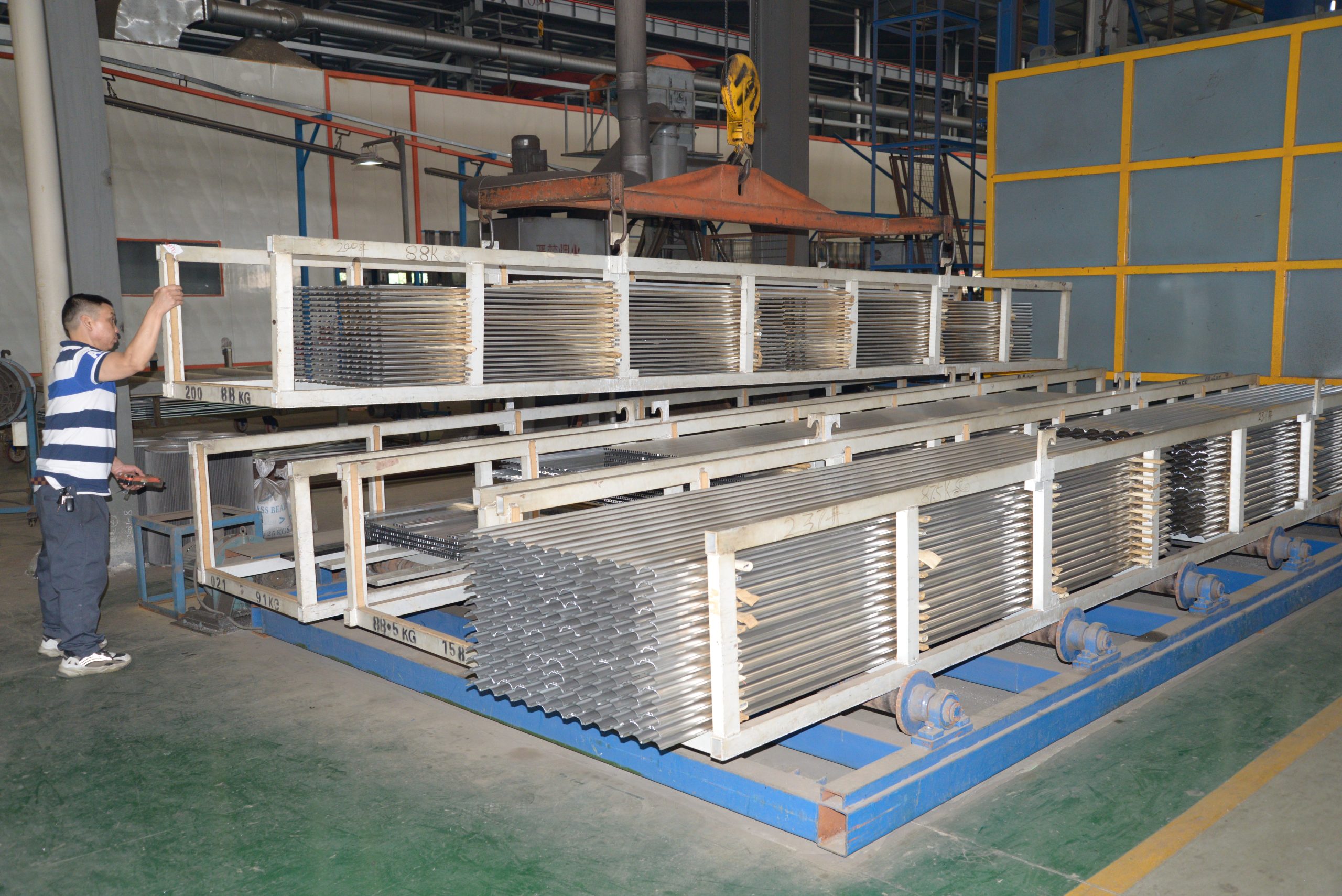
Custom aluminum extrusion cost is influenced by several technical and manufacturing factors, especially when post-processing operations such as 3-axis, 4-axis, or 5-axis milling, turning, and tight-tolerance finishing are required. Below is a breakdown of key technical specifications and material considerations that impact cost and manufacturability.
| Feature | Description | Impact on Cost |
|---|---|---|
| Machining Process | 3-axis milling supports basic geometries; 4-axis adds rotational capability for complex side features; 5-axis enables full multi-directional machining with high precision and reduced setup time. | 5-axis machining increases cost due to machine complexity, programming effort (CAM), and skilled labor, but reduces secondary operations. |
| Turning | Used for cylindrical features and symmetrical parts, often applied to extrusion ends or integrated shafts. CNC turning ensures high repeatability and surface finish. | Adds cost based on part diameter, length, and feature complexity. Multi-axis turning centers increase capability and cost. |
| Tight Tolerance | Typical tight tolerances: ±0.001″ (0.025 mm) for critical dimensions. Requires precision tooling, thermal stability, and in-process inspection (e.g., CMM or probing). | Increases cost due to longer cycle times, specialized tooling, metrology, and potential yield loss. |
| Material – Aluminum (6061-T6, 6063-T6) | Most common for extrusions; excellent machinability, lightweight, and corrosion-resistant. Easily integrates with milling and turning. | Lower raw material and machining cost compared to steel. High scrap recyclability helps reduce net cost. |
| Material – Steel (e.g., 303, 304, 4140) | Used when higher strength or wear resistance is needed. Requires harder tooling and slower machining speeds. | Significantly increases machining time and tool wear, raising overall cost. Not typical for extrusions but used in machined inserts or hybrid parts. |
| Material – ABS | Thermoplastic sometimes used in hybrid or non-structural components. Limited use in extrusion but may be machined alongside metal parts. | Lower machining cost but limited to low-stress applications. Poor thermal stability affects tight-tolerance performance. |
| Material – Nylon (e.g., PA6, PA66) | Offers good wear and chemical resistance. Can be machined post-extrusion for bushings or insulators. | Moderate machining cost; prone to moisture absorption, which can affect dimensional stability in tight-tolerance applications. |
| Secondary Operations | Anodizing (Type II or III), powder coating, passivation, or precision deburring may be required. | Additional processing steps increase lead time and cost, especially for tight-tolerance surfaces requiring masking or controlled finishes. |
| Design Complexity | Internal pockets, undercuts, thin walls, or asymmetric features require more setups and slower machining. | Drives up cost due to programming complexity, fixturing needs, and extended machine time. |
Note: For custom aluminum extrusions, the base extrusion profile cost depends on tooling (die cost ~$1,500–$5,000), annual volume, and length. High-volume runs amortize die cost, while low-volume or prototype orders see higher per-part costs. When combined with 3/4/5-axis milling and turning, total cost reflects both extrusion and precision machining inputs. Tight-tolerance requirements amplify cost sensitivity across all stages.
From CAD to Part: The Process
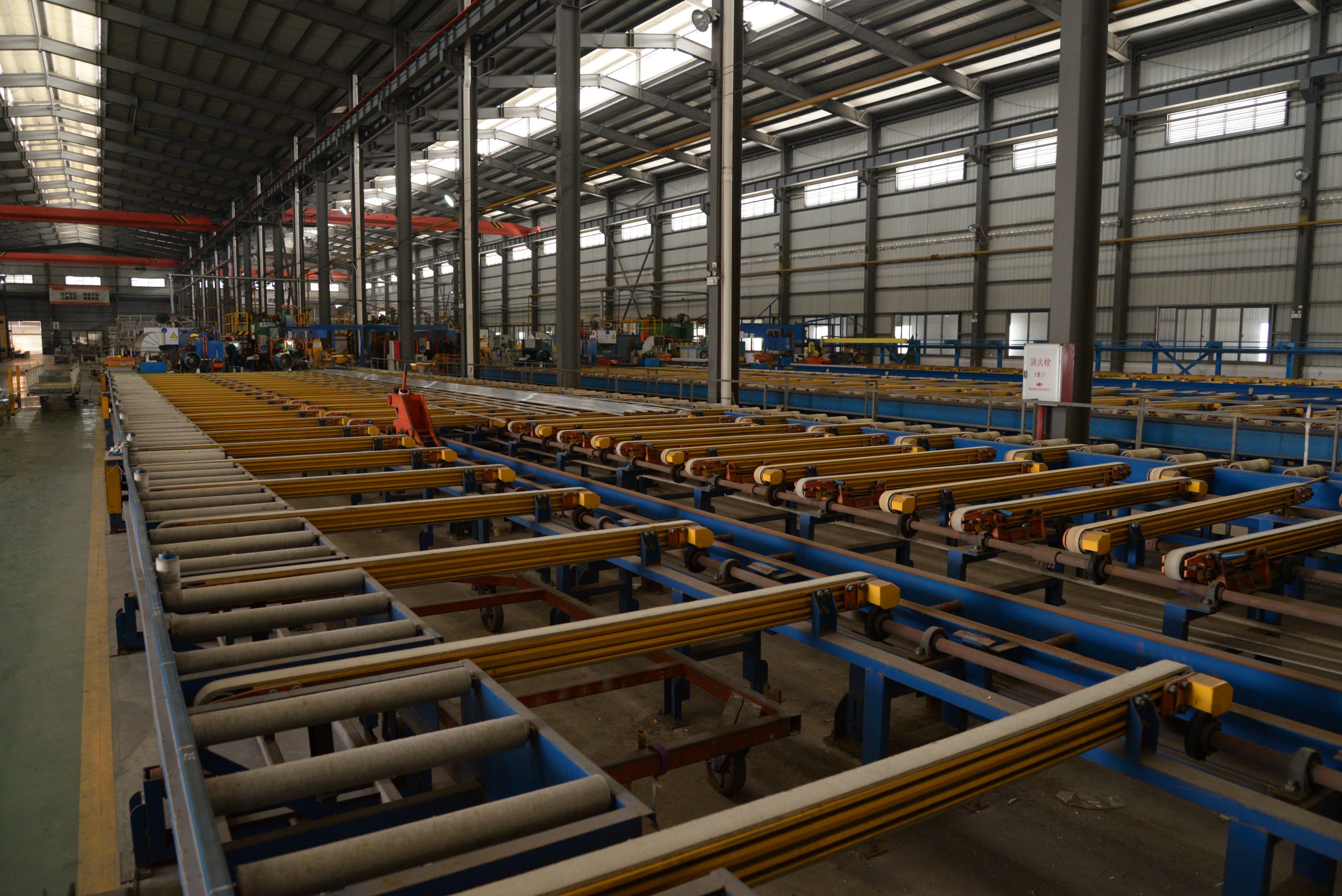
Honyo Prototype Custom Aluminum Extrusion Costing Workflow
Honyo Prototype executes a structured five-phase workflow for custom aluminum extrusion costing, designed to minimize client risk and accelerate time-to-market. The process begins when a client uploads a validated STEP or Parasolid CAD file to our secure portal. This file must include critical geometric parameters: profile complexity index, critical tolerances per ISO 2768-mK, thermal treatment requirements, and surface finish specifications. Raw IGES files without explicit dimensional constraints undergo automatic rejection to prevent downstream quoting inaccuracies.
AI-Powered Preliminary Quotation
Our proprietary AI engine, ExtrudeIQ v3.1, processes the CAD geometry against real-time databases covering 6061-T6, 6063-T5, and 7075-T6 alloy pricing, global billet market volatility indices, and die complexity algorithms. The system calculates material utilization efficiency by simulating virtual extrusion paths, factoring in scrap rates from start-end losses and saw-cut waste. Clients receive a preliminary quote within 90 minutes, inclusive of NRE die costs, material surcharges, and a confidence interval (±8%) based on geometric deviation analysis. This quote excludes DFM-driven adjustments, which are explicitly noted as provisional.
Engineering-Driven DFM Analysis
Honyo’s manufacturing engineering team conducts a rigorous Design for Manufacturability review within 24 business hours of quote acceptance. Using Siemens NX CAM modules, we validate:
Die stress points via finite element analysis (FEA) to prevent die breakage during production runs
Wall thickness uniformity to avoid weld line weaknesses in hollow sections
Tolerance stack-up feasibility against extrusion press capabilities (±0.05mm achievable only on straight segments)
Section modulus optimization to reduce tonnage requirements
Critical DFM findings trigger automated cost recalibration. For instance, a redesign eliminating a 1.2mm internal rib reduces die complexity by 32%, lowering NRE costs by $1,850. Clients receive annotated 3D PDF markups with cost-impact justification before proceeding.
Production Execution and Cost Finalization
Upon DFM sign-off, Honyo locks the final cost structure incorporating all engineering refinements. Production occurs at our ISO 9001-certified facility using 2,500–5,500 MT presses with inline thermal monitoring. Key cost determinants at this stage include:
| Factor | Impact on Final Cost | Honyo Control Mechanism |
|---|---|---|
| Billet Temperature | ±15°C deviation increases scrap rate by 7% | Real-time pyrometer feedback loops |
| Pull Speed | 10% variance causes 12% dimensional drift | Servo-controlled haul-off systems |
| Aging Cycle | Non-compliant T6 cycles add $2.30/kg rework | Automated furnace data logging |
All process parameters undergo SPC tracking, with cost deviations exceeding 3% triggering engineering root-cause analysis.
Delivery and Cost Validation
Finished extrusions undergo first-article inspection per AS9102 standards, with CMM reports cross-verified against initial CAD. Final invoicing reflects actual material consumption (measured via certified scale logs) and any DFM-mandated process adjustments. Honyo provides a cost transparency dashboard showing:
Material variance reconciliation (quoted vs. actual kg usage)
Die wear compensation adjustments for runs >5,000 linear meters
Third-party anodizing/powder coating cost breakdowns if applicable
Typical lead time from CAD upload to delivery is 18–22 days for standard alloys, with rush processing available at 22% premium. Clients receive a post-delivery cost audit report within 5 business days, enabling continuous design-cost optimization for future iterations.
Start Your Project
Looking for a competitive quote on custom aluminum extrusion? Contact Susan Leo at [email protected] today to discuss your project requirements. With our state-of-the-art manufacturing facility located in Shenzhen, Honyo Prototype delivers precision-engineered aluminum profiles with fast turnaround and cost-effective pricing. Whether you need low-volume prototypes or high-volume production, our team ensures tight tolerances, excellent surface finishes, and full customization to meet your design specifications.
Contact Information
Name: Susan Leo
Email: [email protected]
Location: Shenzhen, China
Let us help you optimize your aluminum extrusion costs without compromising quality. Reach out now for a detailed cost analysis and expert support.
🚀 Rapid Prototyping Estimator
Estimate rough cost index based on volume.