
Contents
Manufacturing Insight: Crmo Steel
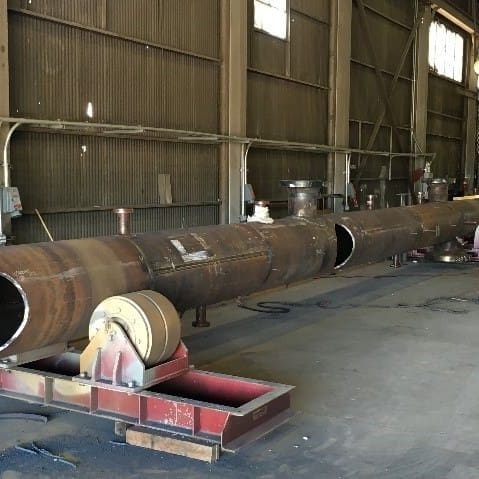
Material Excellence: Chromoly Steel for Demanding Applications
Chromoly steel alloys, particularly grades 4130 and 4140, represent the benchmark for high-strength, fatigue-resistant components across aerospace, motorsports, and industrial machinery. Renowned for their exceptional strength-to-weight ratio, weldability, and toughness under dynamic loads, these low-alloy steels require precise machining parameters to maintain structural integrity and dimensional accuracy. Challenges such as work hardening, thermal management, and chip control demand specialized expertise to avoid compromising material properties or part performance.
Honyo Prototype: Precision CNC Machining for Chromoly Steel
At Honyo Prototype, we leverage advanced CNC milling and turning centers paired with material-specific process engineering to machine chromoly steel to exacting tolerances. Our ISO 9001-certified facility employs optimized toolpath strategies, rigid fixturing, and controlled coolant application to mitigate distortion and achieve surface finishes down to Ra 0.8µm (32µin). Every component undergoes rigorous in-process inspection using CMM and optical comparators, ensuring compliance with critical specifications such as AMS 6350 or ASTM A331. We consistently deliver complex geometries—from aircraft landing gear fittings to off-road vehicle drivetrain components—with tolerances held to ±0.005mm (±0.0002in) while preserving the alloy’s core mechanical properties.
Accelerate Your Chromoly Projects with Instant Quoting
Reduce procurement lead times significantly by utilizing Honyo’s Online Instant Quote system. Upload your STEP or IGES files for chromoly steel parts, and receive a detailed manufacturability assessment and competitive pricing within hours—not days. Our platform automatically evaluates material utilization, feature complexity, and secondary operations to provide transparent, actionable quotes, empowering faster decision-making for your next high-performance application. Start machining with confidence: access real-time pricing today at honyoprototype.com/quote.
Technical Capabilities
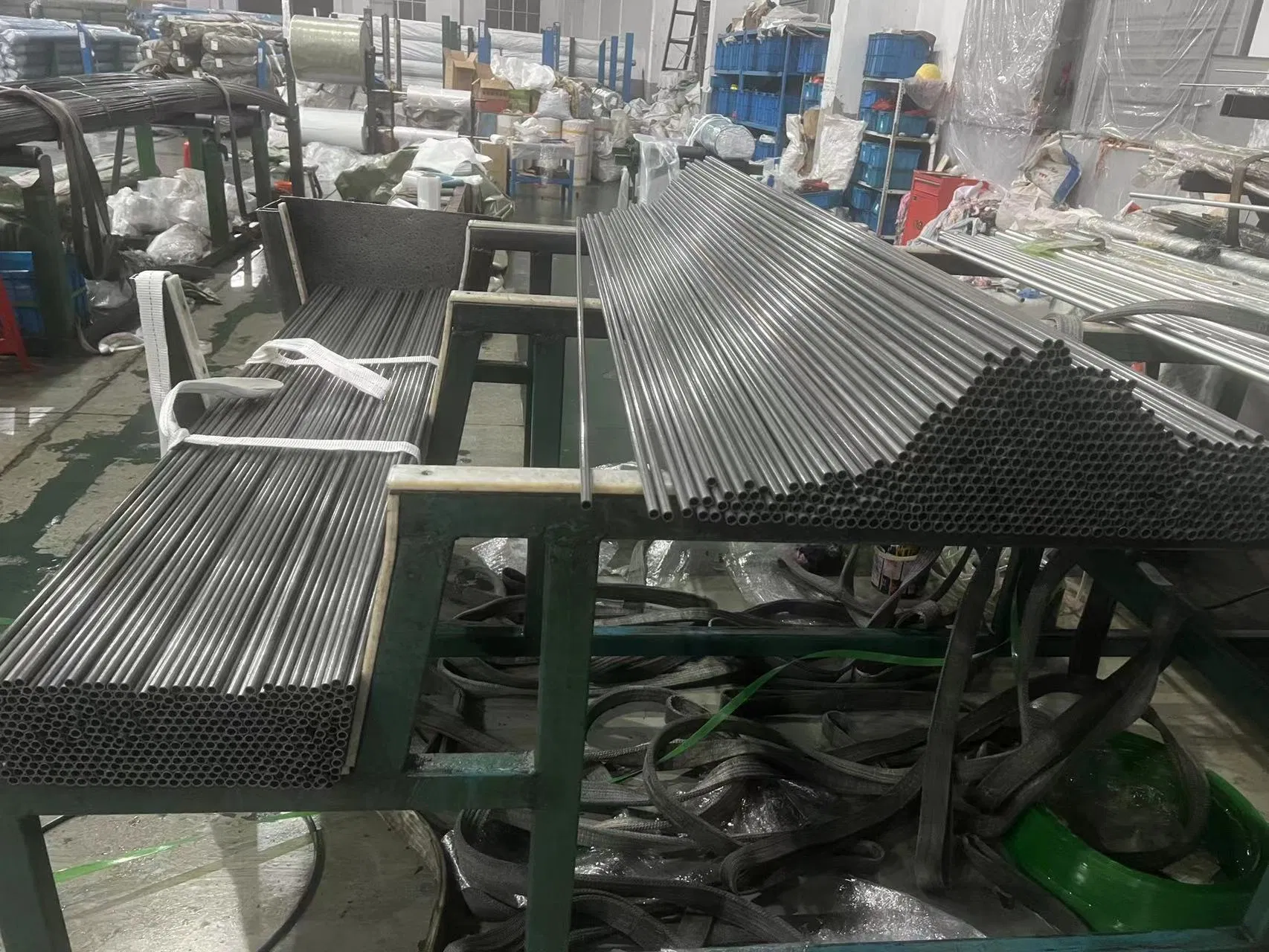
Technical Specifications for CrMo Steel (Chromium-Molybdenum Steel) in Precision Machining Applications
Chromium-Molybdenum (CrMo) steel is a low-alloy steel known for its high strength-to-weight ratio, excellent fatigue resistance, and good performance under elevated temperatures. Common grades include 4130 and 4140, which are widely used in aerospace, automotive, and industrial applications where tight tolerances and structural integrity are critical. These materials are well-suited for multi-axis CNC machining due to their dimensional stability and machinability when properly heat-treated.
The following table outlines key technical specifications and machining considerations for CrMo steel, with comparative context against other common prototype and production materials used in 3/4/5-axis milling and turning operations.
| Property / Material | CrMo Steel (e.g., 4130) | Aluminum (e.g., 6061-T6) | Steel (e.g., 1018) | ABS (Thermoplastic) | Nylon (PA6/PA66) |
|---|---|---|---|---|---|
| Tensile Strength (MPa) | 500–700 | 310 | 440 | 40–50 | 70–85 |
| Yield Strength (MPa) | 400–600 | 275 | 370 | 35–45 | 60–75 |
| Hardness (HB) | 180–220 | 95 | 130 | 80–100 (Shore D) | 85–100 (Shore D) |
| Density (g/cm³) | 7.85 | 2.70 | 7.85 | 1.04 | 1.13 |
| Machinability Rating | 65–70% (Good with tool control) | 90–100% (Excellent) | 50–55% (Fair) | 80% (Good) | 60% (Moderate, gummy) |
| Typical Tolerance (Milling) | ±0.005 mm (±0.0002″) | ±0.0125 mm (±0.0005″) | ±0.01 mm (±0.0004″) | ±0.025 mm (±0.001″) | ±0.05 mm (±0.002″) |
| Typical Tolerance (Turning) | ±0.005 mm (±0.0002″) | ±0.005 mm (±0.0002″) | ±0.0075 mm (±0.0003″) | ±0.025 mm (±0.001″) | ±0.05 mm (±0.002″) |
| Surface Finish (Ra, μm) | 0.8–1.6 (typical), 0.4 (fine) | 0.8–1.6 | 0.8–3.2 | 1.6–6.3 | 3.2–12.5 |
| Thermal Stability | High | Moderate | High | Low | Moderate (hygroscopic) |
| Tool Wear Characteristics | Moderate to High (requires carbide/PVD coatings) | Low (easy cutting) | High (abrasive) | Low (soft, low temp) | Moderate (gummy, requires sharp tools) |
| Recommended Tools | Carbide, PVD-coated inserts | Carbide, uncoated or ZrN | Carbide, CBN for hard turning | Carbide, high rake angles | Carbide, polished flutes |
| Coolant Requirement | Required (flood or mist) | Recommended | Required | Not required (air blast OK) | Not required (air recommended) |
Machining Notes:
CrMo steel, particularly in normalized or annealed conditions, responds well to 3/4/5-axis milling and turning processes. Achieving tight tolerances (±0.005 mm or better) requires rigid setups, thermal stability, and controlled cutting parameters to minimize deflection and tool wear. Pre-machining heat treatment (annealing) is often used to improve machinability, with final stress-relieving or hardening performed post-machining if needed.
In comparison, aluminum offers superior machinability and faster cycle times, making it ideal for rapid prototyping. Standard carbon steel (e.g., 1018) is more abrasive and less consistent in tight tolerance work than CrMo. ABS and nylon, while suitable for non-structural prototypes, exhibit lower dimensional stability and are sensitive to moisture and temperature, limiting their use in high-precision applications.
For critical components requiring high strength, durability, and precision—such as aerospace fittings, hydraulic components, or high-performance automotive parts—CrMo steel remains a preferred material when tight tolerances and reliability are paramount.
From CAD to Part: The Process
Honyo Prototype CrMo Steel Manufacturing Process Overview
Honyo Prototype executes a streamlined, technology-driven workflow for CrMo steel (e.g., 4130, 4140) components, ensuring precision, cost efficiency, and material integrity. This process begins with customer CAD submission and concludes with certified delivery, with critical material-specific adaptations at each phase.
Step 1: CAD Upload and Material Specification
Customers upload native or neutral-format CAD files (STEP, IGES, Parasolid) via our secure portal, explicitly designating CrMo steel grade and required certifications (e.g., ASTM A29, AMS 6349). Our system validates geometry against CrMo steel’s inherent constraints, such as minimum bend radii for cold forming and thermal distortion risks during welding. Non-compliant submissions trigger immediate feedback for correction, preventing downstream delays.
Step 2: AI-Powered Quoting with Material Intelligence
Our proprietary AI engine analyzes the CAD model against CrMo steel-specific parameters: machinability ratings, heat treatment complexity, and scrap rate projections. Unlike generic steel quoting, the algorithm factors in CrMo’s higher material cost, mandatory preheating/interpass temperature controls for welding, and post-weld stress relief requirements. Real-time cost breakdowns highlight metallurgical process variables, providing transparency into why CrMo quotes differ from mild steel equivalents.
Step 3: Automated DFM with Metallurgical Safeguards
The AI-driven DFM review focuses on CrMo steel’s unique challenges. It flags features prone to cracking during welding (e.g., sharp notches in thick sections), verifies heat treatment feasibility (e.g., section thickness vs. hardenability limits), and optimizes machining sequences to avoid work hardening. Critical checks include:
Weld joint design compliance with AWS D1.1 for low-alloy steels
Heat treatment temperature ranges aligned with AISI grade specifications
Machining allowances for distortion after quenching
Step 4: Production with CrMo-Specific Process Controls
Production follows a rigid protocol for CrMo steel:
Cutting/Forming: Laser/plasma cutting with post-cut stress relief annealing for critical parts; cold forming limited to 15% strain to avoid embrittlement.
Welding: Strict adherence to WPS with preheat (200–400°F depending on thickness), interpass temperature monitoring, and mandatory post-weld heat treatment (PWHT) per ASME Section IX.
Machining: Carbide tooling with reduced feed rates to manage CrMo’s abrasive nature; integrated coolant systems to prevent thermal shock.
Heat Treatment: In-house quenching/tempering with NADCAP-accredited furnace controls, ensuring uniform microstructure and avoiding 300–500°C temper brittleness range.
Step 5: Certification and Delivery
All CrMo steel parts undergo material traceability verification (mill test reports), dimensional inspection per ASME Y14.5, and non-destructive testing (Magnaflux for welds, ultrasonic for thick sections). Final documentation includes:
Full material certification with chemical composition and mechanical properties
Weld procedure qualification records (PQR/WPS)
Heat treatment charts with time-temperature profiles
Dimensional inspection report with critical feature tolerances
CrMo Steel Process Differentiation vs. Standard Carbon Steel
| Parameter | CrMo Steel Process | Standard Carbon Steel Process |
|——————–|———————————————|————————————-|
| Preheat Requirement| Mandatory (200–400°F) | Rarely required |
| PWHT | Always required for welded assemblies | Optional for non-critical parts |
| Machining Speed | 20–30% slower feed rates | Standard rates |
| Scrap Rate | 8–12% (due to weld cracking/heat treat) | 3–5% |
| Lead Time | +15–25% (for controlled heating/cooling) | Baseline |
This end-to-end process ensures CrMo steel components meet aerospace, defense, and high-stress industrial standards while minimizing rework through material-aware digital engineering. Honyo’s integration of metallurgical expertise with automated workflow management delivers predictable quality for demanding CrMo applications.
Start Your Project
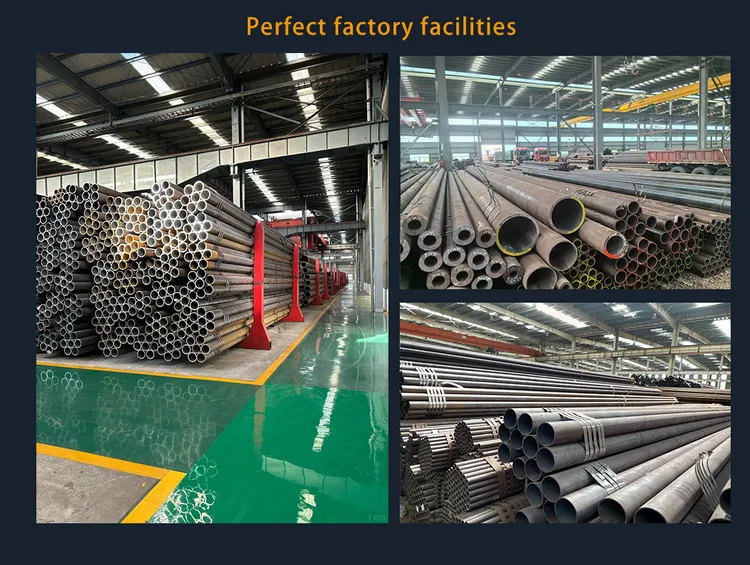
Looking for high-quality CRMO steel for your next manufacturing project? Honyo Prototype offers precision-engineered CRMO steel components tailored to meet strict industry specifications. With our advanced production capabilities and quality control, we ensure consistent performance and reliability.
Our factory is located in Shenzhen, leveraging the region’s robust manufacturing infrastructure to deliver fast turnaround times and cost-effective solutions for clients worldwide.
For inquiries or to request a quote, contact Susan Leo at [email protected]. Let us support your prototyping and production needs with premium CRMO steel materials and expert technical guidance.
🚀 Rapid Prototyping Estimator
Estimate rough cost index based on volume.