
Contents
Manufacturing Insight: Cost Of Steel Per Pound
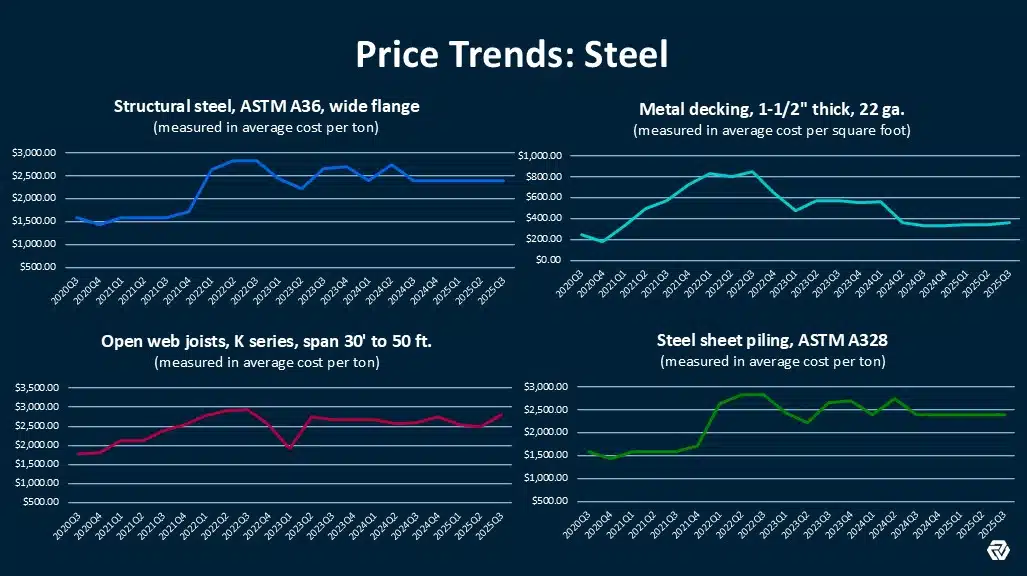
Understanding the current cost of steel per pound is essential for accurate budgeting in precision component manufacturing. However, raw material pricing represents only one variable in the total cost equation for finished machined parts. At Honyo Prototype, our advanced CNC machining services transform this base material cost into exceptional value through optimized processes, tight tolerances, and minimized waste.
Material costs fluctuate based on grade, market conditions, and order volume. Common alloys like 303 or 304 stainless steel, frequently used in high-integrity applications, exhibit specific per-pound pricing trends. Yet the true efficiency driver lies in how effectively that material is converted into your final specification. Our multi-axis CNC milling and turning centers, operated by expert technicians, significantly reduce per-part costs by maximizing material utilization, achieving first-pass yield, and eliminating costly secondary operations. This precision engineering approach ensures the steel cost per pound translates into the lowest possible cost per functional component.
For immediate clarity on your specific project’s economics, leverage Honyo Prototype’s Online Instant Quote platform. Input your part geometry, material selection (including common carbon and stainless steels), and required quantities to receive a detailed, real-time cost breakdown within minutes. This tool accounts for both current material rates and the full scope of precision machining value, empowering faster, data-driven sourcing decisions without traditional RFQ delays. See how our capabilities optimize your total landed cost.
Technical Capabilities
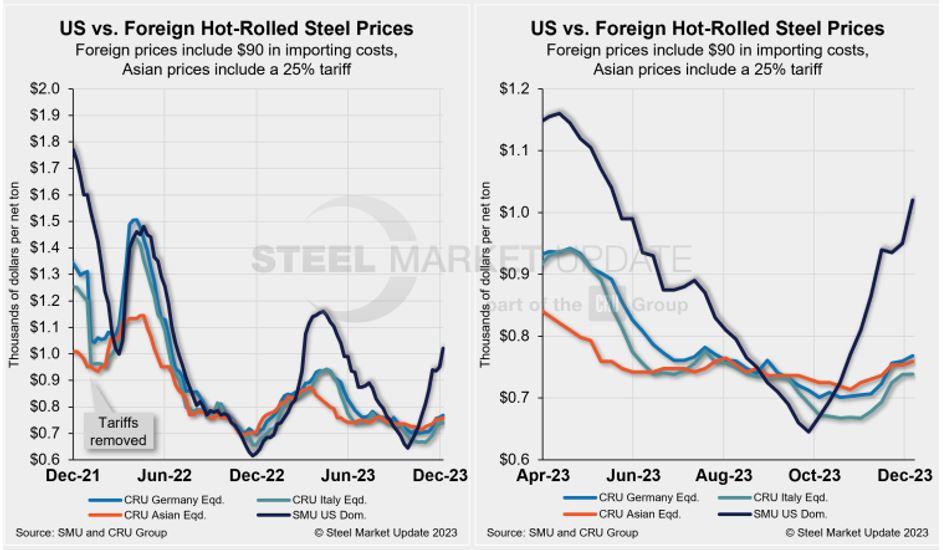
The cost of steel per pound is a foundational metric in precision manufacturing, particularly in 3/4/5-axis milling and turning operations where tight tolerances (±0.0002″ to ±0.001″) are required. This cost influences overall part pricing, especially when factoring in material utilization, machining time, tool wear, and secondary operations. While the base commodity price of steel (e.g., 1018, 4140, stainless 303/316) typically ranges from $0.50 to $2.50 per pound depending on grade and market conditions, the effective cost in high-precision applications increases significantly due to processing complexity.
For comparison, other commonly machined materials—such as aluminum alloys (6061, 7075), engineering plastics (ABS, Nylon), and specialty steels—exhibit varying raw material costs and machining characteristics. Aluminum, though more expensive per pound than mild steel, offers faster machining rates and lower tool wear, reducing overall production cost. Engineering plastics like ABS and Nylon have low raw material costs but may require specialized fixturing and slower feeds/speeds to maintain tight tolerances and surface finish.
Below is a comparison of key technical and cost-related specifications for commonly used materials in precision CNC machining.
| Material | Typical Cost per Pound (Raw) | Machinability Rating | Common Use in 3/4/5-Axis Milling | Turning Suitability | Tight Tolerance Feasibility | Notes |
|---|---|---|---|---|---|---|
| Mild Steel (1018) | $0.50 – $0.80 | 55–60% | Moderate – higher tool wear | High | Yes (with thermal control) | Prone to deflection; requires rigid setups |
| Alloy Steel (4140) | $0.90 – $1.50 | 65% | High – for high-strength parts | High | Yes (slow speeds advised) | Pre-hardened versions increase cost and reduce machinability |
| Stainless Steel (303) | $1.80 – $2.50 | 70% | High – excellent for precision | High | Yes (excellent stability) | Higher cost but good chip breaker performance |
| Aluminum 6061 | $1.00 – $1.40 | 90–100% | Very High – ideal for complex geometries | Very High | Yes (superior thermal conductivity) | Faster cycle times; lower tool wear |
| Aluminum 7075 | $1.80 – $2.20 | 70% | High – for aerospace components | High | Yes (requires stability) | More brittle; prone to cracking if not clamped properly |
| ABS Plastic | $0.80 – $1.20 | 80% | Moderate – for prototypes | Moderate | Limited (thermal expansion) | Low melting point; use sharp tools and low RPM |
| Nylon (PA6/PA66) | $1.00 – $1.60 | 50% | Low – for wear-resistant parts | Moderate | Challenging (moisture absorption) | Requires pre-drying; dimensional stability concerns |
Note: The effective cost per pound in finished components includes raw material cost, machining time, scrap rate, tooling, and inspection. Steels generally require slower cutting speeds, more tool changes, and stricter thermal management during tight tolerance operations, increasing the total cost of ownership despite lower base material prices. In contrast, aluminum’s faster machining offsets its higher raw cost in many 5-axis applications.
From CAD to Part: The Process
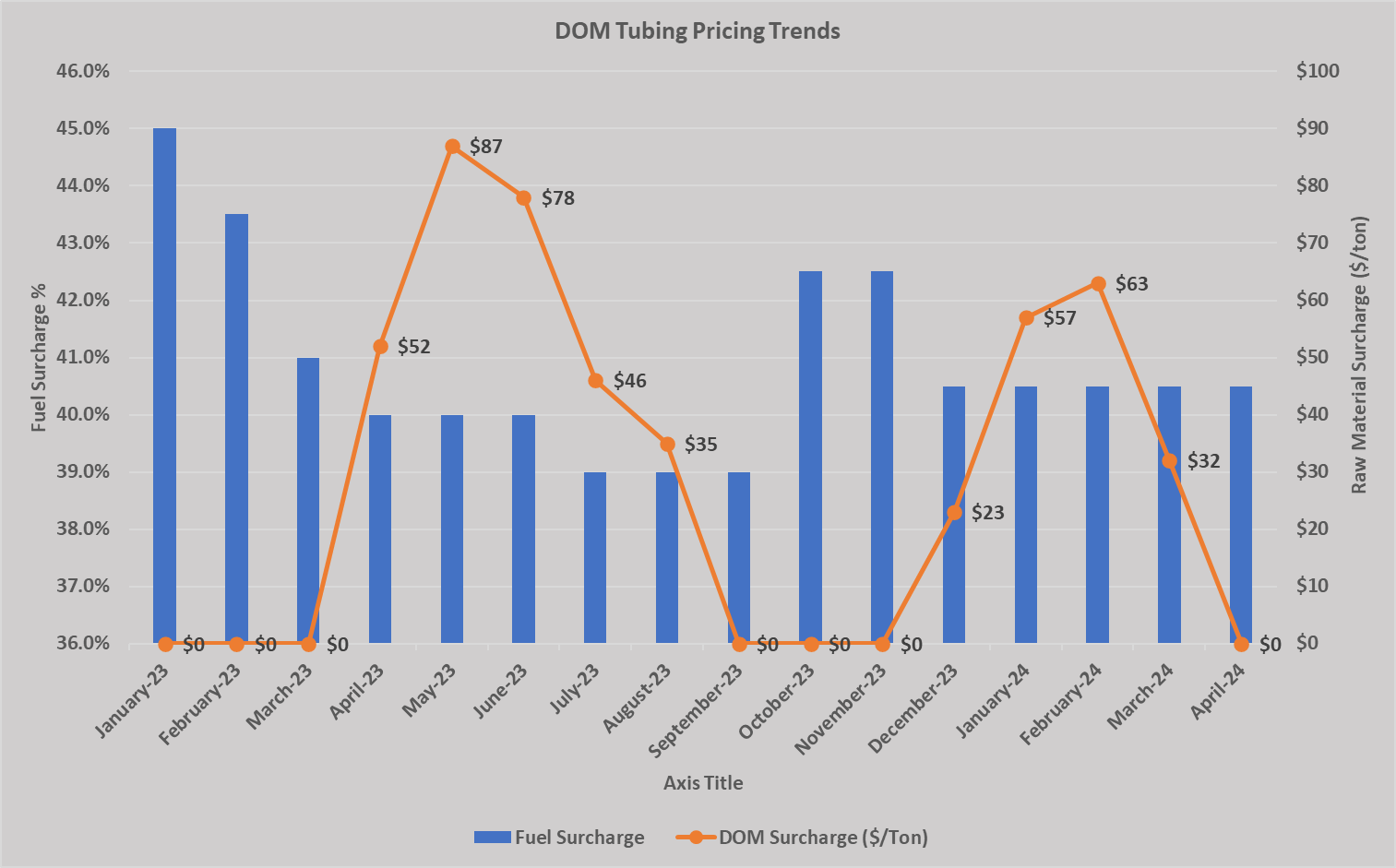
Honyo Prototype calculates the total part cost with steel material as a component, not as an isolated “cost per pound” metric. Raw steel commodity pricing fluctuates daily and does not reflect the actual cost contribution per pound in a manufactured part due to processing, waste, and value-added operations. Our process integrates material cost within the comprehensive unit price as follows:
CAD Upload
Customers submit 3D CAD models in standard formats (STEP, IGES, Parasolid). Our system extracts geometric data including volume, material specifications (e.g., 304 stainless steel, 6061-T6 aluminum), and surface area. Material density converts volume to theoretical net weight, but this excludes machining allowances and scrap.
AI-Powered Quoting Engine
Our proprietary AI analyzes the CAD data alongside real-time material market feeds, historical supplier pricing, and alloy-specific surcharge data. Crucially, it calculates effective material cost per part by:
Applying current bulk purchase rates for the specified alloy
Simulating nesting efficiency for sheet/plate materials
Factoring in industry-standard scrap rates (typically 15-35% for milled parts)
Including handling, storage, and material certification costs
The output is a blended material cost contribution to the total unit price, not a standalone per-pound figure. For example, 304 stainless might carry a $4.20/lb bulk rate, but the effective cost in a complex milled part could be $6.80/lb after scrap and processing.
DFM Integration
During Design for Manufacturability review, our engineers optimize material utilization:
Adjusting part orientation to minimize stock size
Recommending near-net-shape blanks to reduce milling time
Identifying opportunities for waterjet/laser cutting instead of milling
Validating material grade suitability against functional requirements
This phase directly reduces the effective material cost per part by improving yield. A DFM suggestion to change stock size from 1.5″ to 1.25″ bar stock might lower material cost contribution by 18% despite identical net weight.
Production Execution
Actual material consumption is tracked via:
Precise bar stock length measurements before machining
Weighing of scrap bins by material type
Verification of as-built part weight vs. CAD model
Our ERP system records true material cost per part, which consistently exceeds raw commodity rates due to processing losses. Typical effective costs range from 1.3x to 2.1x the base material rate depending on geometry complexity.
Delivery & Cost Transparency
Final invoices show total unit price inclusive of material, labor, overhead, and profit margin. Upon request, we provide a cost breakdown report detailing:
Base material rate used in calculation
Net part weight vs. gross material consumed
Calculated scrap percentage
Material cost as a percentage of total unit price
This demonstrates how design choices impact material efficiency without quoting misleading per-pound steel costs. For instance, a part with 45% scrap will show higher effective material cost than one with 22% scrap—even when using identical steel grades.
Honyo’s methodology ensures customers understand true cost drivers rather than volatile commodity metrics. We focus on reducing the material cost contribution to your unit price through engineering and process optimization, which delivers greater value than tracking fluctuating steel poundage rates.
Start Your Project
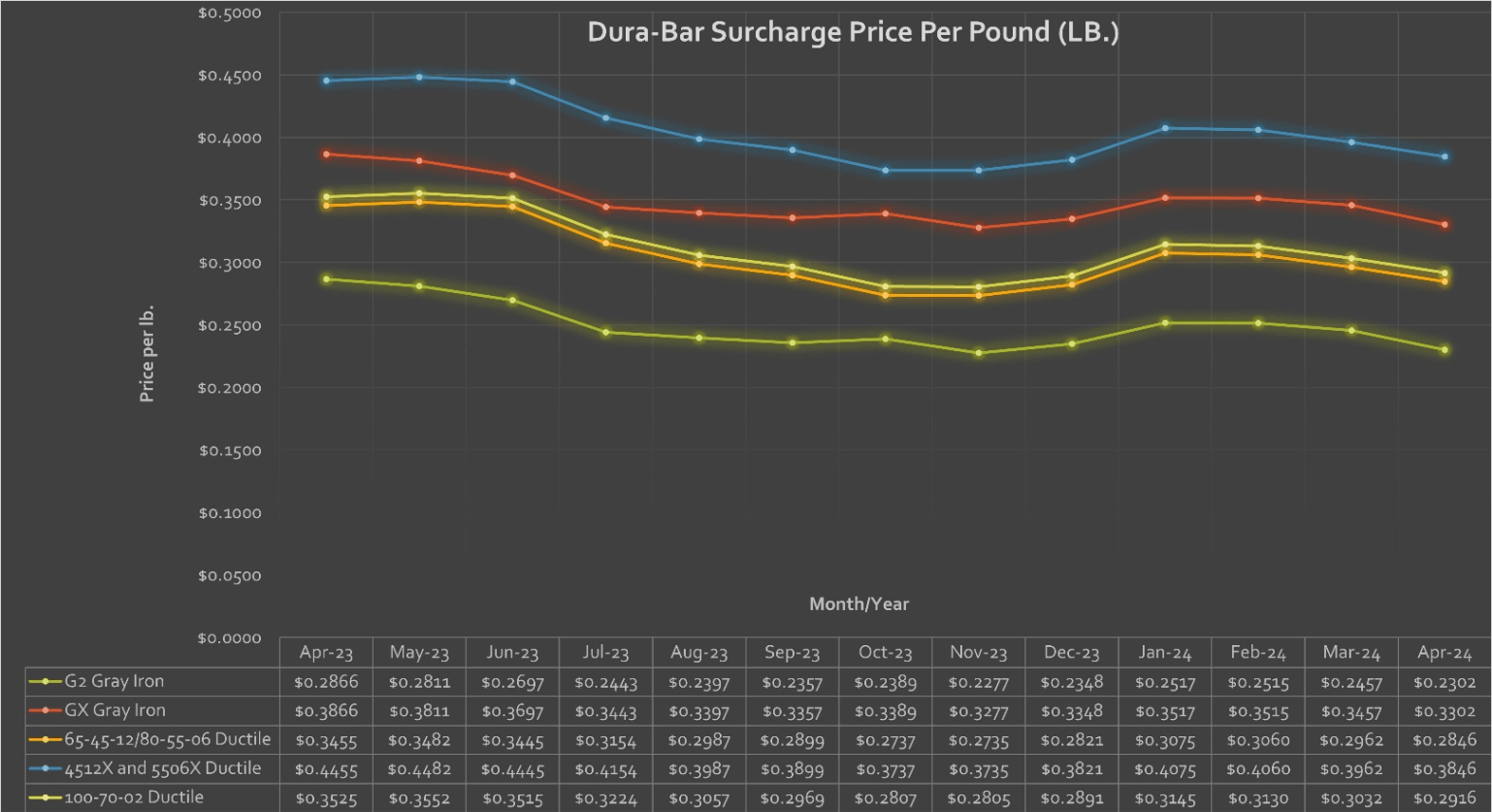
Looking for current pricing on steel per pound for your next project? Get a fast, accurate quote today.
Contact Susan Leo at [email protected] for up-to-date material cost information and prototyping support.
Honyo Prototype’s manufacturing facility is located in Shenzhen, enabling rapid turnaround and direct factory pricing for all your precision manufacturing needs.
🚀 Rapid Prototyping Estimator
Estimate rough cost index based on volume.