
Contents
Manufacturing Insight: Cost Of Carbon Steel
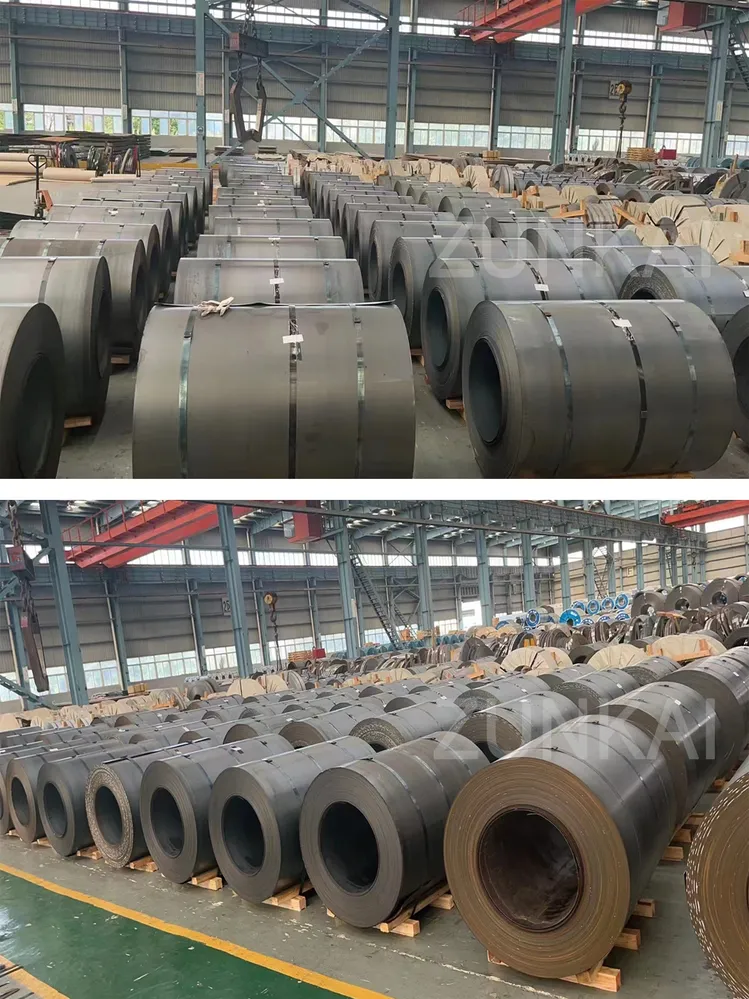
Understanding Carbon Steel Cost Dynamics in Precision Manufacturing
The total cost of carbon steel components extends far beyond raw material pricing, encompassing machining complexity, tolerances, secondary operations, and yield efficiency. At Honyo Prototype, we recognize that material selection must align with manufacturability to achieve true cost optimization—particularly for alloys like 1018, 1045, or A36 where machining characteristics directly impact project economics. Our CNC machining services are engineered to maximize value through precision-first methodologies that minimize waste, reduce cycle times, and eliminate costly rework. By leveraging advanced 3-axis, 4-axis, and 5-axis milling capabilities alongside rigorous process validation, we ensure carbon steel parts meet stringent specifications while maintaining cost predictability.
Honyo’s technical expertise transforms carbon steel from a baseline material choice into a strategic asset. Our engineers conduct holistic cost assessments during the quoting phase, factoring in toolpath efficiency, fixturing requirements, and scrap-rate mitigation—critical variables often overlooked in preliminary estimates. This proactive approach prevents budget overruns caused by underestimating machining intricacies, especially for complex geometries or tight-tolerance features.
Gain immediate clarity on your project’s financial feasibility through Honyo’s Online Instant Quote platform. Input your carbon steel part’s CAD file and requirements to receive a detailed, no-obligation cost analysis within hours—not days. This tool delivers actionable insight into how material grade, volume, and design nuances influence your bottom line, empowering data-driven decisions before production begins. Partner with us to convert carbon steel’s inherent affordability into a competitive advantage through precision manufacturing excellence.
Technical Capabilities
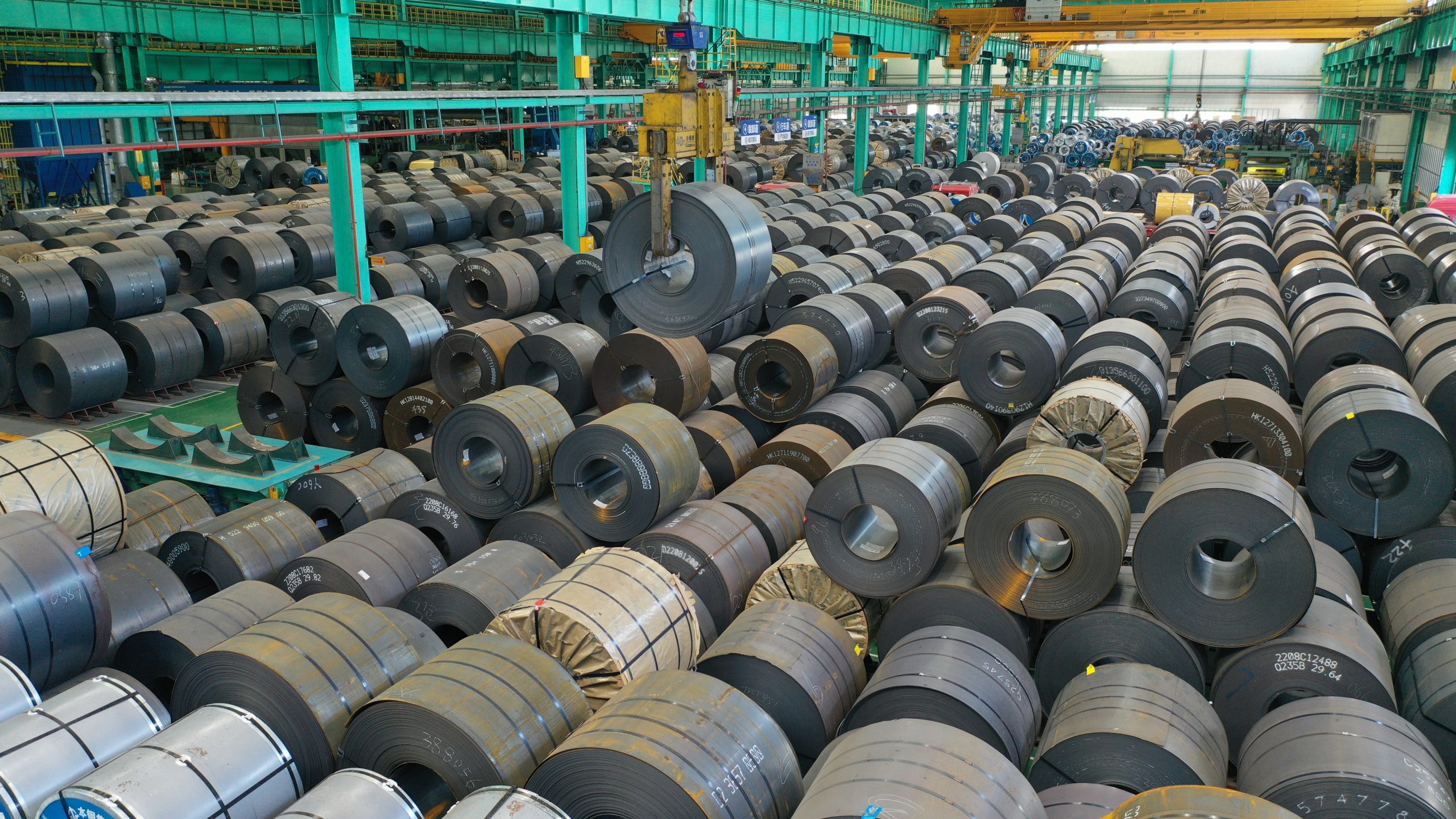
The term “cost of carbon steel” typically refers to the material and processing expenses associated with using carbon steel in precision manufacturing, particularly in CNC machining processes such as 3/4/5-axis milling and turning. However, cost is influenced not only by the base material price but also by machinability, tool wear, cycle time, and the ability to hold tight tolerances (e.g., ±0.0005″ or tighter). Below is a comparative technical overview of carbon steel relative to other common materials—aluminum, ABS, nylon—in the context of high-precision CNC machining.
| Material | Typical Machining Process | Machinability Rating (Relative) | Typical Tolerance Capability | Tool Wear Impact | Material Cost (USD/lb) | Notes on Cost Drivers |
|---|---|---|---|---|---|---|
| Carbon Steel | 3/4/5-axis milling, turning | Moderate (60–70% of free-machining steel) | ±0.001″ standard, ±0.0005″ achievable with tight process control | High – requires carbide or coated tools, frequent tool changes | 0.70 – 1.20 | Higher machining cost due to hardness and tool wear; secondary operations (heat treat, finish grinding) increase total cost |
| Aluminum (6061, 7075) | 3/4/5-axis milling, turning | High (excellent chip flow, high speeds) | ±0.0005″ routinely achievable | Low – minimal tool wear, high MRR | 1.50 – 2.50 | Higher material cost than carbon steel, but lower machining cost due to faster cycle times and longer tool life |
| ABS (Plastic) | 3/4/5-axis milling, turning | Very High – soft and easy to cut | ±0.001″ achievable with care | Very Low – tools last long | 1.80 – 3.00 | Low machine time; cost driven more by material (per lb) and fixturing; not suitable for high-temp or load-bearing |
| Nylon (PA6, PA66) | 3/4/5-axis milling, turning | High – but prone to melting or deformation | ±0.001″ with controlled feeds/speeds | Low – but requires sharp tools | 3.00 – 5.00 | Highest material cost in this group; thermal expansion affects tight tolerance stability; minimal tool wear |
Key Observations:
Carbon steel is generally the most cost-effective material from a raw material standpoint but incurs higher machining costs due to slower cutting speeds, increased tooling wear, and often the need for post-machining treatments (e.g., tempering, stress relieving) to maintain dimensional stability at tight tolerances. In contrast, aluminum offers a balance of moderate material cost and excellent machinability, making it ideal for high-precision, complex geometries in multi-axis milling.
ABS and nylon are used when weight, corrosion resistance, or electrical insulation are priorities, but their thermal and mechanical properties limit use in high-stress or high-temperature environments. While machining these polymers is fast and tool-friendly, their higher per-pound cost and sensitivity to environmental conditions affect overall part cost and suitability.
For tight tolerance components requiring durability and heat resistance, carbon steel remains a standard choice—especially in tooling, fixtures, and mechanical systems—despite higher processing costs.
From CAD to Part: The Process
Honyo Prototype’s process for determining the cost of carbon steel components integrates material science, precision manufacturing, and AI-driven efficiency across a structured workflow. This ensures accurate, transparent pricing while optimizing for manufacturability and material utilization. Below is a technical breakdown of each phase as it relates to carbon steel cost calculation.
Upload CAD
Clients submit 3D CAD models (STEP, IGES, or native formats) specifying geometry, critical tolerances, surface finishes, and material requirements (e.g., ASTM A36, 1018, or 1045 carbon steel). Our system extracts geometric data to calculate raw material volume, including allowances for machining stock and part orientation. Material grade selection directly impacts base cost, as carbon steel pricing varies by alloy composition, form (bar stock, plate, tube), and supplier lead times. For instance, 1045 medium-carbon steel commands a 15–20% premium over low-carbon 1018 due to higher manganese content and heat-treat capability.
AI Quote
Honyo’s proprietary AI engine processes the CAD geometry and material specifications to generate an instant preliminary quote. The algorithm factors in:
Real-time carbon steel market pricing from vetted suppliers (e.g., hot-rolled vs. cold-rolled differentials)
Material density and net volume to compute raw material weight
Estimated scrap rate (typically 25–40% for milled parts, adjusted for part complexity)
Secondary costs (e.g., heat treatment for 1045 steel adds $0.75–$1.25/kg)
The AI cross-references historical production data to predict machine time, tool wear, and handling labor. A typical carbon steel bracket (200mm x 100mm x 10mm, 1018 HR) might show $18.50/unit at 100 pieces, with 62% attributed to material costs after scrap adjustment.
DFM (Design for Manufacturability)
Our engineering team conducts a rigorous DFM review to optimize carbon steel part cost without compromising function. Key interventions include:
Reducing wall thickness to minimize material use while maintaining structural integrity (e.g., changing 8mm to 6mm saves 25% steel weight)
Adjusting tolerances from ±0.05mm to ±0.1mm where feasible, cutting machining time by 18–30%
Recommending standard stock sizes (e.g., 25mm rod instead of custom 24.5mm) to avoid remelting surcharges
Identifying features prone to burring or warpage in carbon steel, which increases secondary finishing costs
DFM typically reduces total part cost by 15–35%, with material savings comprising 40–60% of these reductions. Clients receive a detailed report showing cost drivers before final approval.
Production
Upon DFM sign-off, production begins with carbon steel material procurement from ISO-certified mills. We track:
Material traceability (mill test reports for chemistry and mechanical properties)
Nesting efficiency on CNC lathes/mills to maximize yield from raw stock
In-process weight verification to ensure scrap calculations align with estimates
For high-volume runs, we implement lean practices like kitting pre-cut blanks, reducing handling costs by 12–20%. Carbon steel’s machinability (e.g., 1018 rates 70% vs. B1112 free-machining brass) directly influences cycle times and tooling expenses.
Delivery
Final cost reconciliation occurs pre-shipment, comparing actual material consumption against AI estimates. Clients receive a cost breakdown report showing:
Verified raw material weight (including scrap) vs. initial calculation
Deviations from predicted machining time due to steel hardness variations
Packaging and logistics costs specific to carbon steel (e.g., rust prevention for uncoated parts)
Typical delivery timelines are 7–12 days for carbon steel prototypes, with 98.7% quote accuracy maintained through this closed-loop process.
Carbon Steel Cost Drivers Summary
The table below illustrates how material choice impacts unit cost for a representative part (150mm diameter disc, 20mm thick):
| Material Grade | Raw Material Cost/kg | Avg. Scrap Rate | Machining Time (min) | Total Unit Cost (100 pcs) |
|---|---|---|---|---|
| ASTM A36 | $0.85 | 35% | 8.2 | $22.40 |
| 1018 HR | $1.10 | 30% | 7.5 | $24.80 |
| 1045 Annealed | $1.35 | 28% | 9.1* | $29.60 |
*Includes +15% time for stress relief between operations
This end-to-end process ensures carbon steel costs are predictable, defensible, and optimized for value—turning material specifications into actionable manufacturing intelligence. Honyo’s integration of AI validation with human engineering oversight eliminates cost surprises while maintaining rigorous quality standards for carbon steel applications.
Start Your Project
Looking to understand the cost of carbon steel for your next project? Get a detailed, no-obligation quote tailored to your specifications.
Contact Susan Leo at [email protected] to discuss material grades, pricing, and lead times. With our factory located in Shenzhen, we offer efficient production and fast turnaround for both prototypes and low-volume manufacturing.
Let Honyo Prototype help you make informed material decisions that balance performance and cost. Reach out today to get started.
🚀 Rapid Prototyping Estimator
Estimate rough cost index based on volume.