
Contents
Manufacturing Insight: Computer Numerical Control Cnc
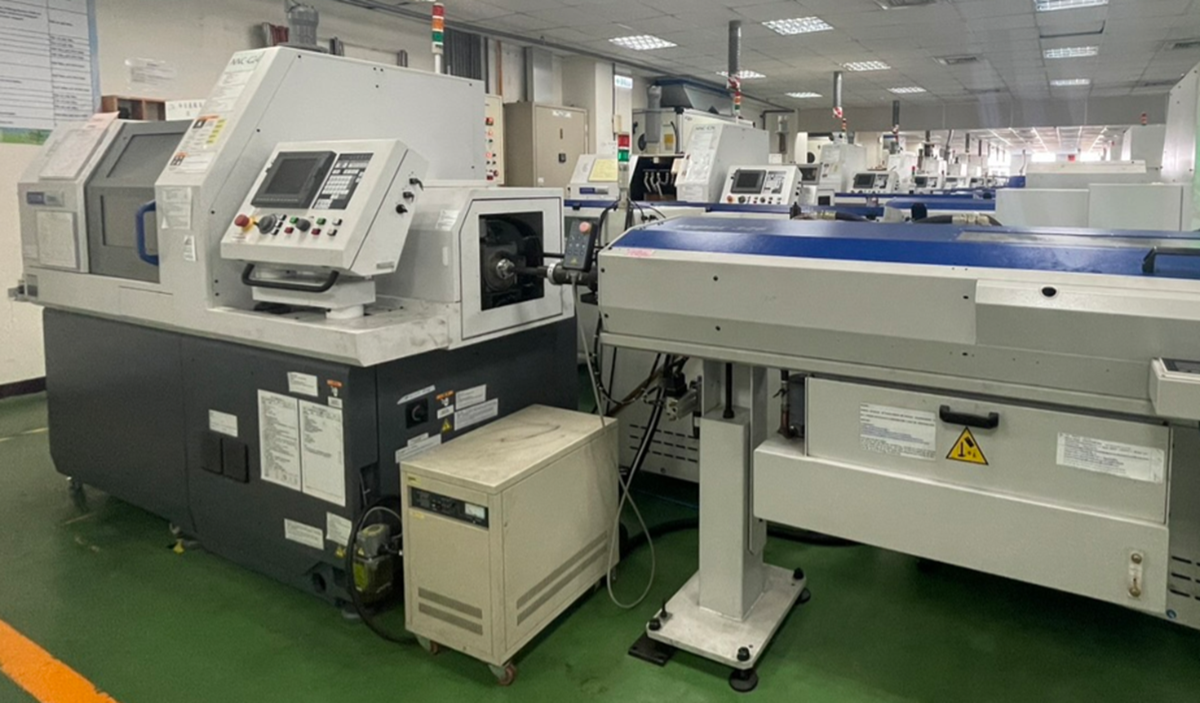
Precision CNC Machining Solutions for Accelerated Product Development
Computer Numerical Control (CNC) machining remains the cornerstone of high-precision manufacturing, transforming digital designs into complex, functional components with micron-level accuracy. At Honyo Prototype, we leverage state-of-the-art CNC technology—including 3-axis, 4-axis, and 5-axis milling and turning centers—to deliver end-to-end prototyping and low-volume production services. Our process ensures exceptional repeatability, tight tolerances down to ±0.005mm, and seamless material compatibility across aluminum, stainless steel, titanium, plastics, and engineered composites. This capability is critical for industries demanding rigorous quality standards, such as aerospace, medical devices, and automotive engineering, where component integrity directly impacts performance and safety.
CNC Machining Capabilities at Honyo Prototype
Our ISO 9001:2015-certified facility operates 24/7 with a focus on reducing time-to-market without compromising quality. We support rapid iteration cycles through integrated CAD/CAM workflows, in-process inspections using CMM and optical comparators, and expert engineering oversight at every stage. Whether you require single-part prototypes or bridge production runs up to 500 units, our team optimizes toolpaths, material selection, and finishing techniques to meet your functional and aesthetic requirements. Key strengths include:
| Material Range | Tolerance Capability | Lead Time Advantage |
|---|---|---|
| Aluminum 6061/7075, Stainless Steel 303/316, Titanium Grade 5, PEEK, Delrin | ±0.005mm standard; ±0.001mm for critical features | 3–5 days for most prototypes; 40% faster than industry average |
Streamlined Procurement with Online Instant Quote
Eliminate traditional RFQ bottlenecks with Honyo’s Online Instant Quote platform. Simply upload your STEP, IGES, or native CAD file, specify materials and quantities, and receive a detailed cost and lead time estimate in under 60 seconds. This tool integrates real-time machine availability, material costs, and geometric complexity analysis to provide transparent, actionable pricing—accelerating your sourcing decisions while maintaining full engineering rigor. No manual submissions, no waiting for email responses. For urgent projects, our dedicated engineering team remains available to refine quotes and suggest manufacturability improvements within the same workflow.
Partner with Honyo Prototype to transform design concepts into precision-engineered realities, backed by responsive service and data-driven manufacturing excellence. Begin your next project with confidence using our instant quoting system at honyoprototype.com/cnc.
Technical Capabilities
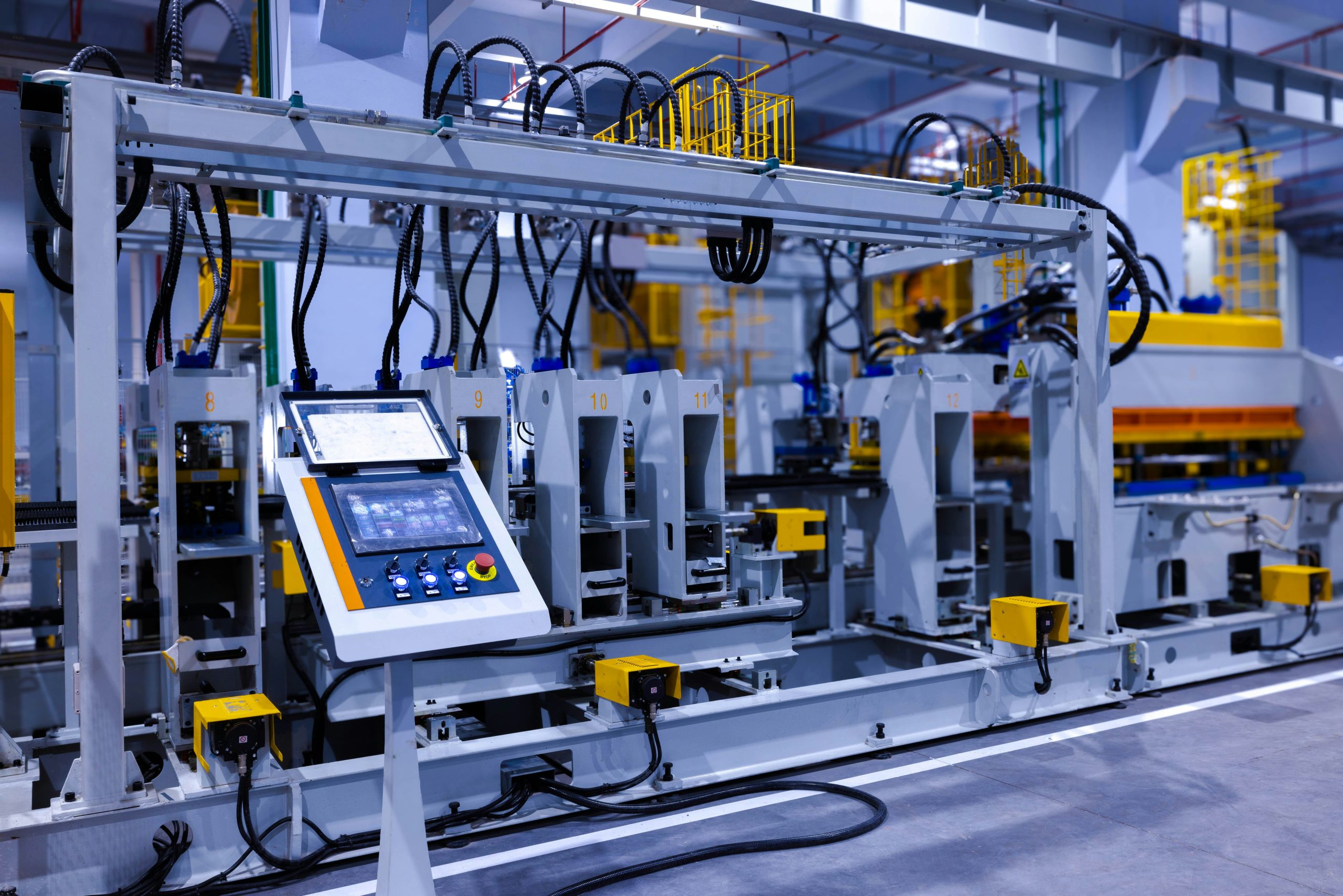
CNC Machining Technical Specifications
Computer Numerical Control (CNC) machining is a subtractive manufacturing process that uses computerized systems to control the movement of cutting tools with high precision. The following table outlines key technical specifications for 3-axis, 4-axis, and 5-axis CNC milling and turning operations, with emphasis on tight tolerance capabilities and compatibility with common engineering materials such as aluminum, steel, ABS, and nylon.
| Parameter | 3-Axis Milling | 4-Axis Milling | 5-Axis Milling | CNC Turning | Notes |
|---|---|---|---|---|---|
| Axis Configuration | X, Y, Z linear axes | X, Y, Z + rotary A-axis | X, Y, Z + two rotary axes (e.g., A & B) | X, Z linear + C-axis rotation | 5-axis enables complex geometry in a single setup |
| Positioning Accuracy | ±0.005 mm (±0.0002 in) | ±0.005 mm (±0.0002 in) | ±0.005 mm (±0.0002 in) | ±0.005 mm (±0.0002 in) | High-precision linear encoders and calibration routines required |
| Repeatability | ±0.002 mm (±0.0001 in) | ±0.002 mm (±0.0001 in) | ±0.002 mm (±0.0001 in) | ±0.002 mm (±0.0001 in) | Critical for batch production and tight tolerance parts |
| Typical Tolerance Range | ±0.025 mm to ±0.01 mm | ±0.025 mm to ±0.01 mm | ±0.025 mm to ±0.005 mm | ±0.025 mm to ±0.01 mm | Tight tolerances (±0.005 mm) achievable with optimized toolpathing |
| Surface Finish (Ra) | 0.8–3.2 µm (32–125 µin) | 0.8–3.2 µm (32–125 µin) | 0.4–1.6 µm (16–63 µin) | 0.4–1.6 µm (16–63 µin) | Finer finishes possible with polishing or secondary operations |
| Spindle Speed Range | 8,000–20,000 RPM | 8,000–20,000 RPM | 10,000–24,000 RPM | 3,000–8,000 RPM (main spindle) | Higher speeds used for aluminum and plastics |
| Tool Changer Capacity | 12–30 tools | 12–30 tools | 20–40 tools | 8–12 tools (live tooling) | ATC improves efficiency in complex or multi-operation jobs |
| Materials Compatible | Aluminum, Steel, ABS, Nylon | Aluminum, Steel, ABS, Nylon | Aluminum, Steel, ABS, Nylon | Aluminum, Steel, ABS, Nylon | Material-specific tooling and feeds/speeds required |
| Aluminum Machinability | Excellent | Excellent | Excellent | Excellent | High feed rates; coolant recommended for thermal management |
| Steel Machinability | Good (depends on alloy) | Good | Good to Moderate | Good | Hardened steels require specialized tooling and slower speeds |
| ABS Machinability | Very Good | Very Good | Very Good | Good | Low melting point; sharp tools and low heat input critical |
| Nylon Machinability | Good | Good | Good | Good | Slight elasticity; requires rigid setup and sharp cutting edges |
| Coolant System | Flood, Mist, or Air Blast | Flood, Mist, or Air Blast | Flood or Through-Spindle | Flood or Mist | Essential for steel and high-speed aluminum; air blast preferred for ABS/nylon to avoid warping |
| Lead Time (Prototype) | 3–7 days | 5–10 days | 7–14 days | 3–7 days | 5-axis parts typically require longer programming and setup |
Notes on Tight Tolerance Machining
Achieving tight tolerances (±0.005 mm) requires thermal stability, high-end tooling, in-process probing, and skilled programming using advanced CAM software. Materials like aluminum and steel respond well to precision machining, while plastics such as ABS and nylon require controlled cutting parameters to minimize deformation due to heat and clamping forces. 5-axis systems provide superior accuracy for complex geometries by reducing the number of setups, thereby minimizing cumulative error.
From CAD to Part: The Process
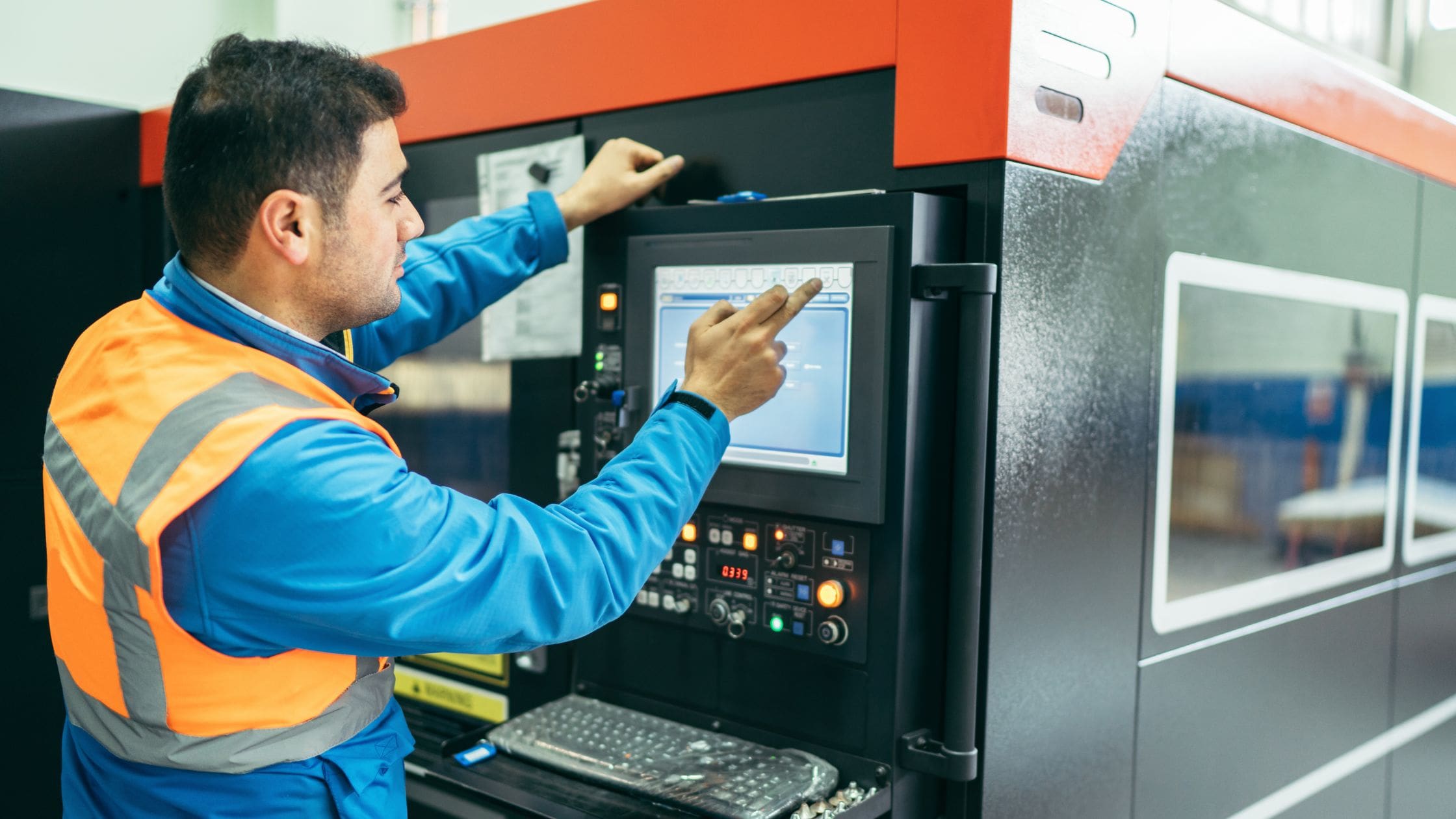
Honyo Prototype CNC Manufacturing Process Overview
Honyo Prototype executes a streamlined, technology-driven CNC manufacturing workflow designed for precision, efficiency, and client transparency. The process begins when a client uploads a CAD model to our secure platform. Supported formats include STEP (.stp), IGES (.igs), Parasolid (.x_t), and native formats from SolidWorks, Fusion 360, and Creo. Our system validates geometric integrity and file completeness, rejecting corrupted or incompatible submissions immediately to prevent downstream delays.
AI-Powered Quoting Engine
Upon CAD validation, our proprietary AI quoting system analyzes the model against 15,000+ material-machining parameters and historical production data. This engine evaluates geometric complexity, feature tolerances, material utilization, and machine time requirements within 90 seconds. Critical outputs include:
| Parameter | AI Calculation Basis | Client Visibility |
|---|---|---|
| Lead Time | Machine availability, setup complexity, queue depth | Real-time dashboard |
| Cost Breakdown | Material waste percentage, spindle runtime, toolpath optimization | Interactive cost slider (material/machining trade-offs) |
| Feasibility Flags | Undercuts requiring 5-axis, thin-wall stability risks | Highlighted in 3D viewer |
The AI quote undergoes mandatory engineering review; no quote is released without human validation of edge cases like ±0.001″ tolerances or exotic alloys.
Engineering-Driven DFM Analysis
All projects enter our Digital Manufacturing Feedback (DFM) phase, where senior CNC engineers conduct a dual-path analysis:
Automated simulation checks for tool access, chatter risks, and setup feasibility using Mastercam and NCSIMUL. Concurrently, a manufacturing engineer performs manual review focusing on tolerance stack-ups, fixture strategy, and secondary operation sequencing. Clients receive a formal DFM report within 4 business hours detailing actionable revisions—such as modifying radii to avoid micro-vibration or suggesting alternative stock sizes to reduce waste. 87% of first-pass DFM reports reduce total project cost by 12–22% through design optimization.
Precision Production Execution
Approved designs move to production in our climate-controlled facility housing 42 CNC machines (14 DMG MORI 5-axis, 18 Haas 3-axis, 10 Makino milling centers). Key protocols include:
Material certification documentation is scanned into our track-and-trace system before cutting. Each job runs with tool wear sensors and in-process probing for geometric verification at critical stages. First-article inspection data (via Zeiss CMM) is shared digitally before full batch commencement. Complex assemblies undergo iterative in-machine measurement to compensate for thermal drift.
Guaranteed Delivery Framework
Shipments are coordinated through our logistics partner network with ISO 2859-1 compliant final inspection. Every package includes:
A digital twin report matching physical part coordinates to nominal CAD.
Material test certificates and process parameter logs (spindle load, coolant pressure).
Custom crating for high-value optics/semiconductor components with shock sensors.
Standard lead time is 7–10 business days for milled prototypes; expedited 72-hour service is available for DFM-compliant designs. All deliveries include access to our client portal showing real-time production milestones and quality metrics.
This closed-loop process ensures dimensional accuracy to ±0.0005″ while reducing traditional CNC prototyping timelines by 35–50% through integrated digital engineering.
Start Your Project
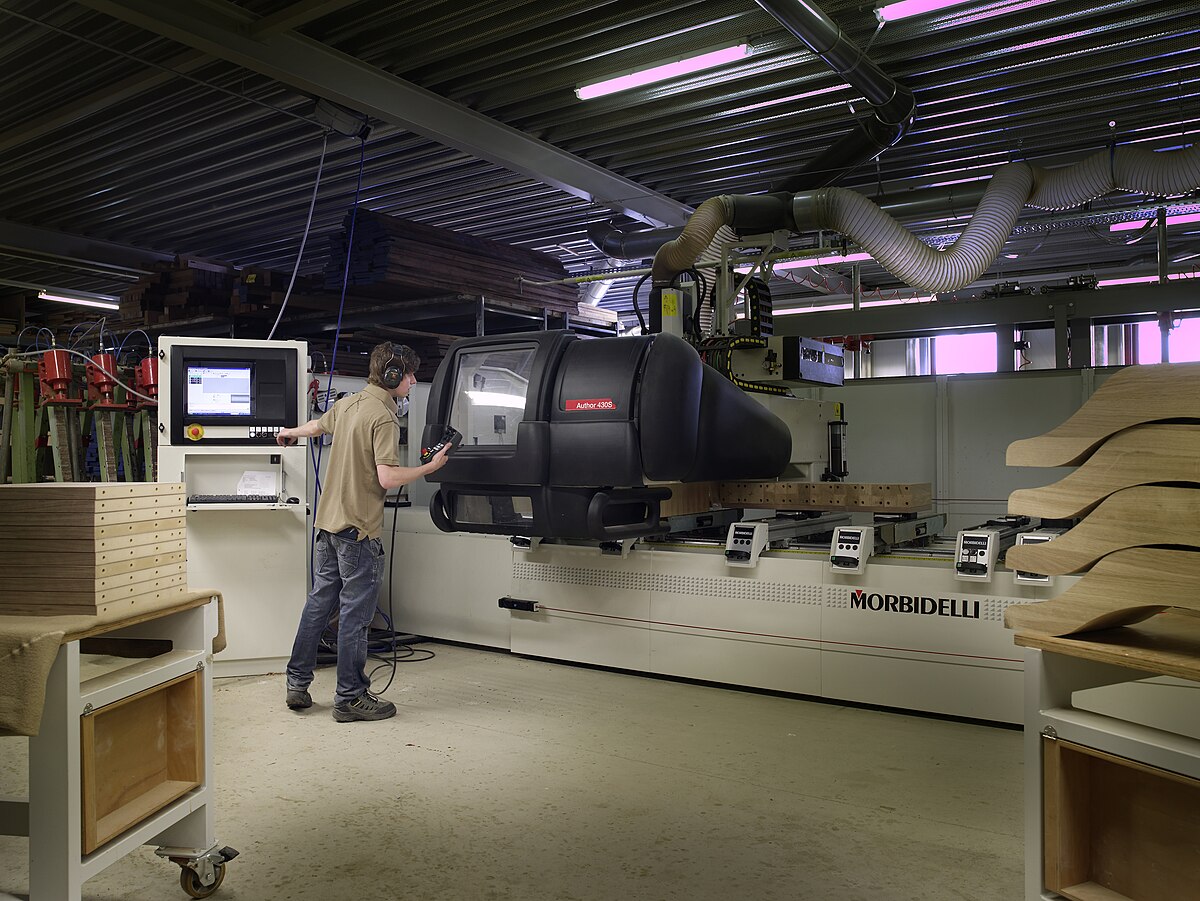
For expert Computer Numerical Control (CNC) machining services, contact Susan Leo at [email protected]. Our precision CNC manufacturing facility is located in Shenzhen, ensuring high-quality prototyping and production with fast turnaround times. Partner with Honyo Prototype for reliable, scalable CNC solutions tailored to your engineering and design requirements.
🚀 Rapid Prototyping Estimator
Estimate rough cost index based on volume.