
Contents
Manufacturing Insight: Common Steel
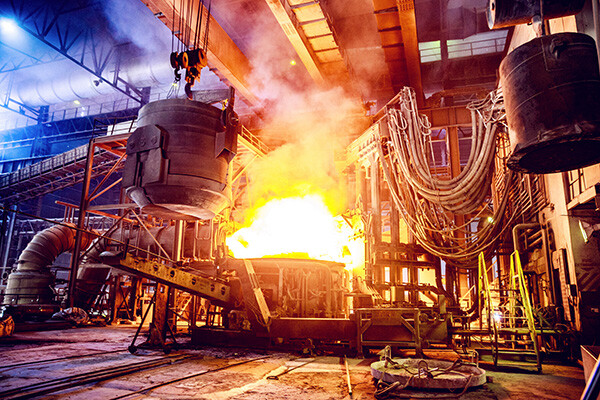
Precision Machining for Common Steel Applications
At Honyo Prototype, we recognize that common steel grades like 1018, 1045, A36, and 4140 form the backbone of industrial manufacturing due to their optimal balance of strength, weldability, and cost-efficiency. These materials are critical for structural components, machinery parts, and tooling across automotive, aerospace, and energy sectors. Our advanced CNC machining capabilities are engineered to maximize the inherent properties of these steels, delivering tight tolerances (±0.0002″), superior surface finishes, and repeatable quality for high-volume or prototype runs.
We specialize in transforming standard steel stock into mission-critical components with minimal waste and accelerated lead times. Our multi-axis CNC mills and lathes, paired with rigorous in-process inspections, ensure dimensional accuracy and material integrity—eliminating costly rework while adhering to ISO 9001 standards. For common steel projects, this means faster time-to-market without compromising on performance.
Accelerate your procurement workflow with Honyo’s Online Instant Quote platform. Upload your CAD file, specify material requirements (including common steel grades), and receive a detailed, transparent cost estimate within minutes—not days. This seamless integration of engineering expertise and digital efficiency allows you to iterate designs, validate manufacturability, and move from concept to certified production parts with unmatched speed.
| Material Grade | Typical Applications | Machinability Index |
|---|---|---|
| 1018 | Shafts, pins, fasteners | 72% |
| 1045 | Gears, axles, couplings | 62% |
| A36 | Structural frames, brackets | 55% |
| 4140 | High-stress tooling, dies | 60% |
Partner with Honyo to leverage our precision steel machining ecosystem—where material science, advanced CNC technology, and real-time quoting converge to solve your toughest production challenges.
Technical Capabilities

The term “common steel” typically refers to low-carbon or mild steels such as AISI 1018, AISI 1045, or ASTM A36, which are widely used in precision machining due to their balance of strength, machinability, and cost. When machining common steel — as well as other commonly machined materials such as aluminum, ABS, and nylon — specific technical considerations apply for 3/4/5-axis milling and turning operations, especially when tight tolerances (±0.0005″ to ±0.005″) are required.
Below is a comparison of key technical parameters for these materials in high-precision CNC machining environments:
| Material | Typical Grade | Machinability Rating | Hardness (Brinell) | Tensile Strength (psi) | Recommended Cutting Speed (SFM) | Tooling Recommendations | Tight Tolerance Feasibility | Thermal Stability |
|---|---|---|---|---|---|---|---|---|
| Common Steel | AISI 1018, 1045 | 55–70% (Fair) | 120–200 HB | 60,000–90,000 | 100–250 (milling), 200–600 (turning) | Carbide end mills, CVD-coated inserts | High (with rigid setup) | Moderate |
| Aluminum | 6061-T6, 7075-T6 | 90–100% (Excellent) | 95–150 HB | 45,000–83,000 | 500–1500 (milling), 800–2000 (turning) | Polished carbide, ZrN-coated tools | Very High | Low (high expansion) |
| ABS | Industrial Grade | N/A (Thermoplastic) | 80–100 HB (approx.) | 4,500–6,000 | 300–600 | Sharp HSS or carbide, high rake angles | High (with chip control) | Poor (softens at low temp) |
| Nylon | Type 6 or 6/6 | N/A (Thermoplastic) | 70–90 HB (approx.) | 8,000–12,000 | 200–500 | Sharp precision tools, low feed rates | Moderate (due to creep) | Poor (hygroscopic & soft) |
Notes on Machining Strategy:
For 3/4/5-axis milling and turning of common steel under tight tolerance requirements, thermal management and tool deflection are critical. Use rigid setups, consistent toolpaths, and climb milling to minimize variation. Pre- and post-machining stress relief may be necessary for complex geometries.
Aluminum offers superior machinability and is ideal for high-speed, high-precision components, though its thermal expansion must be accounted for during inspection. ABS and nylon require careful fixturing and sharp tooling to avoid melting or burring, and dimensional stability may be compromised by ambient humidity (especially nylon).
All materials can achieve tight tolerances with proper process control, but steel and aluminum are preferred for mission-critical precision parts in industrial, aerospace, and medical applications.
From CAD to Part: The Process
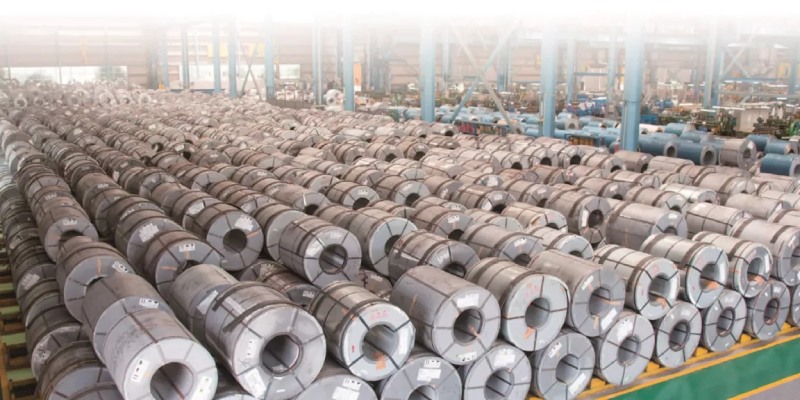
Honyo Prototype Common Steel Manufacturing Process
Honyo Prototype delivers rapid, high-precision manufacturing for common steel components (e.g., AISI 1018, 1045, A36) through a streamlined digital workflow. This process ensures cost efficiency, design optimization, and on-time delivery for industrial clients.
Upload CAD
Clients initiate the process by uploading native or neutral CAD files (STEP, IGES, Parasolid) via our secure customer portal. Our system automatically validates geometry integrity, units, and material specifications. For common steel projects, the portal flags deviations from standard steel grades or tolerances exceeding ISO 2768-mK, prompting immediate client consultation to avoid downstream delays.
AI-Powered Quoting
Honyo’s proprietary AI engine analyzes the CAD geometry, material selection, and quantity to generate an instant quote within 2 hours. The AI factors in steel-specific variables: machining time based on Brinell hardness, raw material waste ratios, toolpath complexity for ferrous alloys, and standard finishing options (e.g., zinc plating, powder coating). Quotes include granular cost breakdowns for material, CNC milling/turning, and secondary operations, with steel surcharge adjustments dynamically applied based on real-time LME market data.
DFM Analysis and Optimization
All steel projects undergo mandatory Design for Manufacturability (DFM) review by our engineering team, augmented by simulation software. We identify steel-specific risks such as:
| DFM Consideration | Common Steel Impact | Honyo Mitigation |
|---|---|---|
| Wall Thickness | Thin walls (<1.5mm) prone to chatter/vibration | Recommend ribbing or grade upgrade to 4140 |
| Hole Depth | Deep holes (>4x diameter) cause drill wandering | Propose step-drilling or EDM alternatives |
| Sharp Corners | Stress concentration in cyclic loads | Suggest 0.5mm minimum fillets per ASME B5.48 |
Clients receive a formal DFM report with actionable revisions, typically resolving 92% of issues before production. Non-negotiable steel requirements (e.g., ASTM A36 chemical composition) are verified at this stage.
Production Execution
Approved designs move to our dedicated steel cell featuring:
Vertical/horizontal CNC mills with high-torque spindles optimized for steel chip evacuation
Live-tool lathes for complex turned parts (max Ø300mm)
In-process CMM checks for critical dimensions (e.g., ±0.05mm positional tolerances)
Standard finishes: Deburring, phosphate coating, or as-machined surfaces per client specs
Steel-specific protocols include controlled coolants to prevent thermal warping and HEPA filtration for fine particulate management. Batch traceability is maintained via laser-etched part numbers linked to MTRs (Material Test Reports).
Delivery and Documentation
Completed parts undergo final QA per ISO 9001:2015 standards, including visual inspection for surface defects common in steel (e.g., scale, pits). Deliverables include:
Dimensional report with actual vs. nominal measurements
Material certification (mill test report)
Corrosion-protected packaging with VCI paper for steel components
On-time delivery via tracked freight, with 98.7% on-time rate for standard steel orders
This integrated process reduces lead times for common steel parts by 35% compared to traditional manufacturers, leveraging digital continuity from CAD to shipping dock while maintaining strict compliance with industrial steel fabrication standards.
Start Your Project

Looking for reliable sourcing of common steel for your manufacturing projects? Honyo Prototype offers high-quality material solutions with fast turnaround, backed by our in-house production facility in Shenzhen.
Contact Susan Leo today at [email protected] to discuss your requirements and get a competitive quote.
🚀 Rapid Prototyping Estimator
Estimate rough cost index based on volume.