
Contents
Manufacturing Insight: Collet Chuck For Cnc Lathe
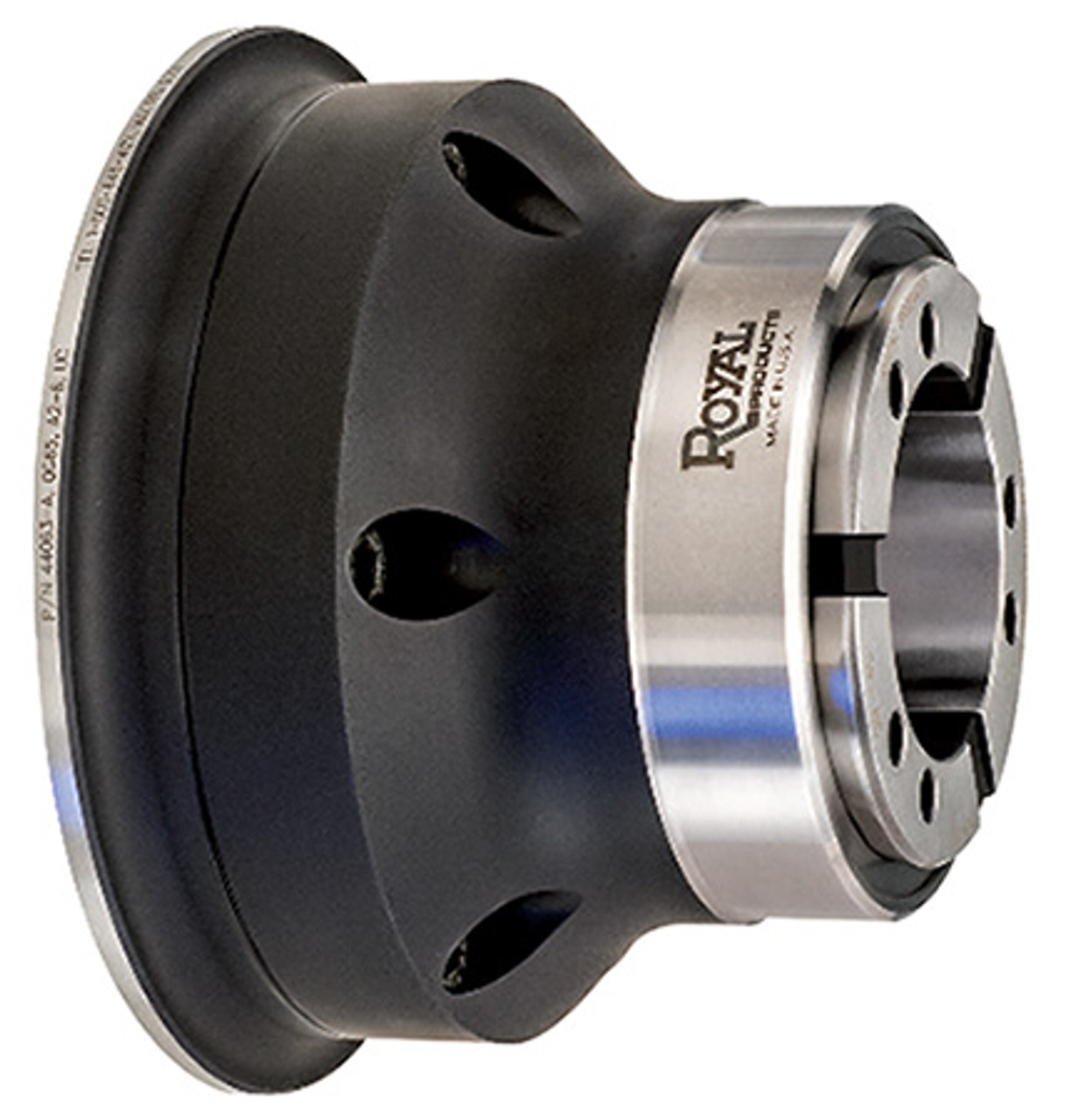
Precision Collet Chucks: The Foundation of CNC Lathe Performance
Achieving micron-level accuracy and repeatability in CNC turning operations hinges on a critical yet often overlooked component: the collet chuck. These precision-engineered workholding solutions directly impact part concentricity, surface finish, and overall process stability. Substandard collet chucks introduce runout, accelerate tool wear, and compromise first-pass yield—translating to costly rework and production delays. At Honyo Prototype, we specialize in manufacturing high-integrity collet chucks engineered to stringent aerospace, medical, and industrial specifications. Our CNC machining expertise ensures optimal grip force, thermal stability, and geometric accuracy, directly enhancing your lathe’s capability to hold tight tolerances consistently.
Beyond collet chucks, Honyo Prototype delivers comprehensive CNC machining services for complex, high-mix production and rapid prototyping. We leverage advanced 5-axis milling, Swiss turning, and multi-tasking platforms to produce mission-critical components from exotic alloys, composites, and engineered plastics. Our AS9100-certified facility integrates in-process CMM validation, real-time tool monitoring, and rigorous material traceability—guaranteeing compliance with ISO 2768-mK and customer-specific quality protocols. This end-to-end control minimizes supply chain risk while accelerating time-to-market for demanding applications.
Eliminate quoting bottlenecks with Honyo’s Online Instant Quote platform. Upload your STEP or IGES files to receive a detailed manufacturability analysis, lead time projection, and competitive pricing within minutes—not days. This seamless digital workflow empowers engineering teams to iterate designs faster and procurement specialists to secure reliable capacity without traditional quotation delays. Whether you require a single precision collet chuck for validation or a full production run of mission-critical components, Honyo Prototype combines technical depth with agile responsiveness to keep your operations running at peak efficiency.
Technical Capabilities
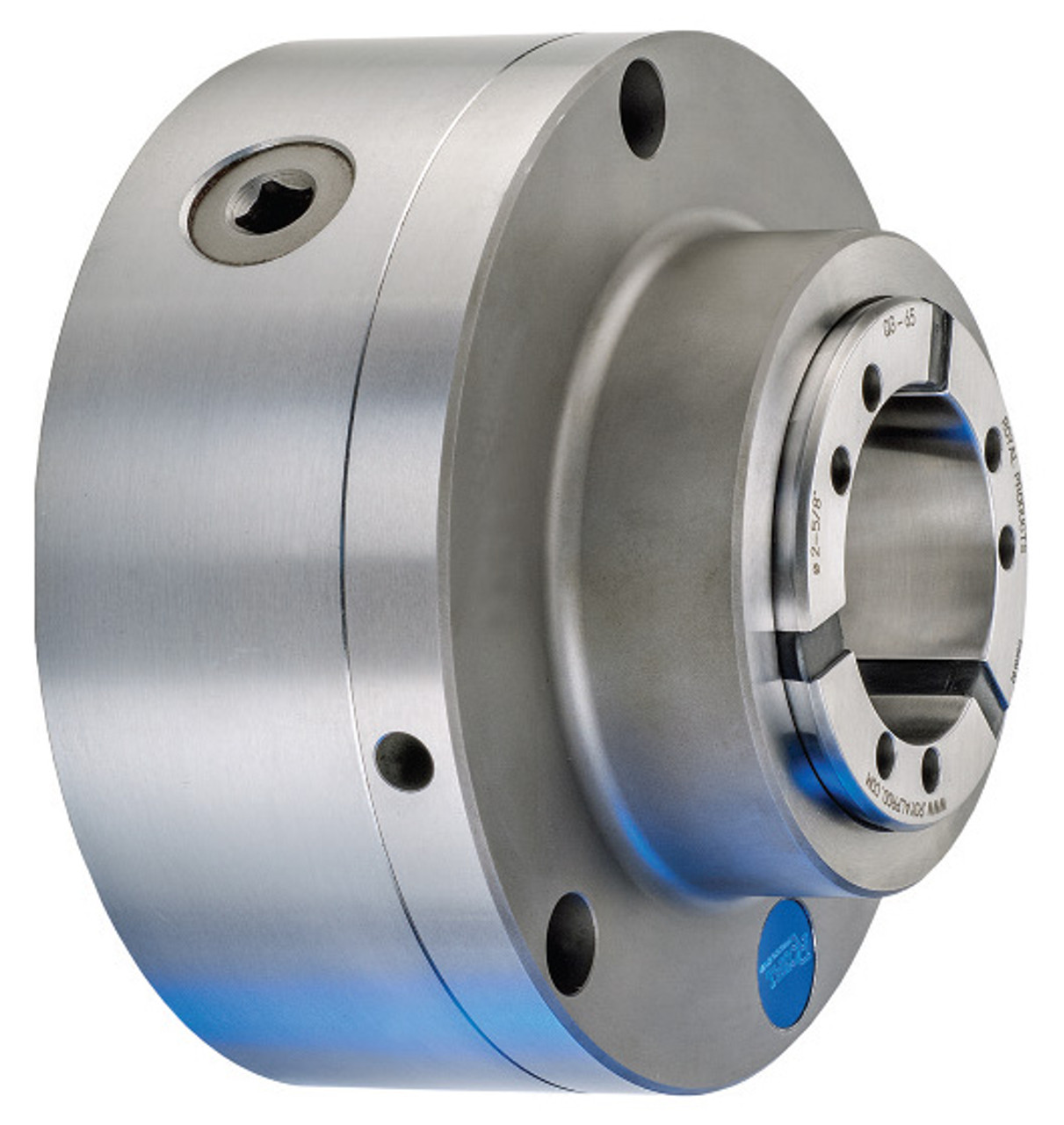
Collet chucks for CNC lathes are precision workholding devices designed to securely hold cutting tools or workpieces during machining operations. They are especially critical in applications requiring tight tolerances, such as those found in 3-, 4-, and 5-axis milling and turning centers. These chucks provide high concentricity, minimal runout, and excellent gripping force, making them ideal for high-precision manufacturing across a range of materials including aluminum, steel, ABS, and nylon.
The performance of a collet chuck is influenced by its design, material compatibility, and integration with CNC systems. Below is a technical specification table outlining key parameters relevant to high-precision collet chucks used in multi-axis CNC environments.
| Parameter | Specification / Detail |
|---|---|
| Chuck Type | ER, 5C, TG, or R8 collet system (ER25, ER32 most common for precision turning/milling) |
| Compatible Machines | CNC Lathes, 3/4/5-Axis Mill-Turn Centers, Swiss-type Lathes |
| Collet Size Range | Typically 1–13 mm (ER20), 1–16 mm (ER25), 1–20 mm (ER32); custom sizes available |
| Maximum RPM Rating | Up to 25,000 RPM (depends on balance grade and collet condition) |
| Runout Accuracy | ≤ 0.005 mm (0.0002″) at chuck face under proper installation |
| Clamping Force | 20–50 kN (varies by collet size and drawbar mechanism) |
| Taper Accuracy | Ground to ISO 2768 or DIN 6499 standards; precision-ground for minimal eccentricity |
| Material – Chuck Body | Pre-hardened tool steel (e.g., 4140, 8620) or high-strength alloy steel with heat treatment |
| Material – Collet | Spring steel (e.g., 6150) with heat treatment for wear resistance and elasticity |
| Surface Treatment | Optional black oxide, nitriding, or phosphate coating for corrosion resistance |
| Compatibility – Workpiece Materials | Aluminum (soft/hard alloys), Steel (mild, stainless, tool steel), ABS, Nylon (with reduced clamping force) |
| Clamping Method | Drawbar-actuated or hydraulic/pneumatic expansion (for high-speed applications) |
| Balance Grade | G2.5 at 15,000 RPM or better (critical for 5-axis high-speed machining) |
| Repeatability | ±0.002 mm (±0.0001″) over 100+ insertions with proper maintenance |
| Thermal Stability | Designed for minimal thermal growth; suitable for continuous operation |
| Mounting Interface | ISO, CAT, BT, HSK, or direct spindle nose (depending on machine integration) |
Collet chucks maintain optimal performance when matched to the workpiece and cutting tool material. For softer materials like aluminum, ABS, and nylon, reduced clamping force is often used to prevent deformation while still maintaining positional accuracy. In steel machining, higher clamping forces ensure rigidity during aggressive cuts.
These chucks are essential in tight-tolerance production environments where consistency across multi-axis operations is required. Proper maintenance, including regular cleaning and inspection for wear, ensures long service life and sustained precision.
From CAD to Part: The Process
Honyo Prototype delivers precision collet chucks for CNC lathes through a rigorously controlled engineering-to-manufacturing workflow designed for accuracy, speed, and reliability. This process specifically addresses the critical tolerances, material properties, and functional requirements inherent in collet chuck applications where grip force consistency and concentricity are paramount.
Upon receiving a client’s CAD model for a collet chuck, our system initiates the AI Quote phase. This is not a simple automated pricing tool but an integrated analysis engine cross-referencing the CAD geometry against our production capabilities, current machine utilization, material databases, and historical cost factors. The AI evaluates key parameters such as collet taper angle (typically 16° or 30°), slot geometry, jaw profile complexity, material grade (e.g., 4140, 8620, H13 tool steel), and required surface finishes. Within 2 hours, clients receive a detailed quotation including precise lead time estimates, material certification options, and a preliminary manufacturability flag if critical features approach machine limits.
The Design for Manufacturability (DFM) review follows immediately after quote acceptance. Our senior manufacturing engineers conduct a deep technical analysis focusing on collet-specific challenges:
Verification of taper geometry compatibility with standard collet nuts and spindle noses
Assessment of slot width and depth relative to material ductility to prevent fracture during compression
Analysis of jaw profile radii and lead-in angles for optimal workpiece seating
Confirmation of heat treatment sequencing to avoid distortion in thin-walled sections
Optimization of machining sequences to maintain concentricity between the gripping surface and mounting diameter
This phase generates a formal DFM report with actionable recommendations, such as minor radius adjustments to reduce stress concentrations or suggestions for pre-hardening machining stages. Client engineering teams collaborate with our DFM specialists to resolve any conflicts before proceeding.
Production leverages our dedicated precision machining cells equipped with high-torque live-tooling CNC lathes and Swiss-type machines capable of sub-0.001″ tolerances. Collet chuck manufacturing follows this sequence:
Material is sourced from certified mills with full traceability; 4140 chrome-molyb steel is commonly used for standard applications requiring good wear resistance and toughness. Machining begins with precision turning of the outer diameter and mounting features, followed by specialized operations to create the critical internal taper and slot geometry using custom-ground tooling. Wire EDM may be employed for complex slot patterns requiring zero taper. All parts undergo stress relief before final heat treatment (typically 28-32 HRC for standard collets) to minimize distortion. Post-heat treatment, the gripping surface and critical diameters are ground to achieve 0.0002″ TIR concentricity. Each collet undergoes functional testing with master gauges verifying taper engagement and grip force consistency across the full travel range.
Delivery incorporates stringent quality documentation and logistics management. Final inspection includes CMM verification of all critical dimensions, surface roughness checks on gripping surfaces, and hardness testing. Clients receive a comprehensive quality package with material certs, heat treat reports, and first-article inspection data. Standard lead times for collet chucks are maintained through dedicated capacity allocation:
| Order Complexity | Typical Lead Time | Key Variables |
|---|---|---|
| Standard Collet (e.g., 5C, R8) | 10-14 business days | Material availability, coating requirements |
| Custom Profile Collet | 14-21 business days | Jaw geometry complexity, special material grades |
| High-Precision Collet (±0.0005″ TIR) | 18-25 business days | Additional grinding stages, specialized metrology |
All shipments include serialized traceability tags and real-time logistics tracking via our client portal. We maintain a 99.2% on-time delivery rate for collet chuck orders through buffer stock of common materials and dynamic production scheduling. This integrated process ensures clients receive functionally validated collet chucks meeting ISO 2768-mK geometric tolerances with documented performance characteristics critical for unattended machining operations.
Start Your Project
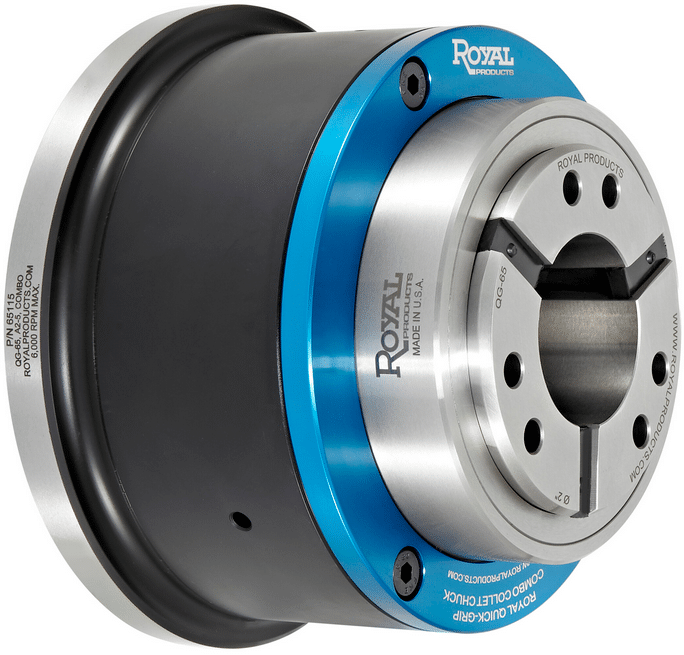
Upgrade your CNC lathe performance with our high-precision collet chuck, engineered for secure gripping, optimal concentricity, and fast setup times. Ideal for high-volume and precision machining applications.
Manufactured at our ISO-certified facility in Shenzhen, China, our collet chucks are built to meet strict quality standards for durability and performance.
For inquiries or to request a quote, contact Susan Leo at [email protected].
🚀 Rapid Prototyping Estimator
Estimate rough cost index based on volume.