
Contents
Manufacturing Insight: Cold Rolled Steel And Hot Rolled Steel
Material Selection Expertise for Precision CNC Machined Components
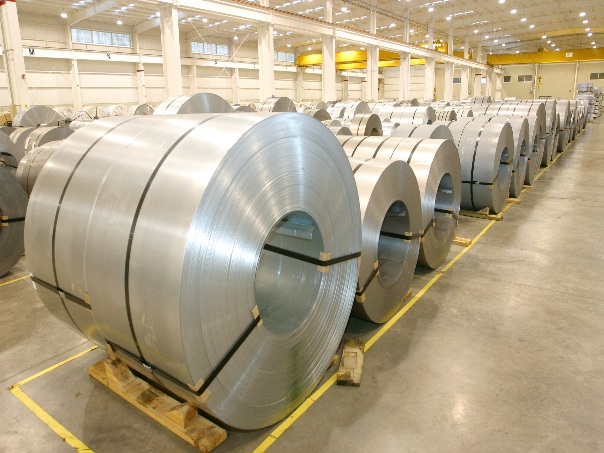
Understanding the critical differences between cold rolled steel and hot rolled steel is fundamental to achieving optimal results in CNC machining applications. At Honyo Prototype, our engineering team leverages deep material science knowledge to guide clients toward the ideal substrate for their specific functional, dimensional, and cost requirements. Cold rolled steel offers superior surface finish, tighter dimensional tolerances, and enhanced strength due to its controlled room-temperature processing and annealing. This makes it the preferred choice for precision components requiring exacting geometries, smooth interfaces, or aesthetic finishes. Conversely, hot rolled steel provides cost-effective structural integrity for larger, less dimensionally critical parts, though its characteristic mill scale and slightly oval cross-sections necessitate careful machining process adjustments to achieve target specifications.
| Property | Cold Rolled Steel | Hot Rolled Steel | CNC Machining Implication |
|---|---|---|---|
| Surface Condition | Smooth, scale-free | Rough, with mill scale | Cold rolled reduces pre-machining cleaning steps |
| Dimensional Tolerance | ±0.005″ (typical) | ±0.030″ (typical) | Cold rolled enables tighter final tolerances |
| Grain Structure | Uniform, refined | Coarse, directional | Cold rolled minimizes tool wear and chatter |
| Cost Efficiency | Higher material cost | Lower material cost | Hot rolled optimal for non-critical bulk features |
| Typical Applications | Gears, shafts, precision brackets | Frames, brackets, structural supports | Material choice directly impacts part performance |
Honyo Prototype’s CNC machining services are engineered to maximize the inherent advantages of both material types. Our advanced 3-, 4-, and 5-axis milling and turning centers, coupled with rigorous in-process metrology, ensure consistent adherence to GD&T standards regardless of substrate. We implement tailored cutting strategies—adjusting speeds, feeds, and toolpaths to manage thermal loads in hot rolled steel or maintain surface integrity in cold rolled variants—delivering parts that meet exact engineering intent on time.
Accelerate your prototyping and low-volume production with Honyo’s Online Instant Quote system. Input your CAD file, specify material (including cold rolled 1018, 1045 or hot rolled A36), and receive a detailed technical assessment with pricing and lead time within hours—not days. This platform integrates our material expertise directly into your sourcing workflow, ensuring manufacturability feedback before project commitment. Partner with Honyo Prototype for CNC machining where material intelligence drives precision, repeatability, and rapid time-to-part.
Technical Capabilities
Technical Specifications for Cold Rolled Steel and Hot Rolled Steel in Precision Machining Applications
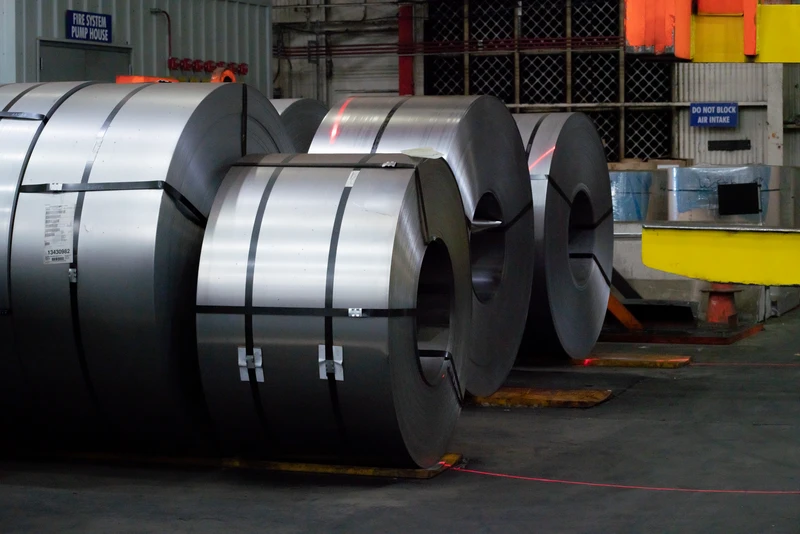
Cold rolled steel and hot rolled steel are commonly used in precision CNC machining processes such as 3-axis, 4-axis, and 5-axis milling, as well as turning operations. These materials differ in mechanical properties, surface finish, dimensional accuracy, and suitability for tight tolerance applications. Below is a comparative overview focused on machining performance, particularly for high-precision components.
| Property / Material | Cold Rolled Steel (CRS) | Hot Rolled Steel (HRS) | Aluminum (e.g., 6061-T6) | Steel (General Machinability) | ABS (Acrylonitrile Butadiene Styrene) | Nylon (Polyamide) |
|---|---|---|---|---|---|---|
| Forming Process | Cold working after hot rolling | Rolled at high temperature (>1700°F) | Extruded or cast billet | Varies (CRS, HRS, alloy steel) | Injection molded or extruded | Extruded or cast |
| Tensile Strength (Typ.) | 500–850 MPa | 400–550 MPa | 310 MPa | 400–900 MPa | 40–50 MPa | 70–85 MPa |
| Yield Strength (Typ.) | 350–700 MPa | 250–350 MPa | 275 MPa | 250–700 MPa | 30–40 MPa | 50–70 MPa |
| Hardness (Brinell) | 120–200 HB | 100–150 HB | 95 HB | 120–250 HB | 80–100 HB | 80–100 HB |
| Surface Finish (As-Machined) | Smooth, consistent; Ra ~1.6–3.2 µm | Rougher scale; Ra ~6.3–12.5 µm (requires cleaning) | Excellent; Ra ~0.8–1.6 µm | Good (CRS); Fair (HRS) | Very good; Ra ~0.8–3.2 µm | Good; prone to burring |
| Dimensional Accuracy | High (±0.025 mm typical) | Lower (±0.25 mm typical); prone to warping | High (±0.012 mm) | High (CRS); Moderate (HRS) | High (if stress-relieved) | Moderate (hygroscopic) |
| Machinability (Relative) | Good (free-machining grades available) | Fair (scale abrasive to tooling) | Excellent (high MRR, low tool wear) | Moderate (varies by alloy) | Excellent | Good (requires sharp tools) |
| Tight Tolerance Suitability | Excellent for ±0.005 mm or tighter | Poor to fair; not recommended for tight tolerances | Excellent (stable, low distortion) | Excellent (CRS), Poor (HRS) | Good (if annealed, dry) | Fair (moisture absorption affects accuracy) |
| Typical CNC Applications | Precision shafts, brackets, jigs, gears | Frames, brackets, non-critical parts | Enclosures, aerospace, prototypes | High-strength components, tooling | Prototypes, housings, fixtures | Wear strips, gears, insulators |
| 5-Axis Milling Suitability | High (dimensional stability) | Low (due to residual stress and warpage) | Very High | High (CRS), Low (HRS) | High | Moderate |
| Turning Suitability | High (good chip control, surface finish) | Moderate (scale increases tool wear) | Very High | High | High | High (with proper parameters) |
| Post-Processing Needs | Minimal (may require passivation) | Scale removal (pickling, blasting), machining cleanup | Anodizing, deburring | Plating, heat treatment, coating | Painting, sanding | Moisture conditioning, machining |
Notes on Material Selection for Tight Tolerance Machining:
Cold Rolled Steel is preferred over hot rolled steel in precision applications due to its superior dimensional consistency, smoother surface, and reduced internal stresses.
Hot Rolled Steel should be stress-relieved prior to precision machining to minimize distortion, especially in 4-axis and 5-axis operations where workpiece fixturing and accuracy are critical.
Aluminum (6061-T6) is the benchmark for tight tolerance and complex 5-axis milling due to its high strength-to-weight ratio, excellent machinability, and thermal stability.
ABS and Nylon are suitable for non-structural precision prototypes but require environmental conditioning (e.g., drying) to maintain dimensional stability during and after machining.
For turning operations requiring tight tolerances (±0.005 mm or better), cold rolled steel and aluminum are optimal; nylon and ABS can achieve good results with sharp tooling and controlled feed rates.
This comparison supports material selection for high-accuracy CNC manufacturing at Honyo Prototype, ensuring optimal balance between performance, cost, and lead time.
From CAD to Part: The Process
Honyo Prototype Steel Processing Workflow: Cold Rolled vs. Hot Rolled Steel
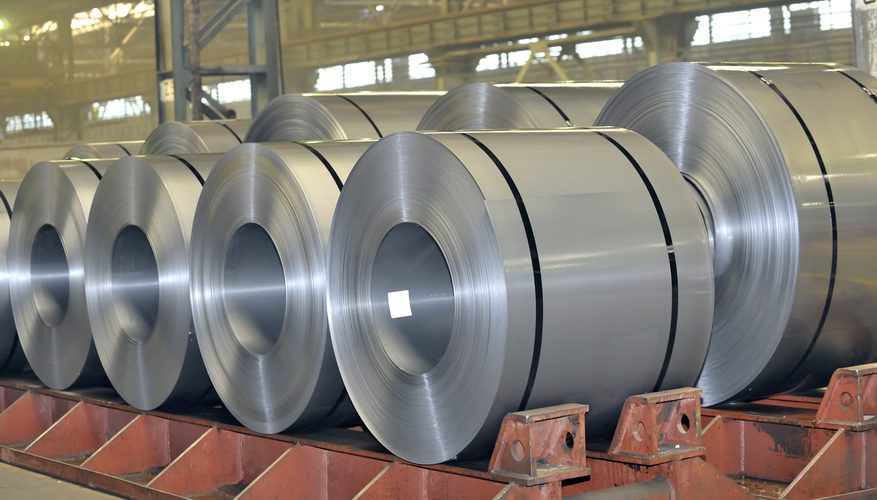
Honyo Prototype executes a streamlined, technology-driven process for manufacturing components from cold rolled steel (CRS) and hot rolled steel (HRS), ensuring precision, efficiency, and material-specific optimization. The workflow begins with CAD file submission and progresses through automated quoting, engineering validation, production, and delivery.
CAD Upload and Material Specification
Clients upload native CAD files (STEP, IGES, or native formats) via our secure portal. During upload, material selection is explicitly defined: CRS (e.g., ASTM A1008) for applications requiring tight tolerances, smooth surfaces, and enhanced strength, or HRS (e.g., ASTM A36) for structural components where dimensional precision is less critical but cost efficiency and weldability are prioritized. Material grade, thickness, and finish requirements are validated upfront to prevent downstream discrepancies.
AI-Powered Quoting Engine
Our proprietary AI engine analyzes the CAD geometry, material selection, and specified tolerances to generate an instant quote. For CRS, the system factors in higher material costs, stricter flatness requirements, and potential springback during bending. For HRS, it accounts for mill scale removal processes, thermal warpage allowances, and surface preparation steps. The AI cross-references real-time material pricing, machine utilization, and historical production data to deliver accurate cost and lead time estimates within minutes, highlighting any material-specific cost drivers.
Engineering-Led DFM Analysis
All orders undergo mandatory Design for Manufacturability (DFM) review by Honyo’s senior manufacturing engineers. For CRS parts, engineers scrutinize bend radii (to avoid cracking in work-hardened material), hole-to-edge distances, and surface finish requirements. HRS components are evaluated for scale-induced laser cut quality issues, warpage mitigation strategies, and weld joint accessibility. Critical feedback—such as recommending CRS annealing for complex bends or HRS stress-relieving post-cutting—is provided within 24 hours, with collaborative resolution via engineering change orders if needed.
Material-Specific Production Execution
Production leverages Honyo’s certified ISO 9001 facility with dedicated workflows for each steel type:
| Process Stage | Cold Rolled Steel (CRS) Execution | Hot Rolled Steel (HRS) Execution |
|---|---|---|
| Material Prep | Precision leveling to maintain flatness; surface inspection for scratches | Descaling via abrasive blasting or chemical treatment; warpage assessment |
| Cutting/Forming | Laser cutting with reduced power to minimize HAZ; air bending with springback compensation | Higher-power laser settings to penetrate scale; press brake forming with overbend allowance |
| Secondary Ops | Deburring only; no post-forming heat treatment typically needed | Welding with preheat for thick sections; stress-relief annealing if specified |
| Quality Control | CMM verification of ±0.005″ tolerances; surface roughness Ra ≤ 32 μin | Visual scale inspection; dimensional checks per ASTM A6 tolerances |
Delivery and Documentation
Finished parts undergo final QA, including material certification traceability (mill test reports for both CRS/HRS), and are packaged to prevent transit-induced distortion—CRS parts with anti-corrosion VCI paper, HRS with heavy-duty bracing for warpage-prone geometries. Shipping includes digital delivery of as-built inspection reports, material certs, and process validation data. Typical lead time from CAD upload to delivery is 7–10 business days for prototypes, with expedited options available.
This integrated process ensures CRS and HRS components meet stringent application requirements while minimizing waste and rework through material-aware engineering controls at every phase. Honyo’s expertise in steel-specific manufacturing eliminates client guesswork, delivering production-ready prototypes with industrial-grade reliability.
Start Your Project
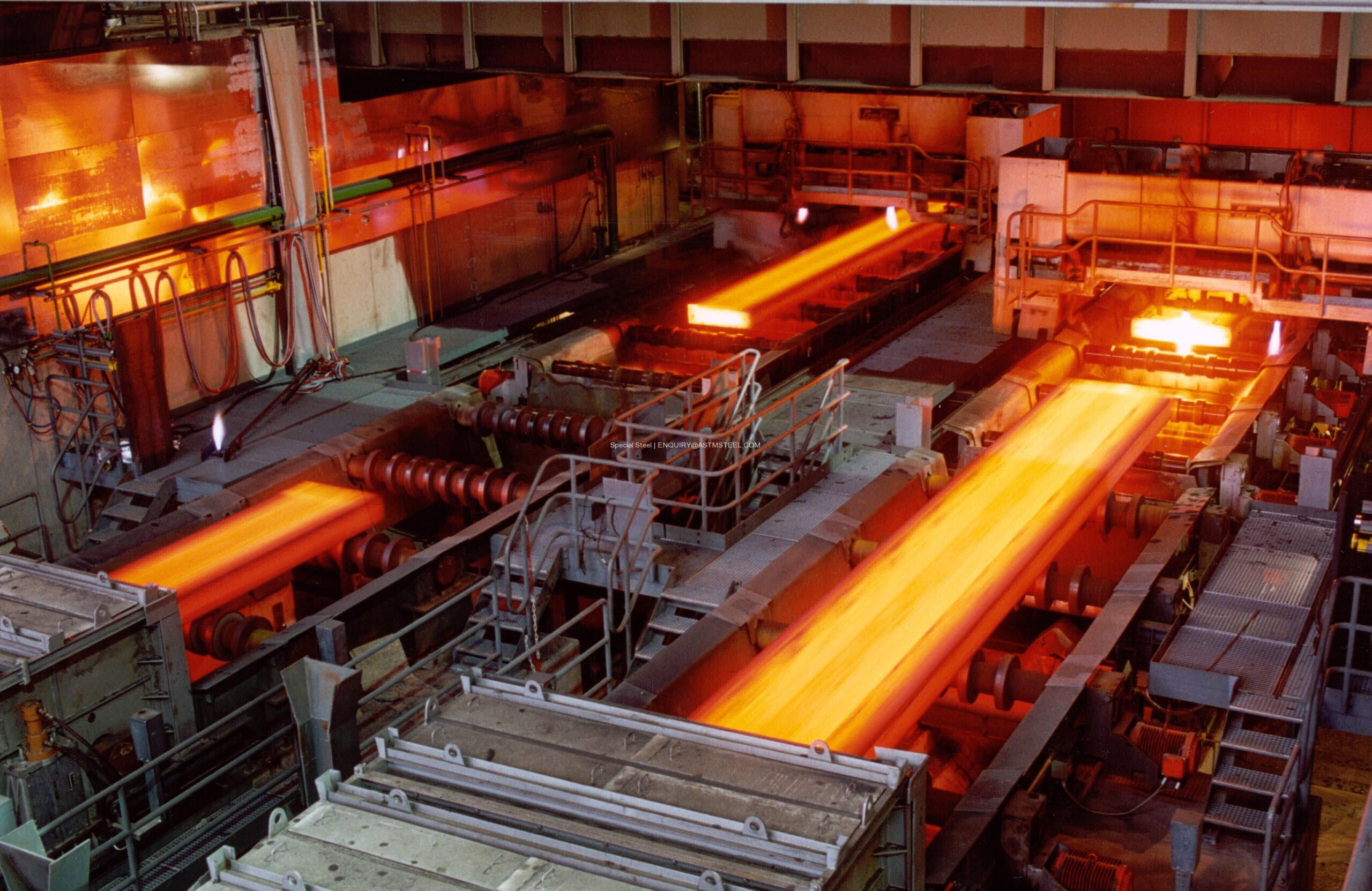
Looking for high-quality cold rolled steel and hot rolled steel for your next manufacturing project? Honyo Prototype offers precision-engineered steel solutions tailored to your specifications, with strict quality control and fast turnaround times. Our manufacturing facility in Shenzhen ensures competitive pricing and reliable production capacity for both prototyping and volume orders.
Contact Susan Leo today at [email protected] to discuss your material requirements, request a quote, or receive technical support. Let us help you streamline your production with trusted steel sourcing from China.
🚀 Rapid Prototyping Estimator
Estimate rough cost index based on volume.