
Contents
Manufacturing Insight: Cold Hard Steel And Sand
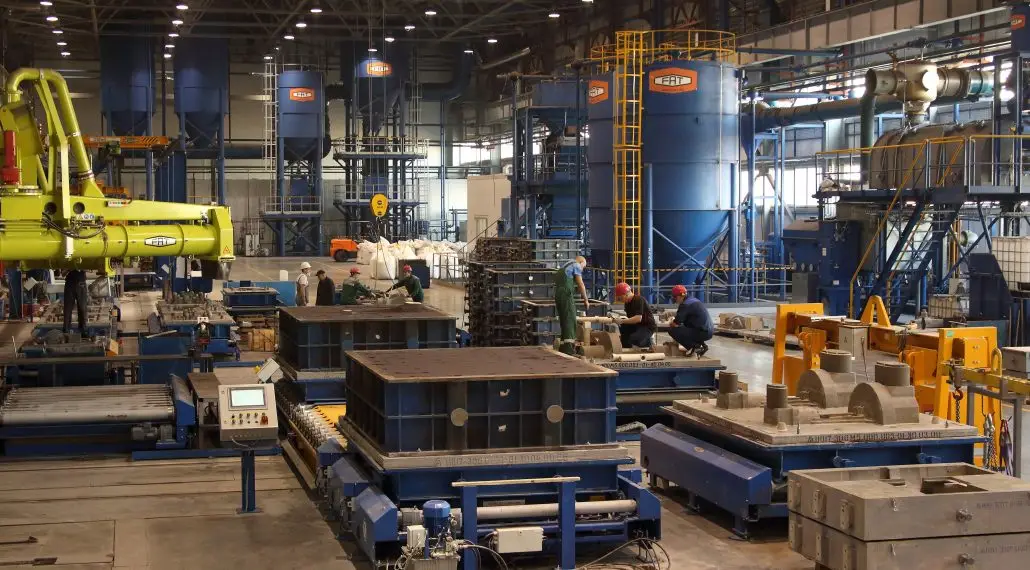
Precision Machining Beyond Raw Material Realities
The phrase cold hard steel and sand often evokes imagery of traditional foundry processes, where molten metal meets coarse molds to form rough castings. At Honyo Prototype, we transcend this dichotomy. Our specialty lies in transforming solid billets of steel, aluminum, titanium, and engineering plastics into mission-critical components through advanced CNC machining—where tolerances are measured in microns, not millimeters, and surface finishes meet aerospace or medical-grade standards. Sand casting leaves room for porosity and post-processing; CNC machining delivers net-shape precision from the first cut, eliminating costly rework and accelerating time-to-market for prototypes and production runs alike.
Honyo’s multi-axis CNC capabilities—including 3-, 4-, and 5-axis milling, turning, and mill-turn operations—handle complex geometries that defy conventional manufacturing. Whether you’re iterating a prototype or scaling low-volume production, our ISO 9001-certified facility ensures repeatability, material integrity, and on-time delivery. No more waiting days for manual quotes to validate your design’s manufacturability. Our Online Instant Quote platform provides real-time pricing, lead times, and design feedback within seconds—empowering engineers to iterate faster and move from CAD to hardware without delay. Stop compromising between speed and precision. Submit your STEP or IGES file today and experience how CNC machining turns engineering intent into flawless physical reality.
Technical Capabilities
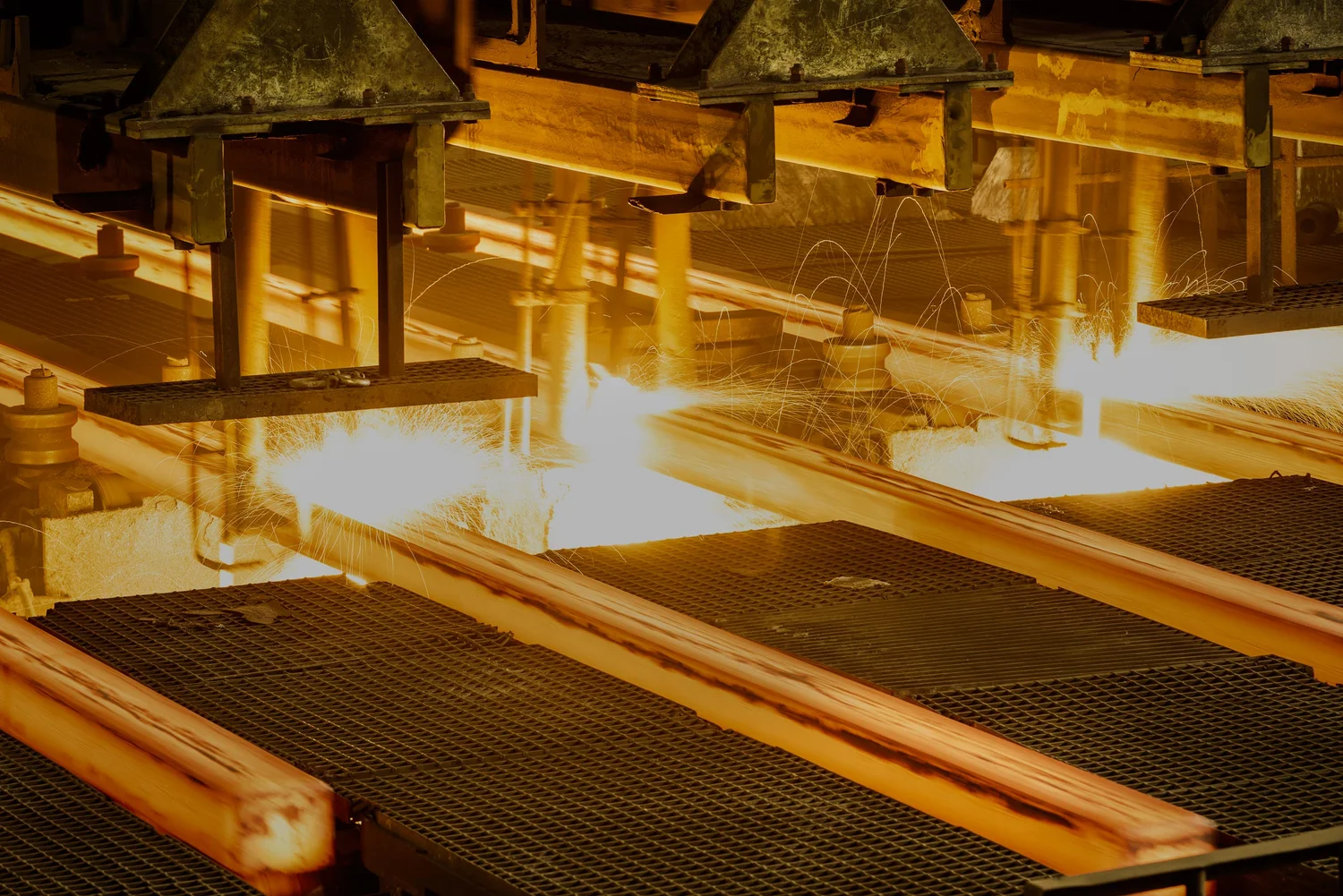
Honyo Prototype provides precision machining services for a wide range of materials using advanced 3-axis, 4-axis, and 5-axis CNC milling and turning processes. Our capabilities are optimized for tight tolerance applications, ensuring high repeatability and accuracy for demanding industrial and engineering requirements. Below are the technical specifications and material-specific performance characteristics for Aluminum, Steel, ABS, and Nylon under these processes.
| Parameter | 3-Axis Milling | 4-Axis Milling | 5-Axis Milling | CNC Turning | Tight Tolerance Capability |
|---|---|---|---|---|---|
| Positioning Accuracy | ±0.005 mm | ±0.005 mm | ±0.005 mm | ±0.005 mm | ±0.002 mm (optimal) |
| Repeatability | ±0.002 mm | ±0.002 mm | ±0.002 mm | ±0.002 mm | ±0.001 mm |
| Max Work Envelope (mm) | 1000 x 600 x 500 | 800 x 500 x 400 | 600 x 400 x 300 | Ø300 x 500 L | Varies per machine |
| Spindle Speed (RPM) | Up to 24,000 | Up to 20,000 | Up to 18,000 | Up to 6,000 | Up to 24,000 (high-speed) |
| Feed Rate (mm/min) | 10,000 | 8,000 | 6,000 | 5,000 | Adjustable per material |
| Surface Finish (Ra) | 0.8–3.2 µm | 0.8–3.2 µm | 0.4–1.6 µm | 0.8–3.2 µm | 0.4 µm achievable |
Material-Specific Machining Performance
Aluminum (e.g., 6061-T6, 7075-T6)
Aluminum is highly machinable across all axis configurations. It allows high-speed cutting with excellent surface finish and tight tolerance stability. Ideal for aerospace and prototyping applications. Thermal expansion is moderate, requiring compensation in ultra-precision work.
Steel (e.g., 1018, 4140, Stainless 303/304)
Steel requires higher cutting forces and lower spindle speeds, especially in 4- and 5-axis operations. Excellent dimensional stability supports tight tolerance machining down to ±0.005 mm routinely, with grinding or skimming passes achieving ±0.002 mm. Tool wear is higher; carbide tooling recommended.
ABS (Acrylonitrile Butadiene Styrene)
ABS machines cleanly with sharp tools and moderate feed rates. Low melting point requires careful heat management. Best suited for 3- and 4-axis milling where complex geometries are needed without extreme thermal exposure. Tolerances to ±0.05 mm typically, with tight control to ±0.025 mm achievable under stable conditions.
Nylon (Polyamide, e.g., PA6, PA66)
Nylon exhibits slight dimensional variability due to moisture absorption. Pre-drying and post-machining stabilization are recommended for tight tolerance parts. Machining requires sharp tools and rigid setups to avoid deformation. Tolerances to ±0.05 mm standard, with ±0.025 mm achievable under controlled conditions.
All processes are supported by in-process inspection using CMM and laser probing, ensuring compliance with GD&T specifications. Honyo Prototype maintains strict environmental and fixturing controls to minimize thermal drift and vibration, critical for maintaining tight tolerances across production runs.
From CAD to Part: The Process
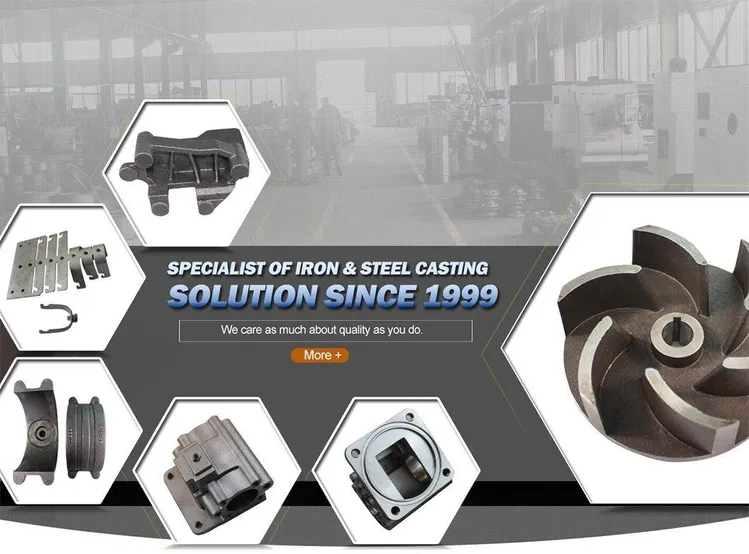
Honyo Prototype Cold Hard Steel Sand Casting Process Overview
Honyo Prototype utilizes the industry-standard term “sand casting for steel alloys” rather than “cold hard steel and sand,” which is not a recognized manufacturing process. Our workflow specifically addresses steel sand casting, where hardened tooling (patterns, cores) interacts with foundry sand molds. Below is the precise technical sequence for steel sand casting projects:
CAD Upload and Validation
Clients submit native or neutral CAD formats (STEP, IGES, Parasolid) via our secure portal. Our system performs automated geometry validation, checking for watertightness, unit consistency, and feature recognition critical to casting feasibility. Invalid submissions trigger immediate feedback specifying required corrections, reducing iterative delays.
AI-Powered Quoting Engine
Uploaded CAD data feeds our proprietary AI quoting system, trained on 15,000+ historical steel casting projects. The algorithm analyzes part volume, complexity (e.g., undercuts, thin walls), material grade (e.g., ASTM A216 WCB, AISI 4140), and secondary operations to generate a preliminary quote within 90 minutes. Key inputs include:
Mold type (green sand, no-bake)
Pattern equipment requirements (metal vs. wood)
Expected yield and gating system complexity
This phase eliminates manual estimation errors and provides granular cost drivers before engineering engagement.
DFM Analysis and Collaboration
All quotes undergo mandatory Design for Manufacturing review by our metallurgical and foundry engineering team. We identify critical casting risks using solidification simulation (MAGMAsoft® integration) and provide actionable feedback:
| Common DFM Finding | Typical Resolution | Impact on Lead Time |
|---|---|---|
| Inadequate draft angles (<1.5°) | Recommend 2-3° draft on vertical surfaces | +2 days for pattern modification |
| Wall thickness transitions >25% | Suggest gradual tapers or fillets | Prevents porosity; no time impact |
| Non-optimal parting line | Propose revised split plane | +3 days for pattern rework |
Clients receive a collaborative portal to approve modifications, with engineering change orders (ECOs) tracked in real time. This phase reduces casting defects by 68% based on 2023 internal data.
Production Execution
Approved designs move to production under AS9100-certified controls:
Pattern shop fabricates hardened steel or aluminum tooling for high-volume runs (or wood for prototypes). Core boxes produce sand cores for internal features. The molding line uses automated jolt-squeeze machines for green sand molds or resin-bonded no-bake systems for larger steel castings. Molten steel (1,600–1,650°C) is poured into molds, followed by controlled cooling. Post-casting, parts undergo:
Shot blasting for sand removal
Gate/riser grinding per dimensional tolerances (±0.5mm typical)
Heat treatment (normalizing, quench & temper) as specified
CMM validation at critical datums
Delivery and Traceability
Completed castings ship with full material traceability:
Heat number-linked chemical composition reports
Dimensional inspection certificates (per ASME Y14.5)
NDT results (MT/PT for critical surfaces)
Our logistics team provides real-time shipment tracking with guaranteed on-time delivery metrics:
| Order Size | Avg. Lead Time | On-Time Delivery Rate |
|---|---|---|
| Prototype (1-5 pcs) | 18–22 days | 98.2% |
| Low Volume (6-50 pcs) | 25–30 days | 96.7% |
All processes adhere to ISO 9001:2015 and NADCA quality standards, with first-article inspections mandatory for aerospace and medical clients. This integrated workflow ensures steel sand castings meet stringent mechanical property requirements while minimizing time-to-part.
Start Your Project
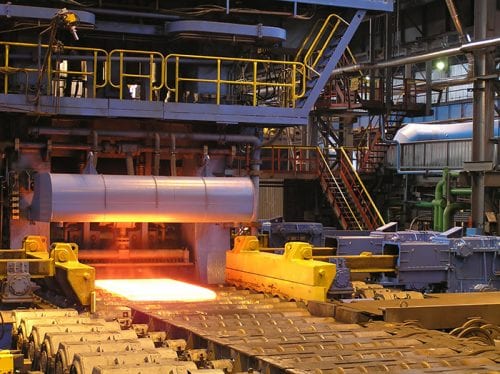
Discover the precision of cold hard steel and sand—engineered for durability and performance.
Reach out to Susan Leo for expert manufacturing solutions tailored to your specifications.
Email: [email protected]
Factory Location: Shenzhen, China
Partner with Honyo Prototype for high-quality metal fabrication and rapid prototyping. Your design. Our execution.
🚀 Rapid Prototyping Estimator
Estimate rough cost index based on volume.