
Contents
Manufacturing Insight: Cnc Stands For Medical
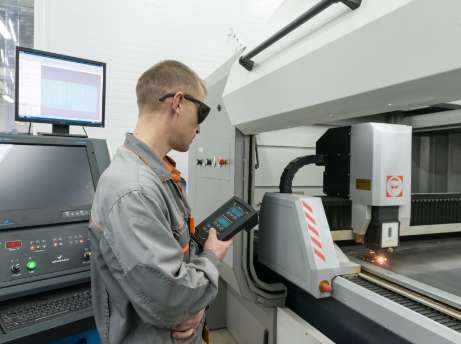
CNC Precision: The Non-Negotiable Foundation of Modern Medical Device Manufacturing
In the highly regulated and precision-critical medical device sector, CNC stands for far more than Computer Numerical Control; it represents the absolute bedrock of reliability, repeatability, and uncompromising quality essential for patient safety. Honyo Prototype delivers advanced CNC machining services engineered specifically to meet the exacting demands of medical applications, from complex orthopedic implants and surgical instruments to fluidic components and diagnostic equipment housings. Our expertise spans biocompatible materials including medical-grade titanium, stainless steels (316L), PEEK, and specialized polymers, all processed within ISO 13485-certified workflows ensuring full traceability, stringent documentation, and adherence to FDA and global regulatory standards.
We understand that medical device development cycles demand both extreme precision—often at sub-micron tolerances—and rapid iteration. Honyo’s state-of-the-art 3-, 4-, and 5-axis CNC milling and turning centers, combined with in-house metrology using CMMs and optical comparators, guarantee components that meet stringent sterilization compatibility, surface finish requirements, and functional performance criteria. Accelerate your path from prototype to production with our seamless integration of design for manufacturability (DFM) analysis and scalable production capabilities. To immediately evaluate feasibility and receive a detailed technical quotation for your medical-grade CNC project, utilize Honyo’s Online Instant Quote platform—providing transparent pricing and lead time estimates within hours, not days.
Technical Capabilities
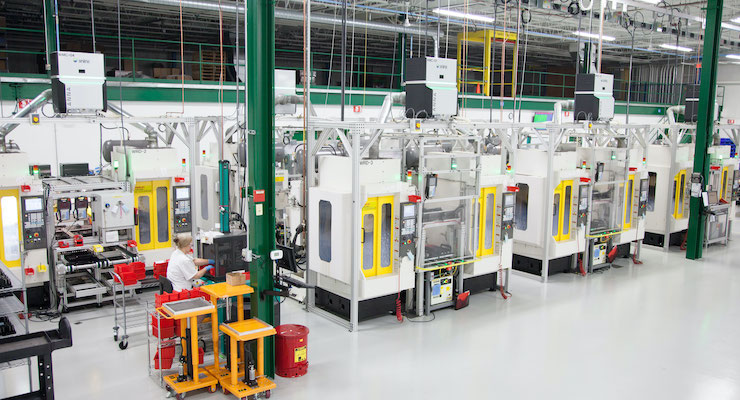
CNC machining for medical applications requires high precision, repeatability, and compliance with regulatory standards due to the critical nature of medical devices and components. 3-axis, 4-axis, and 5-axis milling, along with CNC turning, are commonly used to manufacture complex geometries, implants, surgical instruments, and diagnostic equipment. These processes support tight tolerances typically ranging from ±0.0002″ to ±0.001″, depending on design requirements and material behavior. Below is a summary of key technical specifications relevant to CNC machining in the medical sector.
| Feature | 3-Axis Milling | 4-Axis Milling | 5-Axis Milling | CNC Turning |
|---|---|---|---|---|
| Axis Movement | X, Y, Z linear axes | X, Y, Z + A (rotary around X) | X, Y, Z + A and B (rotary) | X, Z linear + C (spindle rotation) |
| Typical Tolerance | ±0.0005″ (12.7 µm) | ±0.0004″ (10.2 µm) | ±0.0002″ to ±0.0005″ (5–12.7 µm) | ±0.0003″ (7.6 µm) |
| Surface Finish (Ra) | 32–125 µin | 32–63 µin | 16–32 µin (achievable with polishing) | 16–63 µin |
| Common Materials | Aluminum 6061, 7075; Stainless Steel 316L, 17-4 PH; ABS, Nylon 6, Nylon 6/6 | Same as 3-axis, with improved access for complex shapes | Same, optimized for intricate 3D contours | Same, ideal for cylindrical and symmetrical parts |
| Applications | Flat or prismatic parts, enclosures, brackets | Indexing features, drilling at angles, multi-sided parts | Implants (e.g., knee, hip), surgical guides, complex housings | Shafts, fittings, threaded components, instrument tips |
| Material Suitability | Aluminum: Excellent | Steel: Good (requires rigid setup) | ABS: Good (low heat) | Nylon: Moderate (chip control) |
| Steel: High strength, biocompatible options (316L, 440C) | ABS: Limited to non-implant, low-stress | ABS: Limited to non-load-bearing | Aluminum: High machinability | |
| ABS: Low cost, for prototypes | Nylon: Wear-resistant, biocompatible grades available | Nylon: Used in jigs, non-sterile tools | Steel: Preferred for durability and sterilization | |
| Key Advantages | Fast for simple geometries | Adds rotational indexing for complex features | Full contouring, minimal setups, high accuracy | High precision on round parts, efficient for high volumes |
| Compliance Considerations | ISO 13485, FDA 21 CFR Part 820, biocompatibility (ISO 10993) for implantable materials | Same | Same | Same |
All medical CNC machined components must be produced in controlled environments, often with full traceability of materials and process documentation. Post-machining processes such as passivation (for stainless steel), electropolishing, and cleanroom assembly may be required depending on the application. The selection of 3, 4, or 5-axis milling versus turning depends on part geometry, production volume, and functional requirements.
From CAD to Part: The Process

Honyo Prototype executes a rigorously controlled CNC machining process for medical device components, adhering strictly to ISO 13485 standards and regulatory requirements. Our workflow integrates advanced digital tools with domain-specific medical manufacturing expertise to ensure compliance, precision, and traceability. Below is the detailed process flow for medical-grade CNC parts:
CAD Upload and Medical Requirements Validation
Clients initiate the process by uploading CAD files (STEP, IGES, or native formats) via our secure customer portal. Our system immediately performs automated validation checks against medical industry constraints, including material biocompatibility requirements (e.g., ASTM F863 for implantables), minimum feature tolerances per ISO 2768-mK, and surface finish criteria (Ra ≤ 0.8 µm for critical surfaces). Non-compliant geometries trigger instant notifications to the client before proceeding.
AI-Powered Quoting with Medical Compliance Layer
Our proprietary AI quoting engine analyzes the validated CAD data while incorporating medical-specific parameters absent in standard quoting systems. The algorithm cross-references material databases for USP Class VI and ISO 10993-5/10 certified options (e.g., Ti-6Al-4V ELI, PEEK, 316LVM stainless steel), factors in cleanroom production surcharges (ISO Class 7 or better), and embeds regulatory documentation costs. Quotes explicitly itemize compliance overheads such as material mill certificates, batch traceability logs, and 2D inspection reports per ASME Y14.5. Typical quote turnaround is under 2 hours for standard medical components.
Medical-Focused DFM Analysis
Unlike generic DFM, our engineering team conducts a dual-path analysis:
First, manufacturability optimization for tight-tolerance medical features (e.g., threaded inserts in polymer housings, micro-bore tolerances ±0.005mm).
Second, regulatory risk assessment covering sterilization compatibility (EtO/gamma resistance), particulate control protocols, and design validation against FDA 21 CFR Part 820.30. We provide annotated CAD markups with actionable recommendations, such as modifying draft angles to prevent molding defects in subsequent assembly stages. This phase includes mandatory client engineering sign-off on DFM outputs.
Precision Production Under Medical Protocols
All medical CNC runs occur in dedicated ISO Class 7 cleanrooms with environmental monitoring (particulate counters, temperature/humidity logs). Key production controls include:
Material verification via PMI (Positive Material Identification) upon receipt
In-process inspections using calibrated CMMs with NIST-traceable reports
Dedicated tooling sets for medical batches to prevent cross-contamination
Real-time SPC (Statistical Process Control) for critical dimensions
Full batch traceability via serialized barcoding from raw material to finished part
Regulatory-Compliant Delivery
Shipments include a comprehensive documentation package beyond standard COAs:
Material test reports with full chemical composition
Sterilization validation summary (if applicable)
Dimensional inspection report against drawing GD&T
ISO 13485:2016 certified conformance statement
Certificate of Free Sale for export shipments
All parts undergo final particulate testing per ISO 14644-1 prior to packaging in ISO 11607-compliant sterile barrier systems. Typical delivery includes 48-hour shipping with real-time logistics tracking and customs documentation pre-validated for medical device shipments.
This end-to-end process ensures medical device manufacturers receive fully documented, audit-ready components that accelerate their regulatory submissions while minimizing rework risks. Honyo maintains a 99.2% first-pass yield rate for Class II/III medical device components through this integrated workflow.
Start Your Project
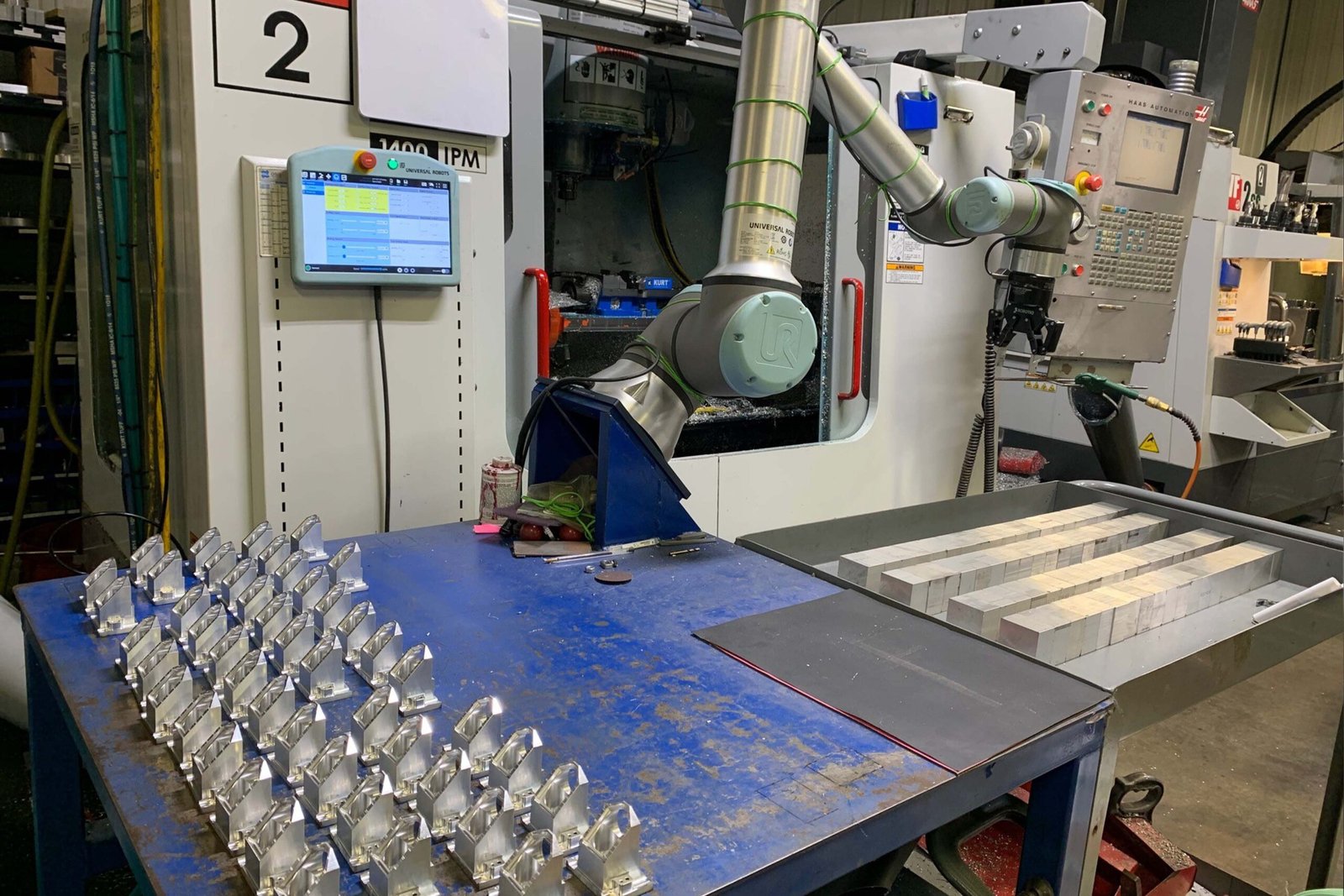
CNC stands for Computer Numerical Control, a precision manufacturing process widely used in the medical device industry to produce high-accuracy components. At Honyo Prototype, we specialize in CNC machining for medical applications, delivering tight-tolerance parts that meet strict regulatory and quality standards.
Our state-of-the-art facility in Shenzhen is equipped with advanced CNC technology and operated by a skilled engineering team experienced in medical-grade materials and production protocols. Whether you require rapid prototyping or low-volume production, we ensure fast turnaround times, full traceability, and compliance with industry requirements.
For inquiries or project consultations, contact Susan Leo at [email protected]. Let Honyo Prototype be your trusted partner for precision CNC solutions in the medical sector.
🚀 Rapid Prototyping Estimator
Estimate rough cost index based on volume.