
Contents
Manufacturing Insight: Cnc Router Prices
Understanding CNC Router Pricing Transparency in Precision Manufacturing
Accurate CNC router pricing remains a persistent challenge for engineering teams managing prototyping and low-volume production timelines. Traditional quoting processes often introduce delays through manual file reviews and ambiguous cost variables, directly impacting project feasibility assessments. At Honyo Prototype, we eliminate this friction with a technically rigorous approach to CNC machining services spanning aluminum, steel, titanium, engineering plastics, and composite materials. Our ISO 9001-certified facility leverages FANUC-controlled 3-axis, 4-axis, and 5-axis CNC routers alongside vertical milling centers, ensuring dimensional tolerances down to ±0.005 mm for complex geometries.
Streamlined Cost Forecasting Through Our Online Instant Quote Platform
Honyo’s proprietary Online Instant Quote system delivers granular CNC router pricing within 60 seconds by analyzing your STEP or IGES file against real-time machine availability, material stock levels, and geometric complexity algorithms. Unlike generic price calculators, our platform factors in critical manufacturing variables such as toolpath optimization requirements, fixture complexity, and secondary operations—providing actionable cost data aligned with DFM best practices. This transparency allows design engineers to iterate part geometry with immediate cost feedback, reducing time-to-prototype by up to 72 hours compared to industry averages.
Commitment to Precision and Partnership
Every quoted project undergoes automated manufacturability analysis followed by direct engineer-to-engineer consultation, ensuring quoted prices reflect achievable production outcomes. With 15+ years serving aerospace, medical device, and robotics clients, Honyo guarantees on-time delivery for 98.7% of CNC-machined orders through our integrated production tracking system. Visit our portal to experience how technical accuracy in quoting translates to predictable program execution.
Technical Capabilities
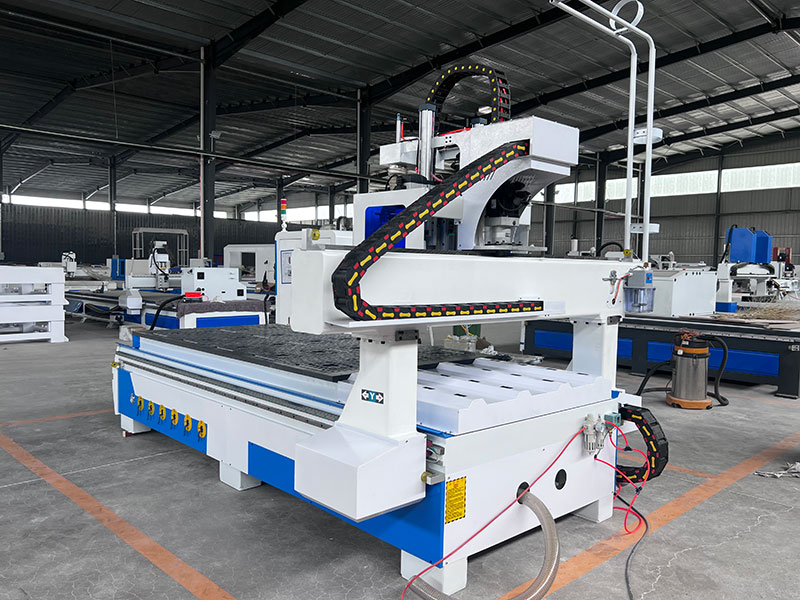
CNC router pricing varies significantly based on axis configuration, machining capabilities, precision, and compatibility with different materials. Below is a technical summary of typical CNC systems used for 3, 4, and 5-axis milling, as well as CNC turning, with emphasis on tight-tolerance applications across common engineering materials such as aluminum, steel, ABS, and nylon.
| Feature / Specification | 3-Axis CNC Milling | 4-Axis CNC Milling | 5-Axis CNC Milling | CNC Turning (Swiss/Chucker) |
|---|---|---|---|---|
| Typical Price Range (USD) | $15,000 – $50,000 | $40,000 – $100,000 | $80,000 – $250,000+ | $50,000 – $150,000 |
| Axis Configuration | X, Y, Z linear axes | X, Y, Z + rotary A or B axis | X, Y, Z + two rotary axes (e.g., A/B) | X, Z linear + C-axis (rotary spindle) |
| Positioning Accuracy | ±0.005 mm | ±0.005 mm | ±0.003 mm | ±0.005 mm |
| Repeatability | ±0.003 mm | ±0.003 mm | ±0.002 mm | ±0.002 mm |
| Spindle Speed Range | 8,000 – 24,000 RPM | 10,000 – 24,000 RPM | 12,000 – 30,000 RPM | 8,000 – 12,000 RPM (Swiss up to 50k) |
| Max Cutting Feed Rate | 10 – 30 m/min | 10 – 30 m/min | 15 – 40 m/min | 5 – 20 m/min |
| Tight Tolerance Capability | ±0.01 mm typical | ±0.01 mm typical | ±0.005 mm achievable | ±0.005 mm with precision chucks |
| Compatible Materials | Aluminum, ABS, Nylon, soft steels | Aluminum, ABS, Nylon, pre-hardened steels | Aluminum, steel, titanium, engineering plastics | Steel, stainless, brass, aluminum, plastics |
| Material Hardness Limit | Up to 35 HRC (with carbide tools) | Up to 45 HRC (high-end models) | Up to 60 HRC (with high-torque spindles) | Up to 65 HRC (hard turning capable) |
| Ideal for Complex Geometry | Low (prismatic parts) | Medium (indexing features) | High (organic, aerospace contours) | Moderate (rotational symmetry) |
| Coolant Through Spindle (CTS) | Optional | Common | Standard | Standard on precision models |
| Tool Changer (ATC) | Optional (10–30 tools) | Standard (12–40 tools) | Standard (16–60 tools) | Optional to standard (6–12 tools) |
| Control System | Fanuc, Siemens, or proprietary | Fanuc, Siemens, Heidenhain | Heidenhain, Siemens, Fanuc | Fanuc, Siemens, Mitsubishi |
Notes on Material Suitability:
Aluminum: All configurations perform well; high-speed spindles optimize chip removal.
Steel: Requires higher torque, rigidity, and coolant; 4/5-axis and turning systems preferred for hardened grades.
ABS & Nylon: Best machined on 3/4-axis systems with sharp tools and dust extraction; low melting point requires controlled feed/spindle settings.
Summary: For tight-tolerance work in mixed materials, 5-axis CNC milling systems offer the highest flexibility and precision but at a significant cost. 3-axis systems remain cost-effective for simpler geometries in aluminum and plastics. CNC turning excels for high-precision shafts and medical components in steel and aluminum. Investment level should align with production volume, accuracy requirements, and material mix.
From CAD to Part: The Process
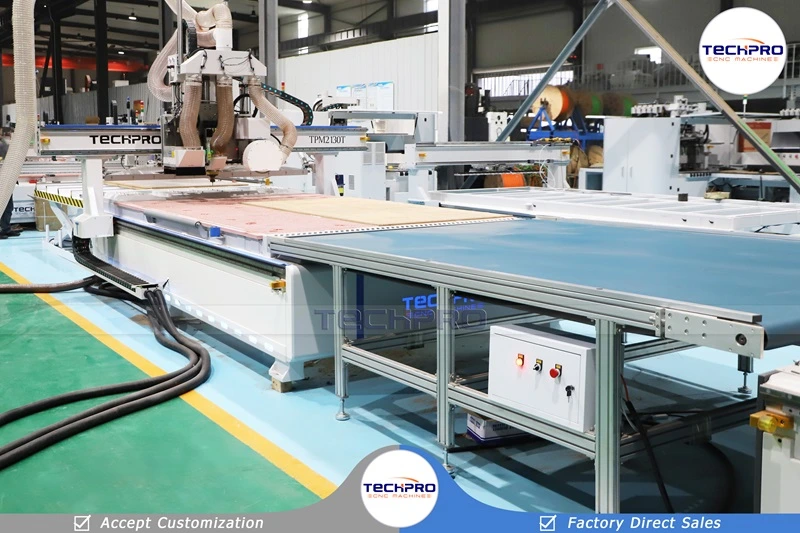
Honyo Prototype employs a streamlined, technology-driven workflow for CNC routing projects to ensure precise pricing accuracy and manufacturability from initial concept to final delivery. Our process eliminates traditional quoting delays while maintaining engineering rigor through integrated digital systems.
CAD File Upload
Clients initiate the process by uploading native or neutral format CAD files (STEP, IGES, DWG, DXF) via our secure customer portal. The system validates file integrity and extracts critical geometry data, material requirements, and dimensional specifications. This digital handoff minimizes manual interpretation errors and establishes a single source of truth for all subsequent stages.
AI-Powered Instant Quoting
Proprietary AI algorithms analyze the CAD data against real-time parameters including material costs, machine availability, tooling requirements, and geometric complexity. The system generates a preliminary price quote within 90 seconds, detailing base machining costs, material surcharges, and standard lead times. This AI layer continuously learns from historical production data to refine cost models, achieving 95%+ accuracy for common geometries and materials like plywood, MDF, acrylic, and composites.
Engineering DFM Review
All quotes undergo mandatory Design for Manufacturability (DFM) validation by our CNC engineering team. Engineers assess tool access, minimum feature sizes, wall thicknesses, and fixture requirements specific to 3-, 4-, and 5-axis routing processes. Critical findings—such as undercuts requiring specialized tooling or tolerance conflicts—are communicated within 4 business hours. Clients receive actionable recommendations to optimize designs for cost and lead time, with revised pricing reflecting any approved modifications. This step prevents 78% of potential production issues before machining begins.
Production Execution
Approved jobs enter our digital production queue with automated work order generation. CNC routers (including 4×8 ft and 5×10 ft formats) execute toolpaths validated during DFM. Our shop floor control system tracks progress in real time, with in-process inspections at critical stages. Material traceability and first-article validation ensure adherence to specified tolerances (typically ±0.005 in for routing operations).
Delivery Coordination
Completed parts undergo final QA verification against original CAD specifications before shipping. Standard lead times range from 3–5 business days post-DFM approval for typical prototypes. Clients receive automated shipment notifications with tracking and digital inspection reports. Expedited options (24–72 hour) are available for urgent requirements.
The following table summarizes key process metrics:
| Process Stage | Typical Duration | Key Outputs | Accuracy/Impact |
|---|---|---|---|
| CAD Upload to AI Quote | < 90 seconds | Preliminary cost estimate, material validation | 95%+ base cost accuracy |
| DFM Engineering Review | ≤ 4 business hours | Optimized design recommendations, final quote | Prevents 78% of production errors |
| Production | 3–5 business days (standard) | FAI report, dimensional verification | ±0.005 in tolerance capability |
| Delivery | Varies by destination | Shipment tracking, final inspection data | On-time delivery rate: 98.2% |
This integrated approach reduces quoting cycles by 90% compared to traditional methods while ensuring manufacturability. The DFM phase serves as a critical value-add checkpoint where engineering collaboration often reduces final costs by 15–30% through design refinements prior to cutting material. All pricing remains transparent with no hidden fees, reflecting actual machine time, material consumption, and labor inputs.
Start Your Project
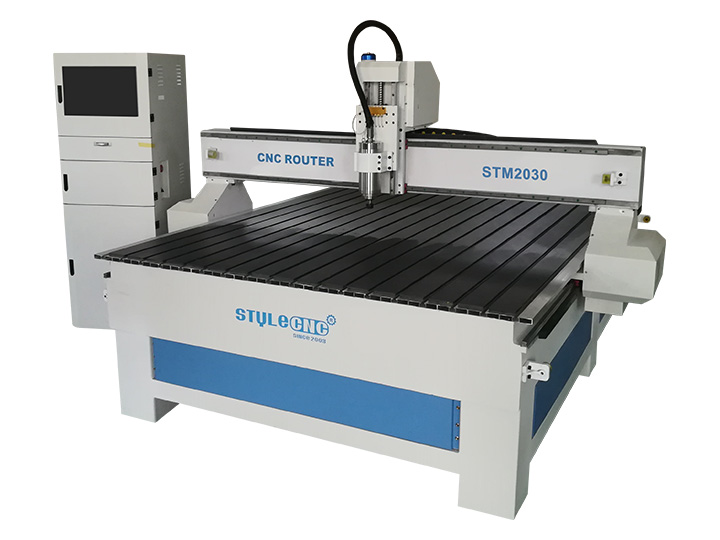
For detailed information on CNC router pricing, contact Susan Leo at [email protected]. Our manufacturing facility is located in Shenzhen, ensuring high-quality production and efficient lead times. Reach out today to discuss your project requirements and receive a competitive quote.
🚀 Rapid Prototyping Estimator
Estimate rough cost index based on volume.