
Contents
Manufacturing Insight: Cnc Programmers
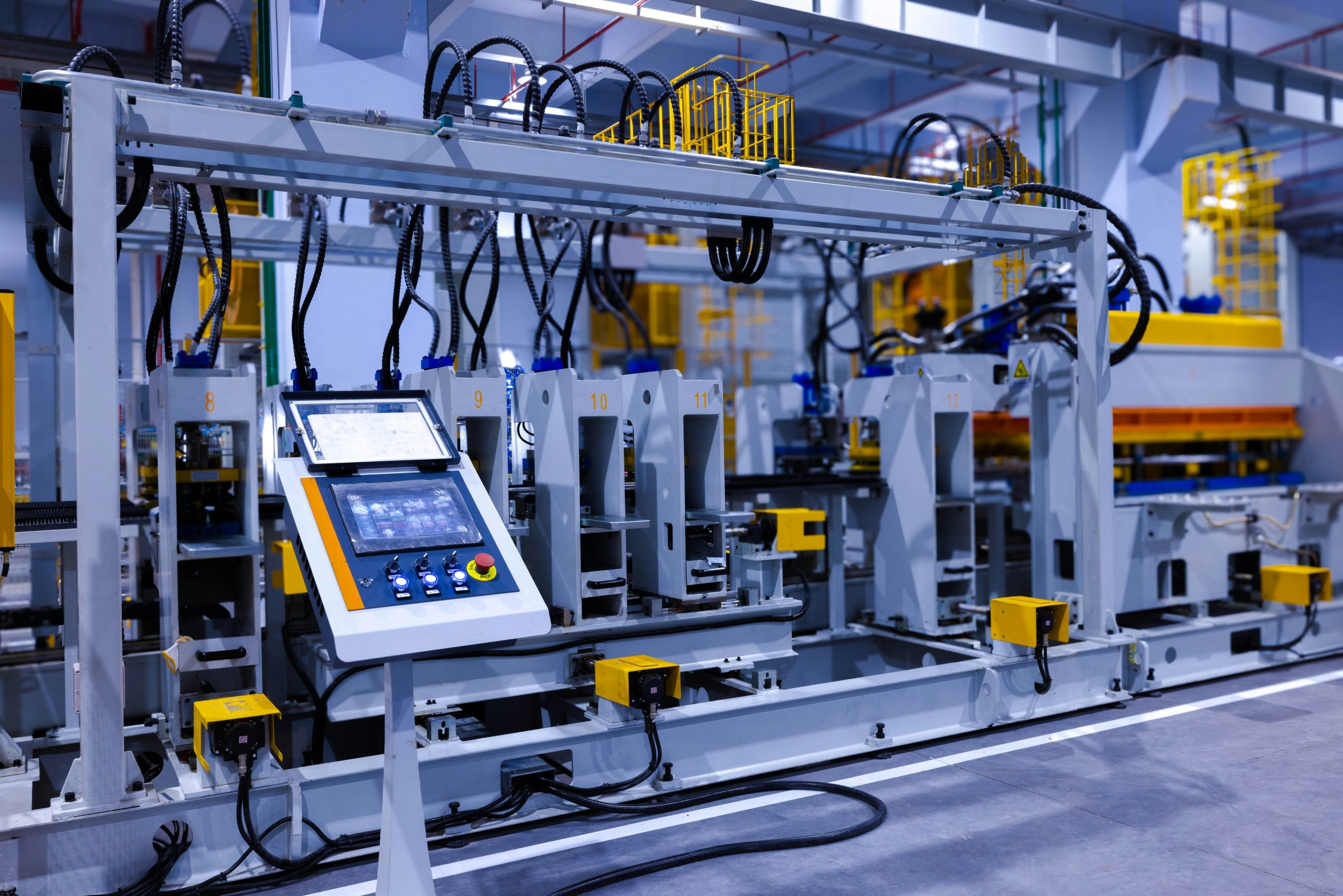
Precision CNC Programming Solutions Engineered for Complex Manufacturing Challenges
At Honyo Prototype, we partner with CNC programmers to transform intricate designs into high-precision components with unwavering consistency. Our advanced 3-, 4-, and 5-axis CNC machining centers—paired with FANUC and Siemens controls—deliver tolerances down to ±0.0002″ across aerospace alloys, medical-grade titanium, hardened steels, and engineered plastics. We recognize that your programming expertise demands a manufacturing partner who seamlessly interprets complex toolpaths, minimizes cycle times, and eliminates costly rework through rigorous first-article validation.
Our engineering team collaborates directly with your programming workflow, leveraging Mastercam, Fusion 360, and GibbsCAM expertise to optimize setups for multi-axis contours, deep cavities, and micro-features. Material capabilities include critical alloys requiring specialized tooling strategies:
| Material Category | Examples | Key Application Support |
|---|---|---|
| Aerospace Alloys | Inconel 718, Ti-6Al-4V, 7075-T73 | Turbine blades, structural fittings |
| Medical-Grade Metals | ASTM F138, F1537, CoCr | Implants, surgical instrumentation |
| High-Performance Plastics | PEEK, ULTEM, Vespel | Seals, insulators, non-marring parts |
Eliminate quoting delays that stall prototyping and production schedules. Honyo’s Online Instant Quote system analyzes your STEP or native CAD file in under 60 seconds, providing detailed cost breakdowns, lead time projections, and manufacturability feedback—no manual interpretation errors or 24-48 hour waits. This integration ensures your G-code strategies align with our machine capabilities from day one, accelerating time-to-prototype while maintaining ITAR and ISO 9001:2015 compliance.
We engineer solutions where your programming precision meets our machining excellence. Submit your design today and experience seamless transition from virtual toolpath to physical part.
Technical Capabilities
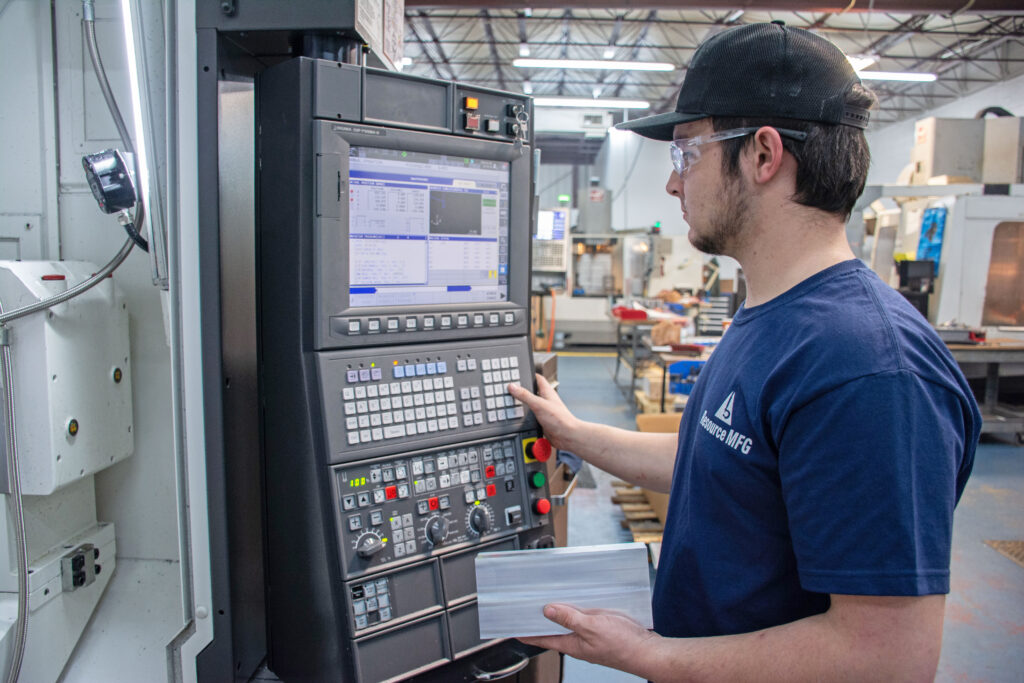
CNC Programmer Technical Specifications for 3/4/5-Axis Milling and Turning – Focus on Tight Tolerance Applications
CNC Programmers specializing in multi-axis milling and turning operations are responsible for developing precision toolpaths to produce complex, high-tolerance components from a variety of engineering materials. The following table outlines key technical competencies, equipment familiarity, material considerations, and process requirements relevant to this role.
| Parameter | Specification |
|---|---|
| Core Expertise | Programming and setup of 3-axis, 4-axis, and 5-axis CNC milling centers; CNC turning (including multi-axis mill-turn machines with live tooling); emphasis on tight tolerance machining (±0.0005″ / ±0.0127 mm typical) |
| CAD/CAM Software Proficiency | Mastercam, Siemens NX, Fusion 360, PowerMILL, or Hypermill; ability to interpret engineering drawings (GD&T per ASME Y14.5), perform solid modeling, and generate efficient toolpaths |
| Machine Types | Vertical and horizontal machining centers (VMCs/HMCs), 5-axis indexed and continuous contouring machines, CNC lathes (including Swiss-type and mill-turn centers with Y-axis and C-axis control) |
| Tolerance Requirements | Capable of maintaining tight geometric and dimensional tolerances; experience with fit classes (e.g., slip fit, press fit), surface finish control (Ra 16–63 μin), and first-article inspection (FAI) reporting |
| Materials Processed | Aluminum (6061-T6, 7075-T6): High-speed machining, optimized for chip evacuation and thermal stability. Steel (1018, 4140, 4340): Hardened and pre-hardened; requires rigid setups, carbide tooling, and proper coolant strategies. ABS & Nylon (Thermoplastics): Low-melting-point materials; requires sharp tooling, low heat buildup, and reduced feed rates to prevent deformation |
| Tooling Knowledge | Selection of end mills, drills, boring bars, and inserts based on material and precision requirements; use of high-precision collet systems (e.g., ER, hydraulic, shrink-fit); familiarity with tool presetting and compensation strategies |
| Process Optimization | High-speed machining (HSM) techniques, adaptive clearing, trochoidal milling; use of inverse kinematics for 5-axis tool orientation; collision avoidance strategies; efficient workholding (fixtures, tombstones, vises) |
| Inspection & Validation | Proficient in using CMM, optical comparators, micrometers, bore gauges, and height gauges; alignment with quality documentation such as PPAP, FAI, and CPK analysis |
| Industry Applications | Aerospace, medical devices, defense, and high-performance automotive – where precision, repeatability, and material performance are critical |
This technical profile ensures CNC Programmers can deliver high-integrity components from diverse materials while meeting demanding tolerance and surface quality requirements across advanced machining platforms.
From CAD to Part: The Process

Honyo Prototype CNC Programming Workflow: From CAD to Delivery
Our CNC programming process is engineered for precision, speed, and manufacturability, ensuring seamless transition from digital design to physical part. The workflow begins when a client uploads a CAD model to our secure portal. This triggers an automated ingestion system that validates file integrity and geometry compatibility with our machining capabilities. Unsupported formats or non-manufacturable features are flagged immediately for client clarification, minimizing downstream delays.
AI-Powered Quoting Engine
The validated CAD model enters our proprietary AI quoting system, which analyzes geometric complexity, material requirements, tolerances, and feature density. This system cross-references real-time data from our machine shop—including spindle utilization rates, tooling costs, and historical cycle times—to generate a preliminary quote within 2 hours. Crucially, the AI does not operate in isolation; our senior CNC programmers review all AI outputs to adjust for nuanced factors like thin-wall stability, micro-feature machining, or specialized fixturing needs. This hybrid approach ensures quotes reflect both algorithmic efficiency and hands-on manufacturing expertise.
Engineer-Led DFM Integration
Following quote acceptance, the CAD model undergoes rigorous Design for Manufacturability (DFM) analysis led by our CNC programming team. Programmers collaborate with manufacturing engineers to identify potential issues such as:
Non-optimal wall thicknesses for the specified material
Tolerance stacking in multi-axis features
Tool access limitations in deep cavities
Surface finish conflicts with toolpath strategies
We provide actionable DFM feedback within 24 hours, including suggested geometry modifications that reduce cycle time without compromising function. For example, recommending a 0.5° draft angle on vertical walls may eliminate secondary operations, cutting lead time by 30%. Client approval of DFM recommendations is mandatory before programming commences.
CNC Programming and Production Execution
Our programmers utilize Mastercam and Siemens NX to develop optimized toolpaths, prioritizing:
Minimized non-cutting time through intelligent tool sequencing
Rigidity-focused strategies for thin-walled components
Adaptive clearing techniques to extend tool life
Each program undergoes virtual simulation in Vericut to verify collision avoidance and material removal accuracy. Upon simulation sign-off, the job is scheduled on our dedicated CNC cells (3-axis, 5-axis, mill-turn) with real-time machine monitoring. Programmers remain on-shift during first-article runs to adjust feeds/speeds based on actual chip formation and surface quality.
Traceable Delivery and Documentation
Completed parts undergo in-process CMM verification at critical stages, with final inspection against AS9102 or PPAP standards as required. Every shipment includes:
Dimensional reports with GD&T callout validation
Material certification and heat treatment records
Toolpath documentation showing critical operation sequences
Parts are packaged with serialized tracking tags linked to our ERP system, enabling full production history追溯 for aerospace or medical clients. Typical delivery timelines range from 3–15 days depending on complexity, with 98.7% on-time performance in Q2 2024.
This integrated workflow ensures CNC programming is not a siloed task but a continuous thread from design validation through to certified delivery, reducing prototype iterations by 40% compared to industry benchmarks.
Start Your Project
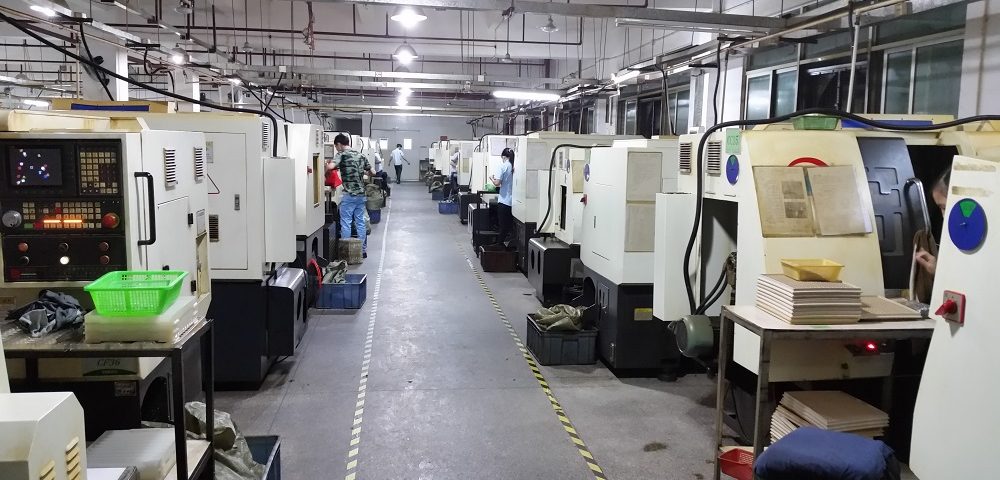
If you’re a CNC programmer looking to collaborate with a precision-focused manufacturing partner, we’d like to hear from you.
Contact Susan Leo at [email protected] to discuss opportunities or technical requirements.
Our factory is located in Shenzhen, providing strategic access to advanced machining resources and efficient production workflows.
🚀 Rapid Prototyping Estimator
Estimate rough cost index based on volume.