
Contents
Manufacturing Insight: Cnc Polishing
Precision surface finishing is a critical final step in high-integrity manufacturing, where consistency and dimensional accuracy directly impact part performance and longevity. At Honyo Prototype, our CNC Polishing services are not an afterthought but an engineered extension of our core CNC Machining capabilities. We integrate advanced multi-axis CNC platforms with proprietary toolpath strategies and precision media selection to achieve mirror finishes, controlled matte textures, or functional surface enhancements—all while maintaining tight tolerances that manual polishing cannot reliably sustain. This seamless integration within our machining workflow eliminates secondary operations, reduces handling-induced errors, and ensures geometric integrity from rough cut to final finish.
Our CNC Machining services leverage this same precision philosophy across milling, turning, and multi-axis operations, delivering complex geometries in aerospace alloys, medical-grade materials, and engineering plastics with documented repeatability. Every process, including polishing, is validated through in-house metrology and adheres to ISO 9001 standards, ensuring your components meet stringent functional and aesthetic requirements without schedule compromise. For time-sensitive prototyping or low-volume production, our Online Instant Quote system provides transparent pricing and lead times within minutes—simply upload your CAD file to receive a detailed manufacturing assessment and quotation, accelerating your path from design to qualified part.
Technical Capabilities
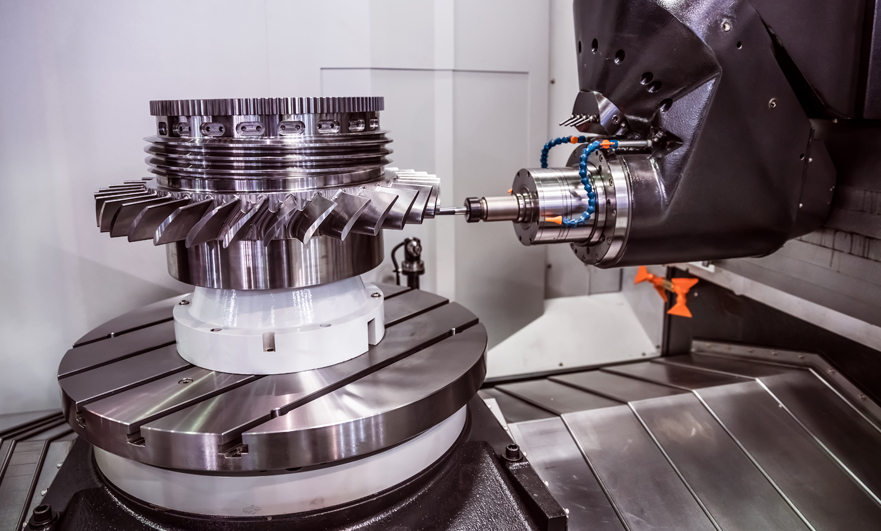
CNC polishing is a precision finishing process integrated into CNC machining workflows to achieve smooth surface finishes on complex geometries. It is commonly applied after 3-axis, 4-axis, or 5-axis milling and turning operations—especially when tight tolerances and high cosmetic or functional surface quality are required. The process utilizes computer-controlled tools with abrasive media or polishing wheels, following precise toolpaths to uniformly remove minimal material and refine surface texture.
This technique is particularly effective for components requiring tight tolerances (±0.005 mm to ±0.025 mm) and fine surface finishes (Ra < 0.4 µm). It supports a wide range of materials including aluminum, steel, ABS, and nylon, each requiring tailored polishing parameters based on hardness, thermal sensitivity, and abrasion resistance.
Below is a summary of technical specifications and capabilities for CNC polishing across different machining platforms and materials:
| Parameter | 3-Axis Milling | 4-Axis Milling | 5-Axis Milling | CNC Turning |
|---|---|---|---|---|
| Max Complexity | Planar & prismatic surfaces | Rotary indexing (± A-axis) | Full multi-directional access | Cylindrical & axial symmetry |
| Typical Tolerance | ±0.01 mm | ±0.01 mm | ±0.005 mm | ±0.005 mm to ±0.01 mm |
| Surface Finish (Ra) | 0.8 – 1.6 µm (pre-polish) → < 0.4 µm post-polish | 0.8 – 1.6 µm → < 0.4 µm | 0.4 – 0.8 µm → < 0.2 µm | 0.4 – 0.8 µm → < 0.2 µm |
| Polishing Method | End mill with buffing tools | Rotary table + ball-end polishing | Multi-axis contour polishing | In-line diamond or abrasive polishing tools |
| Material Compatibility | Aluminum, Steel, ABS, Nylon | Aluminum, Steel, ABS | Aluminum, Steel | Aluminum, Steel, Nylon |
| Notes on Materials | Aluminum: High polish, no smearing. Steel: Slow rate, high tool wear. ABS: Low heat settings to prevent melting. Nylon: Low pressure to avoid deformation. |
Material-Specific Considerations
Aluminum is highly suitable for CNC polishing due to its softness and reflectivity, achieving mirror finishes with proper tooling. Steel, especially hardened grades, requires diamond-impregnated polishing tools and slower feed rates to maintain tolerance and surface integrity. ABS, a thermoplastic, demands low heat generation during polishing—typically achieved with reduced spindle speed and intermittent contact. Nylon, being both tough and slightly elastic, requires light pressure and fine abrasives to avoid surface gouging or dimensional deviation.
CNC polishing in tight-tolerance applications demands precise toolpath programming, real-time force feedback (in advanced systems), and rigorous process validation to maintain geometric accuracy while improving surface quality. Integration with 5-axis milling and precision turning enables complete finishing of complex aerospace, medical, and automotive components without manual intervention.
From CAD to Part: The Process
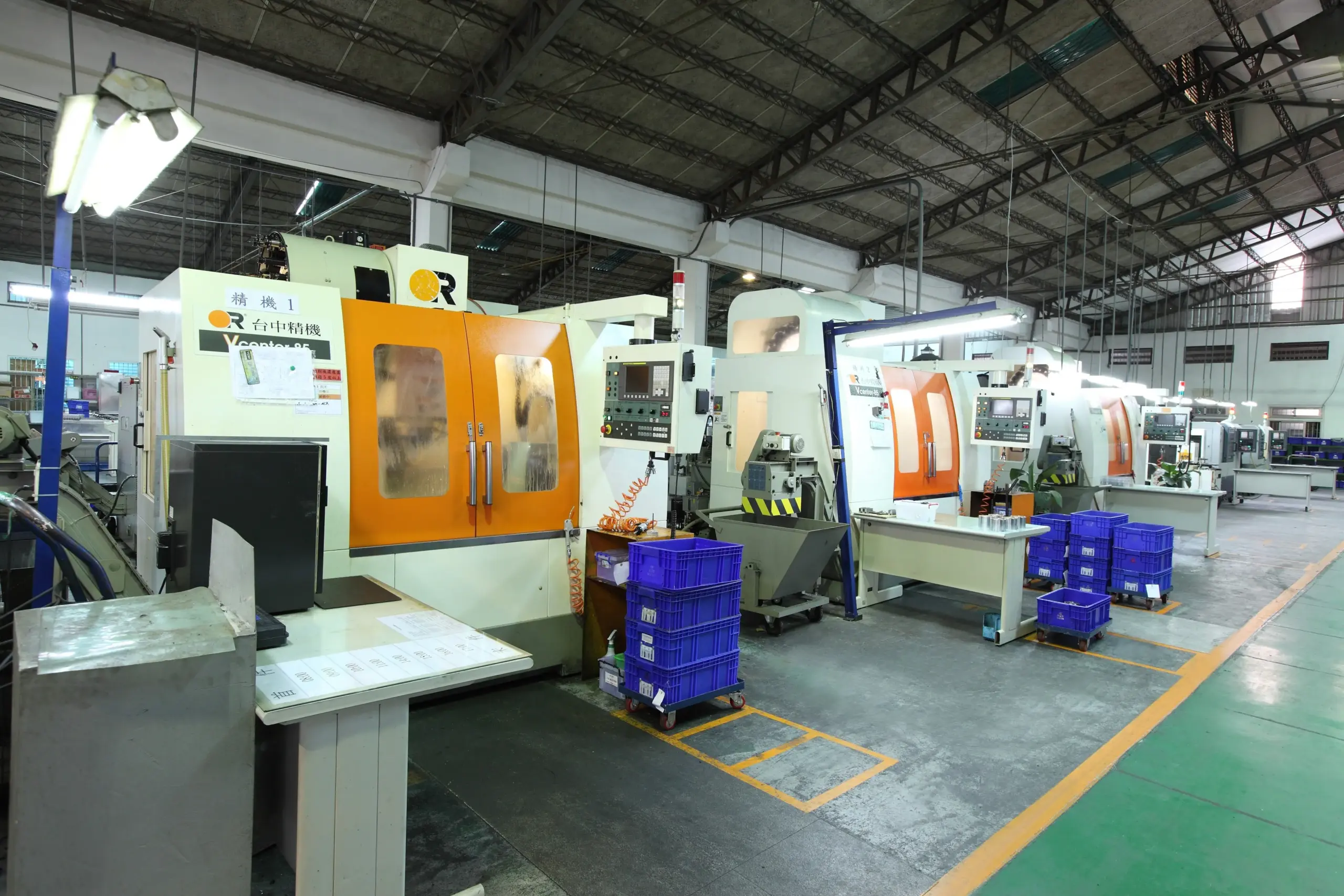
Honyo Prototype executes CNC polishing through a rigorously defined workflow designed for precision, efficiency, and client transparency. This integrated process ensures optimal surface finish while mitigating risks inherent in secondary operations. Below is the technical breakdown of each phase.
CAD Upload and Validation
Clients initiate the process by uploading native or neutral CAD formats (STEP, IGES, Parasolid) via our secure portal. Our system performs immediate geometric validation, checking for manifold integrity, unit consistency, and minimum feature recognition thresholds. Critical parameters such as target surface roughness (Ra), critical optical zones, and material-specific polishing constraints are extracted. Non-conforming files trigger automated notifications specifying required corrections, preventing downstream delays.
AI-Powered Quoting with Engineering Oversight
Our proprietary AI engine analyzes the validated CAD geometry against live databases of material behavior, toolpath complexity, and historical polishing cycle times. It calculates machine hours, abrasive consumable usage, and labor requirements while factoring in geometric challenges like deep cavities or thin walls. Crucially, this AI output undergoes mandatory review by a Senior Manufacturing Engineer who verifies feasibility, adjusts parameters for high-precision requirements (e.g., Ra < 0.1 µm), and confirms cost accuracy. Clients receive a detailed quote within 4 business hours, inclusive of finish specifications and lead time.
DFM Analysis Focused on Polishing Integrity
Design for Manufacturability (DFM) is not a generic step at Honyo; it is specifically optimized for polishing outcomes. Our engineers conduct material-specific analysis to prevent common failure modes:
Identifying thin sections prone to thermal distortion during aggressive polishing
Flagging sharp internal radii where abrasive media cannot effectively reach
Recommending strategic draft angles to eliminate hand-polishing requirements
Validating surface continuity for optical applications using Zemax integration
Clients receive a formal DFM report with actionable recommendations. Approval of this report is mandatory before production release, ensuring alignment on finish expectations and process constraints.
Precision CNC Polishing Execution
Production leverages multi-axis CNC polishing centers with real-time force feedback control. The process employs a sequenced abrasive progression:
1. Initial stock removal using diamond-impregnated tools (Ra 3.2 – 6.3 µm)
2. Intermediate smoothing with ceramic abrasives (Ra 0.8 – 1.6 µm)
3. Final polishing with sub-micron diamond pastes (Ra 0.05 – 0.4 µm)
Critical process controls include:
In-process surface roughness verification via integrated profilometry
Vibration monitoring to prevent chatter marks
Environmental controls (temperature/humidity) for critical optics
Material-specific dwell time algorithms to avoid over-polishing
Surface Finish Capabilities by Material Type
| Material Category | Minimum Achievable Ra (µm) | Typical Cycle Time Multiplier | Critical Constraints |
|——————-|—————————|——————————|———————-|
| Aluminum Alloys | 0.05 | 1.0x | Anodizing prep zones require masking |
| Stainless Steel | 0.08 | 1.3x | Carbide inclusion risk at Ra < 0.1 µm |
| Titanium | 0.12 | 1.5x | Heat sensitivity requires cryogenic cooling |
| Plastics (e.g., PMMA) | 0.03 | 0.8x | Melting risk above 40°C surface temp |
Compared to standard CNC machining cycle time
Quality-Controlled Delivery
Every polished component undergoes final inspection per ASME B46.1 standards. We provide:
Full traceability via serialized part tags linked to process parameters
3D surface topography reports showing Sa, Sq, and Sz values
Cross-sectional profilometry at critical zones
Photometric analysis for optical components (if specified)
Packaging with anti-static, non-abrasive materials to preserve finish
Shipments include a comprehensive quality dossier validating conformance to the agreed Ra specifications. Rush delivery options maintain this stringent QC protocol through dedicated shift scheduling. This end-to-end controlled process ensures that surface finish requirements are met consistently, reducing client rework costs by up to 70% compared to conventional polishing vendors.
Start Your Project
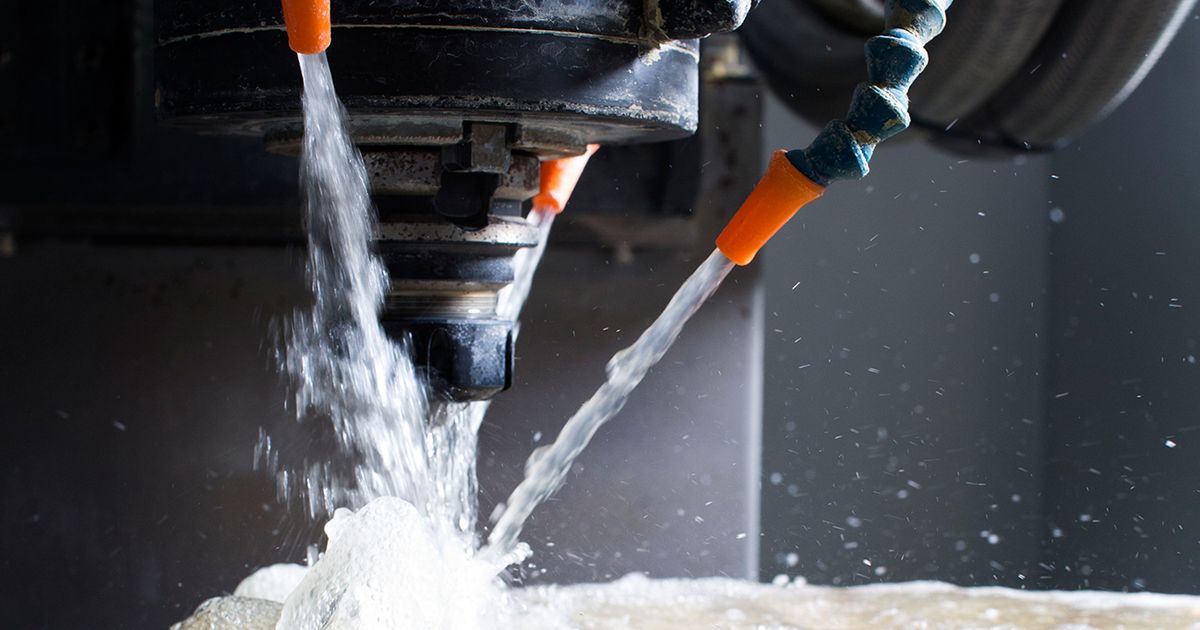
Discover precision CNC polishing services designed for high-quality prototypes and production parts. At Honyo Prototype, our advanced finishing techniques ensure smooth surface finishes, tight tolerances, and consistent results for your machined components.
Located in Shenzhen, our state-of-the-art factory leverages decades of manufacturing expertise to deliver superior polish on a wide range of materials, including aluminum, stainless steel, and engineering plastics.
For inquiries or to request a quote, contact Susan Leo at [email protected]. Let us help you achieve flawless surface finishes with fast turnaround and competitive pricing.
🚀 Rapid Prototyping Estimator
Estimate rough cost index based on volume.