
Contents
Manufacturing Insight: Cnc Metal Forming
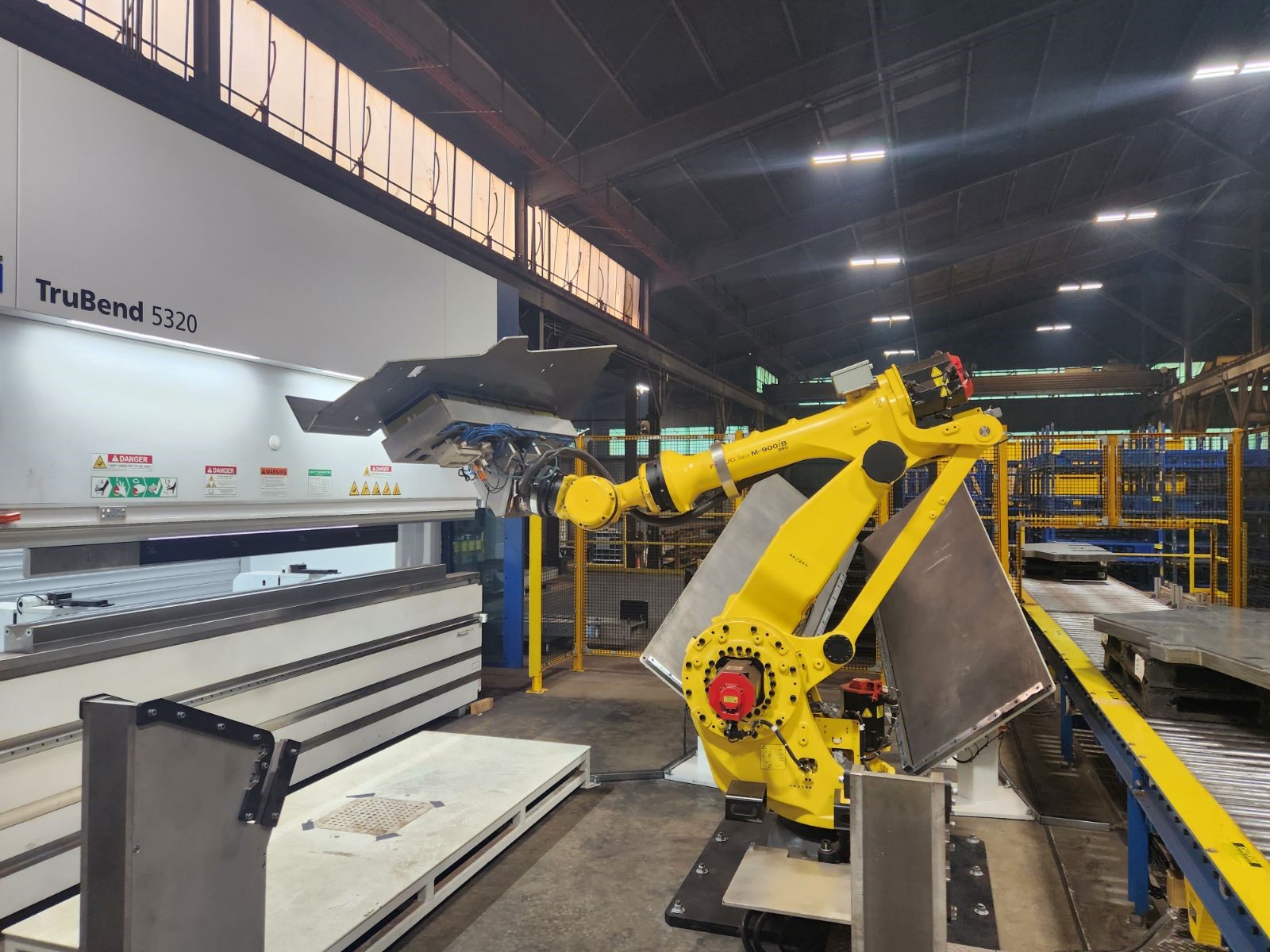
Precision CNC Metal Forming for Demanding Applications
Honyo Prototype delivers advanced sheet metal fabrication services engineered to meet the rigorous tolerances and complex geometries required in aerospace, medical, and industrial sectors. Our CNC metal forming capabilities integrate state-of-the-art press brakes with multi-axis bending cells, ensuring micron-level accuracy across aluminum, stainless steel, and specialty alloys. This precision-driven approach enables rapid transformation of digital designs into functional components—from low-volume prototypes to high-volume production runs—without sacrificing repeatability or structural integrity.
Material & Thickness Capabilities
| Material Category | Common Alloys | Thickness Range |
|——————-|—————|—————–|
| Aluminum | 5052, 6061-T6 | 0.5 mm – 6.0 mm |
| Stainless Steel | 304, 316L | 0.8 mm – 4.5 mm |
| Carbon Steel | SPCC, CR10 | 0.6 mm – 3.0 mm |
Streamlined Procurement with Real-Time Quoting
Accelerate your development timeline through Honyo’s Online Instant Quote platform. Upload CAD files in STEP, IGES, or DXF formats to receive detailed manufacturability feedback and competitive pricing within minutes—eliminating traditional quoting delays. Our system automatically validates bend allowances, grain direction, and tooling requirements against DFM best practices, providing actionable insights before order placement. This digital workflow reduces time-to-prototype by up to 70% while maintaining full transparency in cost drivers.
Engineers and procurement teams leverage our integrated CNC forming ecosystem for zero-compromise fabrication, where every bend is validated through offline programming and in-process metrology. Begin your project with confidence: upload designs today for immediate technical validation and pricing.
Technical Capabilities
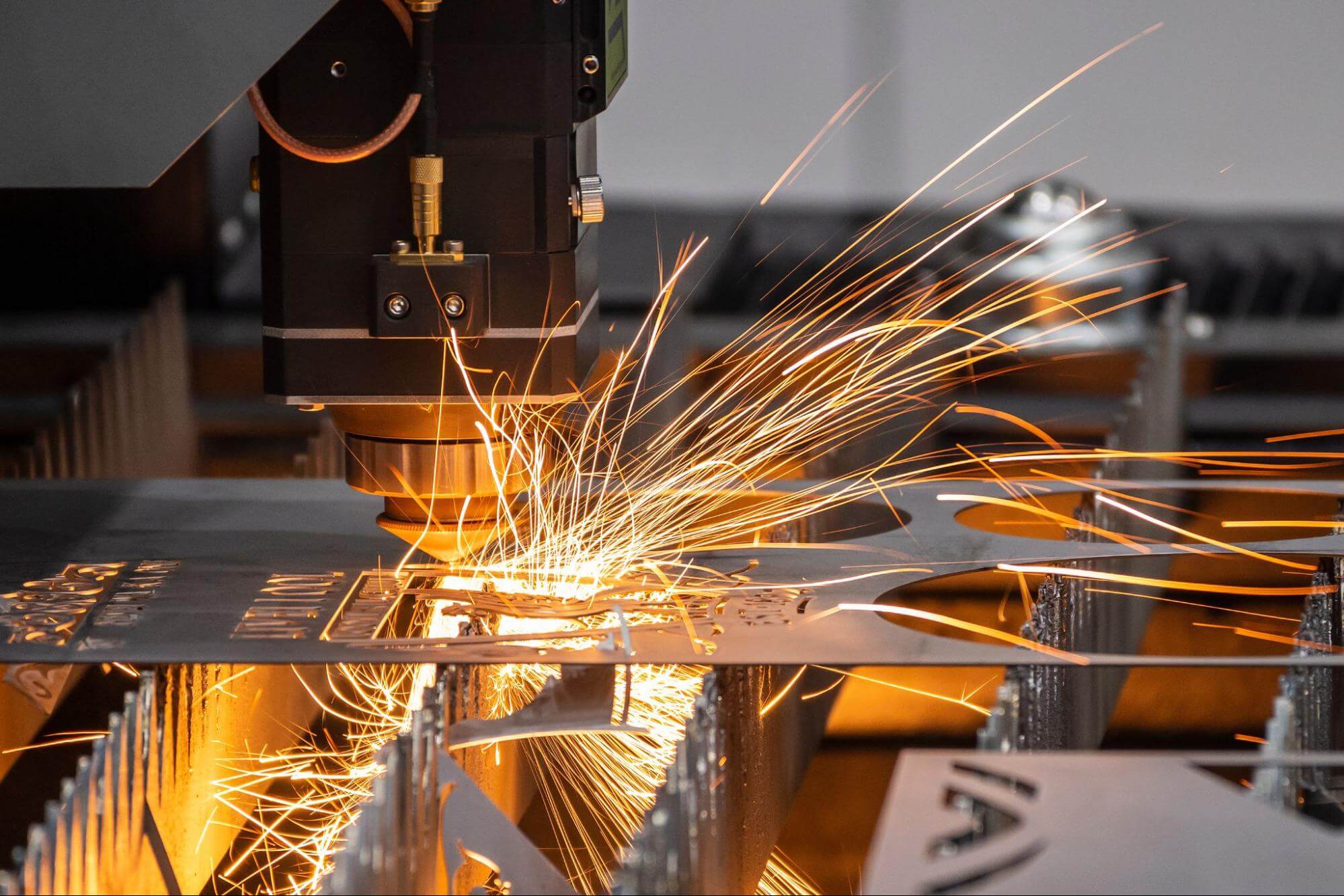
Technical specifications for CNC metal forming processes—specifically laser cutting, bending, and welding—are critical for ensuring precision, repeatability, and structural integrity in fabricated components. These processes are commonly applied to metals such as aluminum and steel, while ABS and nylon are typically associated with non-metallic fabrication and are not used in CNC welding or bending in the same context as metals. However, for completeness, their compatibility is noted.
Below is a summary of the technical specifications and material compatibility for each process:
| Process | Material Compatibility | Typical Thickness Range | Tolerance (Standard) | Tooling/Equipment Requirements | Notes |
|---|---|---|---|---|---|
| Laser Cutting | Aluminum, Steel, ABS, Nylon | 0.5 mm – 25 mm (steel), 0.5 mm – 20 mm (aluminum), up to 10 mm (ABS/nylon) | ±0.1 mm | High-power CO₂ or fiber laser, assist gas (O₂, N₂) | Best for intricate profiles; non-contact process; heat-affected zone varies by material |
| CNC Bending | Aluminum, Steel | 0.8 mm – 6 mm (common), up to 12 mm with heavy-duty press brakes | ±0.2° angular, ±0.1 mm linear | CNC press brake, die sets, tooling based on bend radius and angle | Not applicable to thermoplastics like ABS/nylon due to lack of structural rigidity |
| Welding (CNC MIG/TIG) | Aluminum, Steel | 0.8 mm – 15 mm (varies by method) | ±0.5 mm (joint alignment) | CNC-controlled torch, shielding gas, clamping fixtures | Not suitable for ABS or nylon—these require specialized plastic welding techniques |
Notes on Materials:
Aluminum: Excellent for laser cutting and welding (especially with TIG). Requires higher laser power and proper gas assist (nitrogen) for clean cuts. Susceptible to warping during welding if not properly fixtured.
Steel (Mild/Carbon): Ideal for all three processes. Oxygen assist gas enhances laser cutting efficiency. Readily weldable with MIG processes. High repeatability in bending with proper springback compensation.
ABS (Acrylonitrile Butadiene Styrene): Can be laser cut with CO₂ lasers but not suitable for CNC bending or welding in metal-forming systems. Generates hazardous fumes when laser-cut; requires ventilation.
Nylon: Can be laser cut with caution using CO₂ lasers; however, it tends to melt and char. Not compatible with CNC metal bending or welding equipment. Requires post-processing for clean edges.
These specifications reflect industrial-grade CNC forming capabilities at Honyo Prototype, optimized for high-precision sheet metal fabrication in aluminum and steel. Non-metallic materials are processed on dedicated systems with adjusted parameters.
From CAD to Part: The Process
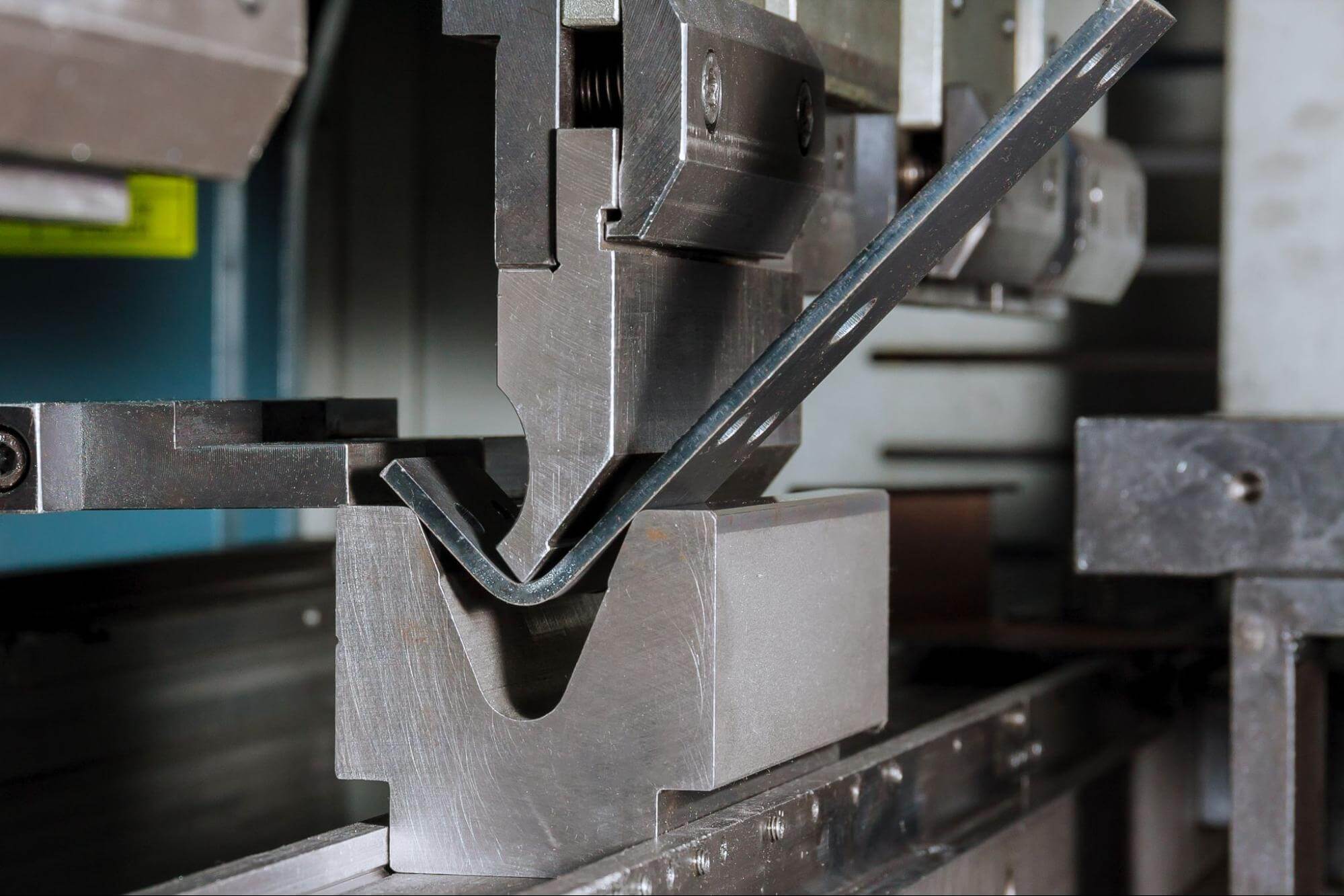
Honyo Prototype CNC Metal Forming Process Overview
Honyo Prototype executes CNC metal forming through a rigorously defined sequence designed for precision, efficiency, and manufacturability. The workflow begins with CAD Upload, where clients submit 3D models in native formats (STEP, IGES, Parasolid) via our secure portal. Critical metadata—including material specifications, tolerances, surface finish requirements, and geometric dimensioning and tolerancing (GD&T) callouts—must accompany the model to initiate processing. Incomplete submissions trigger automated validation checks, ensuring all engineering intent is captured prior to progression.
The AI Quote phase leverages proprietary machine learning algorithms to generate instant cost and lead time estimates. This system cross-references historical production data, real-time machine availability, material pricing fluctuations, and geometric complexity metrics. The AI evaluates feature-based machining time, setup configurations, and secondary operation dependencies, producing a granular breakdown of costs per operation. All quotes undergo mandatory human validation by senior manufacturing engineers to address edge cases, such as thin-wall stability or high-tolerance intersections, ensuring accuracy before client submission.
Design for Manufacturability (DFM) Analysis follows quote acceptance and represents a critical value-add phase. Honyo’s engineering team conducts a multi-layered review:
Geometric feasibility assessment for CNC forming (e.g., bend radii versus material ductility, springback compensation)
Material suitability verification against forming stresses and final application requirements
Tolerance stack-up analysis to prevent over-specification while maintaining functional integrity
Process optimization recommendations (e.g., consolidating operations, minimizing re-fixturing)
Clients receive a formal DFM report with actionable suggestions, often reducing part cost by 15–25% through design refinements. No production proceeds without client sign-off on DFM outcomes.
Production Execution integrates seamlessly with Honyo’s Industry 4.0 manufacturing ecosystem. Approved designs trigger automated work orders routed to dedicated CNC forming cells (press brakes, roll formers, or stretch benders based on geometry). Key protocols include:
Real-time in-process metrology using touch-probe systems to validate critical dimensions after each forming stage
Closed-loop feedback adjusting machine parameters for springback compensation based on material lot certification data
Full traceability via serialized barcoding from raw material to finished component
All processes adhere to AS9100 and ISO 9001 standards, with first-article inspections documented per PPAP Level 3 requirements.
Delivery encompasses final quality validation and logistics coordination. Each shipment includes:
Certified material test reports (MTRs) with chemistry and mechanical properties
Dimensional inspection reports against original CAD with deviation heatmaps
Process-specific documentation (e.g., bend sequence diagrams, tooling validation records)
Parts undergo final cleaning per ASTM B322 standards and are packaged in anti-corrosive VCI film. Global logistics leverage tracked freight with ETAs updated through Honyo’s client portal, supported by bonded warehouse options for JIT delivery.
Tolerance Capabilities for Reference
| Parameter | Standard Capability | Tight Tolerance Option |
|——————–|———————|————————|
| Linear Dimensions | ±0.1 mm | ±0.025 mm |
| Angular Features | ±0.5° | ±0.1° |
| Hole Position | ±0.05 mm | ±0.01 mm |
| Surface Roughness | Ra 3.2 μm | Ra 0.8 μm |
This integrated workflow ensures metal-formed components meet stringent functional and regulatory demands while minimizing time-to-market. Honyo’s closed-loop system between DFM insights and production execution drives continuous improvement in yield and cost efficiency for client programs.
Start Your Project
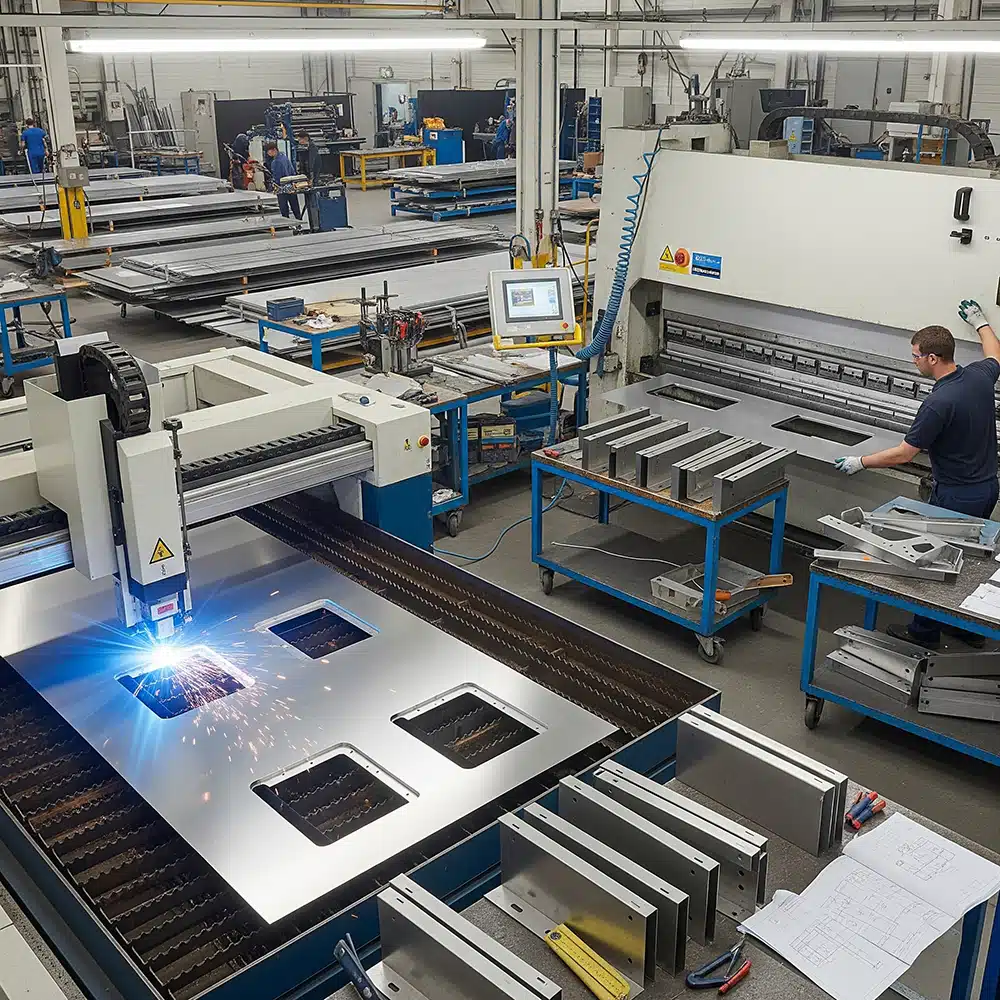
Discover precision CNC metal forming solutions engineered for prototyping and low-volume production. At Honyo Prototype, we combine advanced CNC technology with expert craftsmanship to deliver high-quality metal components tailored to your specifications.
Our state-of-the-art facility in Shenzhen ensures fast turnaround times and strict quality control, making us a trusted partner for global clients in automotive, industrial, and consumer sectors.
Contact Susan Leo today to discuss your project requirements. Email at [email protected] for technical consultations, quotes, or manufacturing support. Let’s build precision together.
🚀 Rapid Prototyping Estimator
Estimate rough cost index based on volume.